

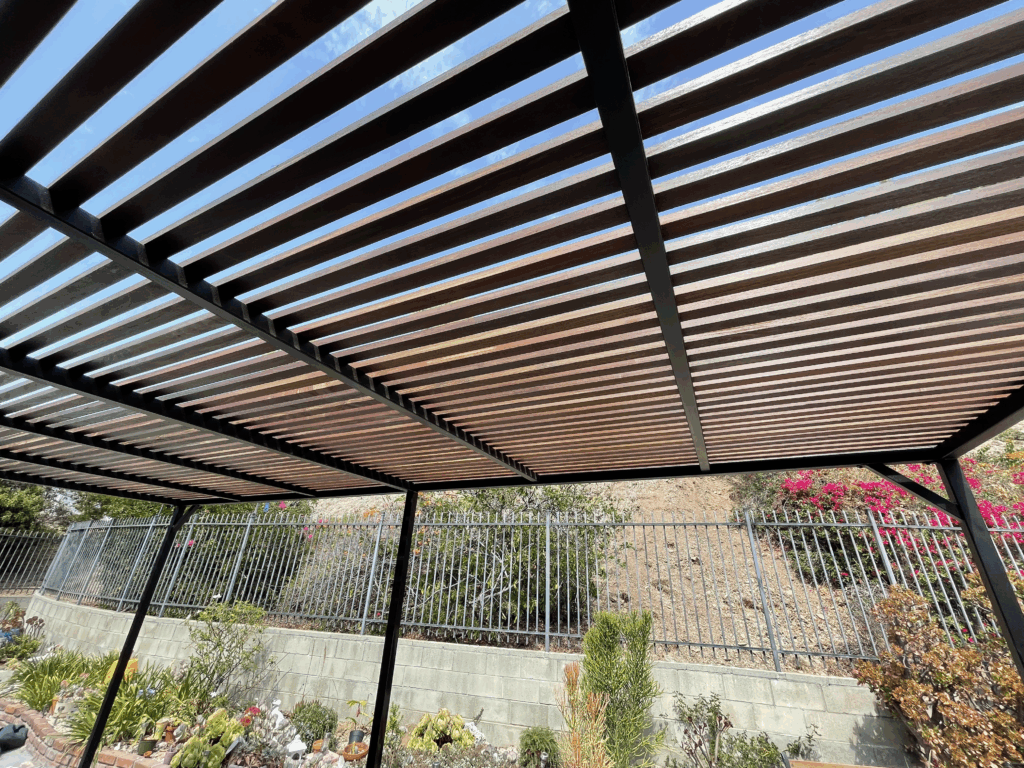
If you’ve ever looked at your backyard and thought, “This space has potential, but something’s missing,” chances are you were imagining a patio cover. And that’s exactly where patio cover contractors come in. These professionals transform plain outdoor areas into shaded, stylish, and functional extensions of your home that you can enjoy year-round. From reducing heat and sun exposure to creating a comfortable space for relaxing or entertaining, a well-designed patio cover can completely change how you use your outdoors.
However, hiring the right contractor isn’t just about choosing the first name you see online or the lowest price available. It’s about understanding what patio cover contractors actually do, how they plan and install structures safely, and why their experience makes a difference in durability and design. When done right, the result is a long-lasting upgrade that adds comfort, value, and visual appeal. Let’s break it all down in plain English.
What Are Patio Cover Contractors?
Definition and Role
Patio cover contractors are specialists who design and install patio covers, pergolas, and outdoor shade structures. Think of them as the architects and builders of your outdoor comfort zone. They don’t just put up a roof; they assess your space, recommend materials, handle permits, and ensure the structure is safe and long-lasting.
Why Specialized Contractors Matter
Could a general handyman do the job? Maybe. But patio covers deal with load-bearing structures, weather resistance, and local building codes. Specialized contractors understand these details inside out. It’s like going to a heart specialist instead of a general doctor when something really matters.
Types of Patio Covers Contractors Install
Aluminum Patio Covers
Aluminum is one of the most popular options today. Aluminum patio covers are lightweight, rust-resistant, and low-maintenance. They’re perfect if you want something modern and durable. The downside? They don’t always have the natural charm of wood, but modern finishes help bridge that gap.
Wood Patio Covers
Wood patio covers bring natural warmth, charm, and character to outdoor spaces, creating a welcoming and timeless feel. They are especially appealing to homeowners who want their patio to blend seamlessly with traditional, rustic, or nature-inspired home designs.
Natural Look vs Maintenance
Wood patio covers look stunning and add rich visual appeal, particularly in classic or rustic settings. However, they require regular staining, sealing, and occasional repairs. Patio cover contractors often recommend wood to homeowners who prioritize aesthetics and don’t mind ongoing maintenance.
Vinyl Patio Covers
Vinyl patio covers are a budget-friendly and low-maintenance option for busy homeowners. They resist rot, peeling, and insect damage, making them ideal for those who want a clean, polished look without the need for frequent upkeep or refinishing.
Insulated Patio Covers
Insulated patio covers help regulate temperature by reducing heat buildup, keeping outdoor spaces cooler in summer and more comfortable year-round. Contractors often suggest them for outdoor kitchens, dining areas, or patios frequently used for entertaining.
Louvered Patio Covers
Louvered patio covers offer adjustable shade and airflow, allowing you to control sunlight throughout the day. Their sleek, modern design makes them perfect for contemporary homes, providing flexibility, comfort, and a high-end outdoor living experience.
Benefits of Hiring Professional Patio Cover Contractors
Design Expertise
Patio cover contractors don’t just build structures; they design outdoor solutions that fit your home’s style and layout. They help you select materials, colors, and designs that complement modern, classic, or custom architecture while maximizing both function and visual appeal.
Code Compliance and Permits
Permits and inspections can be confusing and time-consuming for homeowners. Patio cover contractors handle the entire process for you, ensuring the structure meets local building codes, zoning rules, and safety standards, which saves time, reduces stress, and prevents legal issues.
Long-Term Durability
Professional contractors use high-quality materials, proper anchoring, and proven construction techniques to ensure durability. This results in a patio cover that can withstand strong winds, heavy rain, intense sun exposure, and daily wear for many years.
Time and Cost Efficiency
Mistakes during installation can quickly become expensive and frustrating. Experienced contractors complete the project efficiently and correctly the first time, helping you avoid delays, wasted materials, unexpected repairs, or costly rebuilds in the future.
Patio Cover Contractors vs DIY Installation
Cost Comparison
DIY patio cover projects may seem cheaper at first, but hidden expenses quickly add up. Tools, specialized materials, design errors, wasted supplies, and the value of your time can easily exceed the cost of hiring professional patio cover contractors from the start.
Safety and Structural Integrity
A poorly installed patio cover can pose serious safety risks, especially during strong winds or heavy rain. Professional contractors ensure proper anchoring, load support, and structural stability, creating a secure patio cover designed to last for years without compromising safety.
Warranty and Accountability
Most professional patio cover contractors provide warranties on materials and workmanship, offering peace of mind. If issues arise, you have a reliable point of contact. With DIY projects, repairs, replacements, and ongoing maintenance become entirely your responsibility.
How to Choose the Right Patio Cover Contractor
Licensing and Insurance
Always check that patio cover contractors have valid licenses and adequate insurance before hiring. A proper license shows they’re legally qualified and meet local building standards, while insurance protects you from liability if accidents or property damage occur during the project. This step offers peace of mind and legal safety.
Experience and Portfolio
Ask potential contractors to show examples of past projects and experience in building patio covers specifically. Reviewing a contractor’s portfolio helps you gauge the quality, style, and consistency of their work, ensuring they have relevant expertise and a history of successful installations before making your hiring decision.
Reviews and Testimonials
Checking online reviews and client testimonials gives insight into how contractors communicate, handle challenges, and treat homeowners throughout a project. Real feedback from past clients shows patterns of reliability, craftsmanship, and professionalism—and it can highlight red flags before you commit to hiring someone.
Written Estimates and Contracts
Always get a detailed, written estimate that outlines costs, materials, and timelines before work begins. A clear contract protects both you and the contractor by setting expectations, reducing misunderstandings, and providing a legal reference if disputes arise during the project.
Questions to Ask Patio Cover Contractors Before Hiring
Materials and Customization
Ask patio cover contractors what materials they recommend and why those options suit your space and climate. Customization matters more than many homeowners realize, as choices in materials, colors, finishes, and features directly affect durability, appearance, and how well the patio cover fits your lifestyle and home design.
Timeline and Project Management
Understanding the project timeline is essential before work begins. Ask how long the installation will take and who will oversee daily operations. Clear project management ensures smooth coordination, prevents delays, and keeps the work on schedule, allowing you to plan around construction with minimal disruption.
Maintenance and Warranty
Reputable contractors clearly explain how to maintain your patio cover and what the warranty covers. Knowing proper care routines and warranty terms helps protect your investment, ensures long-term performance, and gives peace of mind if repairs or adjustments are ever needed.
Patio Cover Design Ideas Contractors Can Help You Achieve
Modern Minimalist Patios
Modern minimalist patio designs focus on clean lines, neutral tones, and sleek materials like aluminum or composite finishes. Patio cover contractors help create uncluttered, stylish spaces that feel open and contemporary, perfect for homeowners who prefer a refined, low-maintenance outdoor aesthetic.
Traditional and Rustic Designs
Traditional and rustic patio covers emphasize natural textures, wood beams, and classic finishes that create warmth and character. Contractors carefully design these spaces to blend seamlessly with the home’s architecture, delivering a timeless outdoor area that feels inviting and rich in visual appeal.
Outdoor Living and Entertainment Spaces
From outdoor kitchens to cozy lounge areas, patio cover contractors design structures that support entertaining and everyday living. They consider lighting, airflow, and layout to create comfortable spaces ideal for hosting guests, dining outdoors, or relaxing with family year-round.
Cost of Hiring Patio Cover Contractors
Average Pricing Breakdown
Most patio covers range from a few thousand dollars for basic installations to higher-end prices for fully customized designs. The final cost depends on the size of the patio, material selection, design complexity, and any additional features included to enhance comfort and functionality.
Factors That Affect Cost
Several factors influence patio cover pricing, including material choice, labor costs, permit fees, and optional upgrades like lighting, insulation, or motorized louvers. Site conditions, customization level, and local building requirements can also impact the total investment needed for professional installation.
Is It Worth the Investment?
Yes, investing in a professionally built patio cover is often worthwhile. It enhances daily comfort, expands usable living space, and improves outdoor enjoyment. In addition, a well-designed patio cover can increase curb appeal and contribute positively to overall property value.
Common Mistakes to Avoid When Hiring Patio Cover Contractors
Choosing Based on Price Alone
Selecting a contractor based solely on the lowest price can lead to poor workmanship, low-quality materials, or unfinished projects. Cheaper options often result in costly repairs or replacements later, making it more expensive in the long run than hiring a qualified professional.
Ignoring Permits
Skipping required permits may seem convenient, but it can lead to fines, failed inspections, or even forced removal of the structure. Professional patio cover contractors ensure all permits are secured, keeping the project compliant with local building codes and regulations.
Skipping the Contract
Without a written contract, there is little protection if disputes arise. A detailed agreement outlines scope, costs, timelines, and responsibilities, helping both parties avoid misunderstandings and ensuring accountability throughout the project.
How Patio Cover Contractors Increase Home Value
Curb Appeal and Functionality
A professionally installed patio cover enhances curb appeal while making outdoor spaces more functional. It creates shaded areas for relaxation or entertainment, making the home more attractive and usable for everyday living and special gatherings alike.
Buyer Perception and ROI
Buyers value functional outdoor spaces, and a patio cover can positively influence purchasing decisions. It signals thoughtful home upgrades and often delivers a strong return on investment by increasing desirability, comfort, and perceived property value.
Maintenance Tips Recommended by Patio Cover Contractors
Cleaning and Care
Regular cleaning helps maintain the appearance and longevity of your patio cover. Removing dirt, debris, and buildup prevents staining and material wear, keeping the structure looking new and performing well over time.
Seasonal Inspections
Seasonal inspections help identify minor issues before they become costly problems. After heavy rain, strong winds, or extreme heat, checking connections, surfaces, and supports ensures the patio cover remains safe, stable, and structurally sound.
Finding Local Patio Cover Contractors Near You
Online Search Tips
Start by searching locally for patio cover contractors, reading customer reviews, and reviewing portfolios. Comparing multiple contractors helps you assess experience, design style, and professionalism before making a confident hiring decision.
Red Flags to Watch Out For
Avoid contractors who refuse written contracts, demand full payment upfront, lack proper licensing, or hesitate to provide references. These warning signs often indicate unreliable service and increase the risk of poor workmanship or unfinished projects.
FAQs
What do you call an enclosed patio?
An enclosed patio is commonly called a sunroom, patio enclosure, or screened-in patio. Fully enclosed structures with windows and insulation may also be referred to as four-season or three-season rooms.
How can you build a patio on a tight budget?
To build a patio on a tight budget, choose standard sizes, simple designs, and durable materials like aluminum. Avoid custom features, compare multiple quotes, and plan installation during off-peak seasons to reduce costs.
What is the cheapest patio option for homeowners?
The cheapest patio option is a basic concrete slab with a simple aluminum or fabric cover. This combination provides durability, shade, and low maintenance while keeping overall project costs manageable.
How long do patio covers usually last?
Most patio covers last 10 to 30 years, depending on material. Aluminum patio covers often last 20+ years with minimal maintenance, while wood covers may require frequent repairs and refinishing to reach similar lifespans.
Which is better for patio covers: vinyl or aluminum?
Aluminum patio covers are generally better than vinyl because they are stronger, more durable, and weather-resistant. Vinyl may cost less initially but can crack, fade, or warp over time, especially in extreme climates.
What are the most common DIY patio cover mistakes?
Common DIY patio cover mistakes include improper anchoring, incorrect measurements, ignoring permits, and underestimating wind loads. These errors can cause safety issues, failed inspections, and costly repairs later.

Ronnie is the CEO and Co-Founder of Globus Gates, bringing hands-on leadership and industry experience to the company’s aluminum gates, fences, patio covers, wall cladding, and exterior systems. His insights focus on helping homeowners, contractors, designers, and builders understand durable, modern, factory-direct, and non-combustible aluminum solutions built for long-term performance.