
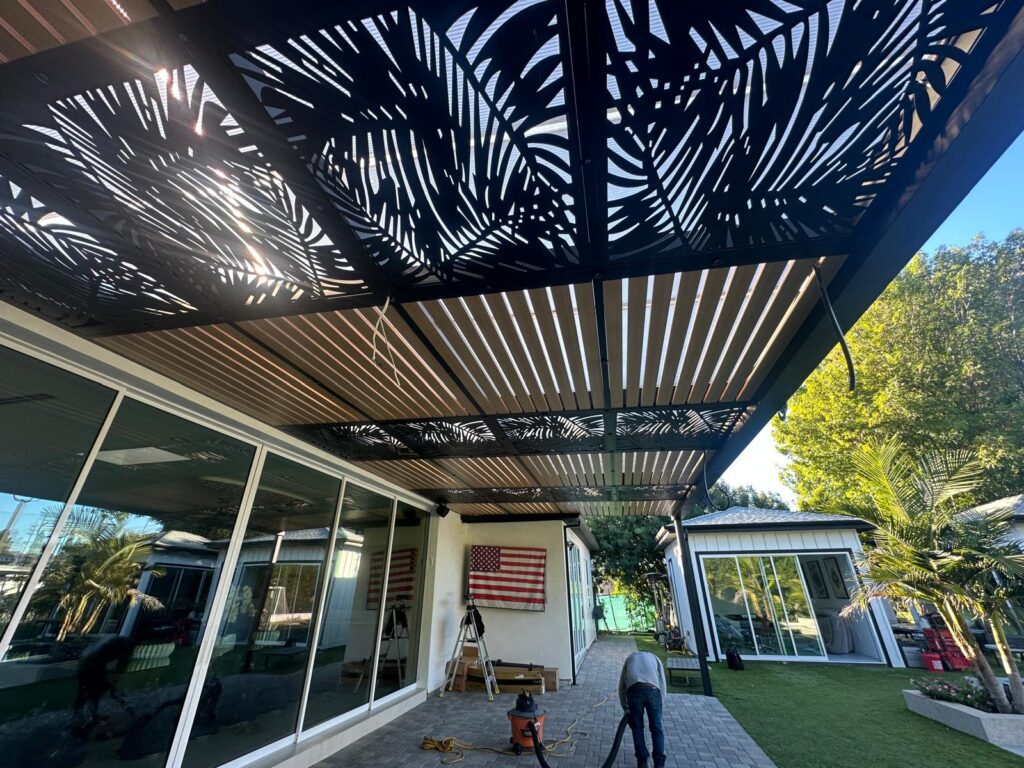
In California’s sun‑soaked climate, a backyard pergola patio cover isn’t just a luxury, it’s a key component of functional outdoor living. With abundant sunshine nearly year‑round and warm summer afternoons that beg for shaded comfort, pergola patio covers provide the perfect balance of shelter and openness. Whether you’re enhancing curb appeal, expanding usable living space, or boosting property value before a sale, the right structure can completely transform your outdoor environment. For homeowners and design professionals alike, understanding how pergolas integrate with architecture, foliage, lighting, and entertainment spaces is essential. This guide delivers expert insights tailored specifically to the California market, where performance, aesthetics, and longevity are critical. From choosing materials that withstand coastal salt air to navigating local building codes and maximizing energy efficiency, we cover every stage of planning and implementation. Whether you’re an architect, landscape designer, patio cover contractor, or outdoor living specialist, this guide is crafted to elevate outdoor design standards in the Golden State.
What Is a Backyard Pergola Patio Cover?
A backyard pergola patio cover is a thoughtfully engineered outdoor structure that blends the classic allure of a pergola with enhanced shading and weather protection, creating a multifunctional outdoor living space. Traditional pergolas feature open rafters that allow light and breeze to filter through, but modern pergola patio covers elevate this concept with integrated roofs or shade systems that defend against sun, heat, and light rain making them ideal for California’s diverse microclimates. These structures can be free‑standing in an open yard, attached to a home to extend interior spaces, or positioned over decks, poolside lounges, and outdoor dining areas. Because of their adaptability, they are popular choices for homeowners looking to create defined outdoor rooms without compromising aesthetics. Materials and design options vary widely, from minimalist aluminum frames with adjustable louvers to wood finishes that enhance landscape cohesion. Ultimately, pergola patio covers balance beauty and utility, redefining how outdoor spaces are used throughout the year.
Pergola patio covers can be free-standing or attached to a home, making them versatile for patios, decks, poolside lounges, and dining areas.
Why Pergola Patio Covers Are Perfect for California Homes
California’s diverse climate, from coastal breezes to inland heat, creates an ideal backdrop for pergola patio covers. Here’s why they’re particularly suited to the state:
1. Enhanced Outdoor Living Year-Round
With mild winters and extended summers, Californians spend more time enjoying their outdoor spaces than residents in most states. A pergola patio cover effectively extends living areas beyond interior walls, creating shaded retreats for dining, entertaining, and relaxation. Even during peak sun hours, covered pergolas provide comfort while maintaining an open, airy atmosphere.
2. Energy Efficiency
Pergola patio covers help reduce direct sunlight entering nearby windows and sliding doors, which can significantly lower indoor temperatures. By limiting solar heat gain, these structures ease the workload on air conditioning systems during warmer months. Over time, this passive shading strategy contributes to improved energy efficiency and reduced cooling costs for California homes.
3. Design Versatility
Pergola patio covers adapt effortlessly to California’s wide range of architectural styles. Whether paired with modern coastal homes, Spanish‑style residences, or minimalist contemporary designs, pergolas enhance visual cohesion. With customizable materials, finishes, and roof styles, they serve as both functional shade solutions and architectural focal points.
Key Design Types for Pergola Patio Covers
Not all pergola patio covers offer the same level of performance or aesthetic impact. Selecting the right design depends on climate exposure, intended use, and architectural goals. Below are the most common pergola patio cover types professionals recommend for California outdoor spaces.
Traditional Open-Lattice Pergolas
Traditional open‑lattice pergolas feature exposed beams and rafters that create filtered shade while maintaining an open, elegant appearance. They are ideal for homeowners prioritizing ambiance, architectural character, and natural airflow. This design works especially well in coastal or mild climates where full weather protection is not required.
Solid Roof Pergola Covers
Solid roof pergola covers provide complete protection from sun, rain, and harsh weather conditions. Often constructed with insulated panels or solid roofing materials, they are ideal for inland regions with extreme heat or seasonal rainfall. These pergolas create fully functional outdoor rooms suitable for year‑round use.
Adjustable Louvered Pergolas
Adjustable louvered pergolas offer maximum flexibility by allowing users to control sunlight, shade, and ventilation. Motorized louvers can be adjusted manually, remotely, or through smart-home systems, making them highly desirable in modern California homes. This design delivers comfort, technology, and premium outdoor functionality.
Top Materials for California Pergola Patio Covers
Selecting the right material affects longevity, maintenance, and climate performance:
Aluminum
- Durability: High wind and weather resistance
- Low maintenance: No rot or insect damage
- Modern look: Complements contemporary homes
- Long lifespan: 25+ years typical.
Wood (Cedar, Redwood)
- Natural aesthetics: Warm, classic design
- Moderate maintenance: Needs periodic sealing and staining
- Shorter lifespan: Compared to metal options
Vinyl or Composite
- Low maintenance: No painting or sealing
- Moderate durability: Benefits from coastal climate resistance
Planning & Installation Considerations
Attached vs. Freestanding
An attached pergola connects directly to the home, offering a seamless extension of indoor spaces and typically requiring permits due to structural integration. Freestanding pergolas, on the other hand, offer greater placement flexibility but often demand more substantial footings for stability. Choosing between these two depends on spatial layout, design goals, and local code requirements.
Orientation & Shade Strategy
Proper orientation is essential to maximize a pergola’s functionality. Position the beams or adjustable louvers in alignment with the sun’s path to provide consistent shade throughout the day. For California homes, an east‑west orientation can offer optimal morning and afternoon coverage, reducing harsh sun exposure during peak hours and creating a comfortable retreat at any time.
Permits & Building Codes
In many California municipalities, installing a pergolaespecially one with a solid roofrequires permits and adherence to strict building codes. These codes ensure safety, drainage compliance, and property line setbacks. To avoid delays, work with licensed contractors familiar with local regulations. Proper permitting helps prevent fines, inspection failures, or costly adjustments post‑installation.
Climate Compatibility
Given California’s climate diversity, material selection should reflect your regional environment. In coastal areas, choose rust-resistant metals like powder-coated aluminum or stainless steel to combat salt air corrosion. Inland regions benefit from high‑UV‑resistant coatings that prevent fading or warping. Using climate-appropriate materials ensures durability, long-term performance, and reduced maintenance needs.
Cost Breakdown (California Market Insights)
The cost of a pergola patio cover in California varies significantly based on material selection, square footage, structural complexity, permitting requirements, and regional labor rates. Urban and coastal areas generally command higher installation costs than inland regions. On average, professionally installed pergola patio covers range from $25 to $90 per square foot, with premium systems exceeding this range when advanced features are included.
Wood Pergolas
Wood pergolas typically cost between $25 and $45 per square foot installed, depending on wood species and finish. Pressure‑treated pine is more affordable, while cedar and redwoodpopular in Californiasit at the higher end of the range. While wood offers natural beauty and architectural warmth, ongoing maintenance such as sealing, staining, and potential repairs increases long‑term ownership costs.
Aluminum Pergolas
Aluminum pergola systems usually range from $40 to $70 per square foot installed. The higher upfront investment reflects material durability, engineered components, and powder‑coated finishes. Aluminum pergolas are highly resistant to corrosion, UV exposure, and warping, making them especially cost‑effective over time for coastal and inland California climates with minimal maintenance requirements.
Solid Roof Pergola Covers
Solid roof pergola covers are the most expensive option, typically costing $60 to $90+ per square foot installed. These systems often require engineered footings, insulation panels, drainage integration, and full permitting. Their higher price reflects increased labor, structural loads, and materials, but they deliver full sun and rain protection suitable for year‑round outdoor use.
Pro estimates typically range from $2,500–$15,000+, depending on customization, integration with home systems, and advanced features like motorized louvers or lighting.
Benefits for Home Value & Market Appeal
A well-designed pergola patio cover can:
- Increase usable square footage
- Enhance curb appeal
- Provide a functional outdoor entertainment space
- Improve energy efficiency
- Contribute to higher resale value
These features make pergola patio covers especially valuable in competitive California real estate markets.
Maintenance Tips for Longevity
Proper maintenance is essential to ensure a pergola patio cover performs well and retains its appearance over time. Aluminum pergolas require only occasional washing with mild soap and water to remove dirt and salt residue. Wood structures should be re‑sealed every two to three years to prevent moisture damage. Vinyl or composite materials benefit from non‑abrasive cleaning and routine inspections of fasteners and structural connections.
Regular inspection for fasteners and structural stability will prolong service life and preserve the looks.
FAQs
What are the best ways to cover an existing pergola?
The most effective ways to cover an existing pergola include installing aluminum panels, adjustable louvered roofs, polycarbonate sheets, retractable fabric canopies, or climbing plants. The best option depends on your budget, climate, and desired level of sun and rain protection.
How can I make my pergola rainproof?
To make a pergola rainproof, you can add solid roofing panels, a louvered roof system, or polycarbonate sheets with proper drainage. A professionally installed roof ensures effective water runoff and long-term durability.
What are the best climbing plants to cover a pergola naturally?
Popular climbing plants for pergolas include wisteria, bougainvillea, jasmine, grapevines, and climbing roses. These plants provide natural shade, visual appeal, and seasonal coverage.
Does adding a cover to a pergola reduce sun exposure?
Yes, adding a pergola cover significantly reduces sun exposure. Solid roofs, louvers, or fabric covers can block 50% to 100% of direct sunlight, depending on the material used.
Do pergolas with roofs require planning permission or permits?
In many areas, pergolas with solid roofs require permits. Requirements vary by location, size, and attachment to the home, so checking local regulations is essential.
What options are available for covering an existing pergola?
Covering options include aluminum panels, louvered roofs, polycarbonate sheets, retractable canopies, and shade sails. Custom solutions offer the best fit and performance.

Ronnie is the CEO and Co-Founder of Globus Gates, bringing hands-on leadership and industry experience to the company’s aluminum gates, fences, patio covers, wall cladding, and exterior systems. His insights focus on helping homeowners, contractors, designers, and builders understand durable, modern, factory-direct, and non-combustible aluminum solutions built for long-term performance.