

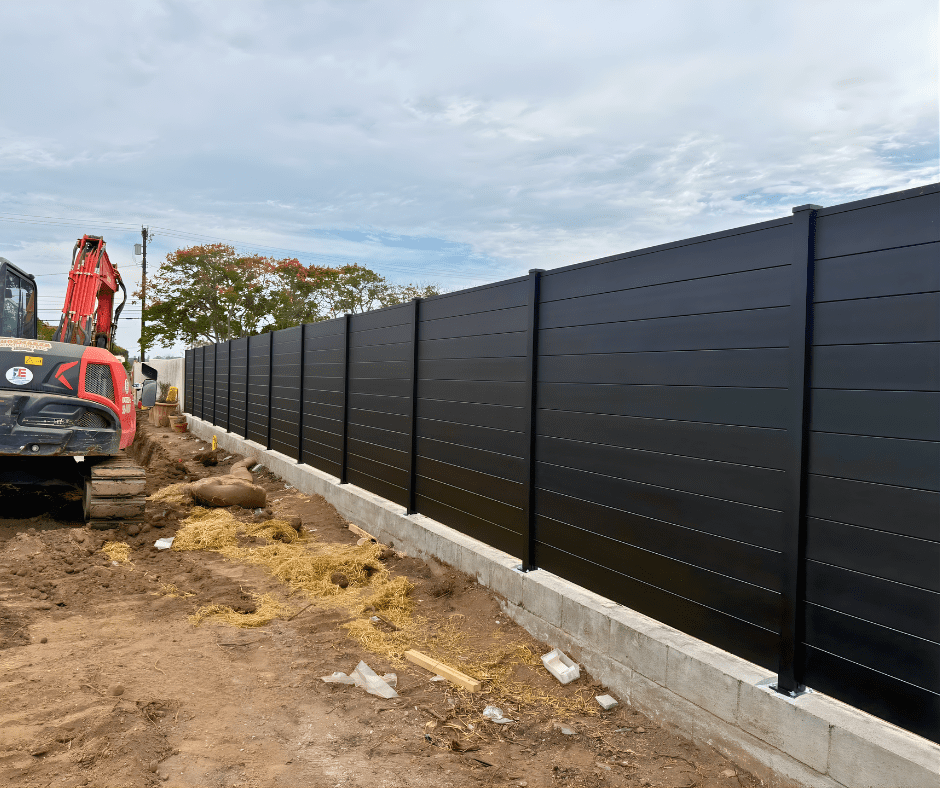
When homeowners look for fencing that combines durability, style, and minimal upkeep, one option consistently stands out: the powder-coated aluminum fence. Known for its clean appearance and resistance to weather damage, this type of fencing has become a popular choice for residential properties, pools, and perimeter security.
In this guide, we’ll explain what a powder-coated aluminum fence is, how it’s made, and why it’s considered one of the most reliable and low-maintenance fencing solutions available today.
What Is a Powder-Coated Aluminum Fence?
A powder-coated aluminum fence is an aluminum fencing system that has been finished with a dry powder coating instead of traditional liquid paint. The aluminum panels or pickets are electrically charged and coated with a fine powder, which is then cured under heat to form a smooth, durable finish.
Aluminum itself is lightweight, strong, and naturally resistant to rust. The powder coating adds an extra layer of protection, enhancing durability while also providing a uniform color and finish. This combination makes powder-coated aluminum fencing ideal for homeowners who want a fence that maintains its appearance without constant maintenance.
Unlike wood or steel fences, aluminum fences do not rot, warp, or corrode, making them especially well-suited for long-term outdoor use.
How the Powder Coating Process Works
The powder coating process is what sets this type of aluminum fencing apart from painted alternatives. First, the aluminum surface is thoroughly cleaned and pre-treated to ensure proper adhesion. Next, a dry powder—made of pigments and resins—is applied using an electrostatic charge, which allows the powder to cling evenly to the metal.
Once coated, the fence components are cured in an oven, where the powder melts and forms a hard, protective shell. This process creates a finish that is thicker, more consistent, and more durable than traditional paint.
An added advantage is that powder coating is environmentally friendly. It produces minimal waste, contains low or no VOCs, and doesn’t require solvents, making it a more sustainable finishing method.
Choosing the Right Swing Gate Opener
One of the biggest advantages of a powder-coated aluminum fence is its exceptional durability. The finish resists chipping, peeling, and cracking, even when exposed to harsh sunlight or changing temperatures.
Another major benefit is low maintenance. Unlike wood fences that require staining or steel fences that need rust protection, aluminum fences typically only need occasional cleaning with soap and water. The powder coating helps preserve color and finish for years.
Additionally, powder-coated aluminum fencing offers excellent corrosion resistance. This makes it a smart choice for coastal areas, humid climates, or locations with frequent rain where other materials may deteriorate quickly.
Key Benefits of a Powder-Coated Aluminum Fence
Automated swing gates can be powered in different ways depending on location and access to electricity.
Electric vs. Solar-Powered Swing Gate Systems
Wired electric systems provide consistent power and support additional accessories like cameras or lighting. Solar-powered systems are ideal for remote properties or areas without easy access to electricity and offer an energy-efficient alternative.
Regardless of the power source, installing a backup battery is highly recommended. This ensures the gate continues to function during power outages, maintaining access and security.
Powder-Coated Aluminum Fence vs Other Fence Materials
Compared to wood fencing, powder-coated aluminum requires far less upkeep and lasts significantly longer. Wood may offer a natural look, but it is vulnerable to rot, insects, and moisture damage.
When compared to steel fencing, aluminum is lighter and naturally rust-resistant. Steel fences can be strong but often require galvanizing or frequent maintenance to prevent corrosion.
Vinyl fencing is another low-maintenance option, but it can become brittle over time and may discolor in extreme weather. Powder-coated aluminum fencing offers a balance of strength, longevity, and aesthetic appeal that many homeowners find ideal.
Popular Styles and Color Options
Powder-coated aluminum fences are available in a wide range of styles to suit different architectural preferences. Traditional picket designs remain popular for front yards, while modern, flat-top or horizontal styles appeal to contemporary homes.
Color options typically include black, bronze, white, and custom finishes. The powder coating ensures the color remains consistent and fade-resistant, even with prolonged sun exposure. This versatility allows homeowners to choose a fence that complements their home’s exterior and landscape design.
How Long Does a Powder-Coated Aluminum Fence Last?
A high-quality powder-coated aluminum fence can last 20 to 30 years or more with minimal maintenance. Its lifespan depends on factors such as installation quality, environmental conditions, and the thickness of the coating.
Because aluminum does not rust and the powder coating protects against UV damage and moisture, these fences tend to outperform many other materials over time. This long lifespan makes them a cost-effective choice despite a slightly higher upfront cost than some alternatives.
Is a Powder-Coated Aluminum Fence Worth It?
For homeowners looking for a long-term, low-maintenance fencing solution, a powder-coated aluminum fence is often well worth the investment. It delivers durability, safety, and visual appeal without the recurring maintenance costs associated with wood or steel fences.
This type of fencing is especially well-suited for residential yards, pool enclosures, and perimeter fencing where appearance and longevity are equally important. Over time, the reduced maintenance and extended lifespan often offset the initial installation cost.
FAQs
Does a powder-coated aluminum fence rust?
How long does a powder-coated aluminum fence last?
Does the color fade over time?
Is powder-coated aluminum fencing low maintenance?
Is a powder-coated aluminum fence safe for pools?
Can powder-coated aluminum fences be customized?
How does aluminum fencing perform in coastal or humid areas?
Is powder-coated aluminum fencing environmentally friendly?
Ronnie is the CEO and Co-Founder of Globus Gates, bringing hands-on leadership and industry experience to the company’s aluminum gates, fences, patio covers, wall cladding, and exterior systems. His insights focus on helping homeowners, contractors, designers, and builders understand durable, modern, factory-direct, and non-combustible aluminum solutions built for long-term performance.