

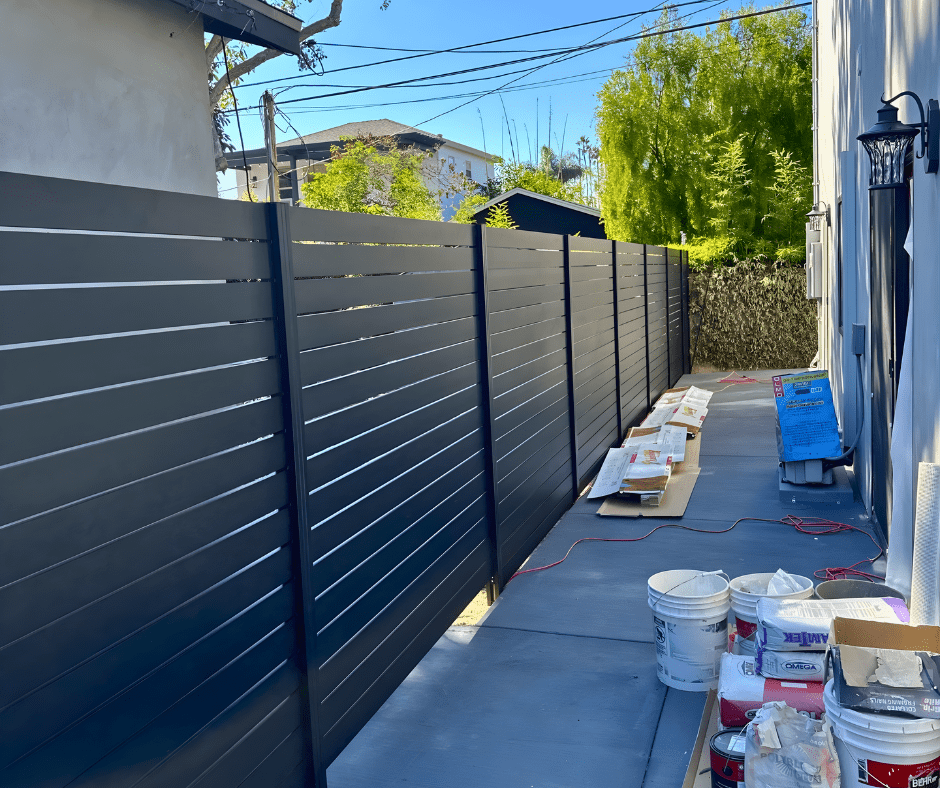
Aluminum fencing is a reliable and attractive option for homeowners who want long-term performance without the constant upkeep required by wood or steel. Its resistance to rust, corrosion, and insect damage makes it especially appealing in regions with changing weather conditions. However, even with these advantages, the maintenance of aluminum fences should not be ignored. Seasonal care ensures the fence continues to look good, operate properly, and remain structurally sound for years to come.
Seasonal maintenance does not involve complicated tools or extensive labor. Instead, it focuses on simple inspections and light cleaning tailored to the environmental challenges each season brings. From winter moisture and freezing temperatures to summer heat and increased outdoor activity, each season affects aluminum fencing differently. Understanding how to address these changes helps homeowners protect their investment while keeping maintenance manageable and efficient.
Why Seasonal Maintenance of Aluminum Fences Is Important
Seasonal maintenance is essential because outdoor structures are constantly exposed to environmental stress. Even though aluminum fences are designed for durability, changes in temperature, soil conditions, and weather patterns can slowly affect hardware, alignment, and surface appearance. Over time, small issues such as loose fasteners or trapped debris can develop into larger concerns if they are not addressed early.
Routine seasonal maintenance also ensures that the fence continues to perform as intended. Gates must open and close smoothly, posts should remain level, and panels need to stay securely fastened. Regular care allows homeowners to maintain safety and functionality while preserving the fence’s clean, modern look.
Preventing Minor Issues From Becoming Major Repairs
Small problems are often easy to fix when caught early. A slightly loose hinge or minor post movement can be corrected quickly, but if ignored, these issues may worsen and require more extensive repairs. Seasonal inspections reduce long-term costs by addressing these concerns before they escalate.
Preserving the Fence’s Finish and Structural Stability
Aluminum fences rely on powder-coated finishes to protect against corrosion and fading. Seasonal maintenance helps preserve this coating by removing dirt, debris, and contaminants that can wear it down over time. Maintaining the finish also contributes to the overall strength and lifespan of the fence.
Spring Maintenance for Aluminum Fences
Spring is one of the most important seasons for aluminum fence maintenance because it follows months of cold temperatures, moisture, and potential ground movement. During winter, freeze-thaw cycles can cause subtle shifts in posts or loosen hardware, particularly around gates and high-traffic areas. Inspecting the fence in early spring helps identify these changes before they affect stability or alignment.
Spring is also an ideal time to restore the fence’s appearance after winter exposure. Dirt, road salt residue, and debris can accumulate on aluminum surfaces and dull the finish if left untreated. Light cleaning removes this buildup and prepares the fence for the months ahead.
Inspecting Posts, Panels, and Hardware After Winter
A thorough inspection involves walking the fence line and checking posts for signs of movement or leaning. Panels should be examined for looseness, and all fasteners should be tightened if needed. Gates deserve extra attention, as they are more prone to alignment issues after winter.
Cleaning Aluminum Fences to Remove Winter Residue
Cleaning should be gentle but effective. Mild soap mixed with water and applied using a soft cloth or sponge is usually sufficient. This process removes salt, dirt, and grime without damaging the protective coating, helping the fence regain its original appearance.
Summer Aluminum Fence Maintenance
Summer exposes aluminum fences to higher temperatures, direct sunlight, and increased activity. While aluminum performs well in heat, environmental buildup such as pollen, dust, and lawn debris can accumulate quickly. Routine care during summer helps prevent discoloration and keeps the fence looking clean.
This season also places greater stress on gates and frequently used sections of fencing. More frequent opening and closing can gradually affect hinges and latches if not monitored. Addressing these areas ensures smooth operation throughout the season.
Managing Sun Exposure and Surface Buildup
Although aluminum resists UV damage, occasional rinsing helps remove surface buildup caused by dust and pollen. This simple step preserves the fence’s finish and prevents dulling caused by prolonged exposure to debris.
Maintaining Gates and High-Use Fence Areas
Checking gate alignment and tightening hardware ensures consistent performance. Summer is also a good time to trim back landscaping that may rub against the fence, preventing unnecessary wear on panels and posts.
Fall Maintenance: Preparing Aluminum Fences for Cold Weather
Fall maintenance focuses on preparation and prevention. As leaves fall and organic debris accumulates, aluminum fences can trap moisture along their base or between pickets. While aluminum will not rot, prolonged moisture exposure can stain the finish and place stress on fence posts.
Preparing the fence during fall helps reduce the impact of winter weather. Addressing minor adjustments before temperatures drop ensures the fence remains stable during freeze-thaw cycles.
Removing Leaves and Organic Debris
Clearing debris from around the fence allows proper drainage and prevents moisture buildup. This step also keeps the fence visually clean and reduces the risk of staining caused by decomposing organic matter.
Securing Hardware and Fence Alignment
Tightening fasteners and confirming alignment ensures panels and gates remain secure during winter. These adjustments help prevent shifting caused by frozen ground or snow accumulation.
Winter Aluminum Fence Care Tips
Aluminum fencing performs exceptionally well in winter due to its resistance to rust and corrosion. Its powder-coated finish adds further protection against moisture and ice. As a result, winter maintenance is minimal compared to other fencing materials.
The main goal during winter is to avoid actions that could place unnecessary stress on the fence. Being mindful of snow removal practices helps preserve alignment and finish.
How Aluminum Fences Withstand Snow and Ice
Aluminum does not absorb moisture, making it ideal for cold climates. Snow and ice typically do not affect its structural integrity, provided the fence is not subjected to excessive pressure.
Safe Snow Removal Practices Around Fences
Snow should not be piled directly against the fence for long periods. When clearing snow nearby, plastic tools are recommended to prevent scratches. Ice should be allowed to melt naturally rather than being forcibly removed.
Common Aluminum Fence Maintenance Mistakes to Avoid
Even with low-maintenance materials like aluminum, improper care can shorten a fence’s lifespan. Many issues arise from using incorrect cleaning methods or neglecting surrounding areas.
Understanding what to avoid is just as important as knowing proper maintenance techniques.
Avoiding Harsh Cleaners and Aggressive Washing
Strong chemicals and abrasive tools can damage the powder-coated finish. High-pressure washing should be avoided or used cautiously, as excessive force can wear down protective coatings.
Keeping Landscaping From Damaging the Fence
Plants and vines that grow too close can rub against the fence and trap moisture. Keeping landscaping trimmed ensures airflow and prevents unnecessary stress on panels and posts.
FAQs
How often should aluminum fences be maintained?
Do aluminum fences rust over time?
What is the safest way to clean an aluminum fence?
Can aluminum fences handle extreme weather conditions?
Is pressure washing aluminum fencing recommended?
Will aluminum fencing fade in direct sunlight?
How long does an aluminum fence typically last?
Is aluminum fencing truly low-maintenance compared to other materials?

Ronnie is the CEO and Co-Founder of Globus Gates, bringing hands-on leadership and industry experience to the company’s aluminum gates, fences, patio covers, wall cladding, and exterior systems. His insights focus on helping homeowners, contractors, designers, and builders understand durable, modern, factory-direct, and non-combustible aluminum solutions built for long-term performance.