
Architect-Approved Pergolas Designs in Palo Alto
Palo Alto outdoor spaces tend to be design-forward: clean landscaping, intentional hardscapes, and patios that function like an extra room for dining, lounging, and entertaining. Architect-approved pergola designs fit that lifestyle because they aren’t just “something for shade”—they’re proportioned to the home, aligned to sightlines, and built around how people actually move through the yard. Whether your property leans modern, California contemporary, or a warmer transitional style, the right pergola can add structure without closing the space in, creating a defined area for a table, seating set, or outdoor kitchen. In this guide, we’ll break down what makes a pergola feel architecturally correct in Palo Alto—materials, spacing, finishes, and layout choices that look intentional and hold up over time.
Table of Contents
What “architect-approved” really means for pergola design in Palo Alto
In Palo Alto, “architect-approved” isn’t a buzzword, it usually signals that the pergola was designed with the same discipline as the home itself: strong proportions, clean alignment, and a structure that looks like it belongs on the property rather than being dropped in as an afterthought. That starts with scale (height, span, beam thickness) and continues through placement, where the pergola should reinforce how the yard is used, outdoor dining, a lounge zone, poolside shade, or an outdoor kitchen, without blocking circulation or natural light. An architect-approved pergola also considers the home’s geometry and materials, so rooflines, window heads, and exterior trim details feel visually connected to the new shade structure. The end result is a pergola that adds value because it reads as permanent architecture, not seasonal patio furniture.
Proportions, rhythm, and sightlines (the details most people miss)
A pergola looks “right” when its posts and beams have enough visual weight for the span, and when the spacing creates a consistent rhythm that your eye reads as intentional. Architects often align pergola edges with major exterior features, like door openings, window grids, or the lines of a patio slab, so the structure feels integrated with the home’s facade. Sightlines matter just as much: a pergola should frame views toward a garden or focal point, not cut across them, and it shouldn’t create awkward half-shaded zones that make the patio feel cramped. In many Palo Alto backyards, subtle shifts, moving a post a few inches to align with a slider edge or widening a bay to center over a dining table, are the difference between “nice” and truly design-forward.
Functional planning: shade coverage, wind, and everyday use
Architect-led pergola planning starts with how the space will be used at peak times, midday sun, afternoon heat, evening entertaining, then designs the shade footprint accordingly. That includes deciding whether you need partial shade (classic slatted pergola), adjustable shade (louvered pergola), or a more weather-protective solution that still feels open and modern. Wind and microclimate also play a role: the structure needs to feel stable, avoid excessive movement, and place shade where people actually sit rather than where it only looks good in photos. When function drives the layout, table size, walking clearance, grill ventilation, lighting zones, the pergola becomes an outdoor living upgrade that’s comfortable every day, not just visually impressive.
Our Products
Best pergola styles for Palo Alto homes (modern, transitional, and classic)
Palo Alto architecture spans ultra-modern new builds, mid-century influences, and classic California homes with updated interiors, so the “best” pergola style is the one that reinforces the home’s identity while improving how the backyard functions. A well-chosen pergola should feel like a natural extension of the facade and hardscape, connecting indoor-outdoor living without visually cluttering the yard. Style also affects performance: open-slat pergolas provide filtered light, while more engineered systems like louvered pergolas offer adjustable shade that can better match how the sun moves across a patio. When you choose a style based on both aesthetics and daily use, dining, lounging, pool deck, outdoor kitchen, you get a structure that looks intentional and earns its footprint.
Modern flat-roof lines and minimalist profiles
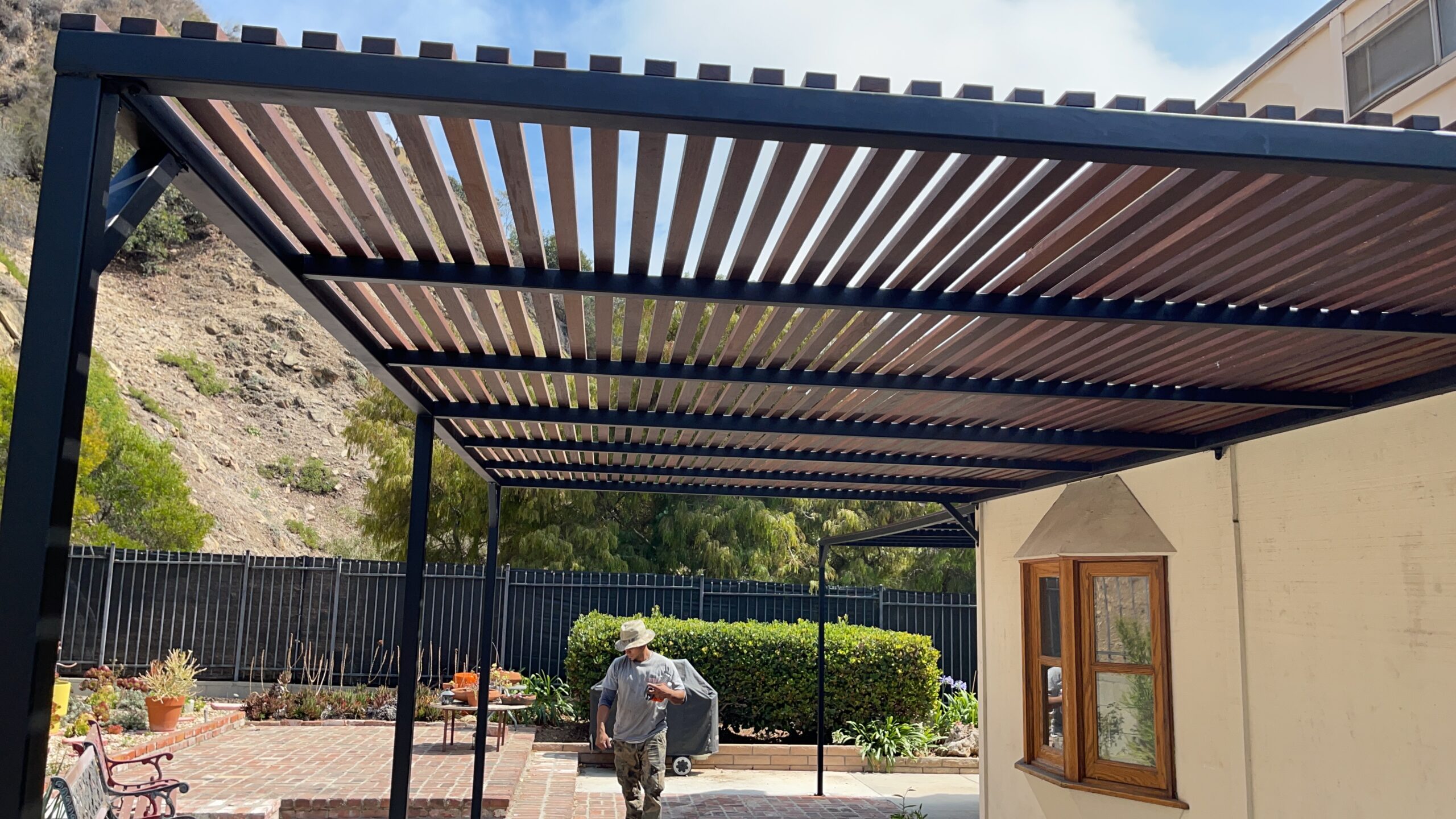
Modern pergola design typically relies on simple geometry: squared posts, straight beams, and clean corners with minimal ornamentation. This style pairs especially well with contemporary Palo Alto homes because it echoes strong horizontal lines, large openings, and uncluttered exterior palettes. To make it feel truly “architect-approved,” keep the details consistent, uniform post dimensions, concealed fasteners where possible, and a finish that ties into window frames, railings, or exterior metal accents. Many homeowners also prefer this approach because it photographs beautifully while still providing real shade when the slat spacing and orientation are planned around sun angles.
Transitional designs that soften the look without losing structure
Transitional pergolas bridge modern and classic by keeping the structure clean, but adding warmth through material choices, texture, and slightly heavier proportions. A common strategy is pairing modern geometry with warmer tones, either natural-looking finishes or wood-like elements, so the pergola complements traditional landscaping and older home facades without feeling dated. This style works well when the house has classic cues (trim, stucco texture, a more traditional roofline) but the outdoor space is being updated with modern pavers, lighting, and furnishings. In Palo Alto backyards where the goal is “elevated but not stark,” transitional pergola ideas often deliver the most timeless result because they feel current while still welcoming.
Materials that architects specify most (wood, aluminum, and hybrid builds)
Material choice is where an architect-approved pergola starts to separate itself from a basic backyard structure, because it affects proportion, longevity, and how “finished” the pergola looks next to a Palo Alto home. Wood pergolas can feel warm and timeless, especially with clean joinery and a stain that matches existing exterior tones, but they require ongoing sealing and careful detailing to reduce checking, warping, and discoloration. Aluminum pergolas deliver a crisp modern look with minimal maintenance, consistent straight lines, and finishes that stay uniform, which is a big reason they’re popular for contemporary properties and design-forward remodels. Hybrid approaches can work well too, such as an aluminum structure with wood accents, because they balance durability with warmth while keeping the overall design disciplined and intentional.
Shade control options: open slats, canopies, and louvered pergolas
The “right” shade strategy depends on how you use the patio during Palo Alto’s sunniest hours and whether you want filtered light or true coverage. Traditional open-slat pergolas create a comfortable dappled shade and keep the yard feeling open, but they can still allow significant sun through depending on slat spacing and orientation. Retractable canopies add flexible shade for dining and lounging, and they can be a smart fit when you want a lighter visual profile without committing to a more complex system. Louvered pergolas are the most adjustable option because you can change the blade angle to control sun and airflow, which makes them ideal for outdoor living zones that get used throughout the day and across seasons.
Details that make a pergola feel custom (lighting, drainage, and built-ins)
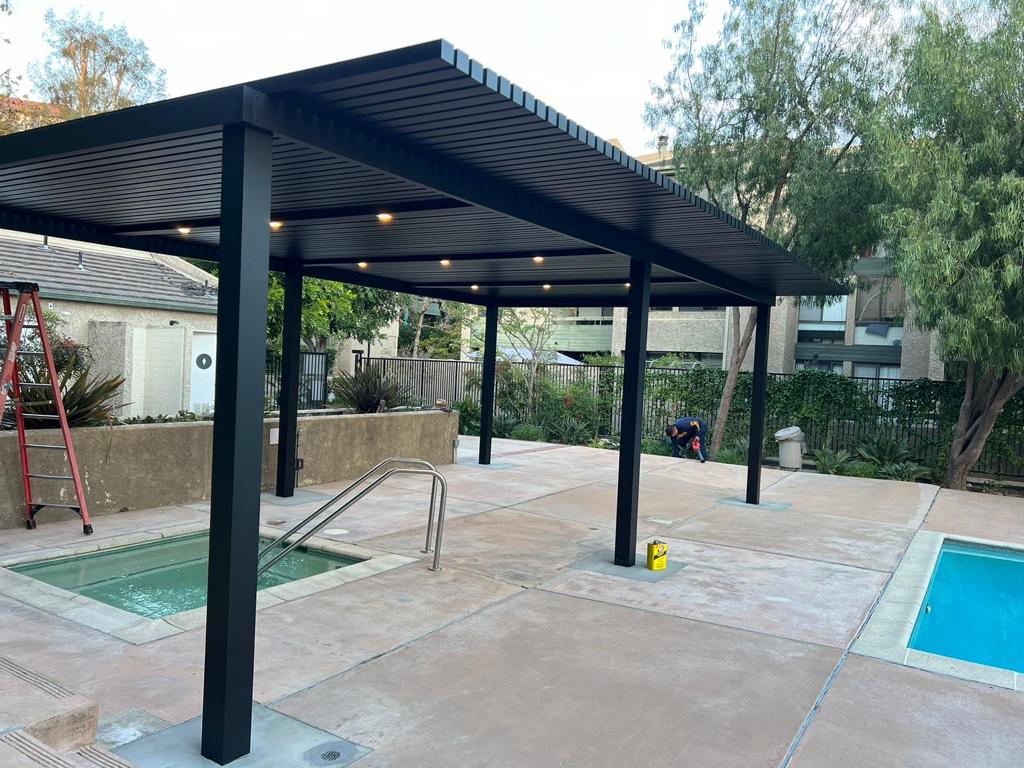
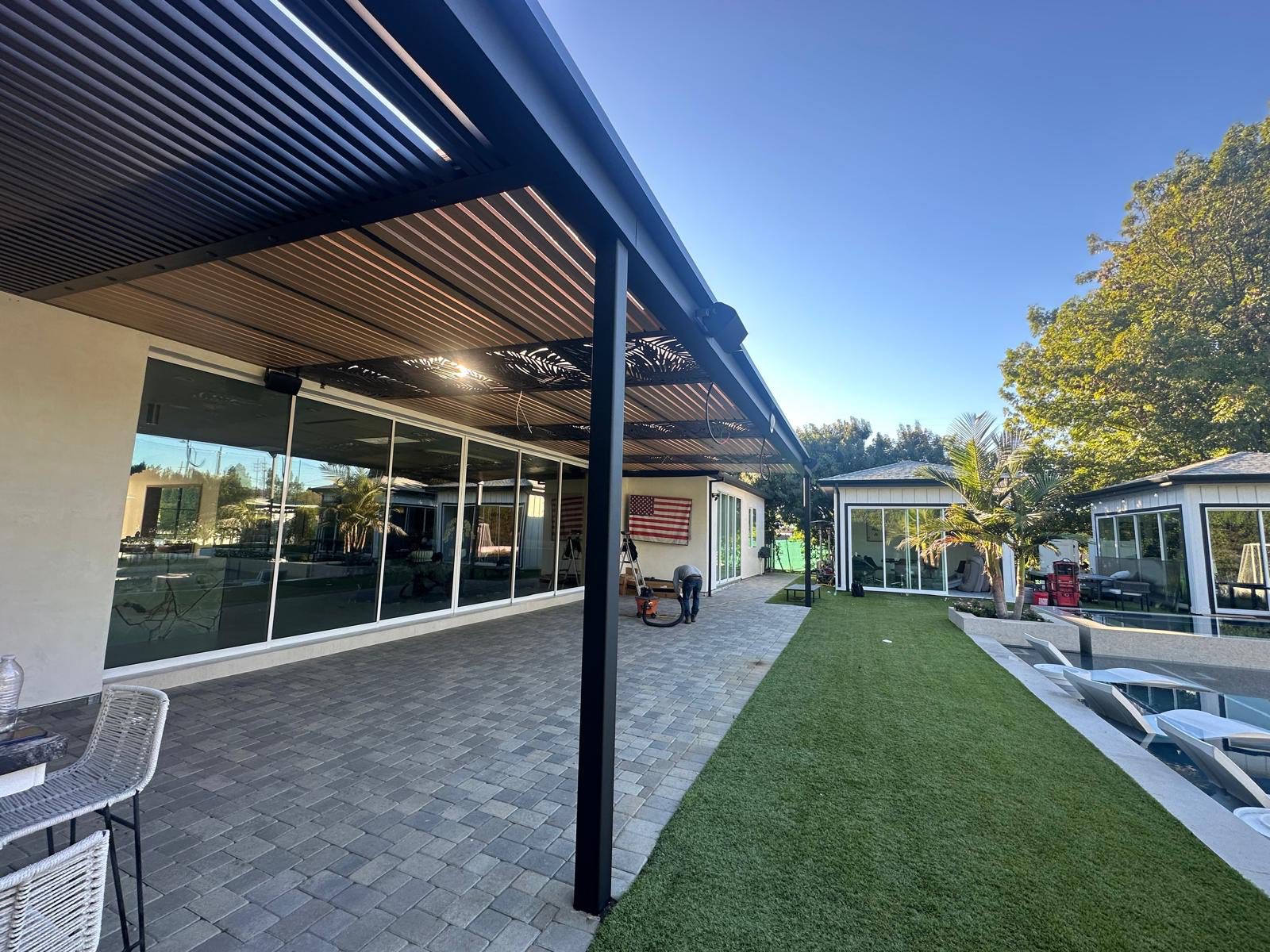
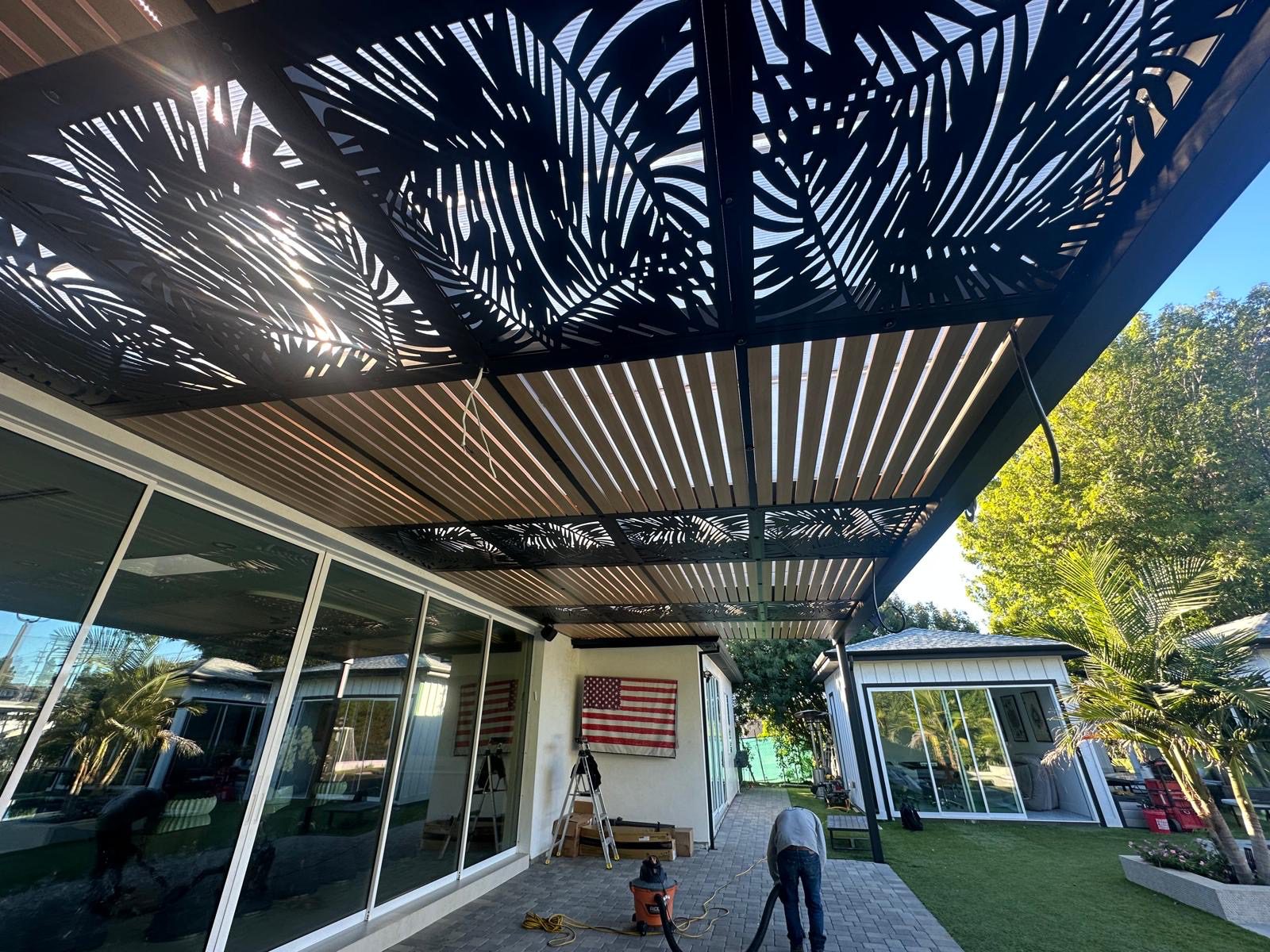
A pergola looks architect-approved when the details are integrated rather than added later, especially for lighting and electrical planning. Recessed or low-profile lighting, clean conduit routes, and thoughtfully placed outlets can make the space feel like a true outdoor room for dining and entertaining instead of a temporary setup. If you are using a more weather-protective configuration, planning for water management matters too, since visible runoff points or awkward slopes can cheapen the final appearance. Built-ins like a privacy screen, an outdoor kitchen boundary, or a seating wall aligned with the pergola posts can also elevate the design by making the structure part of a complete outdoor layout, not a standalone feature.
Placement and sizing: making the pergola feel like part of the house
In Palo Alto, the most successful pergolas feel “anchored” to the architecture and hardscape, not floating randomly in the yard. That starts with placement: the pergola should align with the main indoor-outdoor connection points, such as a sliding door, kitchen access, or the most-used patio door, so it naturally becomes the default gathering zone. Sizing matters just as much; if the pergola is undersized, furniture will spill outside the shade footprint, and if it’s oversized, it can visually dominate the backyard and reduce openness. When the structure is proportioned to the patio and scaled to the home’s facade, the finished space reads like an intentional outdoor room rather than a bolt-on shade feature.
Product Categories
At Globus Gates, we offer a diverse selection of high-end exterior products designed to enhance the beauty, functionality, and value of your property. Our curated product categories include everything from sleek modern gates to durable vinyl fences and architectural wall cladding solutions. Each item is crafted with premium materials and engineered for long-lasting performance in all climates.
Whether you’re looking to secure your property, add privacy, or elevate your home’s design, we have tailored options to fit every style—from contemporary and minimalist to traditional and ornate. Our team of experts is here to help you select the perfect combination of materials, finishes, and designs to match your vision.
Browse through our product categories to find standout solutions.

Reviews
Dining vs lounge zones: designing around how you actually live
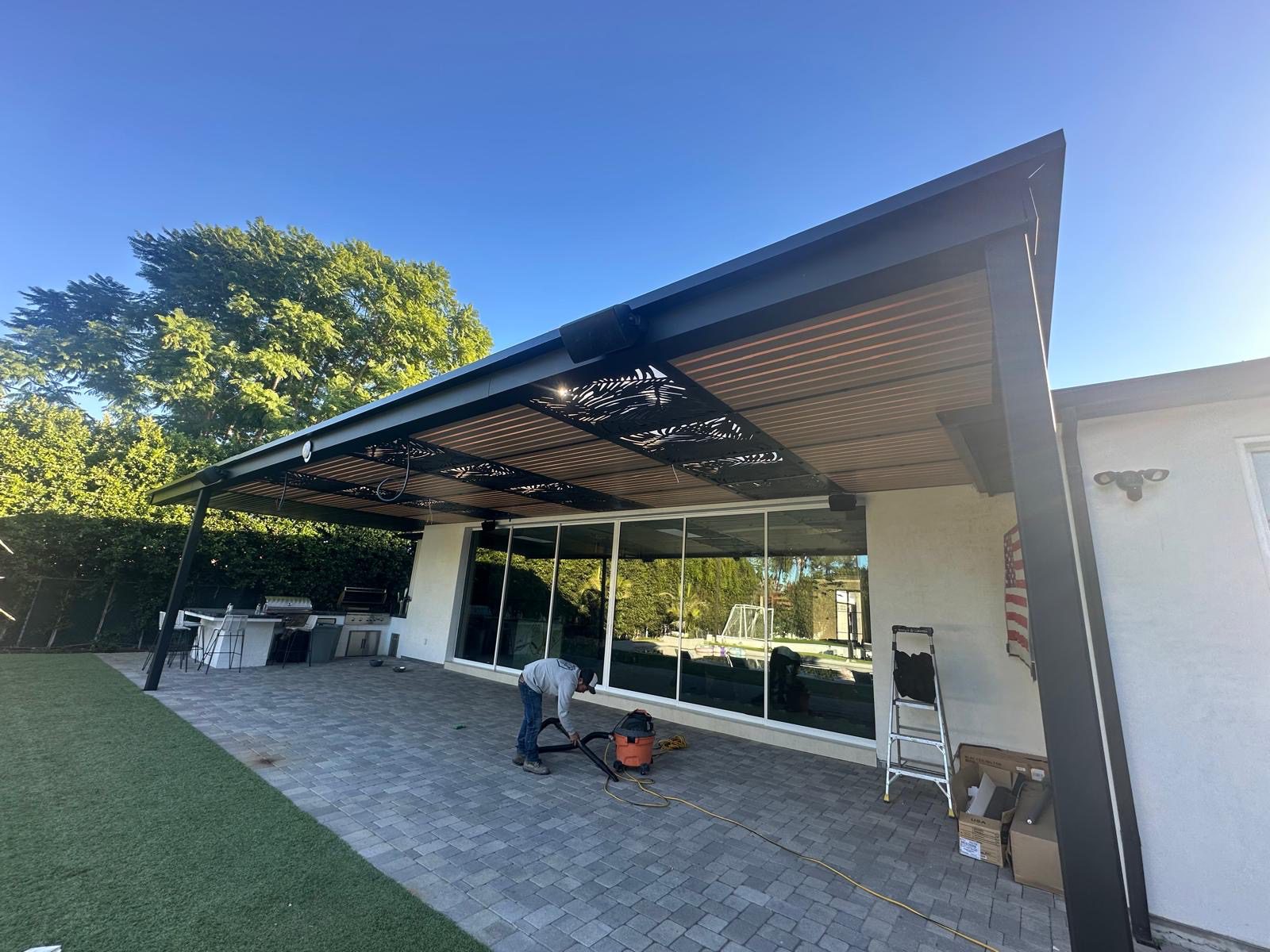
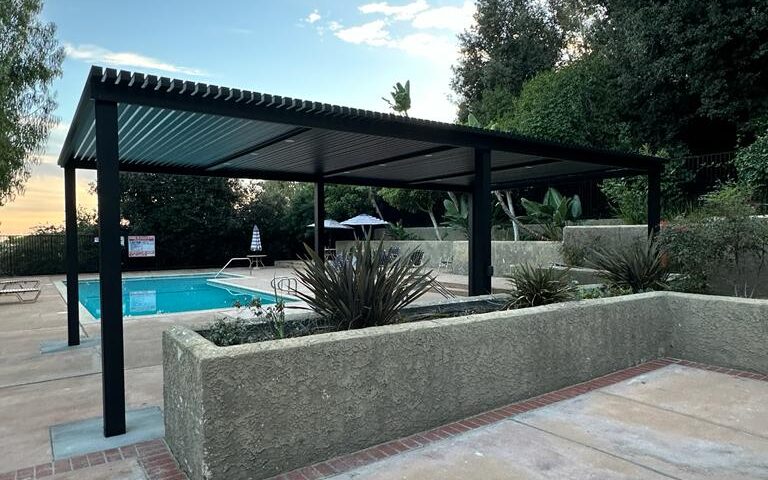
Architect-approved layouts usually begin with a use case: outdoor dining, a lounge set, a fire feature, or an outdoor kitchen, then the pergola footprint is designed around real furniture dimensions and walking clearances. A dining zone typically needs enough covered area to pull chairs out comfortably, circulate around the table, and still keep the main seating area in consistent shade during peak sun. Lounge zones often benefit from a slightly larger footprint because sofas and sectionals sprawl, and people tend to shift around based on sun angle throughout the afternoon. By planning the pergola around how you will occupy the space, you avoid the common mistake of building a pergola that looks nice but does not shade where people sit.
Orientation, sun path, and privacy in Palo Alto backyards
Pergola orientation should respond to the direction your yard faces and how the sun moves across the patio during the hours you actually use it. Slat direction and spacing can be tuned to block harsher angles while still letting in light, and adjustable louvers make this even easier when the yard gets intense sun in the late afternoon. Privacy is another common Palo Alto concern, especially with close neighboring windows or second-story sightlines, and a pergola can help by supporting screens, slatted walls, or strategically placed greenery. When shade and privacy are solved together, the backyard feels calmer and more usable, and the pergola becomes part of a broader outdoor living strategy rather than a single-purpose structure.
Budget and cost factors for architect-approved pergolas in Palo Alto
Pergola pricing in Palo Alto varies widely because “architect-approved” typically implies more than a basic structure; it often includes custom proportions, premium finishes, integrated lighting, and a build that’s engineered to feel permanent. The total cost is influenced by the pergola’s footprint, material choice, and complexity, plus site conditions like existing hardscape, access to the backyard, and whether footings need to be cut into concrete. If you want to budget realistically, think in terms of priorities: the structure and finish first, then comfort and convenience upgrades like shade control and lighting. A well-designed pergola costs more upfront, but it tends to deliver better long-term value because it looks intentional, performs better through the seasons, and reduces the chance you will want to rebuild or significantly modify it later.
What drives cost the most: size, materials, and shade systems
Size is an obvious driver, but complexity is often the bigger multiplier. A simple open-slat pergola in a standard footprint will typically cost less than a louvered pergola system, especially when you add motorization, controls, and any weather-sensing features. Materials also shift the budget significantly: wood can be cost-effective initially but may require more ongoing maintenance, while aluminum and premium systems can cost more upfront but often reduce upkeep and keep a cleaner aesthetic long-term. Site work can also be a major factor; if the project requires new footings, drainage adjustments, electrical runs for lighting or motorized louvers, or modifications to a patio slab, those items can move the total more than many homeowners expect.
Value upgrades that feel “architect-level” without wasting money
If you want the finished result to look high-end, allocate budget to the details that you cannot easily retrofit later. Integrated electrical planning for lighting and a ceiling fan, clean post base detailing, and a durable finish that stays consistent are often smarter investments than decorative extras. Thoughtful shade control is another high-value upgrade; even if you skip full louvers, a well-designed canopy or optimized slat spacing can dramatically improve comfort and make the pergola usable during the hottest hours. Finally, the best value often comes from designing the pergola as part of a complete outdoor layout, so the structure aligns with furniture zones, walk paths, and landscaping rather than standing alone as an isolated feature.
At Globus Gates, our products are thoughtfully engineered to meet the highest standards of design, durability, and functionality. We don’t just offer generic materials — we deliver complete solutions for luxury homes and upscale commercial spaces that demand lasting quality and architectural beauty. From precision-cut aluminum gates and wall cladding panels to modern pergolas, custom fences, and secure garage doors, each product is created to perform in demanding environments while maintaining a clean, refined look. Whether you need privacy, protection, aesthetic enhancement, or a combination of all three, our product line is designed to meet your goals with precision and style. With advanced finishes, customizable configurations, and expert consultation, we ensure that every product fits seamlessly into your property’s design vision and structural needs.





Projects
Beyond repairs and installations, our services also include expert consultations, site assessments, and custom design planning for residential and commercial properties. Whether you’re building from scratch, replacing outdated fencing, or integrating modern elements like automated gate systems or weatherproof finishes, we take a hands-on approach to ensure your project aligns with your vision. Our team works closely with architects, builders, and property managers to address both functional requirements and aesthetic goals, offering scalable solutions for large estates, multi-family developments, and high-traffic commercial zones. We don’t just build — we collaborate, advise, and deliver with unmatched precision.





Final Thoughts
An architect-approved pergola in Palo Alto should feel like a natural extension of the home, not a decorative add-on. When you get the proportions, placement, and material selection right, the pergola improves comfort and usability while elevating the entire backyard with clean structure and intentional shade. Focus first on design fundamentals and durable construction, then add the upgrades that matter most for your lifestyle, like adjustable shade and integrated lighting, so the finished space performs as well as it looks.
Frequently Asked Questions
What makes a pergola “architect-approved” compared to a standard pergola?
Architect-approved usually means the design is proportioned to the home, aligned to key facade and hardscape lines, and planned around real use cases like dining or lounging. It also tends to include better detailing, cleaner finishes, and a more permanent structural approach. The result looks integrated with the property instead of looking like an off-the-shelf kit.
Are aluminum pergolas better than wood pergolas in Palo Alto?
Aluminum pergolas are often better for low maintenance, crisp modern lines, and consistent long-term appearance. Wood pergolas can look warmer and more traditional, but they typically require more upkeep to keep the finish looking fresh and to minimize warping or checking. The best choice depends on your home’s style and how much maintenance you want to take on.
Should I choose an open-slat pergola or a louvered pergola?
Open-slat pergolas provide filtered light and a classic pergola feel, but they may not block enough sun at certain times of day. Louvered pergolas offer adjustable shade and can make the space more usable across more hours and seasons, especially on hotter exposures. If comfort and flexibility are priorities, louvers are often the stronger solution.
How do I size a pergola for an outdoor dining area?
Plan around the table size plus chair pull-back and circulation, so people can move comfortably without stepping out of the shade footprint. Many dining setups also benefit from extra coverage at the edges because the sun angle changes throughout the day. A good design starts with furniture layout first, then sets pergola dimensions to match.
Do I need permits for a pergola in Palo Alto?
Permit requirements can vary based on size, attachment to the home, electrical work, and structural scope. If you add lighting, a fan, motorized louvers, or build a larger attached structure, permitting becomes more likely. The safest approach is to confirm requirements before fabrication so your design and timeline stay predictable