
Choosing a Zone Zero fence contractor in California means balancing fire safety, code compliance, and longevity. This guide lays out a concise checklist and key questions to ask contractors so you can compare bids, verify credentials, and protect investment and property while meeting local regulations and performance goals.
Understand Zone Zero Basics
Zone Zero denotes fencing areas that require elevated fire resistance and careful material selection near high risk zones. Evaluate local risk maps before planning. Ask contractors about their experience with fire resistant installs and how they meet California clearance rules. Confirm how they document compliance for permits and insurers. A contractor who knows local requirements will shorten timelines and reduce costly rework. For practical contractor selection steps consult this guide on how to choose the right fence company which highlights essential vetting criteria.
Assess Fire Safe Material Options
Materials matter for Zone Zero fencing. Choose non combustible or fire resistant profiles and finishes. Ask about powder coat or salt resistant coatings for coastal or hot zones. Verify attachment hardware and post anchoring methods to resist heat and embers. Request samples or manufacturer literature for flame spread ratings. Check contractor familiarity with regulated fire safe choices. For deeper reading on selecting fire safe systems see choosing a fire safe fence in high risk areas, explore fire resistant fencing examples, and review aluminum gate fire zone guidance.
Verify Licensing and Insurance
Ask for proof of a current contractor license, general liability insurance, and workers compensation. Confirm license numbers directly on state portals. Request certificates and ask how claims are handled. Verify that permits will be pulled under the contractor name and ask for a permit timeline. Written confirmation of insurance limits and a statement about who is responsible for on site safety reduces risk. Also consult a local guide about security and compliance such as optimal fence choices for security when clarifying responsibilities.
Evaluate Design and Material Tradeoffs
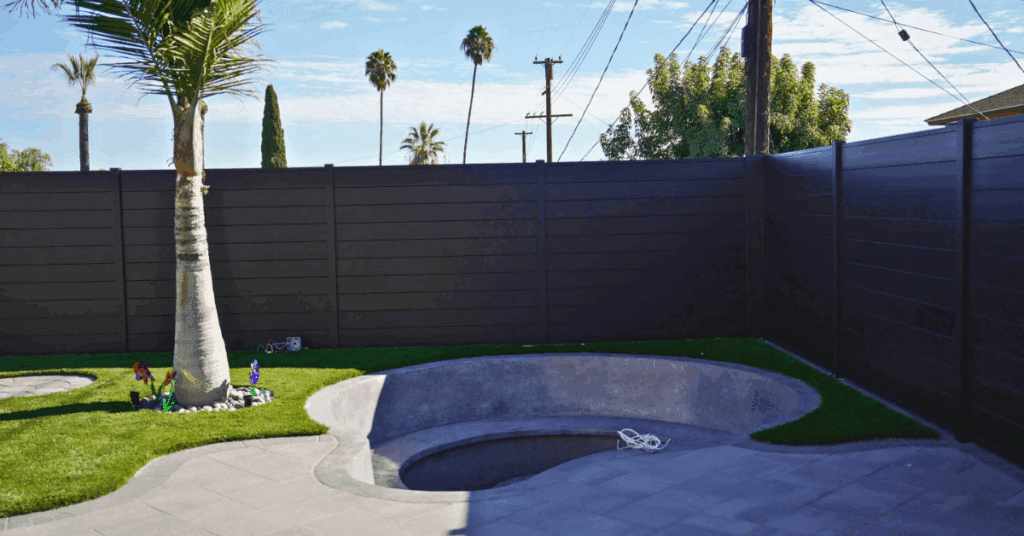
Balance design with performance. Zone Zero often favors metal and low combustible panels over untreated wood. Consider finishes that resist weather and heat. Check for compatibility with gates, hardware, and automation. Ask contractors for comparable installed examples and a list of materials with lifecycle expectations. Compare longevity, maintenance needs, and visual impact before deciding. See guidance on material selection at choosing the right fence material to understand tradeoffs and lifecycle costs.
Compare Detailed Estimates
Insist on itemized bids that separate materials, labor, permits, and contingency. Confirm post depth, anchoring methods, and site grading items. Ask how unforeseen issues like hidden utilities will be handled. Compare timelines and payment schedules. Low initial pricing can hide omitted elements. Request change order procedures and final acceptance terms. For budgeting context and realistic cost expectations review a detailed cost guide at fence installation cost guide 2026.
Plan Site Assessment and Prep
Site prep sets success. Have the contractor assess slopes, drainage, and underground utilities. Confirm how they will handle uneven ground, retaining walls, or tree roots. Ask for erosion control and vegetation clearance plans tied to fire safety. Request a sketch showing post spacing, gate locations, and slope solutions. Documented site plans reduce surprises and protect timelines. For practical tips on working with slopes and uneven terrain see expert tips for building fences on uneven ground.
Review Installation Methods
Quality installation depends on anchoring depth, post concrete detail, and panel attachment. Ask for step by step methods and photographic proof of key milestones. Confirm use of galvanic isolation when dissimilar metals meet and how they prevent corrosion. Ask how they protect adjacent landscaping during work. Request a final inspection checklist to be signed on completion. For an installation process breakdown refer to a step by step installation explanation.
Warranties Maintenance and Lifecycle
Warranties matter for peace of mind. Get written warranties for workmanship and materials that specify duration and excluded causes. Ask for maintenance schedules tailored to chosen materials and climate. Insist on manufacturer warranty copies when applicable. Confirm who performs warranty work and expected lead times. Keep a maintenance log for future claims. For seasonal care and long term maintenance practices consult seasonal maintenance tips for aluminum fences.
Security Automation and Gate Integration
Integrate gates and controls early in the design phase. Discuss power sources, sensor placement, and required clearances. Verify that automation will not compromise fire safety or egress. Ask how backup power and manual override are handled. Request wiring plans and conduit protection to meet code. Combine security needs with aesthetic goals and choose hardware rated for outdoor exposure. For privacy and automation design ideas see crafting security and privacy with automated gates.
Design Your Ideal Fence and Gates
Design decisions influence cost, performance, and maintenance. Use the offer to design your ideal fence and gates by defining function first, then form. Prioritize materials that reduce maintenance and resist fire where required. Request a visual mockup, finish samples, and clear scope. Discuss warranties and post installation support. Combine a professional design with the contractor s installation plan to ensure cohesive results. For inspiration and layout ideas explore modern yard fence ideas and align choices to performance goals while leveraging the design offer to avoid costly changes later.
Commercial Considerations and B2B Fit Out
Commercial projects require coordination with stakeholders, budgets, and procurement cycles. For B2B office fit outs in California, align fencing needs with corporate safety, site access, and brand aesthetics. Use a procurement checklist and ask about contractor experience with commercial schedules. Provide the contractor with site delivery rules and point of contact. For how perimeter solutions enhance business safety see how the commercial fence enhances business protection. Locate local suppliers and partners via Office furniture California on Google Maps when planning integrated site upgrades.
Final Checklist and Next Steps
Use a final checklist before awarding work: license verification, insurance certificates, itemized bid, permits plan, warranty terms, and a clear payment schedule. Schedule a pre start meeting and require photographic documentation during critical stages. Keep communication lines open and document change orders. When ready to order components and hardware, explore custom and ready made selections and leverage professional design support to avoid mistakes. Ready to proceed with material selection and custom gate options? Visit https://globusgates.com/shop/ to design your ideal fence and gates and begin the next step.
Final words
A careful selection process reduces risk and ensures a long lasting, code compliant fence. Use the checklist, ask targeted questions, verify credentials, and compare realistic bids. Prioritize contractors who document permits, warranties, and maintenance guidance. Thoughtful choices yield safer, lower maintenance results that protect property and investment.
Frequently Asked Questions
Zone Zero refers to the area closest to a structure where wildfire risk is highest, so fencing and nearby materials typically need to be non-combustible or highly fire-resistant and installed to meet local clearance and defensible space rules. Your contractor should explain how your location’s risk level and local ordinances affect the fence design and materials.
In many Zone Zero situations, metal options (like aluminum or steel) and other non-combustible systems perform better than untreated wood because they’re less likely to ignite from embers. Ask for manufacturer documentation (ratings/spec sheets), recommended coatings (powder coat, coastal corrosion protection), and hardware choices that hold up under heat and weather.
Request the contractor’s license number, general liability policy, and workers’ compensation coverage, then verify the license on California’s state portal and ask for insurance certificates issued to your property/project. Also confirm permits will be pulled under the contractor’s name and get a realistic permit and inspection timeline in writing.
A solid bid should be itemized: materials, labor, permits, demo/removal (if needed), site prep (grading, slope solutions), post depth/footings, gate hardware/automation allowances, and a clear change-order process. If a quote seems low, ask what’s excluded—hidden omissions are a common reason projects go over budget.
You should receive written workmanship and material warranties with durations, exclusions, and who handles warranty service. Ask for a maintenance schedule based on your climate (coastal vs inland heat), cleaning guidance for finishes, corrosion prevention steps, and what documentation to keep (photos, receipts, maintenance log) to protect warranty claims.
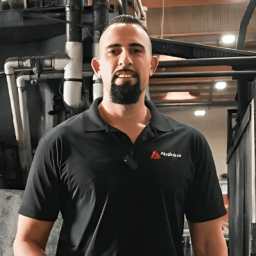
Ronnie is the CEO and Co-Founder of Globus Gates, bringing hands-on leadership and industry experience to the company’s aluminum gates, fences, patio covers, wall cladding, and exterior systems. His insights focus on helping homeowners, contractors, designers, and builders understand durable, modern, factory-direct, and non-combustible aluminum solutions built for long-term performance.