
Aluminum gates offer durable security and low maintenance for Californian homes and businesses. This guide walks through planning, permitting, cost estimates and installation steps. Read on to learn how to choose materials, navigate local approvals, manage budgets and keep gates performing long term.
Project Planning and Site Assessment
Start with a clear scope and site review. Measure the opening and note slopes, driveways and utilities. Check property lines and easements. Document gate swing, clearance and access needs. Determine pedestrian or driveway use and security level required. Ask whether automation or intercoms will be added. Factor in sloped footings or retaining walls. Prepare a basic layout and timeline to compare quotes. For a practical step checklist see aluminum gate step-by-step guidance to align planning with installation stages.
Permits Codes and Fire Zone Requirements
Confirm local building and fire codes early. Start with your city planning office to learn setback and hardware rules. Some areas require building permits for posts and electrical work. Fire hazard zones add clearance and emergency access rules. Factor permit lead time into schedules. Keep permit documents and approved plans on site. If your property lies in a fire zone follow specific guidelines for materials and spacing. Learn common permit concerns and how they impact schedules at fire zone and gate compliance.
Cost Breakdown and Budget Planning
Build a transparent budget. Break costs into materials, hardware, labor, concrete, permits and optional automation. Typical aluminum driveway gates vary with width, style and finish. Include shipping and custom fabrication lead times. Ask contractors for itemized bids and compare warranties. Allow a contingency for unexpected site issues. Use budget frameworks to decide between standard panels or custom work. For detailed pricing guides and comparison approaches see cost guide for homeowners.
Selecting Gate Profiles and Structural Hardware
Choose structural profiles to match loads. Pick frame and picket profiles sized for span and wind exposure. Pay attention to post embedment depth and concrete footing diameter. Choose hinges and drop pins rated for gate weight. Consider reinforcing plates for automated systems. Select locks and latches that meet security needs and local code. Quality hardware reduces sag and service calls. For guidance on design choices and structural considerations review why aluminum gates are a strong choice.
Finishes Coating and Corrosion Protection
Pick a finish that endures California climates. Powder coat offers consistent color and strong corrosion resistance. Coastal properties should choose salt resistant coatings and sacrificial fasteners. Inspect coating warranties and recoat options. Proper surface prep at the factory matters for adhesion. Dark colors increase heat absorption; test samples against your facade. Consider matching or contrasting fence tones for cohesive design. Learn more about coating types and benefits at powder coat benefits explained.
DIY Versus Hiring Professional Installers
Weigh skill level against risk. DIY can save money on simple pedestrian gates. Driveway gates, heavy spans, electrical work and permitted installs often need pros. Professionals manage permits, grading, footings and warranty obligations. Ask for references, insurance and itemized proposals. Compare time, tools and quality trade-offs before deciding. If you value a turnkey experience with design support and fewer surprises, professional services can be cost effective. See common DIY considerations and when to hire a pro at DIY installation review.
Design Your Ideal Gate Options
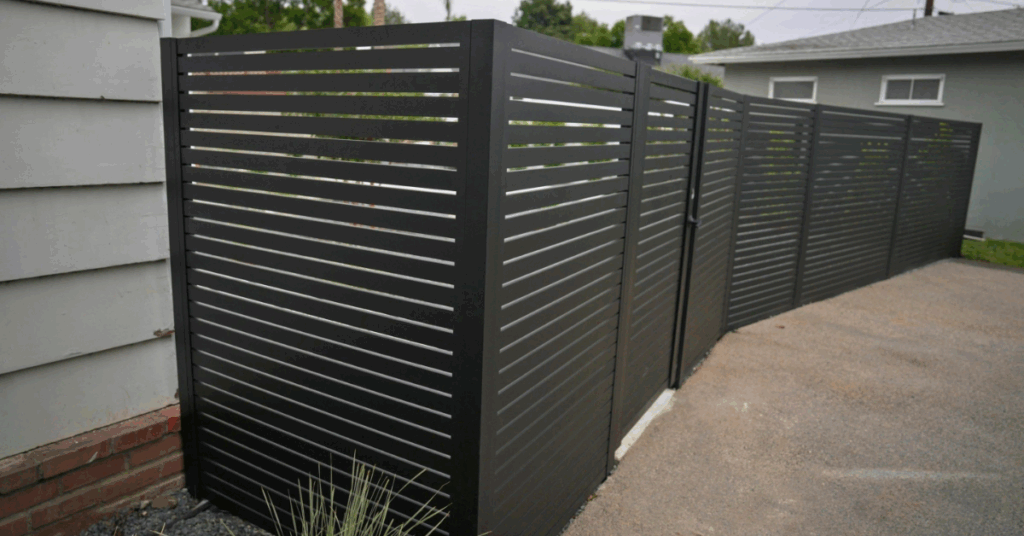
Refine aesthetics and function together. Decide on slat spacing, picket profiles and gate height for privacy and style. Blend gate design with landscape and facade cues. Consider integrated access control and post types early. Custom design services help you visualize proportions and pick complementary hardware. Use modular panels for faster lead times and consistent fit. The design process should include realistic budgets and timeline estimates. Explore material selection and design trade offs in choosing the right fence material and use design support to tailor options to your property.
Contractor Selection and Quote Comparison
Select contractors with clear expectations. Request three itemized bids, ask about permit handling, suppression of site risks and warranty terms. Check portfolios for similar California projects. Ask how they address uneven ground, drainage and slope rackability. Clarify responsibility for electrical work if automating gates. Good contractors explain timelines and milestone payments. Verify licensing, insurance and local references. For hiring tips and questions to ask see choosing the right fence contractor and compare details before signing.
Site Preparation Footings and Installation Sequence
Prepare the site before materials arrive. Clear vegetation, mark utilities and set precise opening widths. Install concrete footings sized to gate loads. Place posts plumb and brace during curing. Assemble frames on stable supports before hanging. Test swing, clearance and latch alignment prior to final hardware torqueing. If automating coordinate conduit and power runs before concrete. Final checks include paint touch ups and debris removal. For seasonal maintenance and final tuning suggestions refer to maintenance and tuning tips.
B2B Marketing Strategies for California Suppliers
Position offerings for local business buyers. Showcase durability, code compliance and low lifecycle cost. Use targeted content that speaks to property managers, contractors and developers. Present case studies with measurable ROI. Offer specification sheets and CAD details to streamline procurement. Promote quick lead times and design support to win bids. Local presence matters; include a map location so buyers can verify service areas. Example: how to choose the right fence company. Also provide a clickable location for buyers: find us on the map.
Generating Leads and Building Partnerships
Create a steady B2B sales pipeline. Develop content for specifiers and architects. Offer downloadable product sheets and builder discounts. Attend local trade events and partner with contractors for referral business. Use targeted email sequences and case studies to convert mid-funnel prospects. Leverage local map listings for strong search visibility. Provide an easy path to request samples or technical visits. Reference helpful resources when talking to clients: finding modern fence solutions in California and include a local map link: Los Angeles area map.
Converting Leads into Orders and Project Delivery
Streamline quoting to installation handoff. Use clear proposals, lead times and milestone dates. Offer design support to finalize specifications and reduce change orders. Provide post sale guidance for maintenance and warranty registration. Encourage customers to review sample finishes and hardware. Offer bundled options for gates and fencing to simplify procurement. For automation projects coordinate electricians and schedule inspections ahead. Share the benefit of design assistance and quick ordering to reduce project delays. For local buyers include a map to your service area and finalize the purchase at automatic gate advantages. Service area map.
Final Steps Maintenance and Starting Your Project
Close the project with clear documentation. Confirm permits are closed and provide maintenance guides. Train owners on locking hardware and automation use. Schedule first seasonal check and warranty follow up. Offer design refreshes for future upgrades and highlight the value of design assistance. If you are ready to start your build request samples and a custom quote. Browse products and place orders with expert support at local aluminum gate options. To design your ideal fence and order components visit https://globusgates.com/shop/ for shop items and fast support.
Final words
Aluminum gates are a smart, low maintenance choice for California properties when planning is thorough. Confirm local permits, budget for quality materials and hire skilled installers when needed. With simple maintenance and thoughtful design you can secure your property while raising curb appeal. Use design support to refine options and get accurate estimates before you commit.
FAQ Section
Yes, aluminum gates are widely chosen because they resist corrosion, don’t rot or warp like wood, and generally need only occasional cleaning for upkeep.
Sometimes, permit needs vary by city/county and often depend on whether you’re installing new posts/footings and whether electrical work is involved for automation. Your safest move is to confirm requirements with your local building department early so permit lead times don’t delay the project.
Often yes, aluminum is generally considered noncombustible, but your gate still has to meet local defensible-space rules, emergency access expectations, and any HOA conditions. Always verify with the local fire authority/building department before finalizing specs.
Focus on access and ember-smart details: keep clean clearances, reduce debris-catching ledges/ornamentation, and plan spacing/geometry that’s easier to keep clear during high-risk seasons. Your final design should also match local emergency access needs for width and operation.
Costs vary heavily by width, style, finish, site conditions (slope, demo, concrete), and automation, so the best approach is to request itemized bids and keep a contingency line for surprises. For broader budgeting context, 2026 fence installation costs are commonly cited in ranges per linear foot and total project ranges, which can help you sanity-check labor/material assumptions.
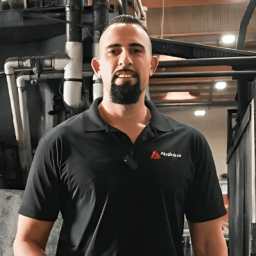
Ronnie is the CEO and Co-Founder of Globus Gates, bringing hands-on leadership and industry experience to the company’s aluminum gates, fences, patio covers, wall cladding, and exterior systems. His insights focus on helping homeowners, contractors, designers, and builders understand durable, modern, factory-direct, and non-combustible aluminum solutions built for long-term performance.