
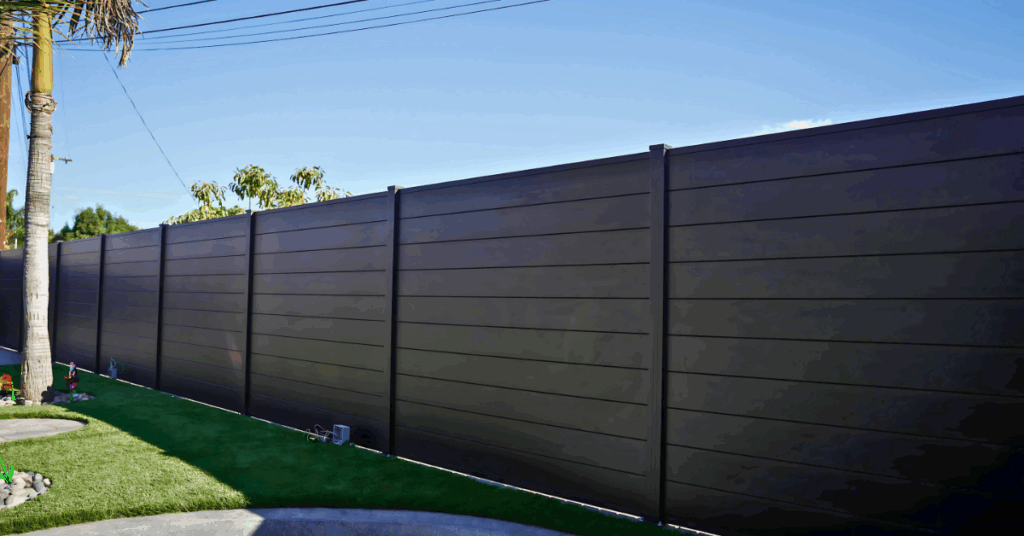
Zone 0 Approved Fencing centers on non combustible aluminum systems engineered for the highest fire exposure. This guide compares materials, coatings, structural design, and lifecycle costs. It explains compliance, installation, and maintenance so architects, contractors, and property managers can choose safe, durable fencing that meets Zone 0 requirements while achieving strong visual and functional results.
Understanding Zone 0 and Non Combustible Aluminum Systems
Zone 0 denotes the highest risk area where structural elements must resist ignition and flame spread. Aluminum is intrinsically non combustible and thus fits critical criteria. Focus on alloy selection, cross section, and joint detailing to preserve structural capacity under heat. Consider thermal expansion and connection design to avoid failure during fire exposure. Specify tested assemblies and document compliance for permitting.
- Confirm alloy grade and temper
- Verify non combustible documentation
- Detail knockouts and fasteners for heat
Regulatory Compliance and Code Paths for Zone 0
Meeting code requires documented materials and tested assemblies. Review local fire authority guidance and accepted standards for non combustible fencing. Use available technical resources and precedents to streamline approvals. Consult the reference Zone 0 Approved Fencing for regulatory context, and study the Zone 0 aluminum systems guide for assembly examples. When selecting installers, review choosing zone zero fence contractor recommendations to ensure code competent execution.
Comparing Materials Alloy Strengths and Tradeoffs
Material comparison must examine strength to weight, thermal behavior, and corrosion resistance. Aluminum alloys offer high strength to weight and resist rust. Steel yields higher elastic moduli but can lose integrity if not protected. Composite materials may char and fail in high heat. Evaluate long term performance under local climate and fire stress. Use finite element reasoning for span limits. For fence pickets and rails select sections that balance bending strength and weight while enabling discreet, tested attachments.
Corrosion, Coastal Performance and Salt Resistant Solutions
Coastal sites demand salt resistance and robust finishes. Aluminum alloys with marine grade treatments reduce pitting and crevice corrosion. Design raised clearances and drainage to avoid trapped moisture. Choose stainless fasteners compatible with aluminum to prevent galvanic corrosion. Consider local case studies when specifying finishes. See effective coastal options in the example salt resistant aluminum fences manhattan beach for real world detailing and material choices suitable for Zone 0 edge conditions.
Finishes Coatings and Long Term Surface Protection
Surface systems protect aluminum from UV and abrasion while improving aesthetics. Powder coating gives uniform coverage and outstanding adhesion. Choose systems with proven adhesion, thickness, and color retention. Pre-treatment and proper masking of welds preserve coating continuity. Specify coating warranty and test results. For high exposure zones demand factory applied finishes and documented specification. For more on powder systems and benefits consult the technical discussion at powder coated aluminum fence features.
Structural Design Wind Load and Rackability Considerations
Structural design must address wind uplift, lateral loads, and rackability on slopes. Choose post spacing and section modulus that resist expected loads for the site. Account for thermal movement at connections and allow for controlled deformation without panel collapse. Rackability features enable installation on slopes while maintaining strength. See technical guidance on panel adjustment and rackability for improved selection and detailing at what is rackability in fencing.
Installation Best Practices and Contractor Selection
Proper installation secures performance and compliance. Use anchors sized for soil and load conditions. Ensure welds and fasteners are specified for heat and corrosion resistance. Choose a contractor with Zone 0 experience and documented installations. Request mock up panels and review finish and attachment details before ordering. For help finding qualified teams use guidance on selecting trade professionals at choosing the right fence contractor to vet skills and references.
Maintenance Strategies To Maximize Lifespan
Minimal maintenance is a key benefit of aluminum but planned inspections extend life. Schedule visual checks for coating damage, loose fasteners, and drainage obstructions. Clean salt and pollutants annually in coastal zones. Touch up small coating breaches promptly with matched repair products. Document maintenance tasks and intervals to support warranty claims. For seasonal care and simple routines consult practical tips at how to maintain aluminum gates to keep systems performing like new.
Lifecycle Costing and Value Based Budgeting
Analyze total cost instead of just initial price. Account for installation, expected maintenance, repaint cycles, and replacement intervals. Aluminum often shows lower total cost due to low maintenance and long useful life. Factor in compliance testing and any premium for non combustible certification. Use scenario models comparing wood, steel, and aluminum over 20 to 30 years to find the best investment. For budgeting clarity see approaches used in installation cost guides at fence installation cost guide for homeowners 2026.
Design and Aesthetic Customization Options
Design flexibility differentiates modern aluminum systems. Choose picket profiles, slat spacing, and color palettes to match architecture. Integrate privacy screens, integrated lighting, and ornamental caps without compromising non combustible performance. Consider slimline profiles for minimal sightlines or solid panels for privacy. Look to local style references for inspiration and material matching in projects like aluminum fencing designs pasadena to visualize finish and proportion options.
Applications Case Studies and Fire Zone Lessons
Real world projects show how design decisions perform under stress. Examine installations where non combustible fences preserved perimeter integrity during fire events. Study anchoring, spacing, and finish outcomes. Draw lessons on procurement, technical submittals, and site coordination. Review regional examples of fire resistant fencing and lessons from mitigation projects at fire resistant fencing norco to learn proven detailing practices that meet both safety and aesthetic goals.
Design Your Ideal Fence and Next Steps
Design your ideal fence by combining performance, code compliance, and style. Start with documentation of site conditions and risk exposure. Select aluminum grades, finishes, and structural details that meet Zone 0 needs while reflecting your design intent. Work with a specialist to produce drawings, mock ups, and performance tests. The team can deliver tailored solutions, procurement, and installation support to save time and reduce risk. To explore products and begin design selection visit https://globusgates.com/shop/ to evaluate options and move from concept to construction.
Final words
Non combustible aluminum fencing offers the best balance of fire resistance, longevity, and low maintenance for Zone 0 projects. Choose alloy grades, coatings, and structural details that meet code and site conditions. Factor lifecycle cost and aesthetics. Collaborate with experienced designers and contractors to ensure compliance and performance. For tailored solutions and equipment, consider professional design and procurement options to match budget and timeline.
Ronnie is the CEO and Co-Founder of Globus Gates, bringing hands-on leadership and industry experience to the company’s aluminum gates, fences, patio covers, wall cladding, and exterior systems. His insights focus on helping homeowners, contractors, designers, and builders understand durable, modern, factory-direct, and non-combustible aluminum solutions built for long-term performance.