
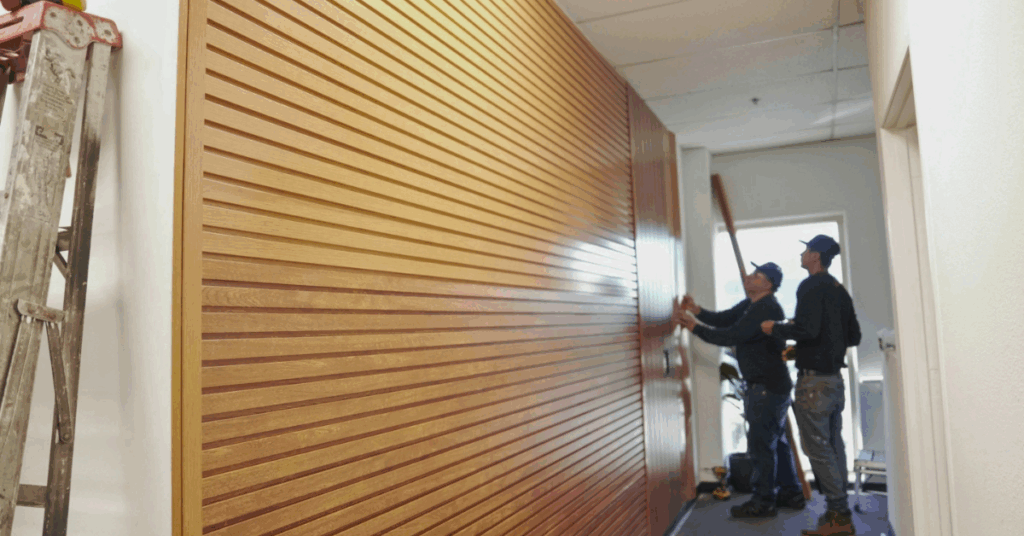
Zone 0 fencing demands non combustible materials, rigorous detailing and smart design. This guide compares aluminum slat, tongue and groove, and privacy panels for fire zones. Expect clear performance differences, installation considerations, and specification tips to help owners and specifiers select compliant, long lasting systems that balance safety, privacy and aesthetics.
Understanding Zone 0 Compliance
Zone 0 compliance sets the baseline for permitted fence materials and detailing in the highest fire exposure areas. Aluminum is favored because it is non combustible, resists ember attack and maintains strength after heat exposure. Focus on continuous seams, non combustible posts and tested fixings. Review documented acceptance criteria and local ordinances to avoid redesign. For a practical overview of regulatory expectations see Zone 0 approved fencing. Proper specification reduces liability, simplifies permitting and helps teams choose systems that will remain serviceable after an event.
Material Performance of Aluminum Systems
Aluminum performance hinges on alloy selection, wall thickness and coating. Corrosion resistance and thermal stability matter for longevity. Powder coated finishes add weather protection but check high heat performance and finish delamination limits. Structural design must account for wind loads and thermal expansion. For installation guidance and system breakdowns consult the Zone 0 aluminum systems guide. Select tested fasteners and ensure mechanical splice details minimize gaps that can allow embers through. Detail durability, maintenance cycles and warranty expectations when specifying.
Comparing Slat Tongue and Groove and Privacy Panels
Choice of panel type affects ventilation, privacy and ember entry risk. Slat systems offer airflow and visual rhythm. Tongue and groove (T&G) panels provide tighter closure with fewer gaps. Solid privacy panels maximize screening and ember blocking but require engineered drainage and expansion joints. Compare performance under ember loading and maintenance needs. See field examples and specification language at Zone 0 aluminum fencing non combustible systems. Balance aesthetics and code compliance to meet owner priorities while minimizing unanticipated retrofit costs.
Ember Resistant System Fundamentals
Ember resistance starts with continuous non combustible surfaces and ends with careful joint detailing. Seal seams to limit ember ingress, specify metal flashings at transitions and ensure gaps under and between panels are minimized. Use tested closures at post connections and manage deck and ground interfaces. For tactics tailored to fire prone sites review practical solutions at fire resistant fencing norco. Regular inspections and preventative cleaning of accumulated debris can maintain ember resistance over the service life of the fence.
Attachment and Connection Best Practices
Connections determine system resilience. Choose corrosion resistant mechanical fasteners that maintain clamping force through cycles of heat and cold. Avoid combustible backing materials and anchor posts into non combustible bases or encase them in protective sleeves. Provide engineered uplift resistance and specify thermal break details where required. For case studies of ember resistant detailing in coastal and urban contexts see fire resistant fencing palos verdes ca. Good connection design prevents panel distortion and reduces maintenance after high wind or heat exposure.
Site Integration and Ember Management
Site details such as grade, adjacent vegetation and structures influence ember exposure. Maintain defensible space and integrate low fuel planting along fence lines. Use gravel strips and non combustible hardscapes at fence bases to reduce fuel build up. When connecting to gates and walls, specify continuous non combustible returns. For fire zone oriented gate design principles review aluminum gate fire zone ca. Combine system choices with landscape planning to lower ember accumulation and simplify inspections.
Design Your Ideal Fence Framework
Design starts with priorities: safety, privacy, budget and appearance. Establish target performance levels and select panel type accordingly. Use modular aluminum components for repeatable quality and faster installs. Include owner benefits such as low maintenance and long term durability. For hands on planning and build guidance see how to build a fence gate. Integrate clear installation tolerances, finish choices and supplier lead times into the design package to avoid schedule slips and cost overruns.
Estimating Cost and Value
Budgeting requires realistic allowances for material, shipping and installation. Aluminum systems often cost more upfront than basic wood but lower maintenance and longer life provide lifecycle savings. Factor in permit, inspection and accessory costs like automated hardware. See a localized cost breakdown at fence installation cost guide 2026. Present clients with scenarios comparing initial investment versus 10 year maintenance to clarify value and support decision making.
Selecting Contractors and Specifiers
Choose contractors with zone experience. Look for installers who understand non combustible detailing and can produce shop drawings. Request references, documented warranties and evidence of code compliant installations. Discuss coordination with landscape and building trades to maintain defensible space. For contractor selection criteria and questions see choosing the right fence contractor. Clear scopes and performance criteria reduce disputes and improve on site execution.
California B2B Specification Strategies
B2B specs must align with state rules and client goals. Provide concise performance clauses, finish requirements and testing references. Use standardized details for approvals and to speed procurement. Include price bands and lead times for order planning. For outreach to local contractors and market context consult regional supplier listings and find area installers via fence company near me los angeles county. Clear B2B documents shorten bid cycles and improve project predictability.
Marketing Office Furniture Buyers in California
Translate fence system benefits into business outcomes for office buyers. Emphasize safety compliance, low maintenance and consistent lead times. Use case studies and quantified lifecycle savings to support procurement teams. Share product availability and distribution points and invite stakeholders to view installations. For local presence and discovery use a site map or direct location link on Google Maps: view our local showcase. Position offerings as reliable, code oriented and supported by responsive service teams.
Closing the Sale and Next Steps
Convert interest into orders by offering consultation, site reviews and clear lead times. Provide tailored proposals that show safety benefits, aesthetic options and warranty commitments. Use design tools and sample boards to build confidence. Offer procurement options and phased delivery for large projects. Explore current product choices and place orders directly through our shop to get started: Design Your Ideal Fence Now. This offer speeds selection, ensures compliant solutions and delivers professional support from design through install.
Final words
Choosing Zone 0 approved aluminum fencing demands attention to material, detail and site strategy. Slat, T&G and privacy panels each deliver distinct tradeoffs in airflow, screening and ember resistance. Combine good specification, contractor selection and maintenance planning to protect property and investment. Use modular aluminum systems and documented design choices to meet compliance while achieving long term value and low upkeep.