
When comparing an aluminum pergola vs wood pergola, the difference goes far beyond appearance. Both can create shade, structure, and style for an outdoor space, but the material behind the system affects long-term durability, maintenance, fire resistance, and overall performance. Wood has a natural look, but it can burn, warp, crack, rot, attract termites, and require ongoing staining or sealing. Aluminum pergolas offer a modern alternative built for homeowners who want a cleaner, longer-lasting, and non-combustible outdoor system. For today’s outdoor living spaces, especially in areas where fire safety, low maintenance, and architectural design matter, aluminum has become the smarter choice.
Why Material Choice Matters for Outdoor Pergolas
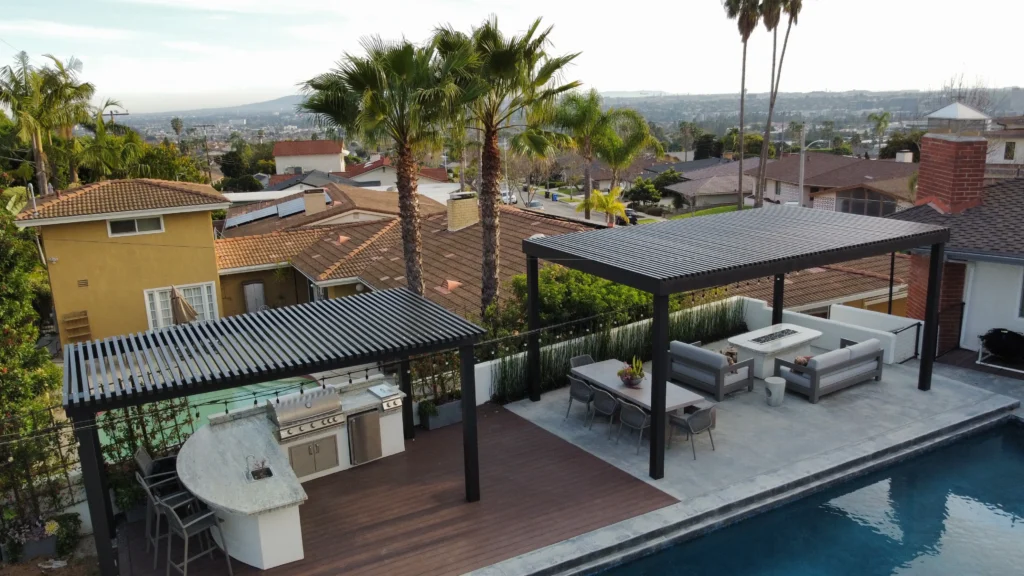
The material you choose for a pergola affects more than the way it looks. It impacts how the structure handles weather, sun exposure, maintenance, moisture, pests, and fire risk over time. A pergola is usually exposed to the elements every day, so the system needs to be strong enough to perform in heat, wind, rain, and changing outdoor conditions without becoming a constant repair project.
Wood Pergolas Have a Traditional Look, But Require Ongoing Care
Wood pergolas are often chosen for their warm and natural appearance. However, wood is an organic material, which means it can absorb moisture, expand, contract, crack, split, rot, and attract termites. To keep a wood pergola looking good and structurally reliable, it usually needs regular sealing, staining, painting, and inspection. Over time, this maintenance can become expensive and time-consuming.
Aluminum Pergolas Are Built for Long-Term Outdoor Performance
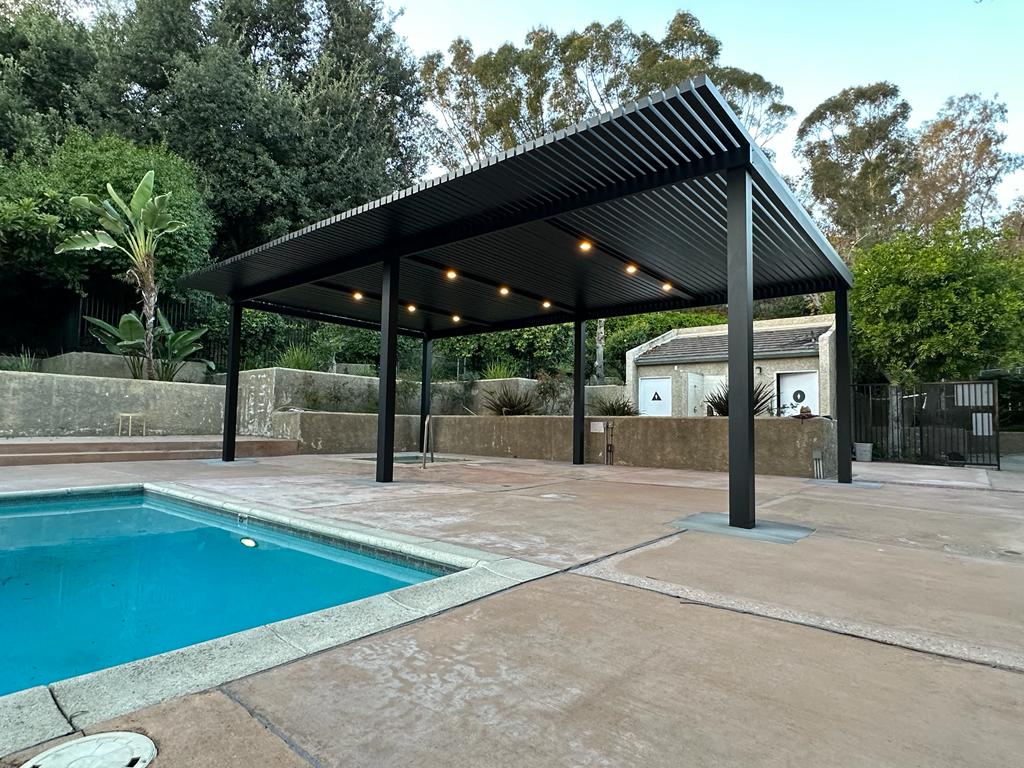
Aluminum pergolas are designed to handle outdoor exposure with less maintenance. Unlike wood, aluminum does not rot, warp, or attract termites. When finished with a quality powder coating system, aluminum can maintain a clean architectural appearance while resisting corrosion, fading, and surface damage. This makes aluminum a strong choice for modern outdoor spaces where durability, safety, and low maintenance are important.
Non-Combustible Pergola Systems and Fire Safety
Fire safety has become one of the biggest reasons homeowners compare aluminum pergolas vs wood pergolas. Outdoor structures are often built close to the home, attached to the exterior, or placed near landscaping, furniture, and other combustible materials. Because of this, the material used for a pergola can play an important role in reducing fire risk around the property.
Wood Pergolas Can Add Fuel to an Outdoor Fire
Wood is naturally combustible. Even when treated, stained, or sealed, it can still burn when exposed to enough heat or direct flame. In wildfire-prone areas, this matters because outdoor structures can become part of the fuel path around a home. A wood pergola may look beautiful, but from a fire safety perspective, it does not offer the same peace of mind as a non-combustible material.
Aluminum Pergolas Support Safer Outdoor Living
Aluminum is non-combustible, which makes it a smarter material for modern outdoor spaces where fire safety matters. An aluminum pergola does not feed a fire the way wood can, and that makes it especially valuable for properties in high-risk fire zones, hillside communities, and areas with strict defensible space requirements. For homeowners who want shade, style, and better protection, aluminum offers a stronger long-term solution.
Maintenance: Aluminum Pergolas Require Less Work Over Time
Maintenance is one of the biggest differences between an aluminum pergola and a wood pergola. A pergola is constantly exposed to sun, rain, moisture, wind, dust, and temperature changes. Over time, these conditions can break down weaker materials and turn a beautiful outdoor feature into something that needs constant attention.
Wood Pergolas Need Regular Sealing, Staining, and Repairs
Wood pergolas usually require ongoing maintenance to keep their appearance and structure in good condition. They may need to be sealed, stained, painted, sanded, or repaired as the surface ages. Moisture can lead to swelling, cracking, rot, and mold, while sun exposure can cause fading and drying. Even high-quality wood needs care if it is expected to last outdoors.
Aluminum Pergolas Stay Cleaner and More Stable
Aluminum pergolas are easier to maintain because the material does not rot, warp, crack, or attract termites. With a quality powder-coated finish, the surface can stay clean and consistent with simple routine care. This makes aluminum a better option for homeowners who want a modern outdoor system without spending time and money on frequent refinishing or repairs.
Durability in Sun, Rain, and Outdoor Exposure
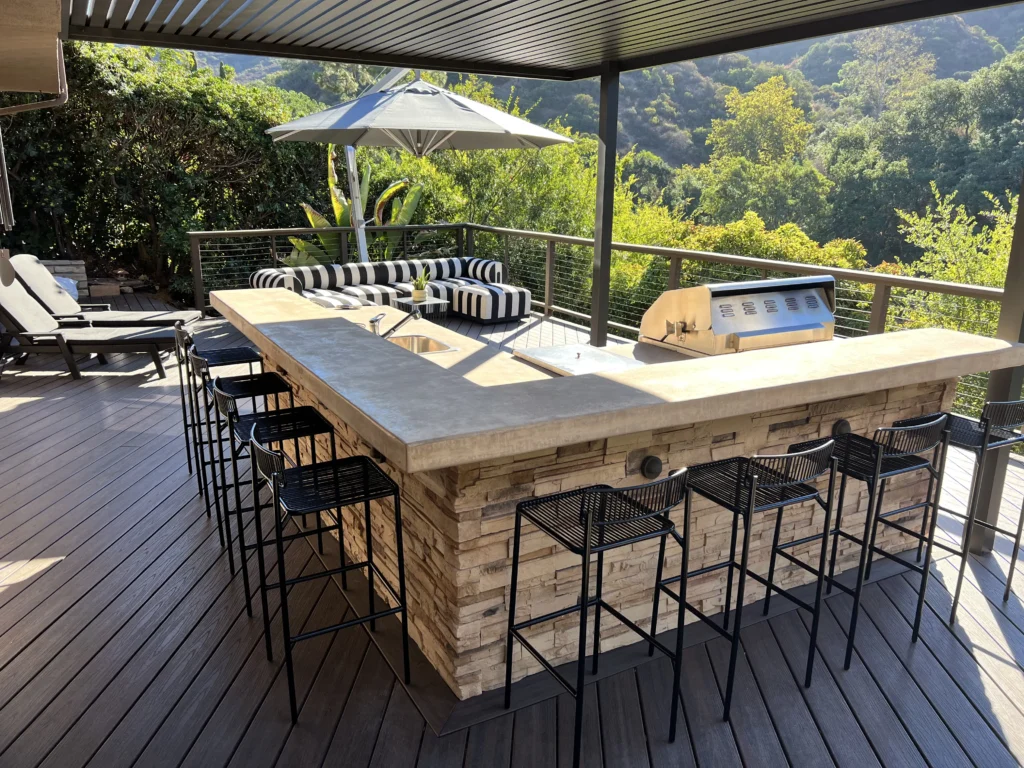
A pergola needs to perform in real outdoor conditions, not just look good on the day it is installed. Sun exposure, moisture, heat, wind, and seasonal changes can all affect the structure over time. This is where the difference between aluminum and wood becomes very clear.
Wood Can Change Shape as Conditions Change
Wood naturally reacts to moisture and temperature. It can expand, contract, twist, split, or warp depending on the weather and the level of exposure. Over time, these changes can affect the appearance of the pergola and may also create gaps, uneven lines, loose fasteners, or structural movement. In areas with strong sun or moisture, this aging process can happen even faster.
Aluminum Offers Better Dimensional Stability
Aluminum is a more stable material for outdoor structures because it does not absorb moisture like wood. It keeps its shape better over time and is less likely to shift, crack, or deform from normal outdoor exposure. This helps an aluminum pergola maintain a cleaner architectural look, tighter lines, and a more consistent structure for years.
Design Flexibility for Modern Outdoor Living
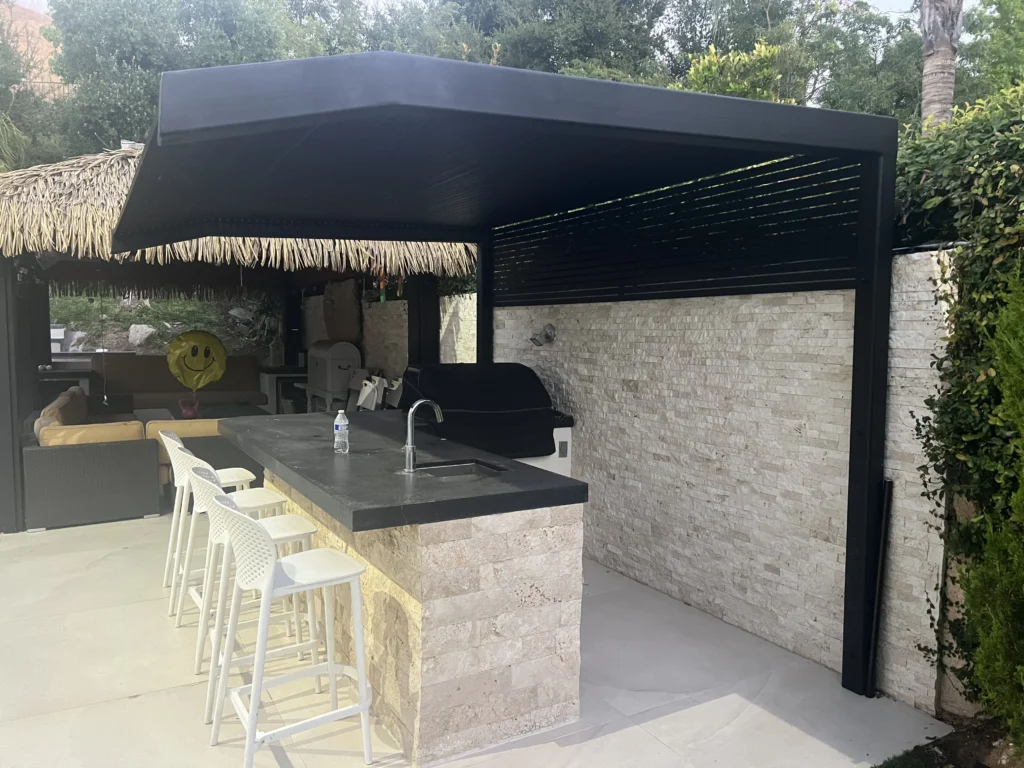
Design flexibility is another important factor when comparing an aluminum pergola vs wood pergola. A pergola is not only a shade structure, it also becomes part of the home’s architecture. The lines, color, finish, proportions, and overall style need to match the property, especially for modern homes, luxury outdoor spaces, and clean backyard designs.
Wood Pergolas Can Limit the Final Look
Wood pergolas can create a warm and traditional appearance, but they are often limited when the goal is a sharper, more modern design. Over time, wood may show knots, grain movement, surface checking, stains, and uneven aging. Even when painted, the surface can require touch-ups as the material expands, contracts, or absorbs moisture. For homeowners who want a very clean architectural finish, wood can be harder to keep consistent because the natural material continues to change after installation.
Aluminum Pergolas Create a Cleaner Architectural Finish
Aluminum pergolas are ideal for modern outdoor living because they can be designed with clean lines, consistent finishes, and a more refined appearance. Powder-coated aluminum can be produced in many colors and textures, allowing the pergola to match gates, fences, railings, cladding, windows, or other exterior elements. This gives the outdoor space a more intentional and complete look. Instead of feeling like an add-on, an aluminum pergola can become part of the overall architectural design of the property.
Cost and Budget: Looking Beyond the Initial Price
When comparing the cost of an aluminum pergola vs wood pergola, it is important to look at more than the starting price. Wood may sometimes seem more affordable at the beginning, especially for basic designs, but the long-term cost can change once maintenance, repairs, refinishing, pest protection, and replacement are considered. Aluminum pergolas can have a higher upfront investment, but they are built for long-term performance with less maintenance over time. For homeowners planning a permanent outdoor living upgrade, the smarter budget decision is often the system that costs less to own, not just the one that costs less to install.
Wood Pergolas Can Become More Expensive Over Time
A wood pergola may require ongoing expenses after installation. Depending on the climate, sun exposure, and moisture level, wood may need staining, sealing, painting, sanding, termite treatment, or replacement of damaged boards. These costs can add up over the years, especially if the pergola is exposed to strong sun, rain, coastal air, or wildfire-prone conditions. What starts as a lower-cost project can become more expensive once the homeowner has to maintain the material year after year.
Aluminum Pergolas Offer Better Long-Term Value
Aluminum pergolas are often a better long-term value because they reduce many of the maintenance costs that come with wood. Aluminum does not rot, attract termites, or require regular staining and sealing. When paired with a quality powder-coated finish, it can keep its appearance with simple cleaning instead of constant refinishing. For homeowners who want a durable outdoor system with fewer future expenses, aluminum provides a more predictable investment and a stronger return over time.
| Cost Factor | Wood Pergola | Aluminum Pergola |
|---|---|---|
| Initial Cost | Can be lower for basic designs | Can be higher depending on system, size, and finish |
| Maintenance Cost | Requires sealing, staining, painting, or repairs over time | Requires less maintenance with routine cleaning |
| Repair Costs | May need repairs for rot, cracks, warping, or termite damage | Less likely to need repairs from moisture, pests, or material movement |
| Long-Term Value | Can become more expensive as maintenance adds up | Offers stronger long-term value due to durability and low upkeep |
| Fire Safety Value | Combustible material that can add risk in fire-prone areas | Non-combustible material that supports safer outdoor living |
| Overall Budget Outlook | Lower upfront cost, higher long-term care | Higher upfront investment, lower long-term maintenance |
Fire Safety and Defensible Space Around the Home
Fire safety is a major reason homeowners are rethinking traditional outdoor materials. A pergola is often installed close to the house, above a patio, near windows, beside outdoor furniture, or connected to an exterior wall. Because of that, the material should not only look good, it should also support a safer outdoor environment. In areas where wildfire risk, ember exposure, and defensible space are serious concerns, choosing a non-combustible pergola system can make a meaningful difference.
Wood Pergolas Can Increase Combustible Material Near the Home
A wood pergola adds combustible material to the outdoor living area. Even if the wood is treated or coated, it is still a material that can burn under the right conditions. In fire-prone regions, this can become a concern because exterior structures can help flames or embers move closer to the home. When a pergola is attached to the house or placed near doors, windows, roofing, or landscaping, the type of material used becomes even more important.
Aluminum Pergolas Help Reduce Fuel Around the Structure
Aluminum pergolas are non-combustible, which helps reduce the amount of fuel near the home. Instead of adding another burnable structure to the property, aluminum creates shade and architectural coverage without the same fire risk associated with wood. This makes aluminum especially valuable for modern homes, hillside properties, and outdoor living spaces where safety, durability, and long-term performance all matter.
Request a call
Final Thoughts: Aluminum Pergolas Are Built for Modern Outdoor Living
For homeowners who want a pergola that is non-combustible, low-maintenance, weather-resistant, and designed with a modern architectural finish, aluminum is the smarter long-term investment. It offers the shade and structure people want from a pergola, while reducing many of the problems that come with wood over time.
Frequently Asked Questions
An aluminum pergola is often better for homeowners who want low maintenance, long-term durability, and non-combustible outdoor construction. Wood can offer a warm natural look, but it requires more upkeep and can be affected by moisture, termites, warping, cracking, and fire exposure.
Yes, aluminum is a non-combustible material. This makes aluminum pergolas a strong option for outdoor living spaces where fire safety is important, especially in areas with wildfire risk or defensible space requirements.
Aluminum pergolas require much less maintenance than wood pergolas. They do not need regular staining, sealing, sanding, or painting. With a quality powder-coated finish, routine cleaning is usually enough to keep the system looking clean and modern.
Wood pergolas can sometimes have a lower upfront cost, especially for simple designs. However, the long-term cost can increase because of staining, sealing, painting, repairs, pest treatment, and possible replacement. Aluminum pergolas may cost more upfront, but they often provide better long-term value because they require less maintenance.
Aluminum is a strong choice for modern pergolas because it offers clean lines, durable finishes, low maintenance, and better resistance to outdoor exposure. It also allows homeowners to create a more architectural outdoor space without the common problems of wood, such as rot, warping, termites, and frequent refinishing.

Ronnie is the CEO and Co-Founder of Globus Gates, bringing hands-on leadership and industry experience to the company’s aluminum gates, fences, patio covers, wall cladding, and exterior systems. His insights focus on helping homeowners, contractors, designers, and builders understand durable, modern, factory-direct, and non-combustible aluminum solutions built for long-term performance.