

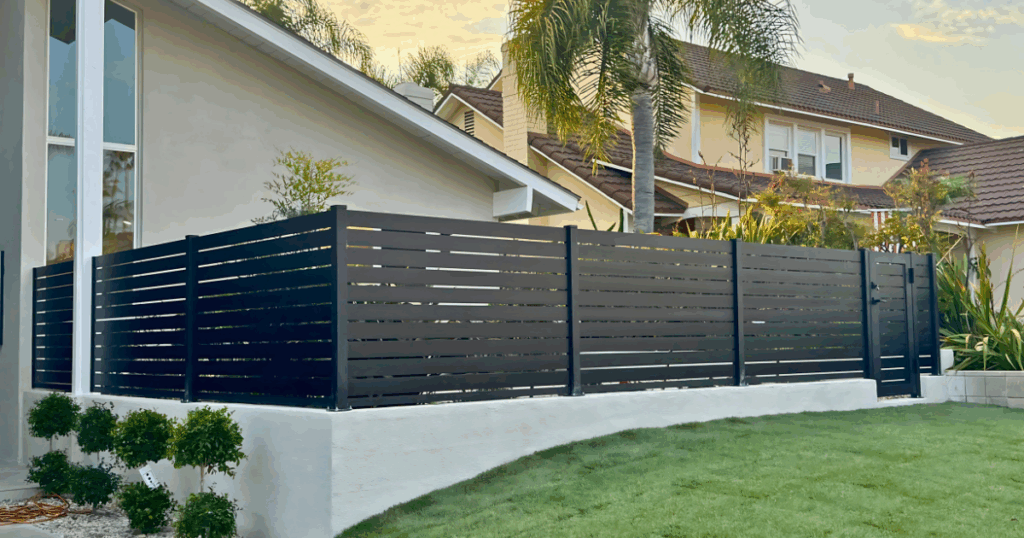
California homeowners are paying closer attention to what is installed within the first few feet of their homes. In wildfire-prone areas, wood fences, side gates, arbors, and other combustible materials connected to the house can become a direct path for fire. That is why Zone 0, also known as the ember-resistant zone, has become one of the most important topics for homeowners, contractors, architects, and property managers in 2026. If you have a wood fence or gate attached to your home, this is the time to understand what may need to change, what materials make more sense, and why custom aluminum fencing and gates are becoming a preferred solution across Los Angeles, Malibu, Pacific Palisades, Calabasas, Pasadena, and other California fire-risk areas.
What Is California Zone 0 and Why Does It Matter?
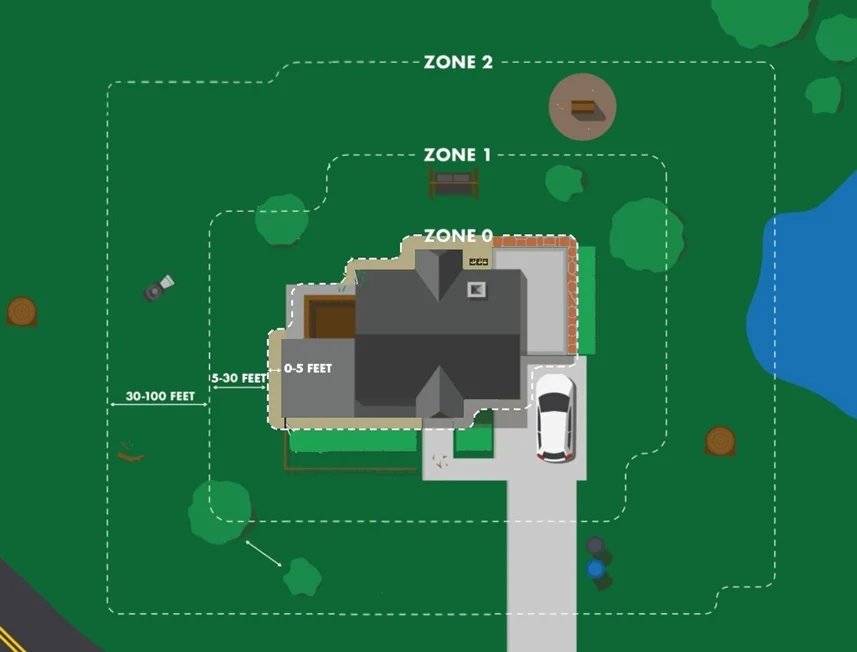
Zone 0 is the first 5 feet around a home or structure. It is also called the ember-resistant zone because this area is where wind-driven embers can land, collect, and ignite nearby materials during a wildfire. For many California homeowners, this changes the way they need to think about fences, gates, side yards, patio covers, plants, mulch, furniture, and anything combustible installed close to the house. The closer a material is to the structure, the more important the material choice becomes.
The First 5 Feet Around the Home Are the Most Important
When people think about wildfire protection, they usually think about brush clearance far away from the house. But Zone 0 focuses on the area closest to the structure. This is where a small ignition can quickly become a major problem. A wood side gate, a wood fence panel, dry leaves, bark, mulch, or a combustible storage item near the wall can give embers something to ignite. Once that happens, the fire can move directly toward the home.
Attached Wood Fences and Gates Can Create a Fire Pathway
One of the biggest concerns is a combustible fence or gate that touches the house. A wood fence may look harmless, but if it catches fire, it can act like a fuse leading flames straight to the structure. That is why many homeowners are now looking at aluminum gates, aluminum fence sections, and noncombustible replacement materials near the home. The goal is not only to improve the look of the property, but to reduce the chance that a fence or gate becomes the weak point during a wildfire.
Why Wood, Vinyl, and Composite Materials Are Being Questioned Near the Home
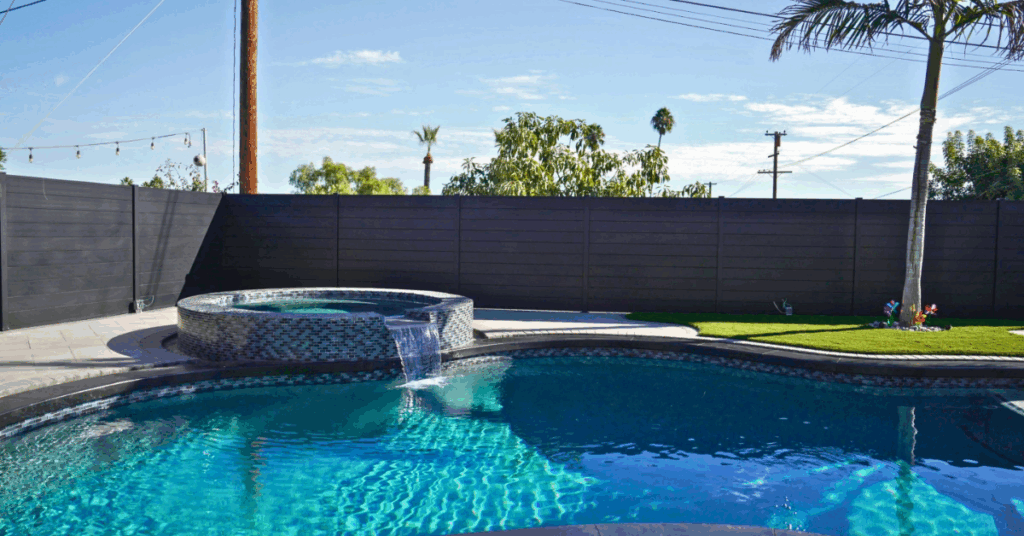
For years, wood fences and vinyl gates were common choices for California homes because they were familiar, available, and easy to install. But in high fire-risk areas, the conversation has changed. Homeowners are no longer looking only at privacy, style, and cost. They also need to think about how the material performs when exposed to embers, heat, and flame. Any combustible material installed close to the structure can become a concern, especially when it is directly connected to the home.
Wood Fences Can Dry Out, Crack, and Become Easier to Ignite
A wood fence may look strong when it is first installed, but over time it can dry out, split, absorb debris, and become more vulnerable. In many side yards, leaves, dust, and dry vegetation collect at the bottom of wood panels and gates. During a wildfire, embers can land in those areas and ignite the material. This is why the section closest to the home matters so much. Even if the entire fence is not replaced, the part touching the house should be reviewed carefully.
Aluminum Offers a Cleaner Noncombustible Alternative
Aluminum has become a preferred replacement because it gives homeowners a modern look without relying on combustible fence materials near the structure. It does not rot, warp, or attract termites, and it can be powder coated in black, white, bronze, gray, or wood-like finishes. For homeowners who still want the warm look of wood, wood-grain aluminum can create that same architectural feel while offering a smarter material choice for areas close to the home.
What Homeowners Should Check Before Replacing a Fence or Gate
Before replacing a fence or gate near the home, homeowners should look at more than just the design. The most important question is where the fence or gate is located in relation to the structure. A back fence far from the house may not create the same concern as a side gate attached directly to the wall. The closer the material is to the home, the more carefully it should be reviewed for fire exposure, long-term durability, and local requirements.
Start With the Sections That Touch the House
The first area to inspect is any fence, side gate, or privacy screen that connects directly to the home, garage, or attached structure. These sections are usually the highest priority because they can create a direct path from the yard to the building. Many homeowners do not need to redesign the entire property immediately. In some cases, the smartest first step is replacing the most vulnerable wood section near the house with a custom aluminum gate or fence panel.
Look at the Full Exterior System, Not Just the Fence
A fire-smart exterior is not only about one fence panel. Homeowners should also look at gates, wall cladding, patio covers, trash enclosure areas, planter zones, and anything installed close to exterior walls. When these elements are designed together, the property looks cleaner and performs better. A modern aluminum gate can match the fence, connect with wall cladding, and create a more complete exterior upgrade instead of a small patch repair.
Why Aluminum Fencing and Gates Fit the New California Exterior Standard
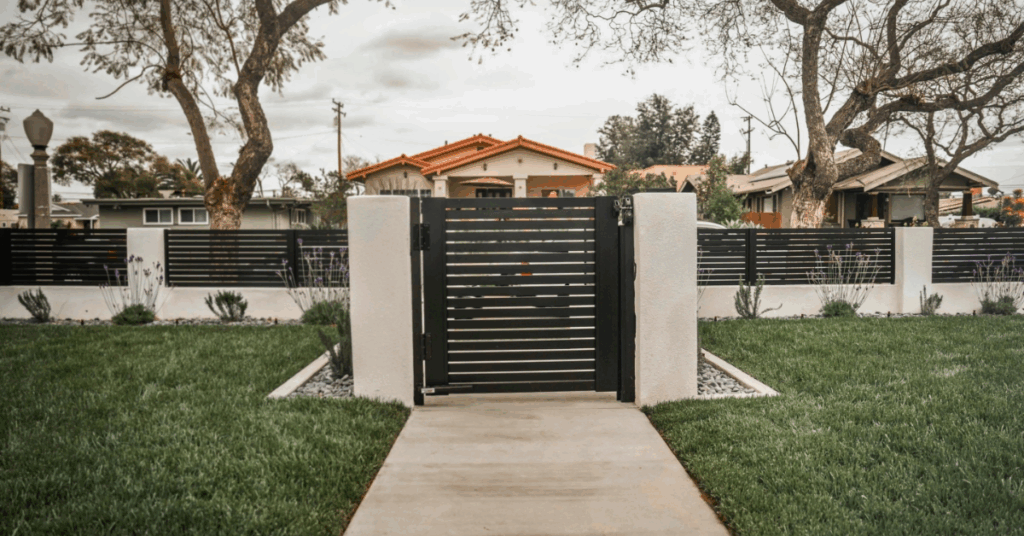
California homeowners are moving toward exterior materials that are cleaner, stronger, lower maintenance, and better suited for fire-risk areas. Aluminum fits that direction because it gives the property a modern architectural look while removing many of the problems that come with wood, vinyl, and other combustible materials. For homes in Los Angeles, Malibu, Pacific Palisades, Calabasas, Pasadena, and other hillside or wildfire-prone areas, aluminum fencing and gates can be both a design upgrade and a smarter long-term material choice.
Aluminum Does Not Rot, Warp, or Need Constant Repainting
One of the biggest advantages of aluminum is long-term stability. Wood fences can absorb moisture, crack, fade, twist, and require repainting or staining over time. Aluminum does not have those same maintenance issues. A properly powder-coated aluminum fence or gate keeps a clean finish, resists weather exposure, and gives homeowners a more consistent look year after year. This is especially important for modern homes where the exterior lines, colors, and finishes need to stay sharp.
Custom Aluminum Can Match the Style of the Home
Choosing aluminum does not mean every fence or gate has to look the same. A custom aluminum system can be built with horizontal slats, privacy panels, pedestrian gates, driveway gates, wood-like finishes, black modern finishes, bronze tones, or custom colors. This allows homeowners to meet the look they want while using a material that makes more sense near the structure. The result is a fence or gate that looks intentional, matches the architecture, and supports a more fire-conscious exterior design.
How to Budget for a Zone 0 Fence or Gate Replacement
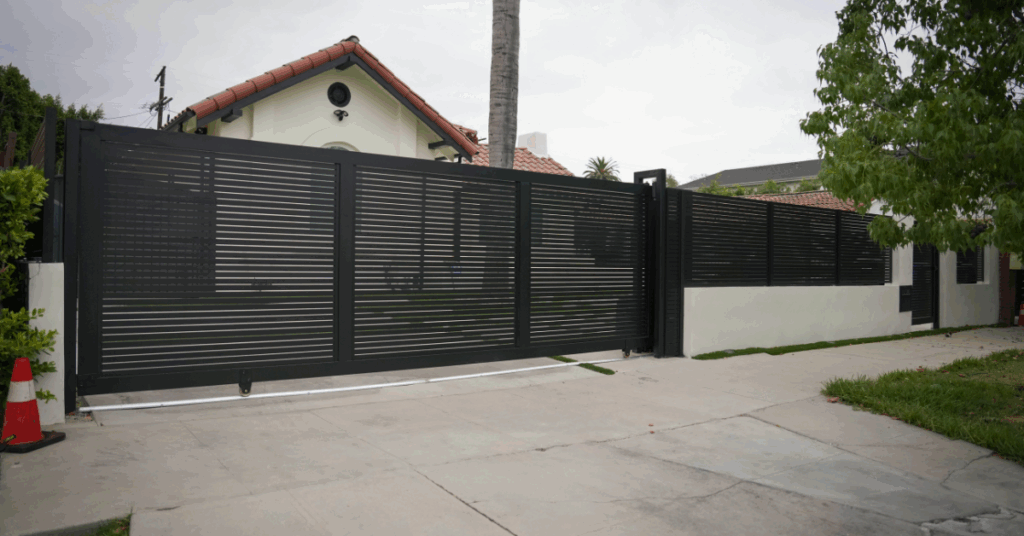
The cost of replacing a fence or gate near the home depends on the size of the area, the material, the height, the design, the site conditions, and whether the project includes a pedestrian gate, driveway gate, automation, demolition, or permit work. For many homeowners, the smartest way to start is not always replacing the entire property line at once. The first priority is usually the section closest to the house, especially any wood fence or gate that connects directly to the structure.
The Most Important Cost Factors
A simple aluminum fence section near the house will cost less than a custom driveway gate with posts, hardware, automation, access control, safety sensors, concrete work, and electrical preparation. Height also matters. A taller privacy fence uses more material than a low decorative fence. Wood-like aluminum finishes, custom colors, heavier frames, sloped lots, hillside conditions, demolition, and difficult access can also increase the final budget. This is why two homes with the same linear footage can still have very different pricing.
Start With the Highest-Risk Area First
Homeowners who are not ready for a full exterior renovation can begin with the most vulnerable section. For example, replacing the first 5 to 8 feet of combustible fencing near the home with aluminum can be a practical first step. From there, the design can expand into matching side gates, privacy panels, driveway gates, wall cladding, or a full property upgrade. This approach helps control the budget while still addressing the area that matters most for Zone 0 planning.
| Project Item | Typical Budget Impact | What Affects the Price |
|---|---|---|
| Small aluminum fence section near the home | Lower to medium | Linear footage, height, color, removal of old fence, wall attachment, and site access |
| Custom aluminum side gate | Medium | Gate size, frame strength, hinges, latch, privacy level, finish, and installation conditions |
| Wood-look aluminum fence or gate | Medium to higher | Wood-grain finish, custom layout, privacy style, material profile, and fabrication details |
| Custom driveway gate | Higher | Opening width, swing or sliding design, posts, frame size, finish, concrete work, and hardware |
| Automatic driveway gate system | Highest | Gate structure, motor, safety sensors, access control, electrical work, loops, keypad, remotes, and site layout |
| Permit, engineering, or special site conditions | Varies by city and property | Local code, hillside location, front yard placement, visibility rules, property lines, and city review requirements |
Local Rules and Site Conditions Can Change the Project
A Zone 0 fence or gate replacement is not only about choosing the right material. The location of the fence, the height, the opening size, the property line, the driveway layout, and the local city rules can all affect the final design. In some areas, especially hillside neighborhoods, coastal communities, and fire-prone zones, homeowners may need to review visibility, setbacks, gate swing direction, access requirements, and permit conditions before installation begins.
Front Yard Fences and Driveway Gates Need Extra Review
Front yard fences and driveway gates usually require more planning than side yard replacements. A city may have rules about fence height, how close a gate can be to the street, whether the gate must slide or swing inward, and whether the design blocks visibility for drivers or pedestrians. This is why a custom gate should be designed around the property, not copied from a picture online. The right layout can help avoid delays, redesigns, and expensive changes later.
Hillside and Fire-Risk Properties Need Smarter Planning
Homes in hillside and wildfire-prone areas often need a more careful approach. Sloped driveways, narrow access roads, retaining walls, uneven grade, and tight side yards can all affect how a fence or gate is built. A fire-smart replacement should look good, but it should also make sense for access, durability, and long-term maintenance. For many California homes, the best result comes from combining the right material, the right layout, and a clean custom installation plan before fabrication starts.
Final Thoughts
California Zone 0 is changing the way homeowners think about fences, gates, and exterior materials near the house. A wood fence or gate may seem like a small detail, but when it is attached to the home, it can become one of the most important areas to review. For homeowners in Los Angeles, Malibu, Pacific Palisades, Calabasas, Pasadena, and other fire-risk areas, replacing combustible sections with custom aluminum can be a smart first step toward a cleaner, safer, and more modern exterior.
At Globus Gates, we design, fabricate, and install custom aluminum fences, gates, driveway gates, side gates, wall cladding, and patio systems for California homes. Whether you need to replace the first section near the home or upgrade the full property exterior, our team can help you choose a design that looks architectural, performs long term, and fits the needs of your property.
If your wood fence or gate is connected to your home, now is the time to review it. Contact Globus Gates to schedule a consultation and explore custom aluminum replacement options.
Frequently Asked Questions
What is Zone 0 in California?
Zone 0 is the first 5 feet around a home or structure. It is also called the ember-resistant zone because this area is the closest to the building and is where wind-driven embers can collect during a wildfire. Homeowners should pay close attention to combustible materials in this area, including wood fences, gates, mulch, plants, storage items, and patio materials.
Do I have to replace my entire wood fence?
Not always. In many cases, the first area to review is the section that touches or comes closest to the house. If a wood fence or side gate is connected directly to the structure, that section may be the highest priority. Some homeowners start by replacing the first 5 to 8 feet near the home with aluminum, then upgrade more areas later.
Is aluminum a good material for Zone 0 planning?
Yes. Aluminum is a strong option because it is noncombustible, low maintenance, and suitable for modern exterior design. It does not rot, warp, or attract termites like wood. It can also be powder coated in modern colors or wood-like finishes, allowing homeowners to get a clean architectural look without using combustible fence materials near the home.
Can aluminum gates still look like wood?
Yes. Wood-look aluminum gates and fences are a popular option for homeowners who want a warm, natural appearance without the maintenance and fire concerns of real wood. These finishes can create the look of wood while keeping the strength, durability, and clean performance of aluminum.
How do I know what fence or gate design is right for my property?
The best design depends on your home style, location, fire-risk area, budget, opening size, privacy needs, and local city requirements. A side gate near the home may need a different approach than a front driveway gate or a full property fence. Globus Gates can review your property, recommend the right aluminum system, and help you plan a design that matches your home while addressing the most important exterior areas first.
Ronnie is the CEO and Co-Founder of Globus Gates, bringing hands-on leadership and industry experience to the company’s aluminum gates, fences, patio covers, wall cladding, and exterior systems. His insights focus on helping homeowners, contractors, designers, and builders understand durable, modern, factory-direct, and non-combustible aluminum solutions built for long-term performance.