
If your fence, gate, patio cover, or outdoor structure is within 5 feet of your home, California’s Zone 0 rules may directly affect what materials you can keep there. Zone 0 is the first 0 to 5 feet around a structure, and official wildfire guidance focuses on making this area ember-resistant by reducing combustible materials closest to the home. For many homeowners, that means wood fencing, wood gates, vinyl, dry vegetation, mulch, and other flammable items near the house may need to be replaced with non-combustible alternatives. Before 2027, this is one of the most important upgrades California homeowners should understand, especially in high fire-risk areas. At Globus Gates, we manufacture and install modern aluminum gates, fences, patio covers, and outdoor systems designed for homeowners who want a cleaner look, lower maintenance, and a smarter material choice for the Zone 0 era.
What Is Zone 0 in California?
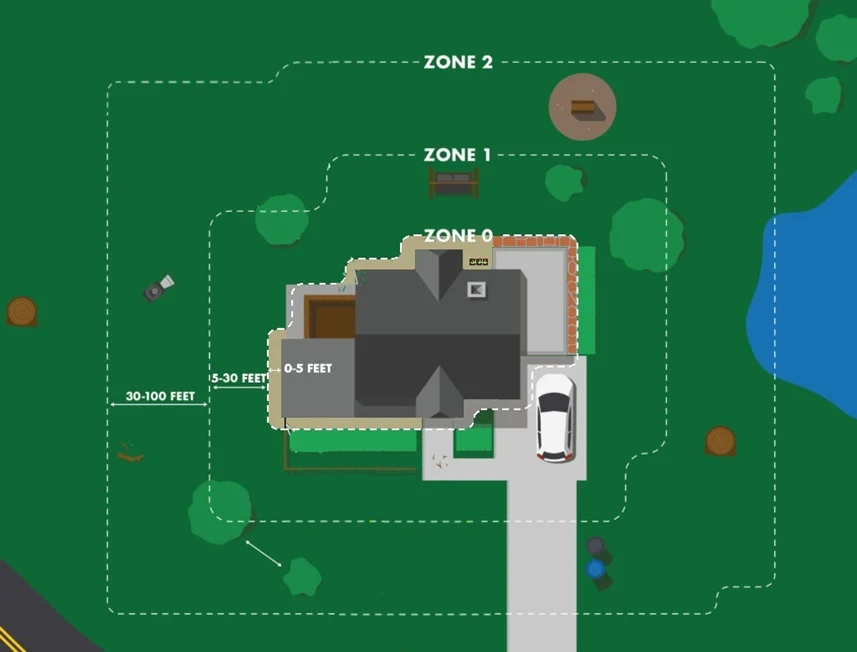
Zone 0 is the first 0 to 5 feet around a home or structure. It is also known as the ember-resistant zone because this area is the closest line of defense during a wildfire. In California, the main concern is not only direct flames. Wind-blown embers can travel ahead of a fire, land next to the house, and ignite combustible materials near walls, doors, windows, decks, fences, and gates. That is why Zone 0 focuses on reducing or removing flammable materials closest to the home and replacing them with safer, non-combustible options where possible.
Why the First 5 Feet Matter
The first 5 feet matter because anything that burns in this area can transfer heat and flame directly to the structure. A wood fence connected to the house, dry mulch near the wall, leaves under a gate, or a combustible patio feature can become an ignition point. Once fire reaches the structure, the risk increases quickly. Zone 0 is designed to create a cleaner, more defensible space around the home by limiting what can catch fire directly next to the building.
Why Fences and Gates Are a Major Concern
Fences and gates are one of the biggest Zone 0 concerns because they often connect directly to the home or run close to exterior walls. A combustible fence can act like a fuse, carrying fire from the property line straight to the structure. This is why many California homeowners are starting to look at aluminum fence and gate systems as a long-term replacement for wood, vinyl, or other combustible materials near the home. Aluminum does not rot, warp, or burn like wood, and it gives homeowners a modern privacy solution that fits the direction of California’s Zone 0 requirements.
What California Homeowners May Need to Replace Before 2027
For California homeowners, Zone 0 is not only about landscaping. It also affects the materials and objects placed closest to the home. The biggest concern is anything combustible within the first 5 feet of the structure. This can include wood fencing, wood gates, vinyl fence sections, dry mulch, firewood, storage boxes, patio furniture, and other items that can ignite from embers. CAL FIRE describes Zone 0 as the first 0 to 5 feet around the home and focuses this area on intense fuel reduction and ember protection. San Diego’s 2026 guidance also states that new fences and gates within Zone 0 must be constructed of non-combustible material.
Combustible Fences and Gates Near the House
One of the first things homeowners should inspect is any fence or gate that touches the house, connects to a side yard, or sits within 5 feet of an exterior wall. A wood fence may look harmless, but during a wildfire, it can carry flames directly toward the structure. Vinyl and composite materials can also create concerns because they are not the same as non-combustible metal systems. Replacing these sections with aluminum gates or aluminum fence panels can help create a cleaner, more fire-conscious transition around the home.
Mulch, Plants, Storage, and Patio Items
Fences and gates are only part of the Zone 0 conversation. Homeowners should also look at what is sitting next to the wall. Dry mulch, dead leaves, overgrown plants, stacked wood, cardboard, plastic storage bins, and outdoor furniture can all become ignition points. The goal is to keep the area closest to the home clean, open, and built with materials that do not easily catch fire. For a modern California property, this is where aluminum fencing, aluminum gates, concrete, stone, gravel, and other non-combustible materials become a smarter long-term choice.
Why Aluminum Is Becoming the Preferred Zone 0 Fence Material
As California moves toward stricter Zone 0 standards, homeowners are looking for fence and gate materials that do not create the same fire risk as wood, vinyl, or composite systems. Aluminum has become one of the strongest options because it is non-combustible, lightweight, modern, low maintenance, and highly customizable. For homes in wildfire-prone areas, especially properties with fences or gates attached to the house, aluminum can help create a cleaner and safer transition within the first 5 feet of the structure. CAL FIRE specifically recommends replacing combustible fencing, gates, and arbors attached to the home with non-combustible alternatives.
Aluminum Does Not Burn Like Wood
Wood fencing is one of the biggest concerns in Zone 0 because it can ignite, spread flame, and carry fire toward the home. Even a small side gate or short fence section can become a direct fire path if it connects to the structure. Aluminum does not burn like wood, does not absorb moisture, and does not rot over time. This makes it a better long-term choice for homeowners who want privacy, curb appeal, and a material that fits the future of California’s wildfire-focused building standards.
Aluminum Gives Homeowners Modern Privacy Without High Maintenance
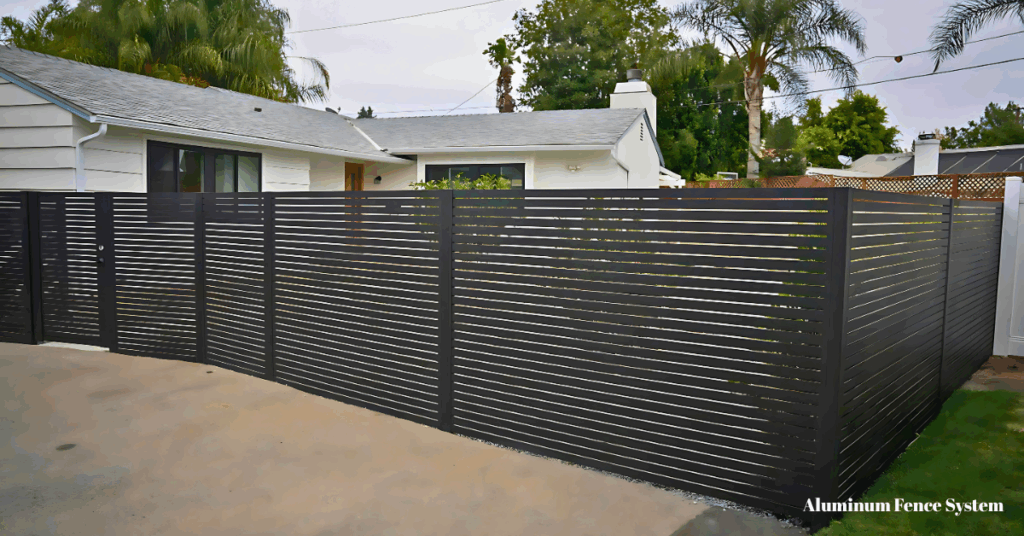
A Zone 0 upgrade does not need to make the property look industrial or unfinished. Modern aluminum systems can be designed with horizontal slats, tongue-and-groove privacy panels, louvered sections, pedestrian gates, sliding driveway gates, and custom powder-coated finishes. This gives homeowners the ability to replace combustible materials while also improving the look of the home. Instead of constantly repainting, staining, repairing, or replacing wood, a powder-coated aluminum system gives the property a cleaner architectural look with less maintenance over time.
How to Inspect Your Fence, Gate, and Side Yard for Zone 0 Risk
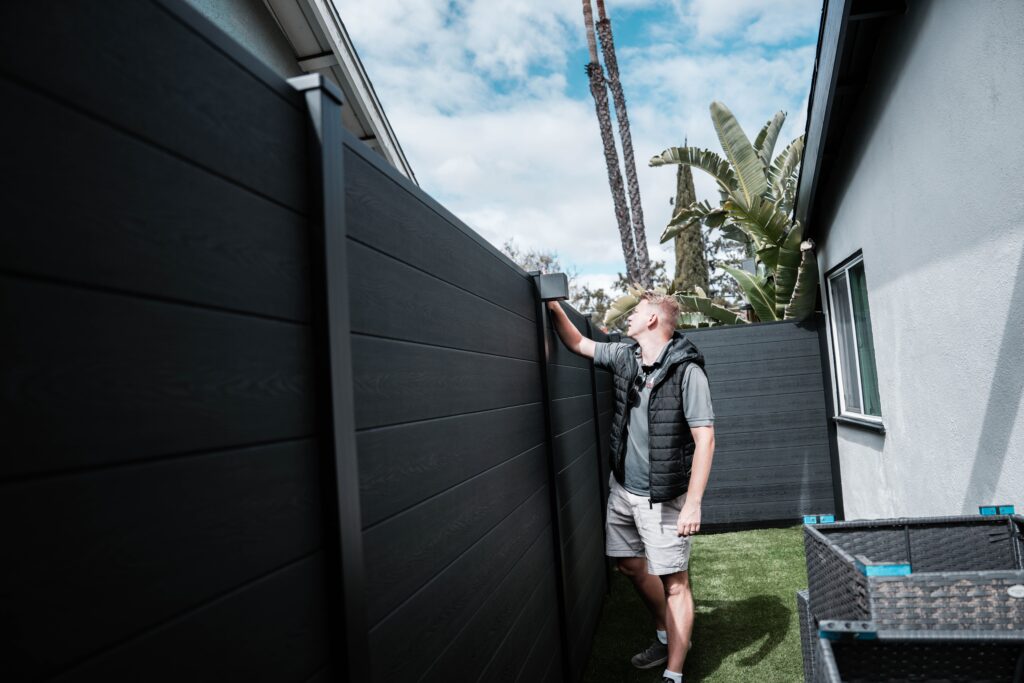
A simple Zone 0 inspection starts by walking the first 5 feet around your home and looking for anything that can burn, trap embers, or carry fire toward the structure. Pay close attention to side yards, gates attached to the house, fence returns, patio covers, wall-mounted screens, and areas where leaves or debris collect. Many homeowners only think about plants and mulch, but fences and gates are often the larger risk because they can physically connect the fire path to the home. If a wood fence or gate touches the house, sits under an eave, or runs next to a wall, that section should be reviewed first.
Start With Any Fence That Touches the Home
The most important area to check is where the fence meets the house. This is common in side yards, backyard returns, pool equipment areas, trash enclosure areas, and pedestrian gate openings. If the material is wood, vinyl, composite, or another combustible product, it may not be the best choice for the Zone 0 area. Replacing that section with a non-combustible aluminum gate or aluminum fence panel can help break the fire path and create a cleaner transition next to the structure.
Look for Ember Traps Around Gates and Corners
Gates and corners often collect leaves, dust, dry grass, cardboard, and small debris. During a wildfire, these areas can become ember traps. Homeowners should check under gates, behind posts, along fence bases, and around gate hardware where flammable material can build up. A strong Zone 0 upgrade is not only about replacing the fence material. It is also about keeping the area clean, reducing fuel, and choosing systems that are easier to maintain over time.
Zone 0 Fence Replacement Cost: What Should Homeowners Budget?
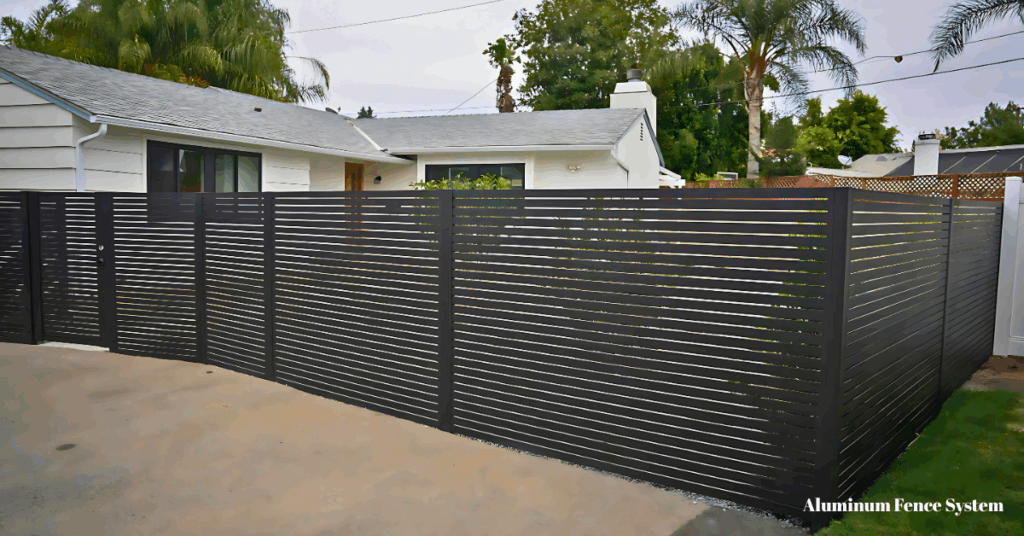
The cost of replacing a fence or gate for Zone 0 depends on the material, height, privacy level, gate size, automation, demolition, site access, powder coating, and how much of the fence is within the first 5 feet of the home. In many cases, homeowners do not need to replace the entire property line at once. The first priority is usually the section that touches the house or sits closest to the structure. In Los Angeles, current cost guides show aluminum fence projects can range widely, with Angi listing aluminum fence costs in Los Angeles from about $2,600 to $23,400 depending on project size and complexity. Automatic gate projects can add more depending on the gate type, motor, safety devices, electrical work, and access control.
Start With the Highest-Risk Areas FirstThe smartest way to budget for Zone 0 is to start with the areas that create the biggest fire path to the home. This usually includes wood gates attached to the house, side-yard fence returns, fence sections under eaves, trash enclosure gates, pool equipment gates, and any combustible fence that connects directly to the structure. By replacing these sections first with aluminum, homeowners can make the most important Zone 0 improvement without always needing to replace the full perimeter immediately.What Affects the Final Price?
Every property is different, so the final price depends on more than just linear footage. A simple aluminum fence panel will cost less than a custom privacy gate, a sliding driveway gate, or a fully automated system with motor, keypad, safety sensors, and electrical work. Height, slope, wall mounting, concrete work, removal of the old fence, color selection, wood-look finishes, and custom fabrication can all affect the budget. For homeowners planning a Zone 0 upgrade, the best approach is to separate the project into priority zones: what touches the home, what sits within 5 feet, and what can be upgraded later.| Budget Item | What It Includes | Budget Impact |
|---|---|---|
| Remove combustible fence section | Demolition and disposal of wood, vinyl, or old gate sections near the home | Varies by access, length, and disposal needs |
| Aluminum fence panels | Modern aluminum slats, privacy panels, louvered panels, or tongue-and-groove systems | Depends on height, style, finish, and linear footage |
| Pedestrian gate | Side-yard gate, trash enclosure gate, pool equipment gate, or home-connected gate | Higher than standard panels because it requires frame, hinges, latch, and hardware |
| Driveway gate | Swing or sliding aluminum gate for vehicle access | Higher cost due to size, structure, posts, and installation requirements |
| Gate automation | Motor, safety sensors, keypad, remote, loops, access control, and electrical work | Adds cost but improves convenience, security, and property value |
| Powder-coated finish | Durable architectural finish in standard colors, textured colors, or wood-look options | Depends on color, finish type, and project size |
| Custom site conditions | Slope, concrete core drilling, wall mounting, tight access, old posts, or custom fabrication | Can increase labor and installation cost |
How to Choose the Right Zone 0 Fence and Gate Replacement
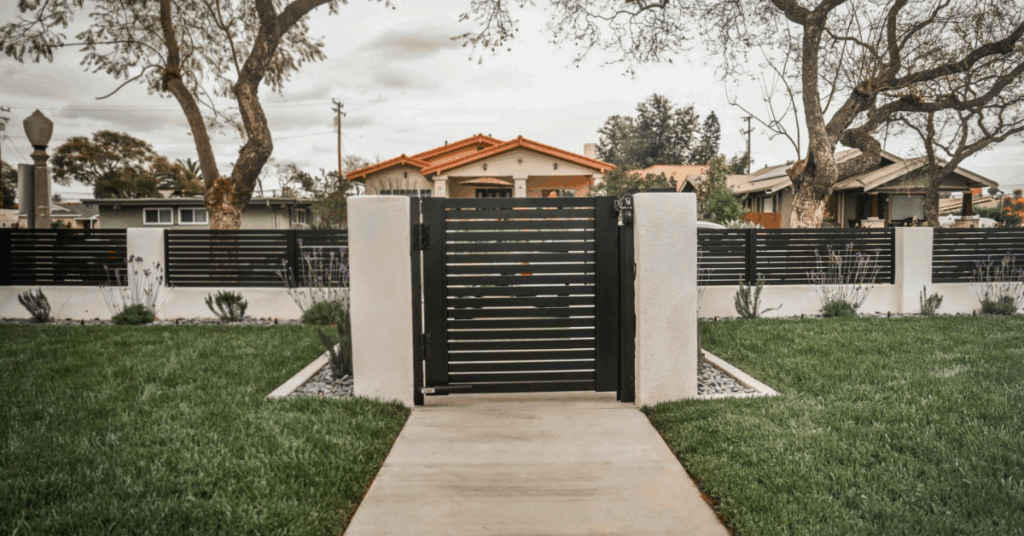
Choosing a Zone 0 fence replacement is not only about removing wood. The new system should be non-combustible, durable, properly installed, and designed to match the home. A good replacement should break the fire path near the structure while still giving the homeowner privacy, security, and curb appeal. This is why many California homeowners are moving toward architectural aluminum systems instead of simply replacing old wood with more wood. The right aluminum fence or gate can improve the look of the property while also making the first 5 feet around the home easier to maintain.
Choose a Non-Combustible Material First
The first decision should always be material. In the Zone 0 area, homeowners should avoid replacing combustible fencing with another combustible product. Wood, vinyl, and composite materials may look clean when new, but they do not offer the same fire-conscious advantage as aluminum. A properly built aluminum fence or gate gives homeowners a long-term material upgrade that fits modern California fire safety direction, especially when the section is attached to the home or located close to exterior walls.
Make Sure the System Is Built for the Property
Not every aluminum system is the same. A small side gate, a privacy fence, a driveway gate, and a motorized sliding gate all require different framing, posts, hardware, and installation methods. Homeowners should look for a system that is built for the actual opening, slope, wall condition, and daily use of the property. At Globus Gates, every project can be designed around the home, including aluminum privacy panels, pedestrian gates, driveway gates, wall-mounted sections, custom colors, and modern powder-coated finishes that match the architecture.
Common Zone 0 Fence Replacement Mistakes to Avoid
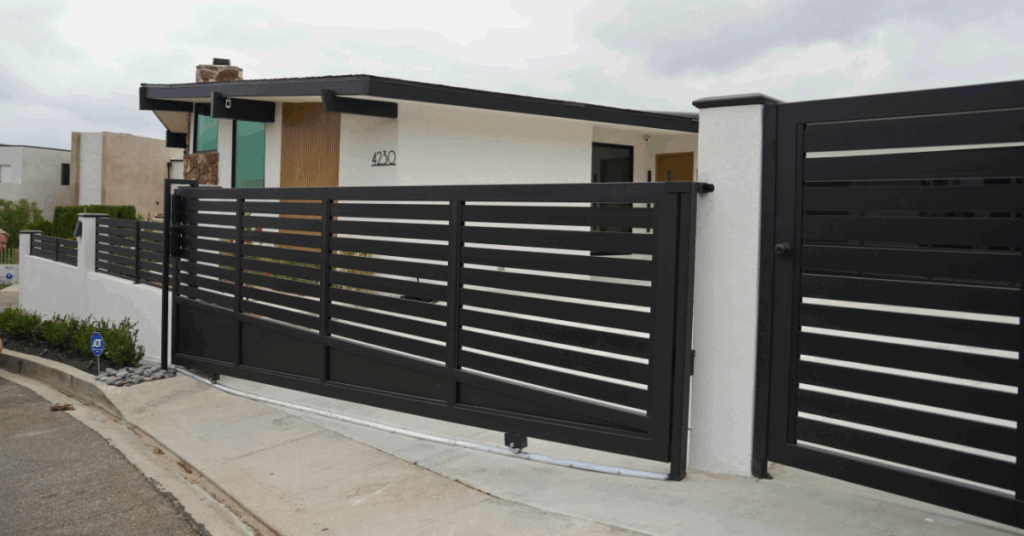
Many homeowners understand that Zone 0 is important, but they make the mistake of only looking at plants, mulch, or yard cleanup. The fence and gate system can be just as important, especially when it touches the house or sits directly beside exterior walls. A true Zone 0 upgrade should look at the full fire path: the fence material, gate material, posts, debris buildup, hardware area, and anything combustible attached to the home. Replacing one item while ignoring the rest can leave the same weak point in place.
Replacing Wood With Another Combustible Material
One common mistake is removing an old wood fence and replacing it with another material that still does not solve the Zone 0 concern. Vinyl, composite, and certain decorative materials may look modern, but they are not the same as a non-combustible aluminum system. If the fence or gate is within 5 feet of the home, the safer long-term approach is to choose a material that supports the purpose of Zone 0 instead of simply choosing the cheapest replacement.
Ignoring the Gate, Posts, and Connection Points
Another mistake is replacing fence panels but leaving the old wood gate, wood post, or combustible connection point attached to the house. These small sections matter because they can still carry fire toward the structure. Homeowners should inspect the full assembly, including the gate frame, latch side, hinge side, posts, wall connection, and the area below the gate. A clean aluminum gate system with proper installation can help remove the weak link and create a more complete Zone 0 upgrade.
Final Thoughts: Zone 0 Is the Future of California Fence and Gate Design
Zone 0 is changing the way California homeowners think about fences, gates, and outdoor materials near the home. The first 5 feet around the structure is no longer just a landscaping detail. It is one of the most important areas to inspect for fire risk, ember exposure, and combustible materials. For many properties, the biggest upgrade starts with removing wood, vinyl, or other combustible fence and gate sections that touch the house or sit close to exterior walls. Aluminum gives homeowners a modern, low-maintenance, non-combustible solution that fits the direction of California’s Zone 0 requirements while improving privacy, security, and curb appeal.
At Globus Gates, we manufacture and install custom aluminum gates, fences, patio covers, wall cladding, and outdoor systems for California homeowners who want a cleaner, stronger, and more future-ready property. If your fence, gate, or patio structure is within 5 feet of your home, now is the time to review your options before 2027.
Frequently Asked Questions
What is Zone 0 in California?
Zone 0 is the first 0 to 5 feet around a home or structure. This area is also known as the ember-resistant zone because it is designed to reduce the chance of wind-blown embers igniting materials next to the home. Zone 0 focuses on removing or reducing combustible items such as wood fencing, dry vegetation, mulch, firewood, and other flammable materials closest to the structure.
Do I need to replace my wood fence before 2027?
If your wood fence is within 5 feet of the home, touches the structure, or connects directly to the house, it should be reviewed as part of your Zone 0 plan. California guidance is moving toward stricter ember-resistant requirements, especially in high fire-risk areas. Replacing the highest-risk sections first, such as side-yard gates and fence returns attached to the home, is usually the smartest place to start.
Are aluminum fences Zone 0 compliant?
Aluminum is a non-combustible material, which makes it a strong choice for Zone 0 fence and gate replacement. However, compliance can depend on local rules, installation details, the full assembly, and the property location. Homeowners should always check local fire department or building department requirements, especially in Very High Fire Hazard Severity Zones.
What fence materials should I avoid in Zone 0?
In the first 5 feet around the home, homeowners should be careful with combustible materials such as wood, vinyl, composite, dry brush, mulch, and other items that can ignite from embers. For fences and gates attached to the home, non-combustible materials such as aluminum, steel, masonry, concrete, or similar fire-conscious materials are usually a better long-term choice.
Can Globus Gates replace only the section near my house?
Yes. In many cases, the entire fence does not need to be replaced at once. Globus Gates can help homeowners focus on the most important Zone 0 areas first, including wood gates attached to the house, side-yard fence returns, trash enclosure gates, pool equipment gates, and combustible sections within 5 feet of the structure. This allows homeowners to upgrade the highest-risk areas first while planning the rest of the property in phases.
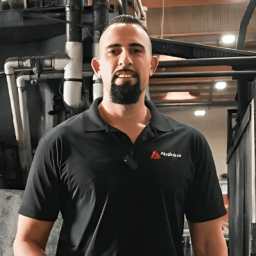
Ronnie is the CEO and Co-Founder of Globus Gates, bringing hands-on leadership and industry experience to the company’s aluminum gates, fences, patio covers, wall cladding, and exterior systems. His insights focus on helping homeowners, contractors, designers, and builders understand durable, modern, factory-direct, and non-combustible aluminum solutions built for long-term performance.