
Modern architecture demands materials that combine style, performance, and longevity—and aluminum wall cladding delivers all three. From luxury homes to commercial high-rises, aluminum has become the designer’s top choice for strong, sustainable, and beautiful façades.
In this in-depth guide, we’ll explore eight reasons why aluminum wall cladding stands out as one of the smartest investments for today’s builders, architects, and homeowners.
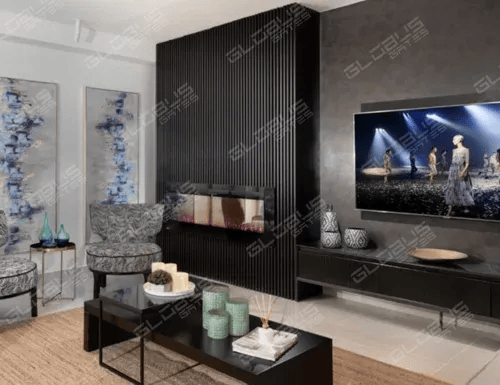
Built for Durability and Weather Resistance
Aluminum is naturally resistant to rust, corrosion, and UV damage. Whether you’re building in a coastal region or an urban environment, aluminum panels maintain their structural integrity and finish for decades.
Unlike wood or vinyl siding, which can rot or warp, aluminum cladding stands strong against wind, rain, and temperature changes. Its powder-coated surface adds another layer of protection that prevents fading and chalking.
That’s why many architects rely on it for long-term performance in harsh climates.
| Material | Lifespan (Years) | Corrosion Resistance | Maintenance |
|---|---|---|---|
| Aluminum | 25–40 | Excellent | Very Low |
| Steel | 15–25 | Moderate | Moderate |
| Wood | 10–15 | Poor | High |
| Vinyl | 15–20 | Moderate | Moderate |
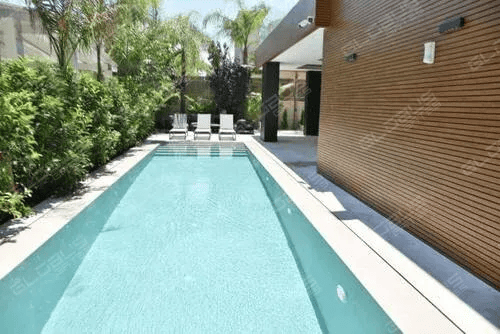
Lightweight Strength Reduces Structural Load
One of aluminum’s most impressive qualities is its high strength-to-weight ratio. It’s roughly one-third the weight of steel while maintaining outstanding rigidity.
This makes installation faster, easier, and safer—especially for large-scale or multi-story façades. Contractors benefit from lower shipping costs, reduced support framing, and simplified handling during installation.
Fewer loads on the structure mean longer building life and greater design flexibility for architects.
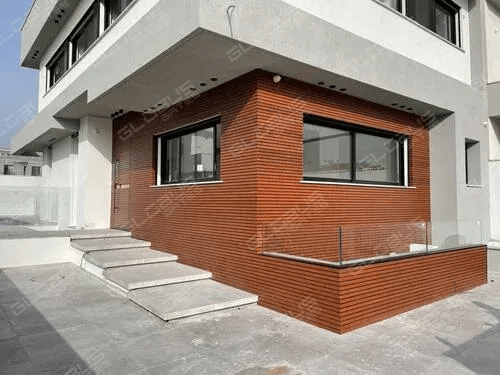
Modern Design Flexibility and Aesthetic Options
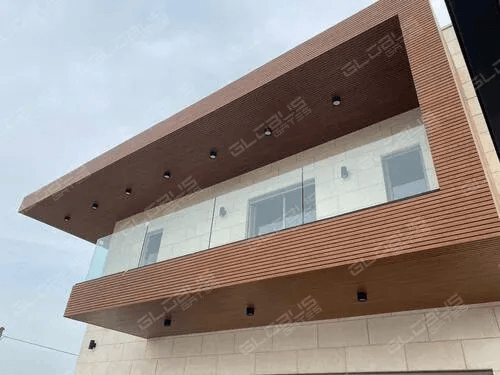
No other cladding material offers as much versatility. Aluminum wall cladding can be fabricated in smooth, perforated, or textured panels, allowing architects to create unique and eye-catching façades.
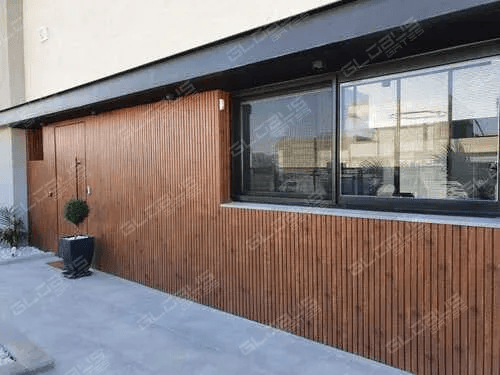
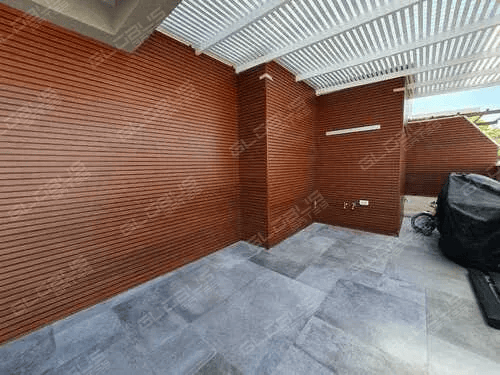
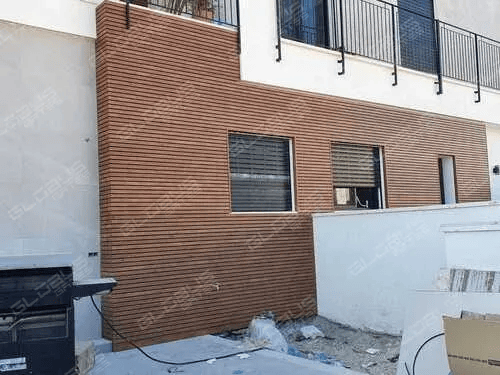
Advanced powder-coating technology means thousands of color and finish combinations—ranging from industrial metallics to woodgrain finishes like teak, walnut, or red oak.
Popular Aluminum Cladding Finishes
Textured matte black and graphite gray
Brushed silver and champagne anodized
Woodgrain imitation for warm natural appeal
Custom RAL and architectural color options
Perforated decorative patterns for airflow and light play
This design freedom makes aluminum ideal for both modern commercial towers and contemporary homes seeking minimalist elegance.
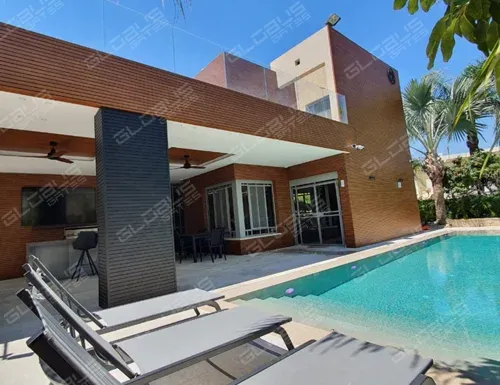
Low Maintenance, High Value
A key reason property owners choose aluminum cladding is its maintenance simplicity. No repainting, no sealing, and no heavy cleaning schedules.
A light wash with mild soap and water once or twice a year keeps panels looking new. Because aluminum doesn’t absorb moisture, it prevents mold, cracking, or staining—common problems with wood or fiber cement siding.
Over time, the savings on repairs and repainting easily offset the initial investment, making it a cost-effective exterior solution.
Fire Resistance and Safety Assurance
Safety is non-negotiable in today’s construction standards. Aluminum is a non-combustible metal, meaning it does not ignite, burn, or produce toxic fumes under heat exposure.
High-grade panels comply with strict international codes such as ASTM E136 and NFPA 285, making them suitable for schools, hospitals, and high-rise buildings.
This fire resistance adds long-term value for developers seeking both performance and compliance with safety regulations.
Energy Efficiency and Thermal Performance
When paired with proper insulation or a ventilated rain-screen system, aluminum wall cladding contributes to excellent thermal regulation. It reflects sunlight, reducing interior heat gain during summer and helping retain warmth in winter.
This translates to measurable reductions in HVAC energy use—ideal for energy-conscious designs and LEED-certified projects.
The result: cooler buildings, lower utility bills, and a smaller carbon footprint.
Eco-Friendly and Fully Recyclable Material
Sustainability is one of aluminum’s greatest strengths. The material is 100 % recyclable and maintains its structural properties indefinitely, even after multiple reuses.
Manufacturers today use up to 70 % recycled billet in new extrusions, lowering carbon emissions dramatically. Combined with long life and minimal maintenance, aluminum cladding ranks among the most eco-friendly building materials available.
Choosing aluminum means contributing to a greener construction cycle without sacrificing durability or design.
This translates to measurable reductions in HVAC energy use—ideal for energy-conscious designs and LEED-certified projects.
The result: cooler buildings, lower utility bills, and a smaller carbon footprint.
Long-Term Return on Investment
A high-quality cladding system offers decades of service with almost zero maintenance, meaning lower operating costs and higher property value.
For developers, this means better ROI; for homeowners, it means a one-time investment that adds style and protection for years. Aluminum’s sleek, modern aesthetic increases curb appeal, while its resilience ensures your façade continues to look new far longer than alternatives.
Partnering with a professional aluminum cladding company guarantees proper installation, weatherproof detailing, and a manufacturer’s warranty—critical for maximizing lifespan and performance.
Conclusion: Smart Design That Lasts Decades
Choosing aluminum wall cladding means combining architectural beauty with long-term reliability. It’s lightweight yet strong, eco-friendly yet luxurious, and engineered to handle the toughest conditions.
From residential renovations to commercial façades, it delivers the durability, efficiency, and aesthetics that define modern design.
If you want factory-direct panels with certified coatings and cutting-edge designs, explore ALU Globus Fence — the trusted source for architectural aluminum systems that last for generations.
Ronnie is the CEO and Co-Founder of Globus Gates, bringing hands-on leadership and industry experience to the company’s aluminum gates, fences, patio covers, wall cladding, and exterior systems. His insights focus on helping homeowners, contractors, designers, and builders understand durable, modern, factory-direct, and non-combustible aluminum solutions built for long-term performance.