
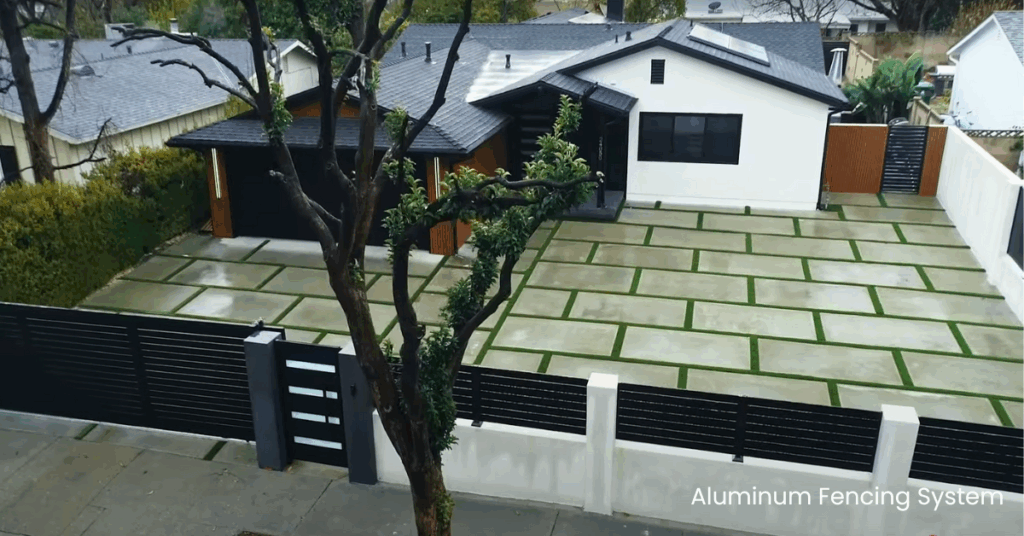
If you are comparing aluminum fence vs vinyl fence Southern California, you are probably trying to answer one question: which fence material actually makes sense for your home long term? Both options can look clean in photos, but Southern California conditions are not gentle. Sun, heat, fire exposure, slope, gates, privacy needs, and installation conditions can all change the final decision.
A homeowner may see a vinyl fence advertised as low maintenance, then see a modern aluminum fence Los Angeles project and wonder why the systems are priced differently. The real answer is not only about appearance. It is about durability, heat performance, fire-conscious material planning, gate strength, finish quality, installation scope, and budget.
Before choosing a fence, homeowners should understand how the full system works. A fence is not just the panel. It includes posts, frames, hardware, finish, gates, layout, and the conditions around the property.
What Buyers Usually Get Wrong
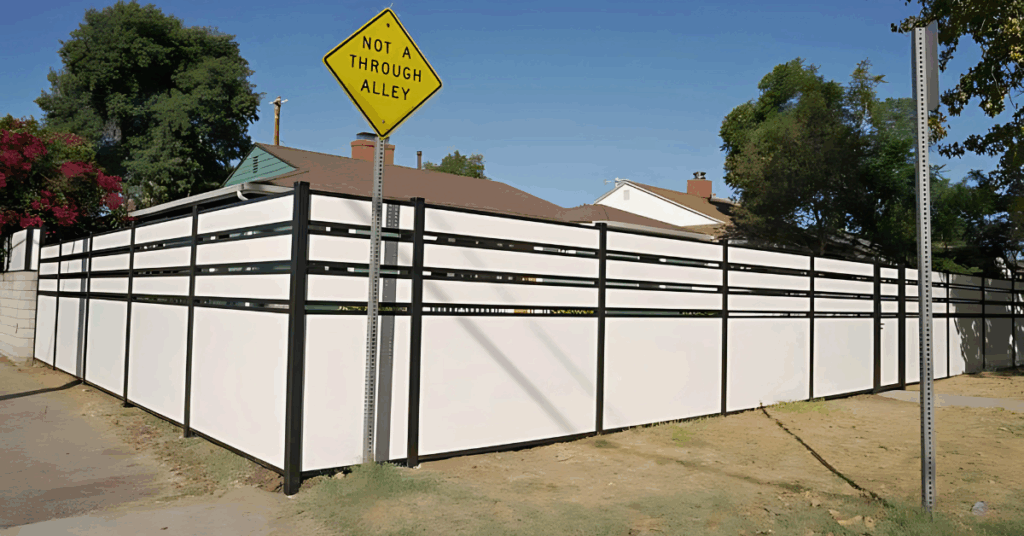
Many homeowners compare fence materials by photo and starting price. That can lead to the wrong choice. A fence that looks good online may not perform the same way in direct sun, high heat, hillside conditions, coastal air, or heavy-use gate areas.
Vinyl may be attractive because it can appear clean and simple at first. Aluminum may cost more depending on the system, but it can offer a stronger modern look, better gate options, non-combustible material value, and a longer-term low maintenance fence solution for many properties.
The Difference Between Product and System
A fence is not one isolated product. It is a complete system made from panels, posts, profiles, frames, gates, brackets, hardware, caps, finish, and installation method.
This matters because a straight fence run, privacy wall, pedestrian gate, driveway gate, wall topper, and sloped property do not all need the same solution. The system should match the actual opening, the desired privacy level, the site conditions, and the homeowner’s long-term goals.
Why Early Planning Saves Money
Early planning helps avoid rework, delays, and budget surprises. Photos, rough measurements, finish choices, gate details, wall conditions, slope, and hardware decisions should be reviewed before final pricing.
When the project is planned early, the quote becomes cleaner. The homeowner can compare materials more fairly and understand whether vinyl or aluminum makes more sense for the actual property.
How the Aluminum System Works
A modern aluminum fence system usually includes aluminum slats or panels, posts, gate frames, caps, brackets, hinges, locks, and powder coated finish. Depending on the property, it may also include pedestrian gates, driveway gates, wall topper sections, privacy panels, or custom color planning.
The goal is to create a clean modern privacy fence that fits the property and performs outdoors. The system has to stay aligned, support the gates, handle daily use, and maintain its appearance in Southern California conditions.
Main Components to Understand
The main components include the fence profiles, posts, frames, gates, hardware, and finish.
Profiles or slats control the design and privacy level. Posts support the system. Gate frames are important because gates move and carry hardware. Hinges, locks, latches, and automation options affect daily use. Powder coating protects the aluminum surface and controls the finished look.
Where Generic Options Fall Short
Generic fence options may work for simple projects, but they can fall short when the property has slope, wide openings, custom gates, wall conditions, or fire-conscious planning needs.
Vinyl can be a popular option, but homeowners should evaluate vinyl fence heat performance, movement, brittleness, repair expectations, and fire exposure. Thin materials or unclear product specs can also create long-term problems. A professional aluminum fence system should be selected for the actual property, not just the catalog photo.
Material, Finish, and Durability Factors
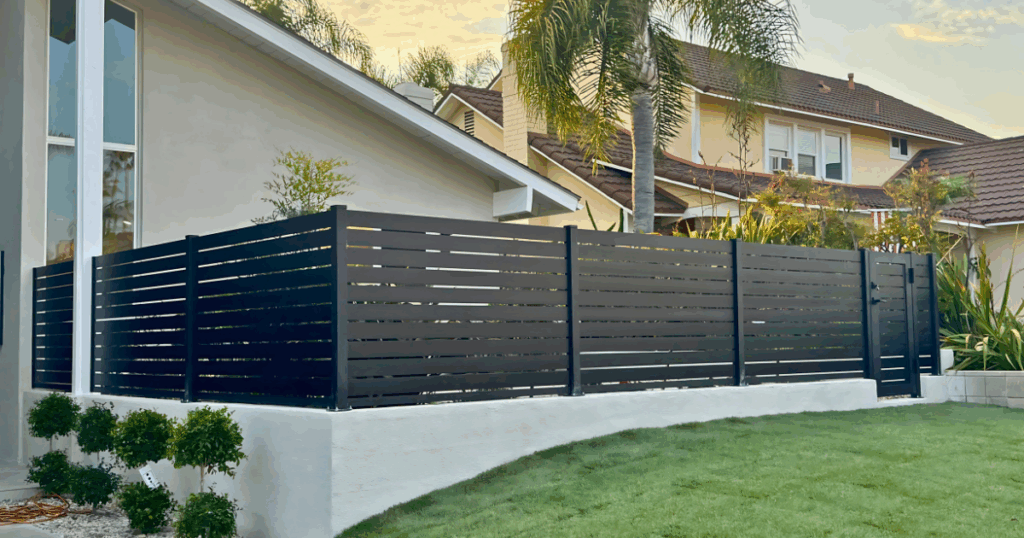
Southern California homeowners should compare aluminum and vinyl based on real conditions: heat, sun exposure, fire exposure, maintenance, privacy, appearance, and repair expectations.
Aluminum is often chosen as a vinyl fence alternative because it offers a modern look, strong frame options, powder coated finishes, and non-combustible material value. Vinyl may be lower cost in some cases, but it should be evaluated carefully in high sun, high heat, and wildfire-sensitive areas.
Heat and Sun Exposure
Outdoor materials should be judged by how they perform after years of sun and heat, not only how they look on installation day. Southern California properties can see strong UV exposure, long dry seasons, and high surface temperatures.
With vinyl, homeowners often ask about fading, movement, brittleness, and heat exposure over time. With aluminum, the focus is usually profile quality, powder coating, color selection, and long-term finish performance.
Fire-Conscious Material Decisions
In wildfire-sensitive areas, homeowners often compare combustible or melt-prone materials against non-combustible metal systems. This is especially important near the home, side yards, gates, and fence sections that connect close to a structure.
Aluminum is a non-combustible material, which makes it a strong option for homeowners looking for a fire-conscious fence upgrade. It is not a promise that a fence is fireproof, but it is an important material difference when comparing aluminum, vinyl, wood, and composite systems.
Planning the Project Before Ordering
Before ordering a fence, the project should be reviewed with the right information. The goal is to understand the property before choosing the material, finish, gate type, and installation scope.
Important details include project location, rough measurements, fence height, total linear footage, gate openings, desired privacy, wall conditions, post locations, slope, finish preference, and whether the project includes gates or automation.
Photos That Help the Quote
Good photos make the quote process much easier. Send wide photos of the full property area so the team can understand the layout. Include close-up photos of the opening, existing fence, side angles, walls, posts, concrete, slope, and any obstructions.
For gates, show the full opening, left side, right side, hinges, latch area, and any existing motor or access control equipment. For privacy fences, show the full fence line and the areas where visibility is most important.
Measurements That Matter
The most useful measurements include total linear footage, desired height, opening width, post location, wall condition, ground slope, and clearance.
If the project includes gates, note whether they are pedestrian gates, driveway gates, swing gates, sliding gates, or motorized gates. If the fence connects to stucco, concrete, columns, or retaining walls, those conditions should be reviewed before final production.
Cost and Budgeting
Aluminum fence cost depends on system type, profile size, total footage, height, finish, gates, hardware, fabrication, delivery, and installation needs. Vinyl fence pricing can also change based on height, style, posts, gates, color, removal, and installation conditions.
This section is meant as an educational guide, not a final quote. The best comparison is not the cheapest starting price. The best comparison is the complete installed system and how it performs over time.
| Budget Item | What Changes the Cost | Planning Note |
|---|---|---|
| Material system | Profile size, wall thickness, frame type, and total linear footage. | Confirm the exact system before comparing quotes. |
| Finish | Standard powder coat, custom color, or wood-look finish. | Lock the color early to avoid schedule changes. |
| Gates and hardware | Pedestrian gates, driveway gates, hinges, locks, motors, and accessories. | Gate details often change the budget more than fence panels. |
| Site or project complexity | Slope, opening width, posts, walls, access, and delivery distance. | Photos and rough measurements help create a cleaner estimate. |
| Labor or install support | Supply-only, contractor install, or full service installation where available. | Separate material cost from labor for a better comparison. |
How to Compare Quotes Fairly
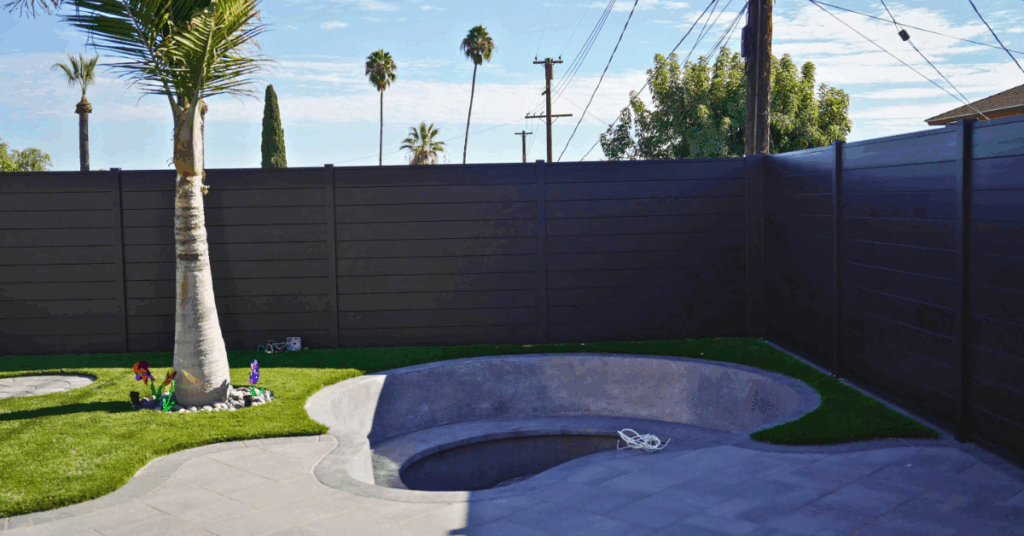
When comparing aluminum and vinyl fence quotes, do not look only at the final number. Compare material type, profile size, post system, frame strength, gate construction, hardware, finish, removal scope, installation labor, delivery, and warranty language.
One quote may include a basic fence panel only. Another may include stronger posts, custom gates, better hardware, powder coating, removal, and full installation. Those are not the same scope.
Compare the Same Fence Layout
Before choosing a quote, make sure each company is pricing the same layout. Confirm total footage, height, gate count, gate size, privacy level, post locations, wall connections, and any sloped areas.
A quote for a straight vinyl fence run should not be compared directly to a custom aluminum fence with gates, powder coating, and heavier framing unless the scope is adjusted.
Check What Is Included
Ask whether the quote includes posts, caps, hinges, locks, brackets, fasteners, finish, removal of old fencing, delivery, and installation.
For gate areas, confirm the frame type and hardware. Gates are often where cheaper fence systems show weakness first. A clean fence panel is important, but the gate needs to work every day.
Common Mistakes to Avoid
The biggest mistake is choosing a fence material based only on first-day appearance. A fence should look good, but it also needs to handle heat, sun, fire exposure, maintenance expectations, gate use, and site conditions.
Other common mistakes include ignoring gate framing, choosing the finish too late, underestimating slope, comparing incomplete quotes, and not thinking about the first 5 feet around the home in wildfire-sensitive areas.
Choosing the Wrong System for the Opening
Every opening has its own conditions. A fence panel, pedestrian gate, driveway gate, wall topper, patio cover, or cladding section must match the physical conditions of the property.
For gates, frame strength and hardware matter as much as the style. For privacy sections, post placement and profile spacing affect the final look. For areas near the home, material choice should be reviewed carefully.
Ignoring Long-Term Maintenance
Exterior systems should be judged by finish quality, strength, corrosion resistance, fire-conscious material choice, and ease of ownership.
Vinyl may be marketed as low maintenance, but homeowners should consider heat, fading, movement, brittleness, and repair expectations. Aluminum is often chosen because it does not rot like wood and can provide a clean, durable, lower-maintenance result when paired with a quality powder coated finish
How to Move From Research to Quote
Request a call
The best next step is to send photos and rough measurements to Globus Gates. This allows the team to review the property, compare your goals, and recommend whether an aluminum fence system makes sense for your home.
Whether the project is a modern privacy fence, side yard gate, driveway gate, wall topper, or full fence installation LA project, the quote should be based on the actual site conditions.
Visit globusgates.com or call (424) 522-2143 to start the project review.
What to Send
Send wide photos of the property area, close-up photos of openings, rough measurements, desired height, total linear footage, project location, color preference, and any must-have features.
If you are replacing vinyl, wood, or older fencing, include photos of the existing material and any areas near the home, wall, gate, slope, or driveway. If gates are included, send the opening size and photos of both sides.
What Happens Next
The Globus Gates team can review the project, ask for any missing details, guide product selection, and help create a more accurate quote based on actual property conditions.
This helps homeowners move from online research to a practical plan with clearer expectations around material choice, cost, installation, and long-term performance.
Final Thoughts
Choosing aluminum fence vs vinyl fence Southern California should be based on the actual project, not just a photo or a low number. The right fence depends on heat exposure, fire-conscious material planning, privacy needs, gate strength, finish quality, maintenance expectations, and installation conditions.
Vinyl may work for some simple projects, but aluminum is often a stronger option for homeowners who want a modern look, non-combustible material value, and a durable low maintenance fence system.
Frequently Asked Questions
What is the first step for aluminum fence vs vinyl fence Southern California?
The first step is to send wide photos, close-up photos, rough measurements, project city, and a short note about the style or system you want. This gives the team enough context to guide the next step.
How accurate can pricing be without final measurements?
A rough range may be possible with photos and approximate dimensions, but final pricing depends on confirmed sizes, finish, hardware, delivery, removal scope, and installation scope.
Can I choose custom colors or wood-look finishes?
Yes. Standard colors, custom colors, and wood-look finishes may be available depending on the aluminum system. Finish selection should be confirmed early because it can affect production timing.
What details change the budget the most?
Size, profile type, frame strength, gates, hardware, automation, finish, delivery, site access, removal scope, and installation complexity usually have the biggest effect on budget.
Why work with a direct manufacturer or installer?
Working with the source can make the process clearer because product selection, fabrication details, finish, hardware, and project planning are handled with better product knowledge.
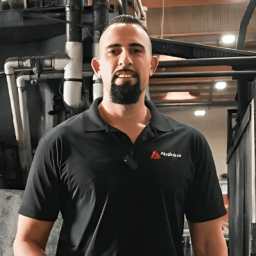
Ronnie is the CEO and Co-Founder of Globus Gates, bringing hands-on leadership and industry experience to the company’s aluminum gates, fences, patio covers, wall cladding, and exterior systems. His insights focus on helping homeowners, contractors, designers, and builders understand durable, modern, factory-direct, and non-combustible aluminum solutions built for long-term performance.