


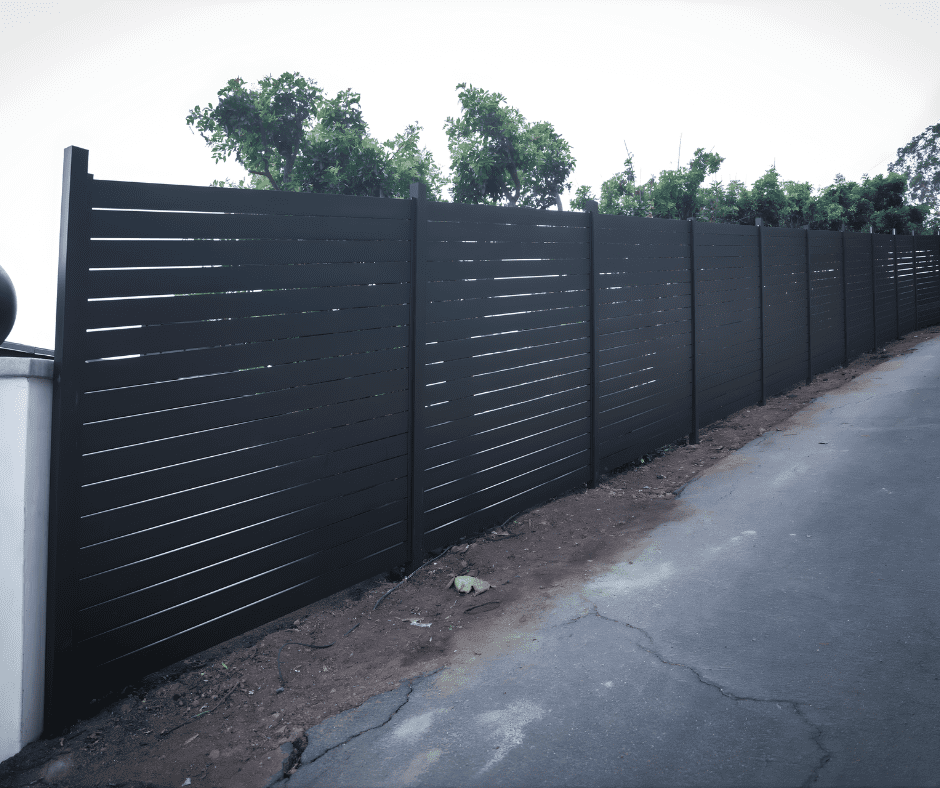
Choosing the right fence material is a long-term investment decision. Homeowners are no longer focused only on appearance—they want a fence that lasts for decades, requires minimal upkeep, and performs well in changing weather conditions. This is why the comparison between aluminum vs wrought iron fences has become so popular.
Both materials offer strength and elegance, but they differ significantly in durability, maintenance needs, and long-term value. In this guide, we’ll break down the differences to help you decide which fencing option offers better longevity and lower maintenance for your property.
Understanding Aluminum and Wrought Iron Fencing
Before comparing performance, it’s important to understand what sets these two materials apart.
What Is an Aluminum Fence?
Aluminum fencing is a lightweight yet strong metal fencing option designed to mimic the appearance of traditional wrought iron. It is manufactured using corrosion-resistant aluminum alloys and is typically finished with a protective powder coating. Because aluminum does not contain iron, it does not rust, making it a popular choice for homeowners seeking a low-maintenance fence solution.
Aluminum fences are commonly used for residential properties, pool enclosures, gardens, and decorative perimeter fencing. They offer a clean, modern look while still providing security and durability.
What Is a Wrought Iron Fence?
Wrought iron fencing is known for its classic elegance, strength, and ornate design potential. Made primarily from iron, this fencing style has been used for centuries and is often associated with historic homes and luxury properties. Wrought iron is extremely strong and difficult to bend or break, making it an excellent choice for security-focused applications.
However, because it contains iron, wrought iron is vulnerable to rust if not properly maintained, especially in humid or coastal environments.
Longevity Comparison: Which Fence Lasts Longer?
One of the most common questions homeowners ask is, “Which fence lasts longer—aluminum or wrought iron?” The answer depends largely on environmental exposure and maintenance commitment.
Aluminum Fence Longevity
Aluminum fencing is designed for long-term durability with minimal intervention. Because aluminum naturally resists corrosion, it performs exceptionally well in rain, snow, humidity, and even coastal conditions. A high-quality aluminum fence can easily last 30 to 50 years or more without structural degradation.
The powder-coated finish further protects the metal from fading, peeling, or cracking, allowing the fence to maintain its appearance over time.
Wrought Iron Fence Longevity
Wrought iron fences are structurally very strong and can last for generations when properly maintained. However, longevity is closely tied to upkeep. Exposure to moisture can lead to rust, which weakens the metal over time if left untreated.
In dry climates with regular maintenance, wrought iron fencing can last just as long as aluminum. In wet or humid areas, its lifespan may be significantly reduced without consistent care.
Maintenance Requirements: Which Fence Is Easier to Maintain?
When comparing low-maintenance fencing, aluminum and wrought iron perform very differently.
Aluminum Fence Maintenance
Aluminum fencing is one of the lowest-maintenance fence options available. It does not rust, chip, or require repainting. Occasional rinsing with water and mild soap is usually enough to keep it looking new. The powder-coated finish remains intact for years, reducing the need for repairs or refinishing.
This makes aluminum an excellent choice for busy homeowners, rental properties, and vacation homes.
Wrought Iron Fence Maintenance
Wrought iron requires ongoing maintenance to prevent rust and deterioration. This typically includes periodic inspections, sanding rust spots, repainting, and applying protective coatings. Over time, these maintenance tasks add both cost and labor.
While the fence can remain beautiful with proper care, it demands more attention than aluminum to maintain its strength and appearance.
Weather Resistance and Environmental Performance
Climate plays a major role in fence performance. Aluminum fences handle rain, snow, and humidity exceptionally well due to their corrosion-resistant properties. They are also ideal for coastal regions where salt air accelerates rust in iron-based materials.
Wrought iron performs best in dry, stable climates. In areas with frequent rain or temperature fluctuations, rust prevention becomes an ongoing concern.
Cost Over Time: Initial Price vs Long-Term Value
At first glance, wrought iron fencing often has a higher upfront cost due to material weight and installation complexity. Aluminum fencing is generally more affordable initially and easier to install.
Over time, aluminum fencing proves to be more cost-effective because it requires little to no maintenance. Wrought iron fences may incur recurring costs for repainting, rust repair, and maintenance services, increasing total ownership costs.
Appearance, Style, and Customization
Many homeowners worry that choosing aluminum means sacrificing appearance. Modern aluminum fencing is designed to closely resemble wrought iron, offering decorative finials, picket styles, and custom designs.
Wrought iron still holds an edge in intricate, handcrafted detailing, making it ideal for historic or luxury properties. Aluminum, however, provides a nearly identical look with a cleaner, more uniform finish and fewer maintenance concerns.
Safety and Strength Comparison
Wrought iron is heavier and stronger than aluminum, making it more resistant to impact and forced entry. For high-security applications, wrought iron may be preferred.
Aluminum fencing, while lighter, is still strong enough for most residential needs and offers excellent perimeter protection when properly installed.
Which Fence Is Better for Low-Maintenance Homeowners?
For homeowners prioritizing longevity and low maintenance, aluminum fencing is the clear winner. It resists rust, handles harsh weather conditions, and maintains its appearance with minimal effort.
Wrought iron is best suited for homeowners who value traditional aesthetics and are willing to invest time and money into maintenance to preserve its beauty.