


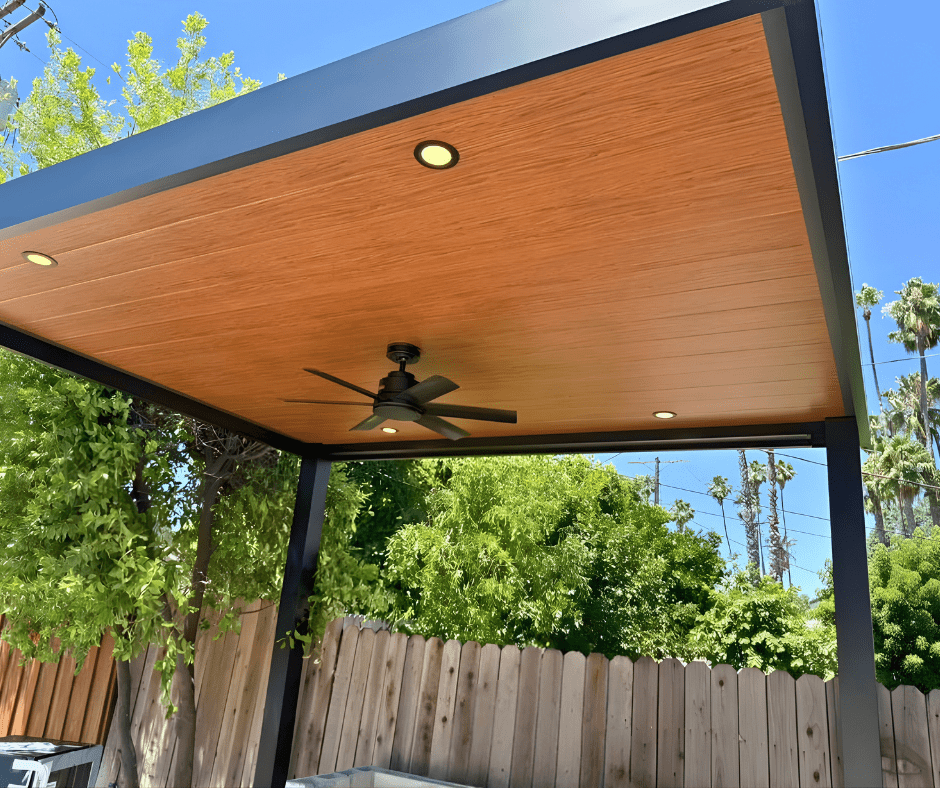
Modern outdoor living has evolved far beyond a simple patio with outdoor furniture. Today’s homeowners want cohesive, functional spaces that feel like a true extension of the home. An attached patio cover pergola delivers exactly that by blending architecture, comfort, and lifestyle needs into one seamless outdoor feature. Because it connects directly to the house, this type of pergola creates a natural transition between indoor and outdoor spaces, enhancing usability and visual appeal.
Attached pergolas are highly versatile. They can provide filtered sunlight or full weather protection depending on the design, making patios usable for dining, entertaining, or relaxing throughout much of the year. With modern materials, clean lines, and flexible roof systems, attached patio cover pergolas are a defining element of contemporary outdoor living. This guide explores design ideas, roof options, use cases, and planning considerations to help you create an outdoor space that fits both your home and lifestyle.
What Is an Attached Patio Cover Pergola?
An attached patio cover pergola is a structure that is anchored directly to the exterior wall of a home and extends outward over a patio or outdoor living area. Unlike freestanding pergolas, which stand independently, attached pergolas rely on the house for part of their support. This creates a more integrated look and often provides better coverage near doors, windows, and interior living spaces.
Attached pergolas can feature open slats, solid roofs, or adjustable systems depending on how much shade and protection is desired. Many homeowners choose attached designs because they feel like a permanent architectural feature rather than an add-on. This makes them especially popular for modern homes, where clean lines and continuity between indoor and outdoor spaces are essential to the overall design.
Benefits of an Attached Patio Cover Pergola
An attached patio cover pergola offers both functional and aesthetic advantages. One of the biggest benefits is the seamless indoor-outdoor connection it creates. By extending directly from the house, it encourages more frequent use of the patio and enhances daily living.
Attached pergolas also help manage sunlight and weather exposure. They can reduce heat buildup near the home, protect outdoor furniture, and create shaded areas for comfort. From a design standpoint, they add depth and character to the exterior of the house. Many homeowners also view attached pergolas as a value-adding feature, as they enhance curb appeal and expand usable living space without requiring a full room addition.
Modern Attached Pergola Design Ideas
Modern attached pergola designs emphasize simplicity, durability, and visual balance. They are often chosen to complement contemporary architecture while remaining functional and easy to maintain.
Clean-Line Aluminum Attached Pergolas
Aluminum attached pergolas are a top choice for modern outdoor living due to their sleek appearance and low-maintenance performance. Their slim profiles and clean lines pair well with modern and minimalist homes, creating a refined and uncluttered look. Aluminum is also highly resistant to rust, moisture, and insects, making it ideal for long-term outdoor use in a wide range of climates. Homeowners often choose neutral colors such as black, white, or gray to maintain a modern aesthetic. Many aluminum pergolas also support integrated lighting, fans, or motorized roof systems, adding both style and functionality without compromising the clean design.
Wood and Composite Designs for Warm Modern Style
Wood and composite attached pergolas offer a warmer, more natural look while still fitting into modern design schemes. These materials add texture and visual contrast, softening sharp architectural lines and creating a welcoming outdoor atmosphere. Composite materials, in particular, combine the appearance of wood with improved durability and reduced maintenance. When paired with simple structural designs and muted finishes, wood and composite pergolas strike a balance between natural beauty and modern elegance. They are especially popular for homeowners who want a contemporary space that still feels organic and inviting.
Hybrid and Solid Roof Pergola Concepts
Hybrid pergola designs blend the open feel of traditional pergolas with the protection of solid patio covers. These concepts often feature pergola-style frames with solid, polycarbonate, or insulated roofing panels. This approach provides consistent shade and rain protection while maintaining a modern visual appeal. Hybrid designs are ideal for homeowners who want flexibility without sacrificing comfort. They allow outdoor spaces to be used more frequently and in varying weather conditions, making them a practical solution for modern outdoor living.
Best Roof Options for Attached Patio Pergolas
Roof selection is one of the most important decisions when designing an attached patio cover pergola. The right roof determines how much sunlight, airflow, and weather protection the space will offer.
Open-Slat vs Solid Roof Systems
Open-slat roof systems provide partial shade while allowing sunlight and airflow to pass through. They create a light, airy atmosphere and are ideal for homeowners who want shade without fully blocking natural light. Solid roof systems, on the other hand, offer maximum protection from sun and rain. They are better suited for year-round use and for homeowners who want consistent coverage over outdoor furniture and seating areas. The choice between these systems depends on climate, usage, and personal comfort preferences.
Adjustable and Weather-Resistant Roof Options
Adjustable roof systems, such as louvered pergolas, provide unmatched flexibility. Homeowners can open or close the louvers to control sunlight, airflow, and rain protection throughout the day. Weather-resistant options like polycarbonate or insulated panels offer durability while still allowing natural light. These roof types are ideal for modern lifestyles where outdoor spaces need to adapt quickly to changing weather conditions without sacrificing comfort or style.
Attached Patio Cover Pergola Ideas by Use Case
Attached pergolas can be customized based on how the outdoor space will be used, making them suitable for a wide range of lifestyles and property sizes.
Outdoor Dining and Entertaining Spaces
For outdoor dining and entertaining, an attached pergola creates a comfortable, shaded environment directly connected to the home. This makes serving food and hosting guests more convenient while protecting the area from excessive sun. Adding lighting, ceiling fans, or retractable shades enhances usability during evenings and warmer months. These pergolas often become the centerpiece for gatherings, offering both comfort and visual appeal while extending the home’s social space outdoors.
Poolside and Small-Yard Attached Pergolas
Poolside attached pergolas provide shaded relaxation areas near the home, perfect for lounging or cooling off after swimming. In smaller yards, attached pergolas are especially effective because they maximize usable space without overcrowding the area. Slim designs, open roofs, and light-colored materials help maintain an open feel. Even compact patios benefit from the structure and shade an attached pergola provides.
Attached Pergola vs Patio Cover: What’s the Difference?
While attached pergolas and patio covers serve similar purposes, they differ in design and functionality. Pergolas are typically more open and decorative, offering partial shade and a modern aesthetic. Patio covers focus on full protection from sun and rain, often with solid roofing.
Design, Function, and Protection Comparison
Pergolas emphasize style and airflow, making them ideal for relaxed, open-air environments. Patio covers prioritize shelter and year-round usability. Modern hybrid designs now combine these features, offering pergola-style frames with solid or adjustable roofs. This allows homeowners to enjoy both aesthetics and protection in one structure.
Choosing the Right Option for Your Lifestyle
The right choice depends on how the space will be used. Homeowners who value flexibility and visual appeal often prefer pergolas, while those who want maximum protection lean toward patio covers. Lifestyle, climate, and maintenance preferences all play a role in the decision.
How to Choose the Right Attached Pergola for Your Home
Selecting the right attached patio cover pergola requires thoughtful planning to ensure long-term satisfaction and performance.
Climate, Materials, and Design Compatibility
Climate strongly influences pergola design. Hot or rainy regions often benefit from solid or adjustable roofs, while mild climates allow for open designs. Aluminum is ideal for low maintenance, while wood and composites offer natural appeal. The pergola’s design should also complement the home’s architecture for a cohesive look.
Permits, Codes, and Installation Considerations
Because attached pergolas connect to the home, permits are often required. Local building codes may dictate attachment methods, load requirements, and setbacks. Professional installation ensures structural safety and compliance with regulations, reducing future risks and delays.