


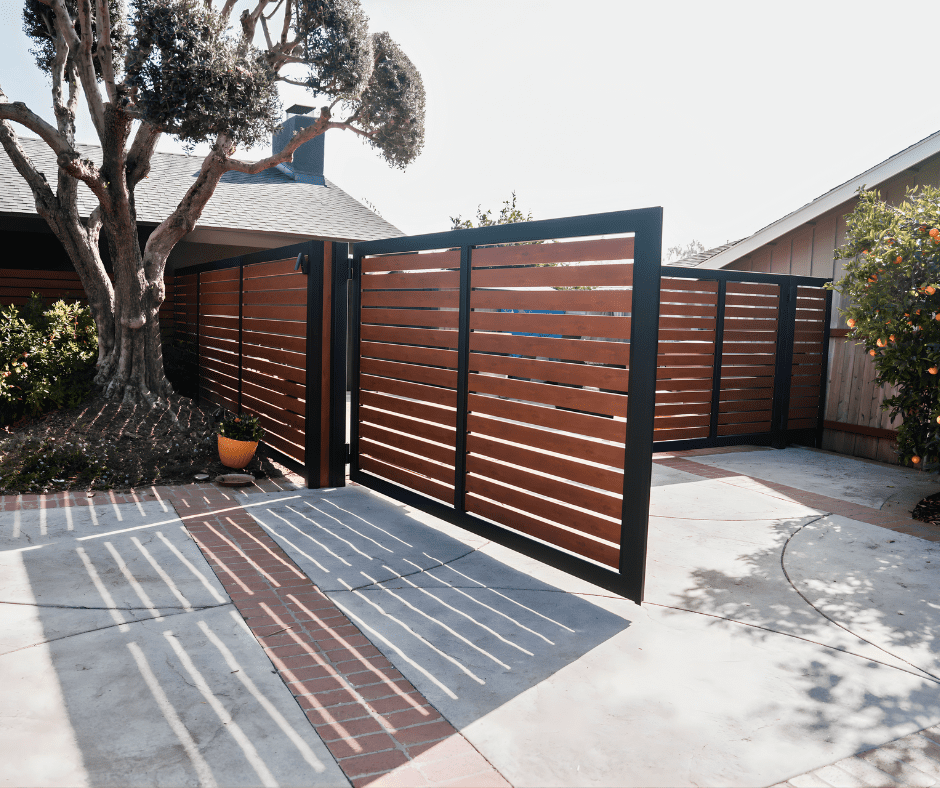
Automating a swing gate is one of the most practical upgrades homeowners can make to improve security, convenience, and curb appeal. With the right automation system, opening and closing your gate becomes effortless, while also adding a layer of controlled access to your property. However, a successful swing gate installation requires more than simply adding a motor—it involves planning, proper equipment selection, and attention to safety.
This guide explains everything you need to know before automating your swing gate, from understanding how automation works to choosing power options, avoiding common mistakes, and deciding whether professional installation is the right choice.
What Is Swing Gate Automation and How Does It Work?
Swing gate automation refers to installing a motorized system that allows a gate to open and close automatically using a remote, keypad, sensor, or smart access control. These systems can be used on both single and double swing gates and are suitable for residential and light commercial properties.
Key Components of an Automated Swing Gate System
An automated swing gate system typically includes a gate opener (motor), control board, remote or access device, safety sensors, and a power source. When activated, the motor moves the gate smoothly along its swing path and closes it securely after use. Compared to manual gates, automated systems provide consistent performance, improved access control, and enhanced day-to-day convenience.
Is Your Property Suitable for Swing Gate Automation?
Before starting a swing gate installation, it’s essential to determine whether your property can accommodate an automated system. Swing gates require adequate clearance for the gate leaf to open fully without hitting walls, fences, or landscaping.
Space, Slope, and Clearance Requirements
Driveway slope is one of the most important factors. A steep incline can affect gate movement and may require specialized installation techniques or hardware. Ground conditions, post stability, and hinge alignment must also be evaluated to prevent long-term strain on the motor.
Single Swing vs. Double Swing Gate Layouts
Single swing gates work well for narrower driveways, while double swing gates are ideal for wider entrances and create a more balanced appearance. Choosing the right configuration ensures smoother operation and better long-term performance.
Choosing the Right Swing Gate Opener
Selecting the correct opener is critical for a reliable automated swing gate system. The opener must be matched to the gate’s weight, length, and material to avoid overworking the motor.
Matching the Opener to Gate Weight and Length
Heavier or longer gates require stronger motors. Installing an undersized opener can lead to slow operation, mechanical strain, and early system failure.
Residential vs. High-Traffic Gate Motors
Residential swing gate openers are designed for moderate daily use, while high-traffic or commercial-grade motors are built for frequent operation. Choosing the correct motor type ensures durability and smooth performance.
Power Supply Options for Automated Swing Gates
Automated swing gates can be powered in different ways depending on location and access to electricity.
Electric vs. Solar-Powered Swing Gate Systems
Wired electric systems provide consistent power and support additional accessories like cameras or lighting. Solar-powered systems are ideal for remote properties or areas without easy access to electricity and offer an energy-efficient alternative.
Regardless of the power source, installing a backup battery is highly recommended. This ensures the gate continues to function during power outages, maintaining access and security.
Safety Features to Consider During Swing Gate Installation
Safety should never be overlooked when automating a swing gate. Modern systems include features designed to prevent accidents and protect vehicles and pedestrians.
Obstacle Detection and Emergency Release Systems
Photo-eye sensors detect obstacles in the gate’s path and stop or reverse movement if something is detected. Manual release mechanisms allow the gate to be opened manually during emergencies or system malfunctions. These features are essential for compliance with safety standards and long-term peace of mind.
Professional vs. DIY Swing Gate Installation
While DIY installation may seem appealing, automated swing gate systems involve electrical wiring, precise alignment, and safety calibration. Improper installation can result in poor performance, safety risks, or costly repairs.
Why Improper Installation Causes Long-Term Issues
Incorrect motor placement, poor hinge alignment, or faulty wiring can shorten the lifespan of the system. Professional installers ensure the gate is properly balanced, the motor is correctly sized, and safety devices are fully functional. Systems from Globus Gates are designed for seamless automation and perform best when installed by experienced professionals.
Common Mistakes to Avoid When Automating a Swing Gate
One of the most common mistakes is choosing a motor that isn’t powerful enough for the gate. Another is ignoring site conditions such as slope or wind exposure, which can affect operation.
Skipping safety components or failing to comply with local regulations can also lead to issues. Proper planning and professional guidance help avoid these mistakes and ensure a smooth, reliable swing gate installation.