


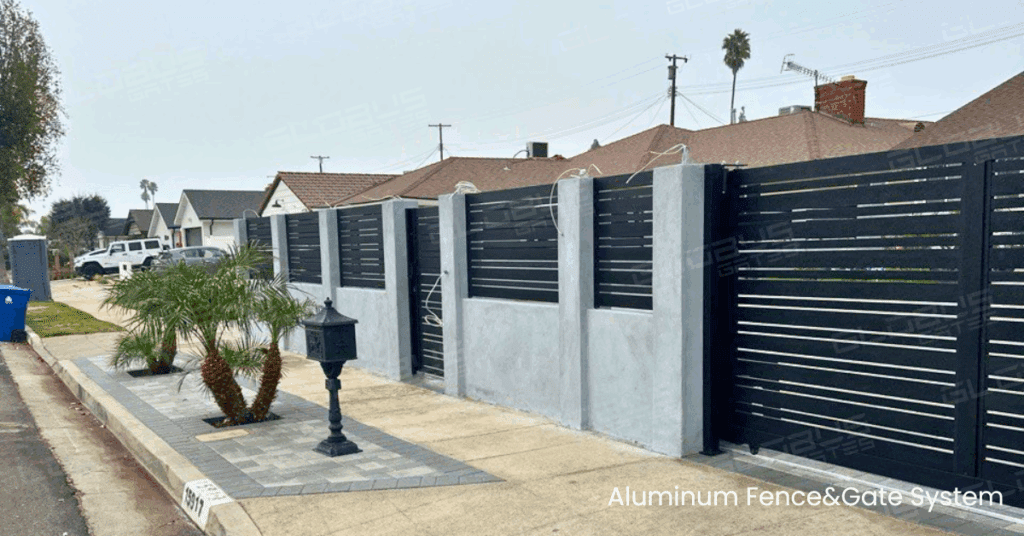
Residential fence installation is a critical investment for property owners seeking to enhance privacy, security, and the overall aesthetic appeal of their homes. A well-installed fence not only defines boundaries but also serves functional purposes, such as preventing intrusions, protecting pets and children, and adding curb appeal. Different types of fences offer unique benefits based on the homeowner’s needs and preferences. For example, a wood fence provides warmth and charm, perfect for creating a classic, natural look while offering solid privacy. A vinyl fence is an excellent option for those looking for low-maintenance durability, as it resists weathering and requires minimal upkeep. On the other hand, a wrought iron fence adds a touch of elegance and sophistication, making it ideal for properties that need a secure yet stylish boundary.
Regardless of the material, professional fence installation ensures proper construction, durability, and long-lasting performance. Experts bring the necessary skills, tools, and knowledge to handle the complexities of installation, ensuring the fence is built according to local regulations and standards. With professional installation, property owners can have peace of mind knowing their investment is solid and reliable, contributing to their property’s value and functionality for years to come.
Why Residential Fencing Matters
Fencing is more than a boundary; it’s a statement of security, style, and functionality. Property owners benefit from:
Privacy: A fence provides a shield from prying eyes, allowing homeowners to enjoy their outdoor spaces with peace of mind. It creates a sense of seclusion, whether in a backyard, garden, or patio. By blocking views from neighbors or passersby, a well-placed fence adds an extra layer of privacy, ideal for relaxing or entertaining. This added privacy can also make a home feel more secure, offering both psychological and practical benefits for families and individuals alike.
Security: A durable fence serves as a barrier, preventing unauthorized access to your property. It can deter potential intruders and ensure that your home, yard, and any outdoor structures remain secure. With materials such as chain link, wood, vinyl, or wrought iron, fences create a physical barrier that enhances safety. Whether you’re keeping out strangers or preventing pets and children from wandering, a sturdy fence plays a crucial role in safeguarding the people and property you value most.
Curb Appeal: A well-designed fence enhances the aesthetic value of a property, making it look more attractive and welcoming. Fencing can complement the architecture and landscape of a home, whether it’s a traditional picket fence or a modern privacy fence. The right choice of material, color, and style can elevate the look of your home’s exterior, adding character and charm. Investing in a fence that matches your home’s style increases the overall visual appeal, making it stand out in the neighborhood.
Property Value: A professionally installed fence can increase the market appeal of your home, making it more attractive to potential buyers. Buyers often appreciate the added privacy, security, and curb appeal that a fence provides. Depending on the material and design, a well-maintained fence can improve your home’s overall market value, especially in neighborhoods where privacy and security are prioritized. The investment in a fence can make your property more desirable, offering an edge over other homes in the market.
Proper installation ensures that the fence performs its function effectively, avoiding future repairs and maintenance issues.
Types of Fences for Residential Properties
Choosing the right fence material is crucial for balancing cost, style, and durability. Here’s a breakdown of the main options:
Wood Fences
Wood fences provide a classic, natural look. Options include cedar, redwood, and treated pine. Benefits include aesthetic warmth, versatility in design, and moderate cost. Regular maintenance such as staining or sealing ensures longevity. Styles include picket, board-on-board, and shadowbox.
Vinyl Fences
Vinyl fencing is low-maintenance and highly durable. It resists rot, insects, and fading. Available in various colors and textures, vinyl fences can mimic wood while requiring minimal upkeep. Installation involves setting posts, securing panels, and adding post caps.
Aluminum Fences
Aluminum fences offer security and elegance without the weight of wrought iron. Powder-coated finishes prevent rust and enhance longevity. Aluminum is ideal for decorative fencing around pools or gardens, with minimal maintenance.
Chain Link Fences
Chain link fencing is cost-effective and provides visibility. Often used for pet containment or perimeter security, it’s quick to install with modular sections and sturdy posts. Adding privacy slats can enhance aesthetics.
Wrought Iron Fences
Wrought iron is highly durable and visually striking. Installation requires professional expertise to ensure posts are secured and panels aligned. Optional features include decorative finials, gates, and automation.
Planning Your Fence Installation Project
Planning is the foundation of a successful residential fence installation.
Determining Property Lines
Confirming your property lines is a crucial first step before installing a fence. Accurate boundaries prevent potential legal disputes with neighbors and ensure that your fence is placed within the correct area. You can confirm property lines through professional surveys or by reviewing municipal records and land deeds. Knowing the exact boundaries also helps ensure that you comply with local building codes, zoning laws, and any homeowner association regulations. Taking the time to accurately mark property lines avoids costly issues down the line, such as needing to move the fence if it encroaches on a neighbor’s land.
Choosing the Right Fence Material
Selecting the right fence material is essential for achieving your desired outcome. Whether you’re looking for privacy, security, or aesthetic appeal, the material you choose should align with your goals. For privacy, materials like wood or vinyl work well, while wrought iron may be more suited for ornamental purposes. Consider factors such as maintenance, durability, and cost when selecting your material. Some materials require more upkeep, while others, like aluminum or vinyl, are low-maintenance and long-lasting. By understanding your goals, budget, and local climate conditions, you can choose a material that guarantees functionality and durability.
Selecting Professional Fence Installation Services
Hiring professional fence installers is a smart choice to ensure a high-quality, long-lasting fence. Professionals bring expertise in handling various materials and installation methods, reducing the risk of errors. When selecting a contractor, consider their reputation by reading customer reviews, checking their portfolio, and comparing quotes. Ensure they are licensed and insured for protection against accidents. A reputable contractor will offer a warranty for their services, giving you peace of mind. They will also guarantee the proper post depth, alignment, and structural integrity, ensuring that your fence is both secure and aesthetically pleasing.
The Fence Installation Process
A proper installation involves several key steps:
Preparing the Site
Before starting the installation, it’s essential to prepare the site to ensure a smooth and successful project. Begin by clearing the area of any vegetation, debris, or obstacles such as rocks or old fencing materials. This step is important to create a clean, flat surface for installation. Next, level the ground and check for any slopes or uneven terrain that could affect the fence’s stability. Addressing these issues beforehand, whether by filling in low spots or digging to level high areas, ensures a secure and straight fence. Proper site preparation is a crucial foundation for a long-lasting, well-aligned fence.
Installing Fence Posts
Installing fence posts is a critical part of the installation process as they support the entire structure. Posts should be set at the correct depth, typically about one-third of the post height, to ensure stability. This depth is essential for preventing leaning or shifting over time. Concrete is usually used to secure the posts, offering strong support and preventing movement. Post caps should be installed to protect the posts from weather elements, such as rain and sunlight, which can cause damage over time. Additionally, the spacing between the posts should align with the size of the panels to ensure uniformity and structural integrity.
Assembling Fence Panels
After installing the posts, the next step is assembling the fence panels. Begin by attaching horizontal rails to the posts, ensuring they are level and securely fastened. Once the rails are in place, panels can be attached to the rails, providing the bulk of the fence’s structure. Modular fence designs often simplify the installation process, as pre-built sections can be easily connected to the posts. This system not only makes the installation faster but also ensures that the fence remains stable and durable. Proper panel alignment is key to a well-constructed, visually appealing fence.
Adding Gates and Accessories
After the panels are secured, it’s time to add gates and other accessories to enhance both functionality and security. Gates come in various types, including swing, sliding, or automated, depending on the space and the homeowner’s needs. When selecting a gate, consider the amount of space available, the intended use, and the desired level of security. Installing the necessary hardware, such as hinges, latches, and locks, is essential for ensuring that the gate operates smoothly and securely. Adding access control features, such as keypads or remotes, can increase convenience and security, making it easier for homeowners to control entry to their property.
Cost Considerations for Residential Fencing
Cost varies depending on material, size, labor, Location, and additional features. Typical ranges:
Material | Average Cost per Linear Foot | Notes |
Wood | $15–$45 | Depends on wood type and height |
Vinyl | $20–$50 | Durable, low maintenance |
Aluminum | $25–$60 | Decorative, corrosion-resistant |
Chain Link | $8–$20 | Cost-effective, minimal privacy |
Wrought Iron | $30–$100 | High-end, requires professional installation |
Labor, terrain, permits, and accessories also influence the total project cost.
Maintenance and Longevity
Regular upkeep extends fence lifespan:
Clean surfaces annually
Regular cleaning is essential to maintain the appearance of your fence. Wash surfaces once a year to remove dirt, debris, and mildew. Use a pressure washer or scrub with soapy water, depending on the material. This prevents the buildup of grime that can lead to staining or deterioration. Keeping the fence clean extends its lifespan and enhances its visual appeal.Stain or seal wood fences every 2–3 years
Wood fences require regular maintenance to protect against weather damage. Apply stain or sealant every 2–3 years to maintain the wood’s integrity. This helps prevent rotting, warping, and discoloration from UV rays and moisture. Staining also enhances the wood’s natural color and provides an additional layer of protection from the elements, ensuring long-term durability.Inspect posts for stability
Regularly check your fence posts for any signs of instability, such as leaning or shifting. Over time, posts can weaken due to weather or soil erosion. Ensuring that the posts are securely anchored helps maintain the fence’s overall structural integrity. Reinforce or replace any posts showing signs of wear to avoid further damage and ensure safety.Repair broken panels immediately
If you notice any broken or damaged fence panels, address the issue as soon as possible. Broken panels can compromise the security and appearance of your fence. Timely repairs help prevent further damage, such as weakened sections that might cause the entire structure to shift. Regularly inspecting and maintaining your fence ensures it remains functional and visually appealing.Lubricate gate hardware
To ensure your gate operates smoothly, lubricate the hinges, latches, and other hardware regularly. This prevents rust, reduces friction, and allows for easy movement. Apply a silicone or WD-40 spray once or twice a year, depending on usage. Proper lubrication helps extend the life of your gate’s hardware, preventing the need for costly repairs and maintaining security.
Enhancing Curb Appeal and Property Value
The right fence complements landscaping and architectural style. Additional features include:
Decorative post caps
Decorative post caps add a finishing touch to your fence, enhancing its overall aesthetic. These caps come in a variety of styles, from traditional to modern, and are made from materials like wood, metal, or vinyl. They not only improve the visual appeal of the fence but also protect the posts from weather damage, extending the life of your fence.
Modern Horizontal Fence Panels for modern design
Horizontal rails offer a sleek, contemporary look that complements modern architectural styles. They provide clean lines and a minimalist design, making them ideal for homeowners seeking a modern, open feel. This design also offers greater privacy when paired with solid panels and can make your yard feel more spacious, adding a stylish edge to your property’s exterior.
Privacy slats for chain link fences
Privacy slats are an effective solution for homeowners who want to increase the privacy of a chain link fence. These slats can be inserted into the mesh, blocking the view from both sides of the fence. They come in a variety of materials, such as vinyl or metal, and can be customized in different colors, providing both privacy and enhanced curb appeal.
Wrought iron finials for elegance
Wrought iron finials are decorative elements that add sophistication and elegance to fences, particularly wrought iron styles. These ornate toppers are often placed at the top of fence posts, providing a regal and stylish look. Finials come in a variety of shapes and designs, from classic spearheads to intricate floral patterns, adding a personalized touch to the overall fence design.
Common Fence Installation Issues and How to Avoid Them
Leaning Posts: Ensure proper depth and concrete support
To prevent posts from leaning over time, ensure they are installed at the correct depth, typically one-third of the post height, and secured with adequate concrete support. This guarantees stability and prevents shifting. Inspect posts regularly for any signs of movement or instability, and reinforce them as necessary to maintain the fence’s integrity.Incorrect Panel Spacing: Measure accurately and follow manufacturer instructions
Proper panel spacing is crucial for both functionality and aesthetics. Always measure accurately and adhere to the manufacturer’s instructions to maintain consistent spacing between panels. Incorrect spacing can lead to weak structural integrity, gaps, or uneven appearance. Ensuring correct alignment will help achieve a sturdy, visually appealing fence that performs as intended.Permit Violations: Verify local building codes
Before starting your fence installation, it’s important to verify local building codes and permit requirements. Failure to do so can result in fines or the need to tear down and reinstall the fence. Check zoning laws, height restrictions, and setback requirements to ensure compliance with your area’s regulations. Obtaining the necessary permits ensures a legal, hassle-free installation.Poor Gate Alignment: Adjust and test before completing installation
A gate that isn’t properly aligned can cause difficulty in opening, closing, and locking. Before finishing the installation, check the gate’s alignment and make any necessary adjustments to ensure smooth operation. Test the gate multiple times to confirm it swings easily and locks securely. Proper alignment will prevent future issues, ensuring the gate functions properly for years.Material Damage: Protect wood from moisture, powder-coat metal fences
Protect your fence materials from weather-related damage to extend their lifespan. For wood fences, apply sealants or stains to protect the surface from moisture, which can lead to rot. For metal fences, powder-coating provides a durable protective layer that resists rust and corrosion. Regular maintenance and protection keep the fence in top condition, preserving its beauty and function.
Conclusion
Residential fence installation is a vital investment in security, privacy, and curb appeal. Choosing the right materials, planning the project carefully, and hiring experienced professionals ensures a high-quality, long-lasting fence that complements your home. From wood to aluminum, chain link to wrought iron, proper installation and maintenance deliver both functional and aesthetic value.
FAQs
Is it cheaper to install your own fence?
Yes, it can be cheaper to install your own fence, as you’ll avoid labor costs associated with professional installation. However, keep in mind that the project may take longer and require specific tools and skills. DIY installation can save money on labor, but if you lack experience or the proper equipment, it could result in costly mistakes. Consider your abilities and time availability before deciding to take on the project yourself.
Is a property survey needed for fence installation?
Yes, a property survey is often needed before installing a fence. This ensures that your fence is placed on your property and complies with local building codes. A survey helps you avoid encroaching on your neighbor’s land, which could lead to legal issues. Some areas may also require permits or approvals based on property lines, making a survey an important step in the installation process.
What is the best time of year to install a fence?
The best time to install a fence is during spring or fall. These seasons offer mild weather conditions, making installation easier and more efficient. Spring allows the ground to thaw after winter, and fall avoids the extremes of summer heat. Installing a fence during these months also helps ensure the ground is neither too wet nor too dry, leading to better post setting.
What is the best fence style for a modern home?
For a modern home, sleek and minimalistic styles like horizontal wood fences, aluminum fences, and glass-panel fences are excellent choices. These styles provide a contemporary look while offering privacy and security. Choose materials that complement your home’s architecture for a cohesive, stylish appearance.
How tall should a privacy fence be?
A privacy fence should typically be between 6 to 8 feet tall to effectively block views from neighbors or passersby. Local building codes may have specific height restrictions, so always check with your municipality before installation to ensure compliance.