


Table of Contents
Why Fire Resistant Fencing Matters in Palos Verdes
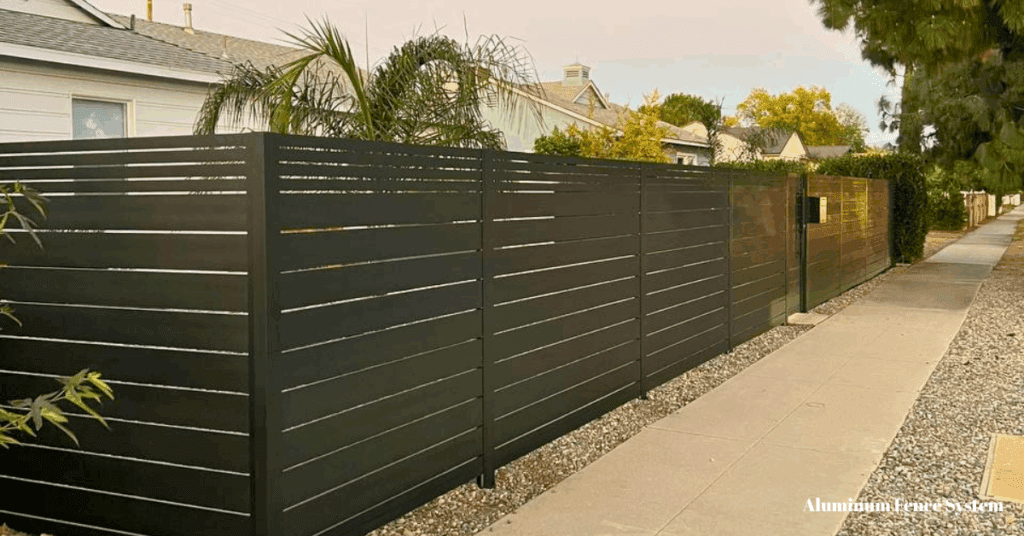
For Palos Verdes homes, fire resistant fencing is more than a “nice to have” upgrade because many neighborhoods sit near brush, canyons, and windy hillside conditions that can increase wildfire exposure. The wrong fence material can act like a fuse line, carrying flames toward your house or igniting right next to vulnerable areas like eaves, siding, and deck edges. A fire-smart fence choice helps reduce ignition risk, supports defensible space planning, and can still look clean and modern from the street.
Fences can transfer fire to the house
Even if a wildfire does not reach your structure directly, embers and radiant heat can ignite fencing, especially wood pickets, rails, and posts. Once a fence catches, it can burn right up to the home and create intense heat at the exact spot where your building materials, vents, or landscaping might be most vulnerable. Using non-combustible fencing near structures is one of the simplest ways to reduce a common pathway for fire spread.
Wind, slope, and brush increase exposure
Palos Verdes terrain and coastal winds can push embers farther and faster, and slopes can make fire move uphill more aggressively. Properties bordering open space, greenbelts, or dry landscaping are at higher risk, so fence material and placement matter more than they would in flatter, urban neighborhoods. Pairing a fire resistant fence with smart clearance, reduced fuel near the fence line, and well-planned gates can make the perimeter safer without sacrificing design.
Design Your Ideal Fence & Gates Today!
Bring your vision to life with premium aluminum fencing, custom gates, and modern cladding solutions crafted to elevate any property.
Schedule A ConsultationBest Fire Resistant Fencing Materials for Palos Verdes Homes
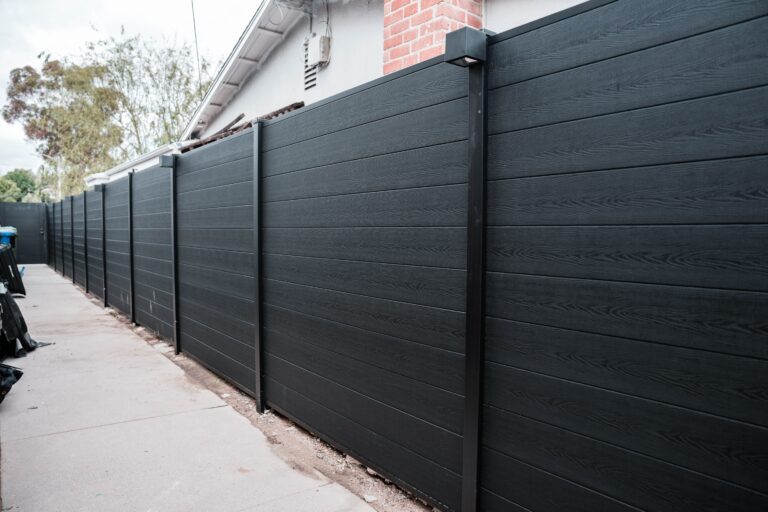
The safest approach to fire resistant fencing starts with choosing materials that do not ignite when exposed to embers, radiant heat, or brief direct flame contact. In Palos Verdes, this matters because wind can carry embers into side yards and against fence lines, and those fence lines often run directly to a home, garage, or deck. While no fence makes a property “fireproof,” selecting non-combustible options and installing them correctly can reduce one of the most common ways a fire reaches a structure: ignition near the house followed by flame spread along the fence.
Beyond fire behavior, you also want a fence that performs well in coastal conditions. Salt air, moisture, and sun exposure can shorten the life of lower-grade materials, so the ideal solution balances fire resistance with corrosion resistance, durability, and a finish that stays consistent over time. For many Palos Verdes properties, metal fencing and certain masonry-style options deliver the best mix of safety and long-term appearance.
Aluminum and steel fencing (non-combustible and modern)
Aluminum and steel are popular fire-smart choices because they are non-combustible and do not provide fuel the way wood does. A well-built aluminum fence with a quality powder-coated finish can deliver a modern look with minimal maintenance, and it performs well in coastal climates when the coating and hardware are corrosion-resistant. Steel fencing offers extra rigidity and impact resistance, which can be helpful on exposed lots or long runs, though it should be properly coated to prevent rust in salty air.
For privacy needs, metal fencing can still work well through solid infill panels or privacy-oriented designs that reduce visibility while keeping the main structure non-combustible. Gates and hardware matter here too, since latches, hinges, and fasteners should be rated for exterior use near the coast. If your fence ties into the home, many homeowners choose a non-combustible “transition section” near the structure even if other areas use a different style.
Masonry, stucco, and composite considerations near structures
Masonry walls, stucco-finished barriers, and similar non-combustible assemblies can be excellent from a fire-resistance standpoint because they do not ignite and can act as a heat-resistant break. These options can also deliver strong privacy and sound reduction, which is valuable in some Palos Verdes locations. The tradeoff is typically higher cost, more involved construction, and the need for proper drainage and foundations to prevent cracking or movement, especially on sloped terrain.
Composites are more complicated. Some composite fencing products advertise fire performance, but they can still contain combustible components and may behave differently depending on heat intensity, ember exposure, and installation details. If you are considering composite specifically for a “wood look,” treat it as a product-by-product decision: look for tested fire ratings where available, avoid placing it tight to structures, and prioritize non-combustible fencing within the first several feet of the home to reduce ignition risk at the most critical zone.
Design Your Ideal Fence & Gates Today!
Bring your vision to life with premium aluminum fencing, custom gates, and modern cladding solutions crafted to elevate any property.
Schedule A ConsultationFire-Smart Fence Design: Placement, Gaps, and “Defensible Space” Details
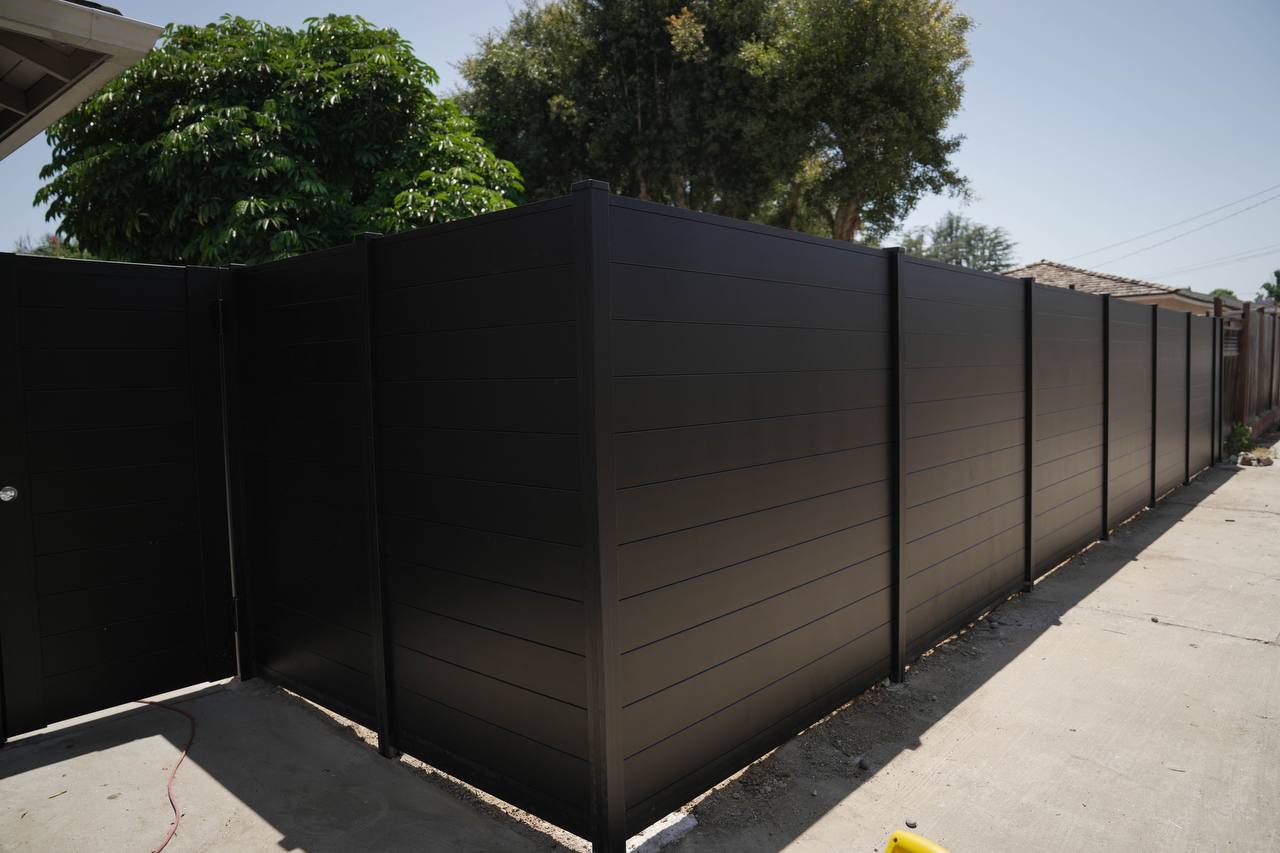
Even the best fire resistant fencing can underperform if it is placed or detailed in a way that traps embers or concentrates heat near the house. In Palos Verdes, where lots often include slopes, canyon exposure, and wind-driven ember risk, the fence should be planned as part of the defensible space strategy, not as a separate project. That means thinking about what sits on both sides of the fence line, how close the fence runs to structures, and whether the design encourages ember accumulation at corners, gates, and tight side yards.
A fire-smart fence design also considers continuity. A long run of combustible material that connects directly to a home can create a direct pathway for flames, even if most of the yard is well maintained. Small choices like changing the last section of fence near the structure to a non-combustible material, adjusting clearances, and reducing fuel sources along the base of the fence can significantly reduce risk without changing the overall look of the property.
Create a non-combustible zone near the home
The highest-risk area is where a fence meets or runs close to your house, garage, or deck because any ignition there produces intense heat at the structure. Many fire-conscious designs use a non-combustible fence section closest to the home, such as aluminum, steel, or masonry, even if other parts of the perimeter use a different style. This “break” helps stop flame spread and reduces the chance that a burning fence becomes a direct ignition source at siding, vents, eaves, or framing.
It also helps to keep the immediate area clean and lean. Avoid storing lumber, bins, or patio items against the fence near the house, and be cautious with bark mulch, dry leaves, and dense shrubs that can provide easy fuel. If you want landscaping along the fence line, choose low-fuel plantings and maintain spacing so embers have fewer places to lodge and ignite.
Reduce ember traps at corners, gates, and along the fence base
Embers tend to collect where airflow slows, especially at inside corners, behind solid privacy panels, and around gate framing. Designs with tight pockets, ledges, or complex trim can unintentionally create ember traps that smolder and then ignite nearby materials. Cleaner lines, fewer horizontal ledges, and thoughtful detailing around posts and rails can reduce ember accumulation while keeping the fence looking modern.
Along the bottom of the fence, keep clearance from soil and vegetation where possible, and avoid letting ground cover climb into the fence line. If your fence sits on a slope, pay extra attention to downhill corners and areas where debris naturally gathers after wind or rain. Regular cleanup is part of fire-smart fencing, and a design that stays accessible for quick maintenance makes that routine much easier to keep up with.
Budget Planning for Fire Resistant Fencing in Palos Verdes
Budgeting for fire resistant fencing in Palos Verdes is mostly about choosing a non-combustible material that fits your design goals, then accounting for the realities of hillside lots, coastal conditions, and gate hardware that needs to stay reliable long-term. Two fences can have the same linear footage and end up priced very differently depending on whether you need full privacy infill, reinforced posts for wind load, multiple gates, or stepped sections to follow slope. If your fence ties into the home, many homeowners also budget for a short non-combustible “transition section” near the structure, which can slightly raise costs but meaningfully improves fire safety.
A smart budget includes both upfront install and ongoing ownership. Higher-quality powder coating and corrosion-resistant hardware often cost more at purchase, but they reduce future repainting, staining, warping, and replacement. That matters in Palos Verdes because salt air and sun exposure can punish low-grade finishes, and wildfire readiness often means you want a fence that stays structurally sound without constant maintenance.
What drives cost the most (materials, privacy level, and gates)
Material choice is typically the biggest cost driver. Aluminum privacy systems and steel options can cost more than basic wood fencing, but they deliver non-combustibility and lower maintenance. If you choose full privacy infill panels, expect a higher price than open picket styles because solid panels require more material and stronger framing, especially for long runs exposed to wind.
Gates are the next big variable. A single pedestrian gate is usually manageable, but driveway gates, double gates, and privacy-infill gates can increase both material and labor. If you want fire-smart upgrades like self-closing hardware (common for pool safety), heavier-duty hinges, or upgraded latches, those options also affect budget, but they often pay off by reducing sagging, misalignment, and premature hardware replacement.
Site and labor factors unique to Palos Verdes (slopes, access, demolition)
Terrain and access can shift labor costs significantly in Palos Verdes. Sloped yards may require stepping panels, custom transitions, additional posts, and extra layout time to keep the fence line clean. Limited access can also slow down material delivery, post setting, and concrete work, especially if crews need to stage materials carefully or work around tight side yards and landscaped areas.
Demolition and haul-away of an existing fence should be budgeted separately if applicable. Removing old wood fencing, concrete footings, or overgrown vegetation along the fence line can add time and disposal fees. If you are prioritizing fire resistance, it is also worth budgeting for basic “edge cleanup” along the fence base (clearing debris zones and reducing fuel sources), since that improves safety and helps your new fence perform as intended.
| Cost factor | What it affects | Typical budget impact |
|---|---|---|
| Material choice (aluminum, steel, masonry) | Fire performance, durability, appearance | Largest variable in total project cost |
| Privacy level (open vs semi vs full privacy) | Amount of material and framing strength needed | Full privacy usually increases cost |
| Terrain (slope and transitions) | Extra posts, stepped sections, custom cuts | Can noticeably raise labor time |
| Gates (count, width, automation readiness) | Hardware, reinforcement, alignment time | Adds cost per gate, driveway gates add more |
| Coastal exposure upgrades | Powder coat quality, stainless or coated hardware | Higher upfront, lower long-term maintenance |
| Demo and disposal | Removing old fence, footings, debris and haul-away | Separate line item that can add up |
Design Your Ideal Fence & Gates Today!
Bring your vision to life with premium aluminum fencing, custom gates, and modern cladding solutions crafted to elevate any property.
Schedule A ConsultationStyle Options That Still Meet Fire Safety Goals
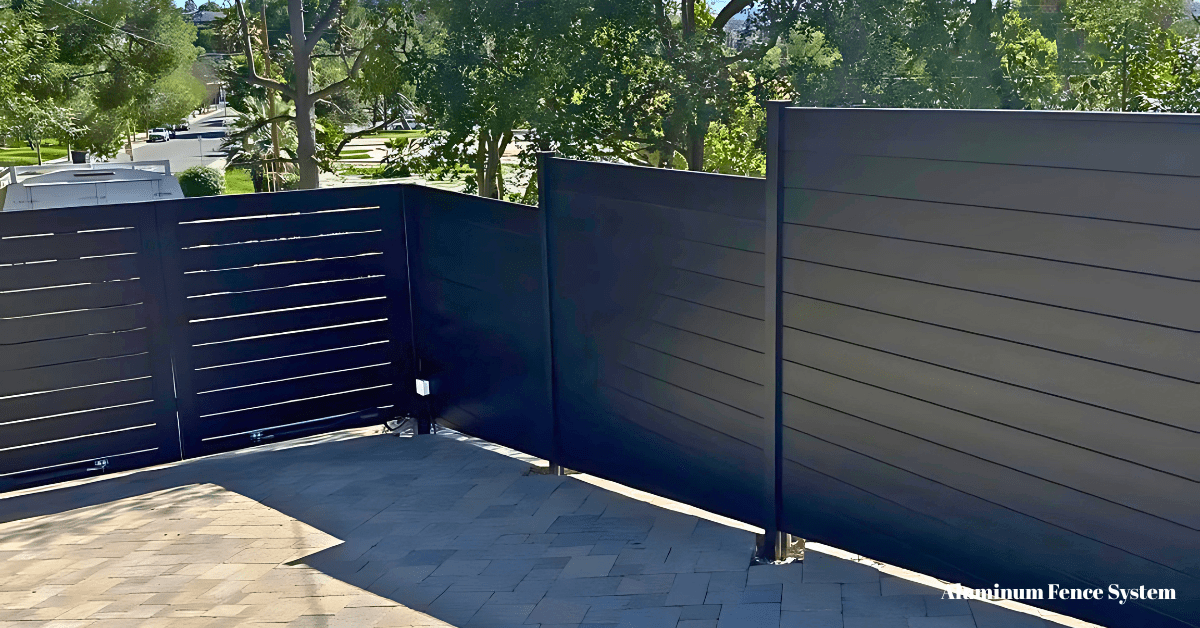
Fire resistant fencing does not have to look industrial or out of place on a Palos Verdes property. The key is to start with non-combustible materials and then choose a style that matches the architecture, whether that means clean horizontal lines, minimal modern pickets, or privacy-focused panels that feel more like an exterior wall. When you coordinate the fence finish with gates, railings, and exterior accents, you can keep a high-end look while still reducing the chance that the fence becomes a fuel source during ember events.
A good design also considers what the fence is trying to accomplish visually. Some homeowners want strong privacy along side yards and backyard edges, while others want a more open perimeter that frames views and landscaping. Fire-smart style choices can do both, as long as the components closest to the home remain non-combustible and you avoid add-ons that introduce easy ignition points.
Modern aluminum privacy panels with clean lines
Aluminum privacy panels are one of the easiest ways to combine a modern look with fire resistance because the core material is non-combustible and the finish can be sleek and consistent. Black, bronze, and charcoal tones are especially popular in Palos Verdes because they pair well with stucco, stone, and contemporary landscaping while visually “disappearing” against view corridors. If you need maximum screening, full privacy panels work well, and if you want a lighter look, semi-privacy options can reduce visibility while maintaining airflow.
To keep the design both safe and durable, prioritize a high-quality powder coat and hardware built for coastal exposure. Also consider a layout that avoids complicated trim and ledges where debris can collect, especially along side yards. The cleaner the geometry, the easier it is to keep the fence line clear of dry leaves and other fuels.
Open metal designs for airflow and view-friendly fencing
If your property has ocean views, hillside sightlines, or landscaping you want to showcase, open metal fencing can be a strong fire-smart option. Picket-style aluminum or steel reduces visual bulk and tends to trap fewer embers than complex privacy designs. It can also be a practical choice in wind-exposed areas because it allows airflow rather than acting like a sail, which can reduce structural stress over long runs.
Open designs can still support security and boundary definition when paired with the right height, picket spacing, and lockable gates. If privacy is only needed in specific zones, many homeowners use a hybrid plan: open metal fencing along view edges and non-combustible privacy sections closer to patios, side yards, or neighbor-facing areas.
Design Your Ideal Fence & Gates Today!
Bring your vision to life with premium aluminum fencing, custom gates, and modern cladding solutions crafted to elevate any property.
Schedule A ConsultationFinal Thoughts
Fire resistant fencing is one of the most practical upgrades Palos Verdes homeowners can make when they want a safer perimeter without giving up a clean, modern look. The biggest win usually comes from choosing non-combustible materials and paying extra attention to the sections closest to the home, where fence-to-structure ignition is most likely. Pair the right fence with defensible space habits like clearing debris, limiting dry fuel along the fence base, and using corrosion-resistant finishes that hold up in coastal air.
Frequently Asked Questions
Non-combustible options like aluminum, steel, and masonry assemblies are typically the most fire resistant because they do not ignite and do not add fuel. The “best” choice depends on your privacy needs, wind exposure, and coastal corrosion concerns.
Standard wood fencing is combustible and can spread fire quickly, especially with ember exposure. Some wood products can be treated for better fire performance, but they can still burn, and treatment effectiveness varies over time and by product, so many homeowners avoid wood near structures in fire-prone areas.
If budget is a concern, upgrading the sections closest to the home to non-combustible material can reduce risk significantly because that is the most critical ignition zone. Many Palos Verdes properties use a hybrid approach: non-combustible near structures, and a consistent style or matching finish across the rest of the perimeter for a cohesive look.
Metal fences are low maintenance, but fire-smart ownership still matters. Keep the fence line free of dry leaves and debris, avoid storing combustible items against the fence, and rinse and clean periodically to protect the finish, especially in salt air.
It can support overall wildfire readiness and defensible space efforts, which may be viewed positively during inspections or risk assessments. Requirements vary by insurer and property, so it is best to document materials used, keep receipts or specs, and confirm with your provider what changes they recognize.