


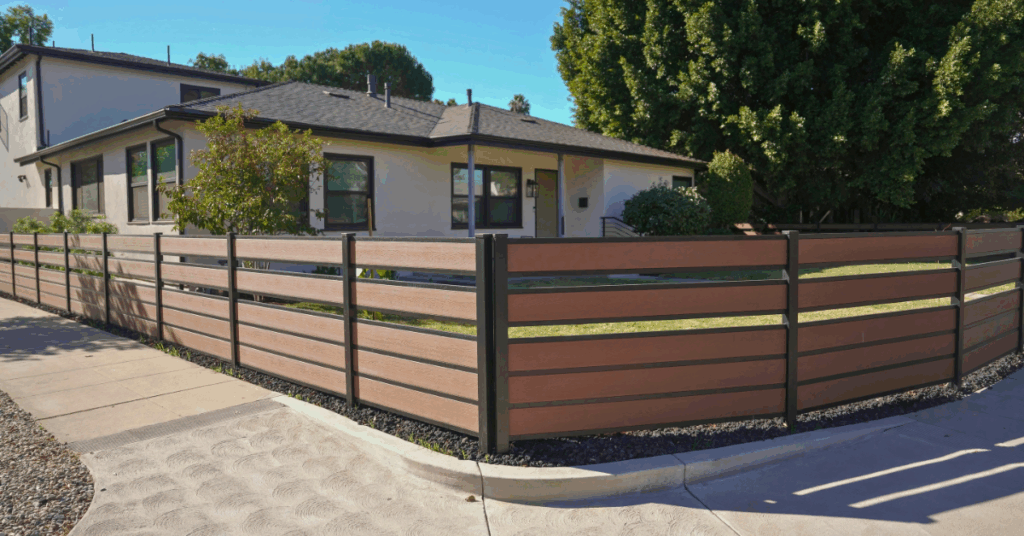
Explore how to plan and install a modern privacy fence suited to California climates, codes and lifestyles. This guide covers design choices, durable materials, maintenance rhythms and local considerations that keep your fence functional, attractive and compliant.
Design principles for California yards
Scale and context matter. Match fence height and massing to your home and landscape. Low walls fit front yards while taller privacy panels suit backyards. Balance visual weight with plantings and gate openings. Consider sun exposures, prevailing winds and neighbor sightlines when placing panels. Use simple repeating patterns to create cohesion. Include a narrow maintenance access and plan post spacing for local soil. Fire safety is critical in many areas, so choose noncombustible elements near vegetation. A good design reduces future repairs and improves property value while delivering the privacy you need.
Popular styles and aesthetic options
Horizontal slats, vertical boards and mixed panels offer distinct looks. Horizontal slats read modern and streamlined. Vertical boards feel classic and solid. Mixing metal frames with wood or composite slats creates a refined, contemporary result. Use uniform color palettes for cohesion. Add visual interest with staggered heights, planter integration or frosted privacy inserts. Keep material transitions clean to avoid maintenance traps. Consider gate style as a design focal point. Lighting and hardware selection can elevate the fence without adding bulk. Aim for a consistent language across fence, gate and landscape for a finished appearance.
Materials and coastal performance
Choose materials for salt air, sun and fire risk. Powder coated aluminum resists corrosion on coasts. Composites offer a wood look with less rot. Treated hardwoods need sealing and regular care. Vinyl performs well for low maintenance installs. For each choice, assess colorfastness and UV resistance. Use stainless steel fasteners near salty air. Design details such as raised panels and post sleeves improve longevity. Evaluate warranty, expected lifespan and repairability before committing. Select finishes that hide wear and deliver consistent performance across exposed California microclimates.
Material selection guidance with expert resources
Deciding on the right material starts with priorities: longevity, look and upkeep. Compare stiffness, fastener needs and finishes. For deeper comparisons, review structured guidance on material pros and cons. See choosing the right fence material for a practical materials breakdown. Explore installation inspired looks at modern yard fence ideas. When you are ready to hire, consult contractor selection tips at choosing the right fence contractor. Each link helps refine your choice, ensuring the final fence fits style and climate demands.
Permits, codes and HOA considerations
Start with local rules. Many California cities and HOAs limit fence height, sight triangles and materials. Research permit timelines to avoid project delays. Get property line confirmation before digging. In coastal or fire hazard zones, additional restraints may apply. Use local resources to understand code expectations and approved designs. For tips on locating modern fence options in California regions, see how to find modern fence in California. Document approvals and maintain records to simplify future maintenance or resale.
Foundations posts and drainage best practices
Foundation planning prevents failure. Set posts below frost lines where required and anchor with concrete in loose soils. Use gravel drainage at post bases and slope soil away from posts. For sloped sites, step or rake panels to fit grade. Learn bracing methods and post spacing for heavy panels. For uneven terrain techniques, review expert tips for building fences on uneven ground. Proper drainage and correct post embedment limit rot, leaning and early replacement.
Maintenance rhythms and seasonal checklists
Plan simple seasonal tasks. Inspect fasteners, hinges and post plumbness twice yearly. Clean surfaces to remove salt and debris in coastal areas. Refinish wood and tight seal composites as recommended. Lubricate gate hardware and check latches. For composite specific care and schedules see maintenance of composite fencing. Create a checklist to track repairs and finishes. Regular small steps prevent big repairs and extend life by years.
Repair, retrofit and when to replace
Assess damage honestly. Replace broken posts, rot sections and failed gates promptly. Small repairs lengthen life but widespread decay or leaning indicates replacement. Match replacement materials to existing panels for continuity. For help spotting end of life, review common signs that justify replacement at signs that you need a new fence. Plan budget and timeline for phased upgrades if full replacement is not immediate.
Security features and automation options
Integrate security without sacrificing style. Choose hardware designed for outdoor exposure and consider fail safe locks. Automated gate components add convenience, but require correct mounting and clearances. For integrated solutions that combine access control and privacy, explore design approaches that hide hardware and wiring. For gate automation ideas and best practices see crafting security and privacy with automated gates. Prioritize durability in moving parts to lower maintenance over time.
Design your ideal fence and gate experience
From concept to completed project follow a guided process: define goals, choose materials, validate permits, then refine details. Use mood boards and material samples to confirm color and texture. Consider modular panels for faster installs. Our approach centers on practical benefits: lower maintenance, stronger posts and cohesive gates that match fences. Take advantage of design services to visualize choices and reduce costly changes. Use clear installation scopes to control timelines and budget. Thoughtful planning ensures the finished fence works with site conditions and daily routines.
Bringing the design to life and ordering
Make procurement simple. Finalize measurements and hardware lists before ordering materials. Confirm lead times for custom panels and powder coated metals. Review warranties and delivery terms. If you want hands on support, design and ordering services help align choices to budget and maintenance goals. Request samples to check finishes in real light. Coordinate delivery to avoid extended on site exposure. Clear timelines and a single point of contact streamline installation and reduce delays for both residential and light commercial fence projects.
B2B marketing and locating office fit partners in California
For businesses sourcing office furnishings build a local procurement plan that highlights durability and vendor reliability. Use maps to shortlist suppliers and schedule showroom visits. See nearby options on the map: office furniture suppliers in California. Align procurement with brand standards and workplace ergonomics. For property managers, tie perimeter fencing and gate aesthetics to campus planning. When ready to outfit a site, browse product options and accessories to ensure consistent material and color language across fencing and furnishing solutions. Design services can coordinate both fence and interior finishes for cohesive results, saving time and procurement friction. Visit the online shop to explore compatible products and ordering options: https://globusgates.com/shop/.
Final words
A well designed privacy fence balances aesthetics, durability and local rules. Choose materials that fit climate and maintenance ability, plan proper drainage and posts, and schedule seasonal checks. Use professional guidance to match style and budget. Thoughtful choices deliver lasting privacy, curb appeal and lower upkeep over time.
Frequently Asked Questions
The best material depends on location and priorities. Aluminum performs well on coasts, composites offer low maintenance, and treated woods provide a classic look. Balance budget, appearance and upkeep when choosing.
Many jurisdictions require permits and limit height and placement. Check city or county building codes and HOA rules before installing to avoid removal or fines.
Inspect fences twice a year. Clean, tighten hardware and touch up finishes annually or as recommended for your material. Coastal or high sun areas may need more frequent care.
Yes. Use stepped or raked panel styles and adjust post spacing. For uneven ground techniques consult installation guidance or a professional to ensure proper fit and drainage.
Replace when posts are failing, multiple panels are compromised, or repairs exceed reasonable cost. Extensive leaning or rot often signals replacement is the smarter long term choice.