

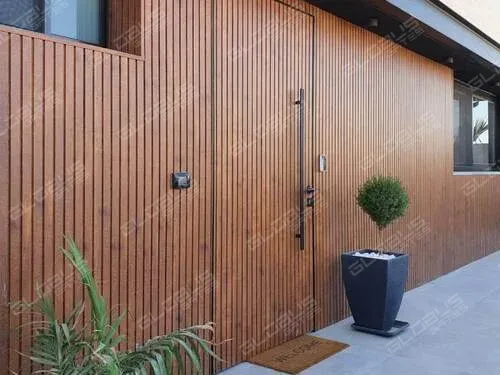
However, there are several differences between the two. In this article, we’ll delve into what siding and cladding are, how they differ, and what types of outdoor wall panels are available for exterior walls.
What are Siding and Cladding?
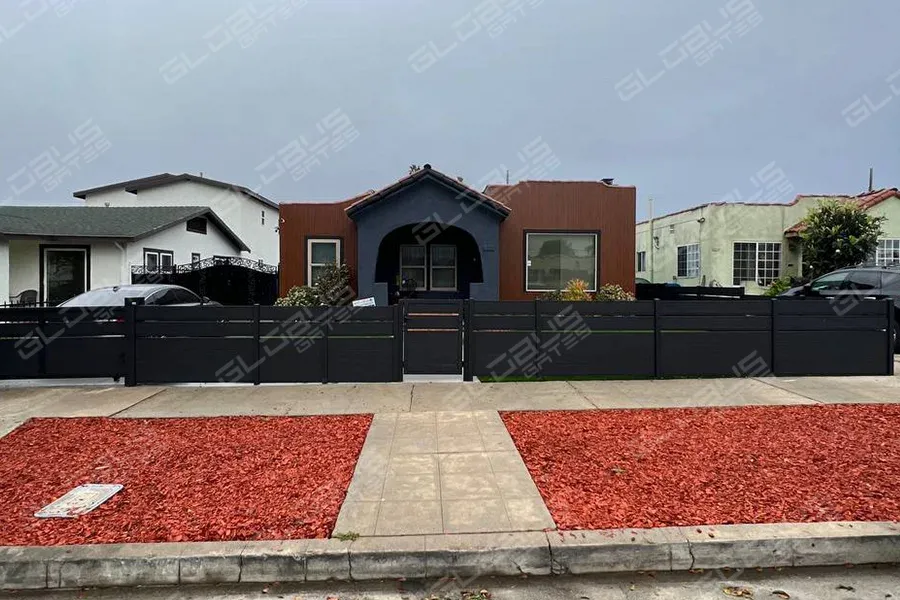 Siding and cladding are both materials used to cover the exterior walls of buildings. The main purpose of both siding and cladding is to protect the property from the elements and to provide insulation. While they both serve the same purpose as exterior wall panels, there are some differences in how they are installed and the materials that are used.
What is Siding?
Siding is a type of exterior wall covering that is made of horizontal boards or panels. The most common materials used for siding include wood, vinyl, and fiber cement. Siding is typically installed by nailing or screwing the boards directly onto the wall of the building.
What is Cladding?
Cladding is a type of exterior wall protective cover that is made of vertical or horizontal boards that overlap each other. The boards can be made of a variety of materials, including metal, stone, and wood. Cladding is typically installed by attaching the panels to a metal framework that is attached to the building’s exterior wall.
What are the Differences Between Siding and Cladding?
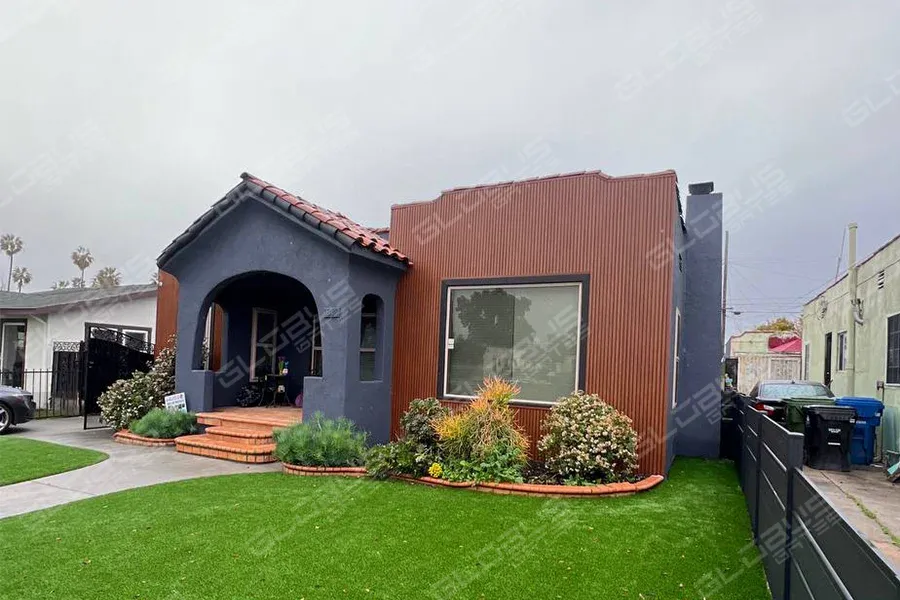 While siding and cladding are both used to cover the exterior walls of buildings, there are some differences between the two.
Installation
One of the main differences between siding and cladding is how they are installed. Siding is typically installed in San Diego, Ventura County, San Bernardino County, and other parts of Los Angeles by nailing or screwing the boards directly onto the wall of the building. Cladding, on the other hand, is generally installed by attaching the panels to a metal framework that is attached to the building’s exterior wall.
Materials
Another difference between siding and cladding is the materials that are used. Siding is typically made of wood, vinyl, or fiber cement, while cladding can be made of various materials, including metal, stone, and wood.
Appearance
The appearance of siding and cladding can also differ. Siding is usually made of horizontal boards, while cladding can be made of both vertical and horizontal panels. Cladding can also have a more modern or industrial appearance, while siding is often associated with traditional or rustic styles.
Siding vs Cladding: Quick Comparison
| Feature | Siding | Cladding |
|---|---|---|
| Installation Method | Directly nailed/screwed to wall | Mounted on a metal framework |
| Common Materials | Wood, Vinyl, Fiber Cement | Metal, Wood, Stone, Composite |
| Panel Orientation | Mostly horizontal | Horizontal or vertical |
| Style Preference | Traditional, Rustic | Modern, Industrial |
What are the Panels on Exterior Walls Called?
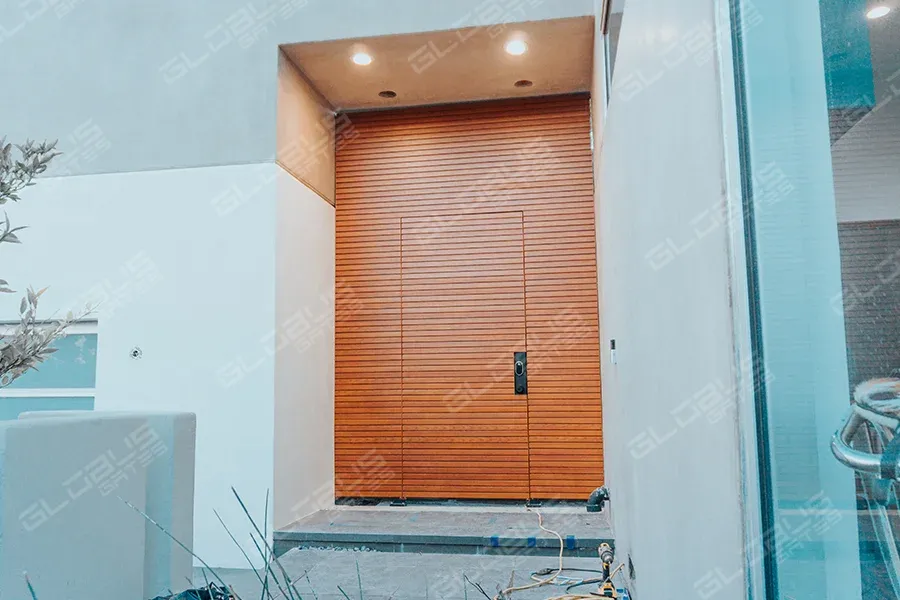
The boards used to cover the exterior walls of buildings are known by various names. Some common terms include:
- Exterior wall panels
- Outdoor wall panels
- Outdoor cladding panels
- Outward aluminum paneling for walls
What Types of Panels are Available for Exterior Walls?
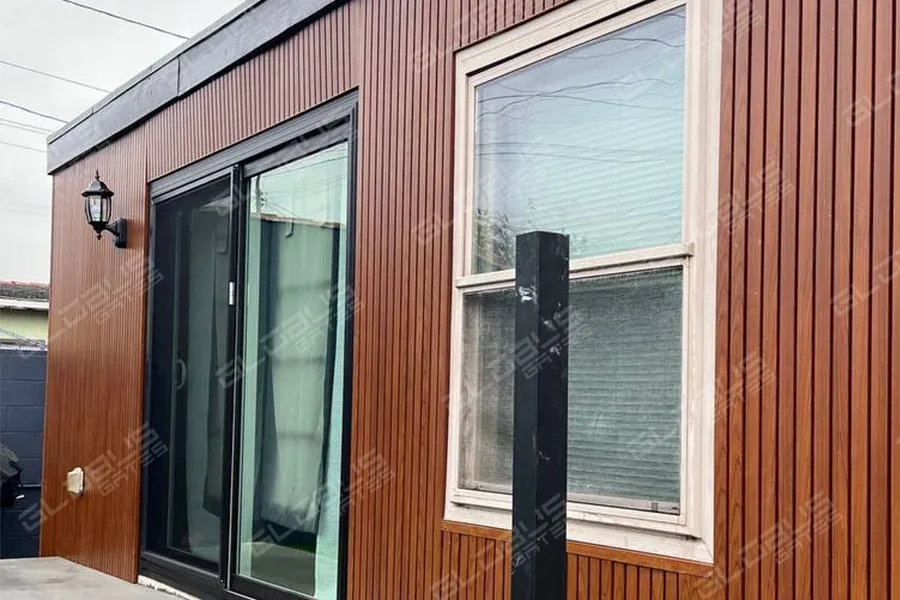 There are many different types of outdoor cladding panels available for exterior walls. Some of the most popular materials include:
- Metal panels. They are a popular choice for exterior wall panels because they are durable and require little maintenance. They can be made of various metals, including aluminum, zinc, and copper.
- Stone panels. This type can give a building a classic, elegant look. They can be made of various stones, including granite, marble, and limestone.
- Wood panels. They can give a building a warm, natural look. They can be made of a variety of woods, including cedar, redwood, and pine.
- Vinyl panels. These types of boards are popular for siding because they are affordable and require little maintenance. They can be easily confused for outdoor aluminum paneling for walls, but they are different in material and thickness. They are also available in a variety of colors and styles.
While siding and cladding are both used to cover the exterior walls of buildings, there are some differences between the two. Siding is typically made of horizontal boards or panels and is installed directly onto the wall of the building, while cladding is typically made of vertical or horizontal panels attached to a metal framework.
Additionally, the materials used for siding and cladding can differ, as can their appearance. If you’re looking for high-quality outdoor wall panels in Los Angeles, Orange county, or San Gabriel County, ensure you choose a reputable contractor and select a material that will provide both functionality and aesthetic appeal for years to come.