


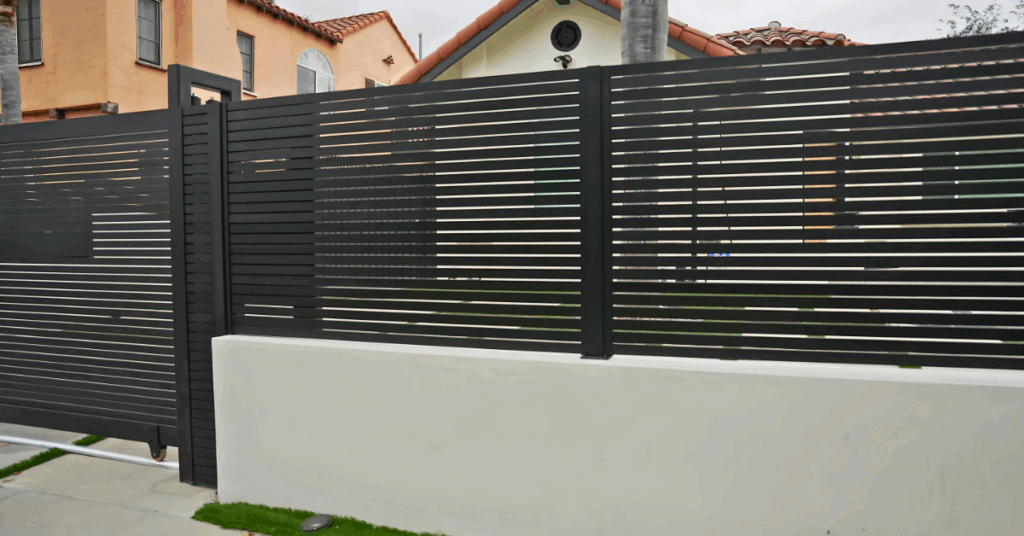
Zone Zero fencing in California has specific site, safety and regulatory demands. This guide explains what to expect from installers, the main pricing drivers, and the preparatory steps homeowners must take to keep projects on time and on budget. Follow clear checkpoints to choose materials, secure permits, and ensure a smooth installation process.
Understanding Zone Zero requirements in California
Zone Zero rules balance safety and property use. Installers must meet local fire and setback standards. Verify with your municipal code before design moves forward. A qualified contractor will assess slope, drainage, and ember exposure and propose suitable materials. Request a documented plan outlining compliance steps. This early alignment avoids redesign costs and permit setbacks. For guidance on finding compliant modern solutions see how to find modern fence in California.
Selecting the right installer for Zone Zero work
Choosing a contractor affects quality, schedule, and cost. Seek experience with Zone Zero projects and check references. Review three key items in proposals: scope, warranty, and permit management. Compare bids on identical scopes and ask for a materials list. Confirm the installer will handle inspections and approvals. See practical hiring tips in choosing the right fence contractor and evaluate Zone Zero specific contractors via choosing zone zero fence contractor. Also review general company vetting steps in how to choose the right fence company.
Permits codes and fire safety considerations
Understand local permit types and fire safe design conditions early. Fire zones may force non combustible finishes and minimum clearances. Submit drawings that show setbacks and ember resistant details. Your installer should list required forms and expected review timelines. Cities often reject incomplete applications so include specifications and manufacturer datasheets. For fire specific guidance consult choosing a fire safe fence in high risk fire areas.
Materials and design choices for Zone Zero fences
Material choice influences durability, maintenance, and compliance. Options include powder coated metals, composite slats, and engineered panels. Match the material to exposure and desired privacy level. Consider coatings that resist UV and salt if coastal. Design also covers gate style and hardware. Prioritize low maintenance finishes for long term value. For help choosing materials review choosing the right fence material.
Breaking down pricing factors and line items
Price components include materials, labor, permits, site prep, and disposal. Custom gates, automation wiring, and specialty coatings add cost. Steep or rocky sites increase labor hours. Ask for itemized estimates to compare line by line. Check whether posts are concreted or use specialized anchors. Factor in warranty terms when evaluating value. For a detailed cost overview see fence installation cost guide for homeowners 2026.
Homeowner prep steps before installers arrive
Complete simple tasks to streamline installation. Mark property lines and move planters or furniture. Trim vegetation and secure pets. Confirm access paths for delivery trucks and heavy equipment. Locate utilities and notify relevant companies for marking. Clearing the site lowers labor time and reduces change orders. For site specific prep on varied terrain consult expert tips for building fences on uneven ground.
What to expect during the installation process
Installations progress in phases: layout, post setting, panel attachment, gate hanging, and final adjustments. Expect daily updates for longer projects. Weather delays may occur. Inspect posts for plumb and spacing during layout. Request sign off at each milestone to avoid surprises. Proper sequencing avoids rework and speeds inspections. For a contractor explained process see step by step fence and gate installation process explained by contractors.
Quality checks warranties and maintenance planning
Confirm material certificates and finish warranties before payment. Ask for maintenance guidance for finishes and hardware. Schedule an initial inspection three months after install to spot settling or finish issues. Regular cleaning and fastener checks extend service life. Keep a project folder with drawings, invoices, and warranty documents. For seasonal care recommendations review seasonal maintenance tips for aluminum fences.
Budget strategies and cost saving tactics
Save by standardizing panel sizes and choosing stock finishes. Combine property sections into one contract to reduce mobilization charges. Prepare the site yourself when feasible and confirm exact scopes to avoid change orders. Seek multiple estimates and compare warranties. Timing projects off peak season can lower labor rates. For budget planning tips see effective tips for budgeting your new fence installation.
Design Your Ideal Fence and gates today
Design focus lets you balance aesthetics, safety, and budget. Start with a clear brief on privacy, access, and maintenance. Use mockups to test proportions and gate placement. Discuss finish and hardware options with your installer and request samples. A design review ensures that materials align with Zone Zero rules and long term durability. If you want a hands on approach to building style and function see build your own fence a step by step guide from the professionals. This design first method increases satisfaction and reduces surprises.
Marketing office furniture ideas for California B2B clients
B2B marketing for office furniture in California should emphasize durability, space efficiency, and compliance. Target facility managers with data on material life cycles and maintenance. Create case studies showing cost per year and improved workspace ergonomics. Use local presence to accelerate procurement and installation. Make location easy to verify with a map link such as View on Google Maps. Localized content drives trust and shortens sales cycles for commercial buyers.
Final checklist common pitfalls and next steps
Before work begins confirm permits, exact materials, warranty periods, and access logistics. Avoid vague scopes, undocumented change orders, and unofficial site alterations. Keep a documented approval at each stage. Verify that drainage, grading and neighbor agreements are resolved. When ready to finalize design and buy materials use the shop to explore options and secure custom pricing. Design Your Ideal Fence & Gates Today for tailored solutions that reduce risk and deliver lasting results.
Final words
Zone Zero fence projects require clear communication, careful budgeting, and proper site preparation. Choose an installer who knows local codes, review cost drivers, and prepare the site to avoid delays. Use the design process to refine materials and gates for durability and style. With the right planning you will achieve a compliant fence that meets safety goals and enhances property value.
Frequently Asked Questions
Zone Zero refers to the first five feet around a structure where only non-combustible or ignition-resistant materials can be used. It’s designed to reduce wildfire risk. Fences near dwellings within these zones must follow local fire safety and setback regulations, always verified through city or county codes before design approval.
Yes, most California municipalities require permits for Zone Zero fence installations. Permits ensure your materials, setbacks, and design meet wildfire and zoning requirements. Work with your contractor to prepare accurate drawings and include manufacturer data for fast review and fewer rejections.
Accepted materials include powder-coated steel, aluminum, and composite panels designed for fire-resistance. Avoid untreated wood or vinyl unless they carry certified ignition-resistant ratings. Your installer should provide documentation proving compliance with Chapter 7A of the California Building Code.
Pricing depends on material type, property layout, labor conditions, and permitting. Expect higher costs for non-combustible materials and sloped or rocky terrain. Request itemized estimates showing materials, labor, and permit fees to properly compare contractor bids.
Mark property boundaries, clear vegetation, and move outdoor furniture or obstacles. Notify utility companies to mark underground lines. A clean, accessible job site prevents delays and extra charges and helps crews keep your project on schedule.