


Modern Wall Cladding for Architectural Design
Modern architectural wall cladding designed to elevate façades, entry walls, and feature spaces with clean lines, crisp shadow depth, and premium finishes—professionally planned for a refined, high-end look indoors and out.
Cladding Highlights
01 • Introduction
Elevating architectural design with clean lines
In modern architecture, walls are no longer just structural elements—they’re design statements. From street-facing façades to interior accent walls, wall cladding is one of the most effective ways to add depth, texture, and a high-end finish to residential and commercial properties.
What is modern architectural wall cladding?
Modern wall cladding is a designed surface system applied to exterior or interior walls to enhance appearance, add texture, and create architectural rhythm.
- Precision spacing
- Clean reveals
- Sharp corners
- Directional layouts
- Premium coatings and finishes
Why wall cladding is a smart upgrade
Wall cladding is one of the fastest ways to transform a space without major structural changes.
- Adds depth and shadow-line contrast
- Creates a premium architectural look
- Works for both exterior and interior applications
- Requires less maintenance than traditional materials
- Complements modern gates, fences, and railings
02 • Profiles & Looks
Choosing the right cladding profile
Choosing the right profile is essential. Each style creates a different visual rhythm and architectural effect—so the wall feels intentional, proportioned, and premium from every angle.
Linear Modern Profiles
Best for: Large façades and feature walls
- Clean spacing and consistent alignment
- Strong horizontal or vertical rhythm
- Architectural—not random paneling
T&G (Tongue & Groove) Style
Best for: Entry walls, courtyards, and accent spaces
- Seamless, continuous appearance
- Tight, modern lines
- Smooth transitions with minimal visual breaks
Depth / Shadow-Line Options
Best for: Statement façades and architectural columns
- Deeper reveals for stronger contrast
- High-end appearance up close and from the street
- Emphasizes light and shadow throughout the day
Profile Reference
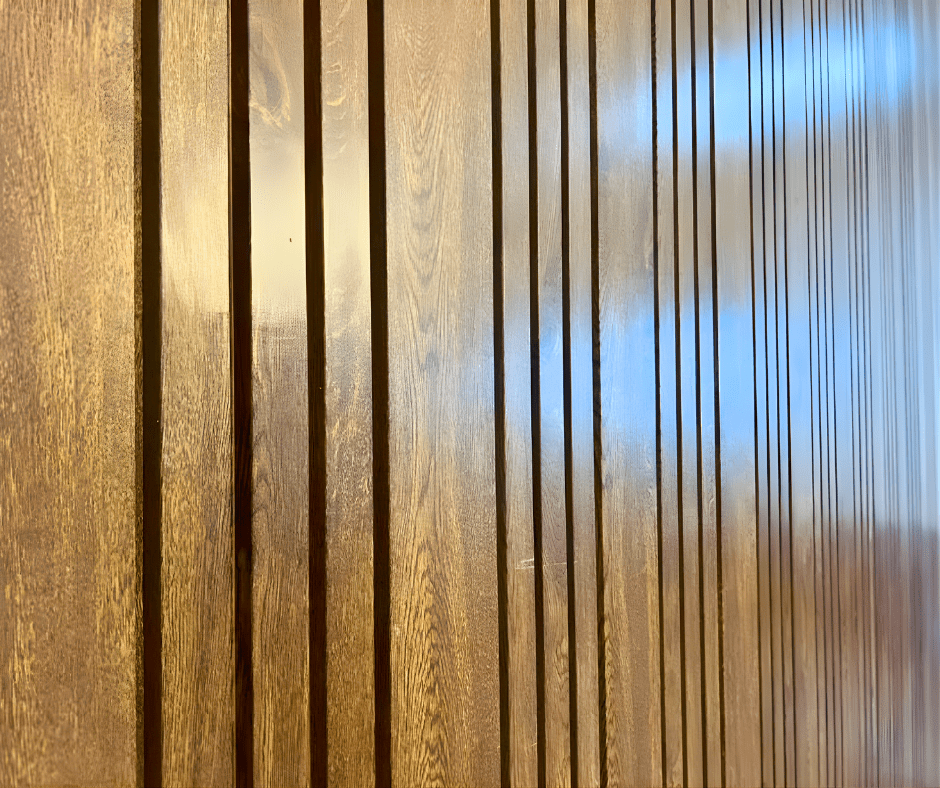
Corner / Transition
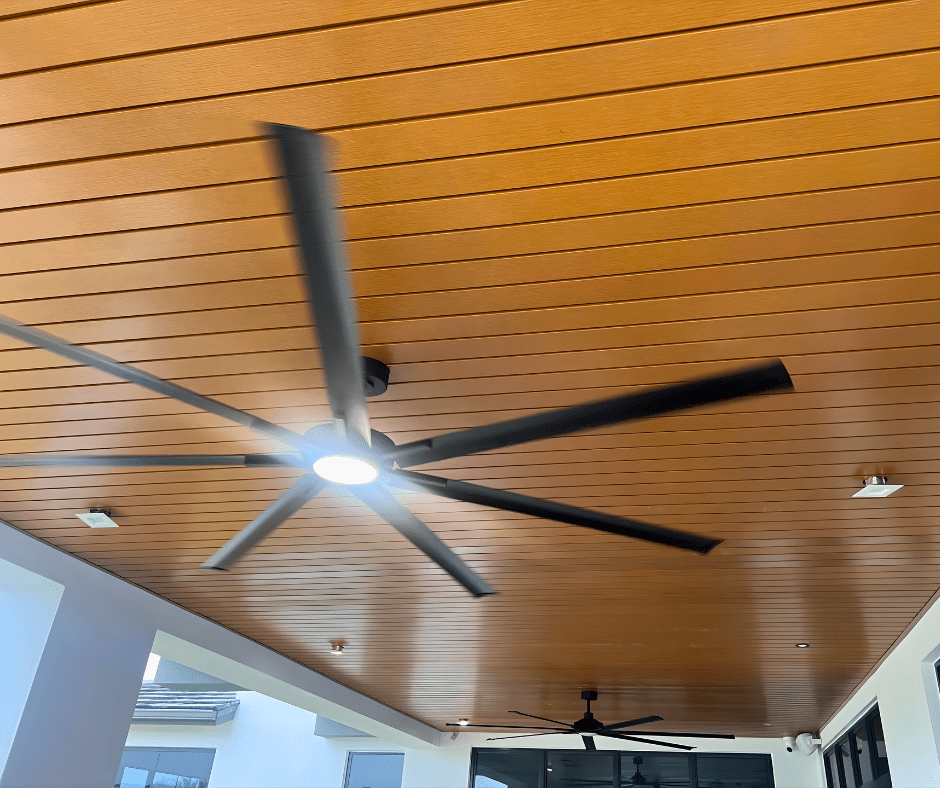
T&G Visual
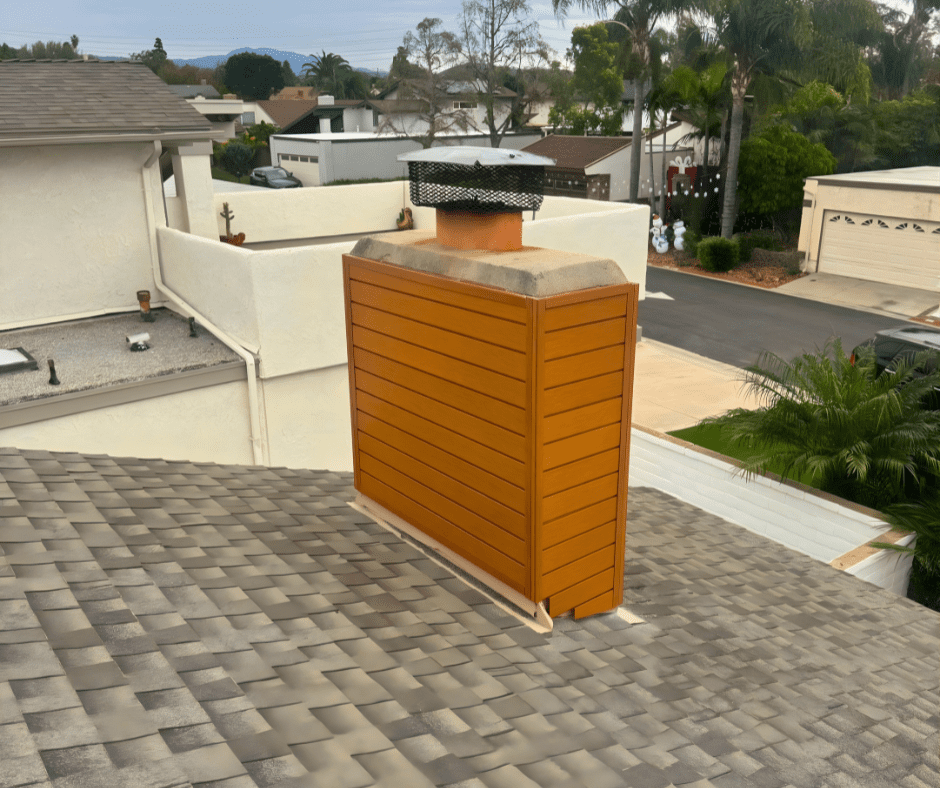
Cladding Profile Comparison
| Profile Type | Visual Impact | Ideal Use |
|---|---|---|
| Linear | Clean, structured rhythm | Large façades, feature walls |
| T&G | Seamless, refined | Entry walls, courtyards |
| Shadow-Line | Bold depth & contrast | Statement walls, columns |
03 • Applications
Exterior & interior wall cladding applications
Modern wall cladding works across multiple environments, offering design consistency throughout the property—outside and in. It’s one of the fastest ways to add texture, depth, and architectural presence without the maintenance headaches of traditional materials.
Exterior Wall Cladding
Common exterior uses include:
- Front façades
- Entry and address walls
- Courtyard walls
- Columns and architectural volumes
Advantages:
- Weather-ready finishes
- Strong curb appeal
- Pairs perfectly with modern gates and fences
Interior Wall Cladding
Popular interior uses:
- Media walls
- Lobby and reception areas
- Office feature walls
- Residential accent walls
Benefits:
- Creates continuity between exterior and interior design
- Adds texture without clutter
- Enhances modern minimal interiors
Finish Direction & Layout Planning
- Determines how lines flow across the wall
- Affects how light and shadow interact
- Influences how the wall reads from different angles
A professionally planned layout ensures:
- Straight, uninterrupted lines
- Clean transitions
- Balanced visual proportions
Best Applications for Modern Wall Cladding
| Application | Why It Works |
|---|---|
| Façades | Adds texture, depth, and architectural presence |
| Entry Walls | Creates a strong first impression |
| Feature Walls | Turns blank walls into design elements |
| Columns | Enhances modern architectural volumes |
| Interior Accent Walls | Connects interior design to exterior architecture |
04 • Details
High-end cladding is all about the details
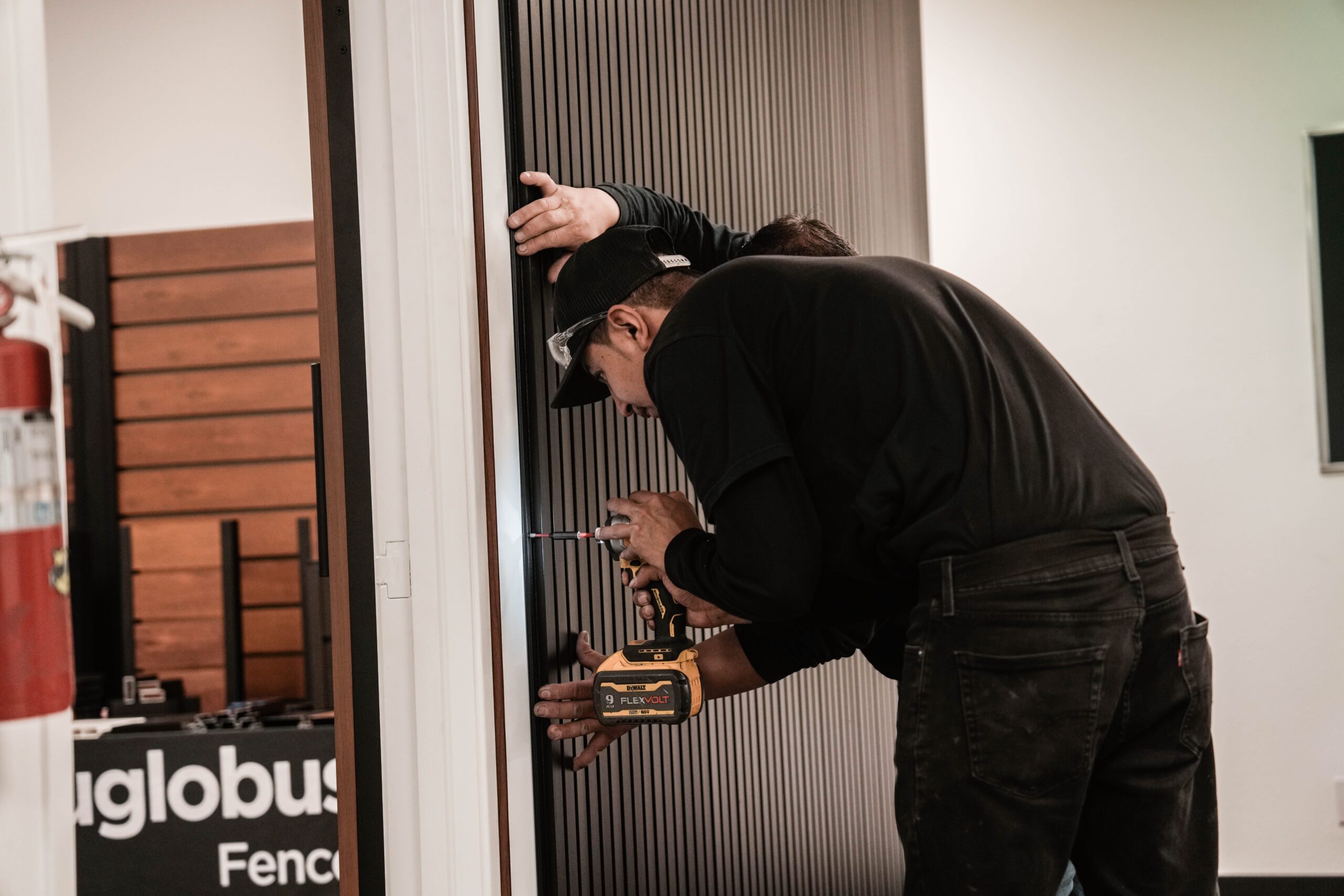
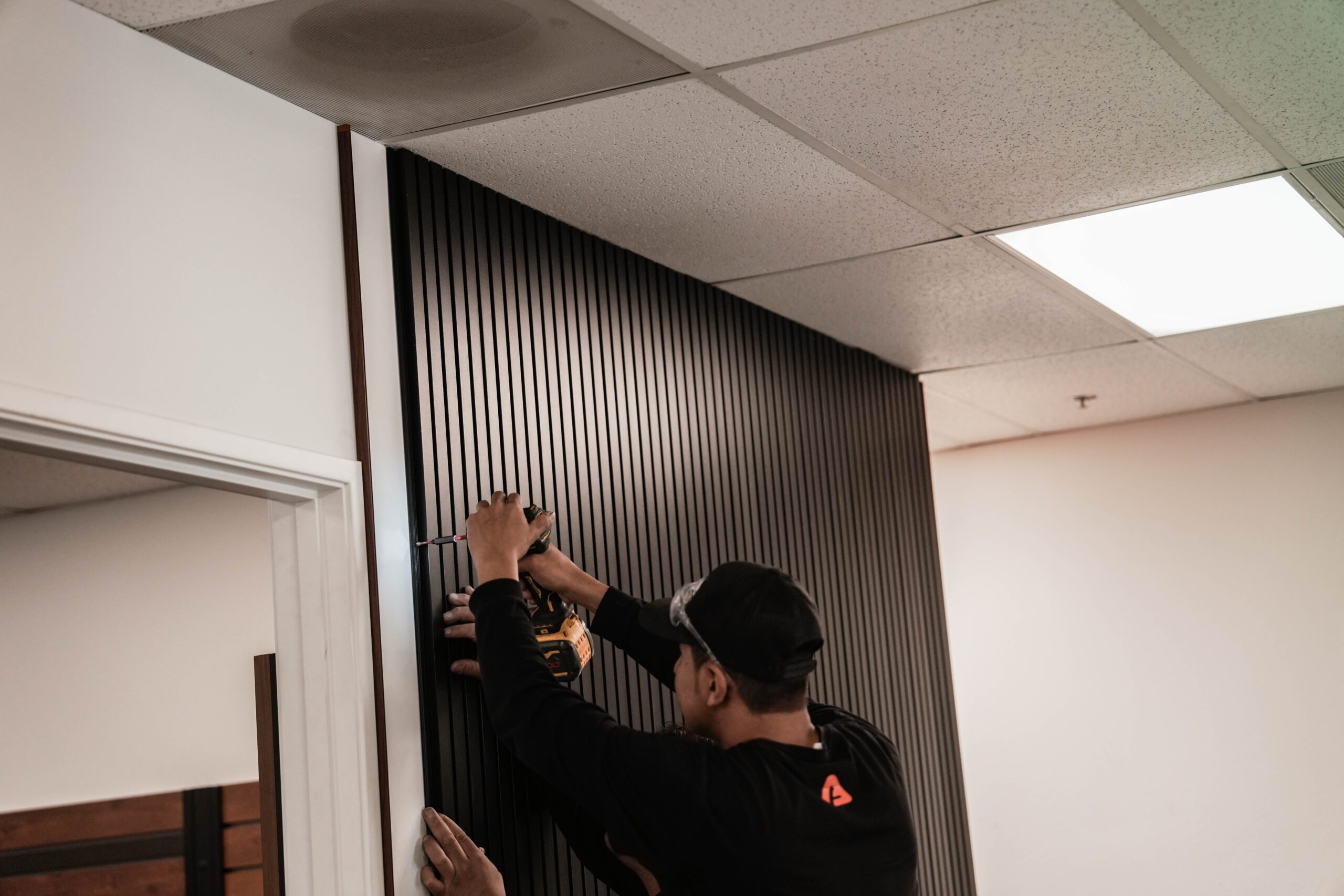
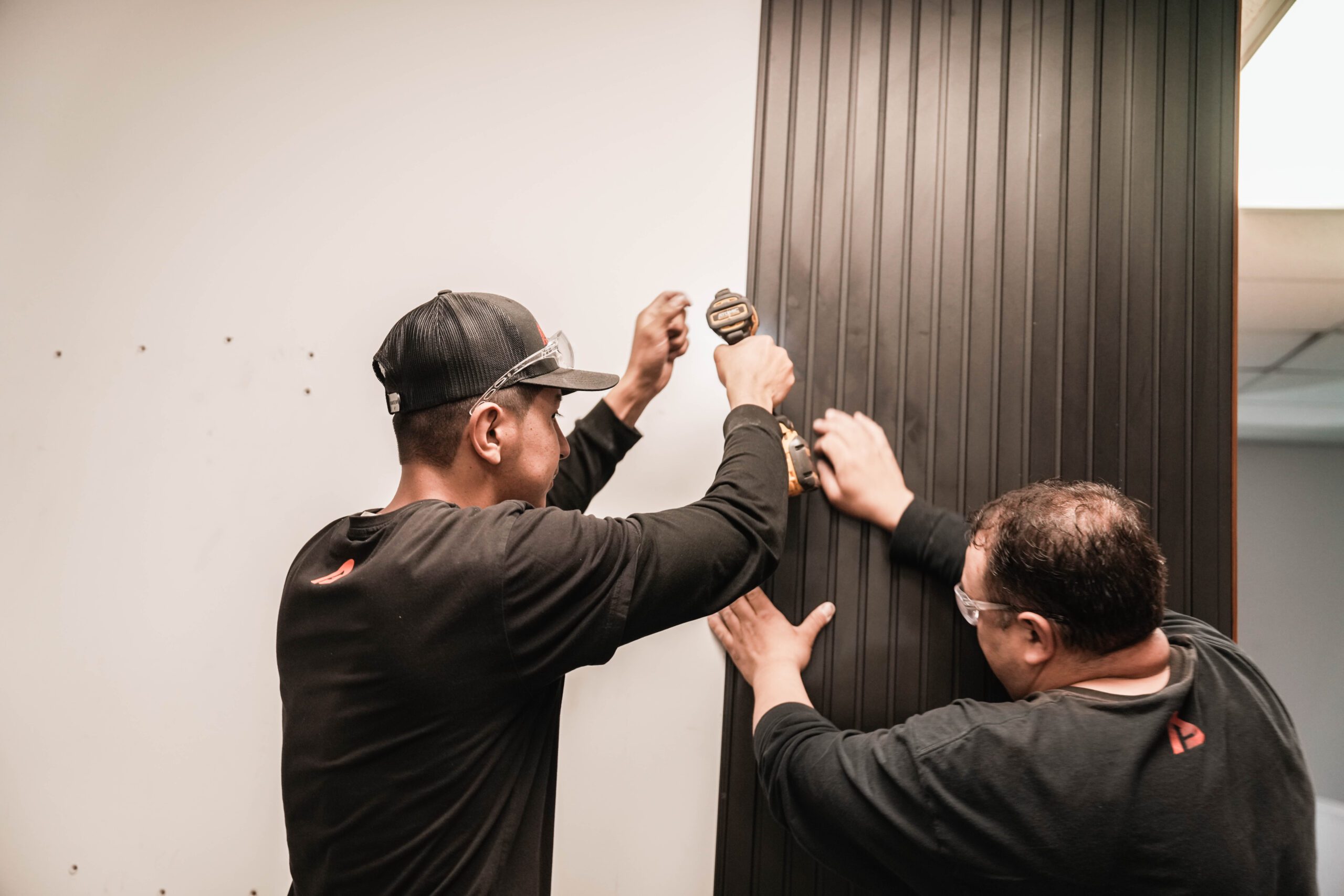
Premium wall cladding isn’t just about the panels—it’s about how everything aligns. We focus on the finish details that make a wall look expensive: straight lines, crisp corners, and precision reveal spacing.
Alignment
- Straight, consistent spacing
- Architectural rhythm
- No uneven gaps or visual breaks
Corners & Transitions
- Clean corner logic
- Sharp, finished edges
- No exposed or unfinished ends
Reveal Spacing
- Uniform shadow lines
- Modern visual rhythm
- Precision-driven installation
Detail Comparison: Standard vs Architectural Cladding
| Feature | Standard Install | Architectural Install |
|---|---|---|
| Spacing | Inconsistent | Precisely planned |
| Corners | Basic trims | Crisp, clean transitions |
| Layout | Panel-based | Architecture-based |
| Visual Impact | Average | Premium, modern |
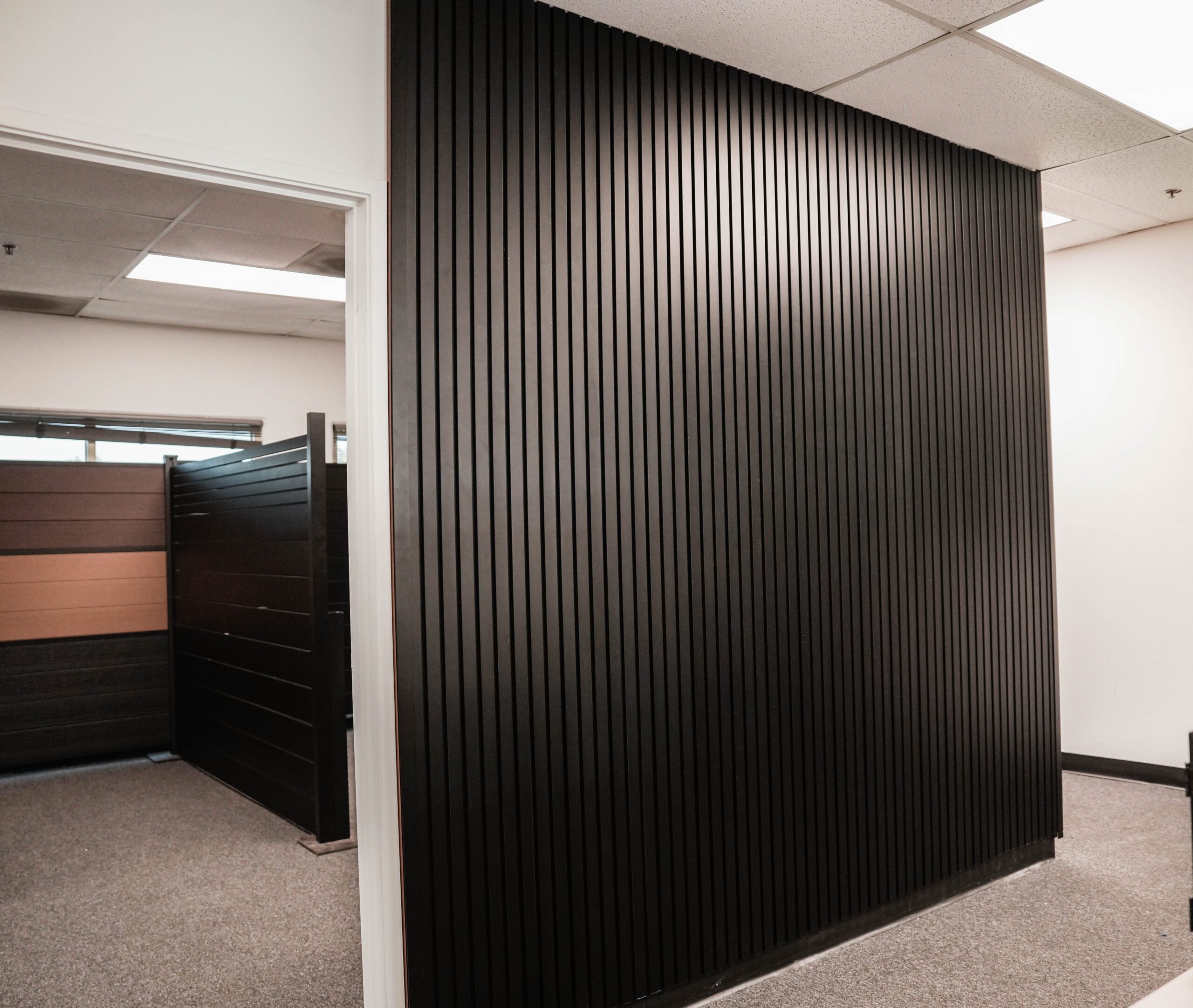
05 • Real Projects
Why modern wall cladding feels “finished”
A modern home or commercial building often looks incomplete without architectural wall detailing. When done correctly, cladding doesn’t just decorate—it defines the space and ties the property together.
What cladding does for the property
- Ties together gates, fences, and façades
- Adds structure to large flat surfaces
- Creates cohesion across the property
- Elevates the overall architectural language
Where you get the strongest visual return
- Entry and address walls
- Street-facing façades
- Courtyard feature walls
- Columns and architectural volumes
Wall cladding vs traditional wall finishes
| Feature | Traditional Finish | Modern Cladding |
|---|---|---|
| Visual Depth | Flat | Layered & dimensional |
| Design Control | Limited | Fully planned |
| Modern Appeal | Minimal | High |
| Architectural Impact | Low | Strong |
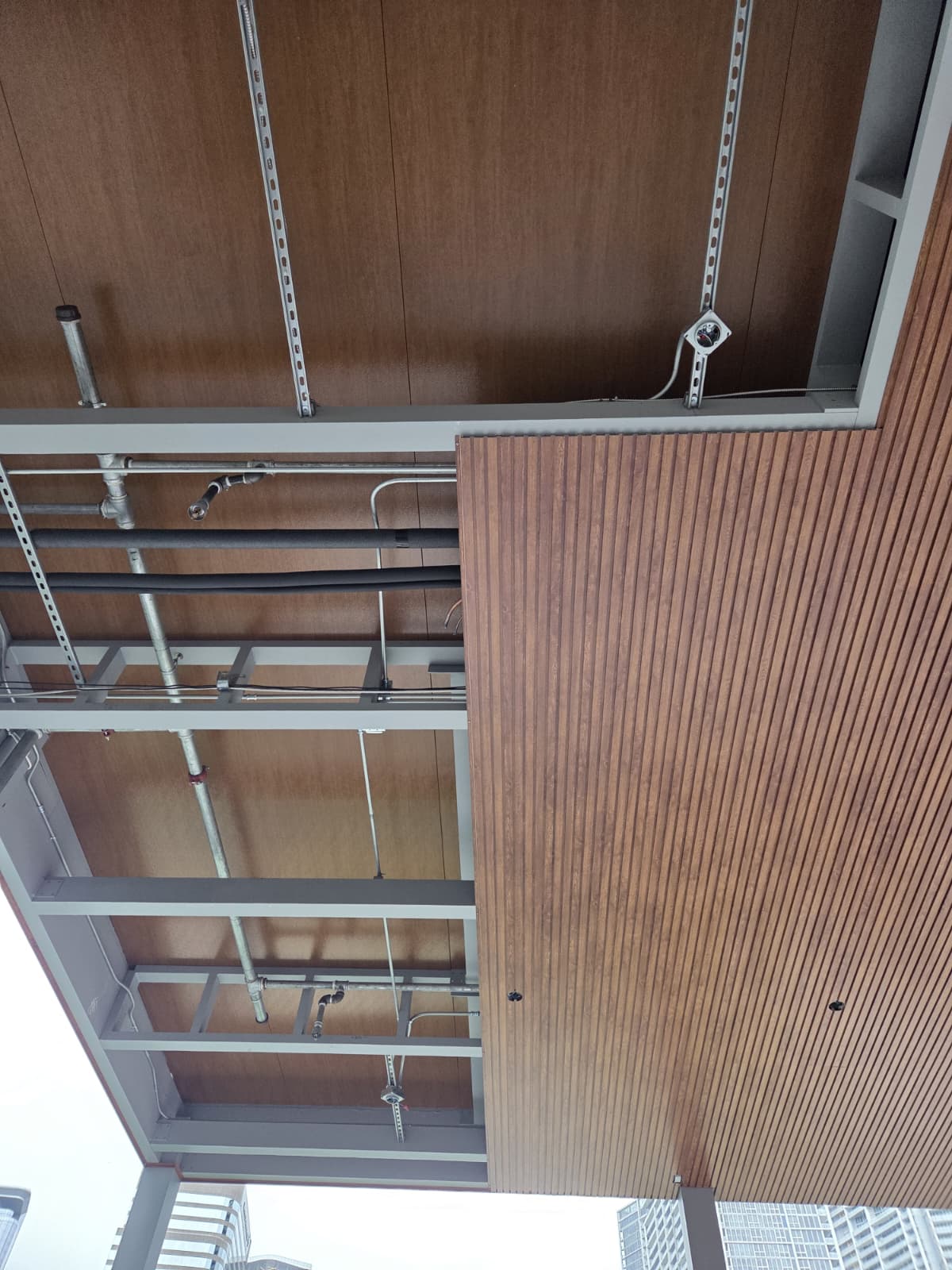
Feature wall