
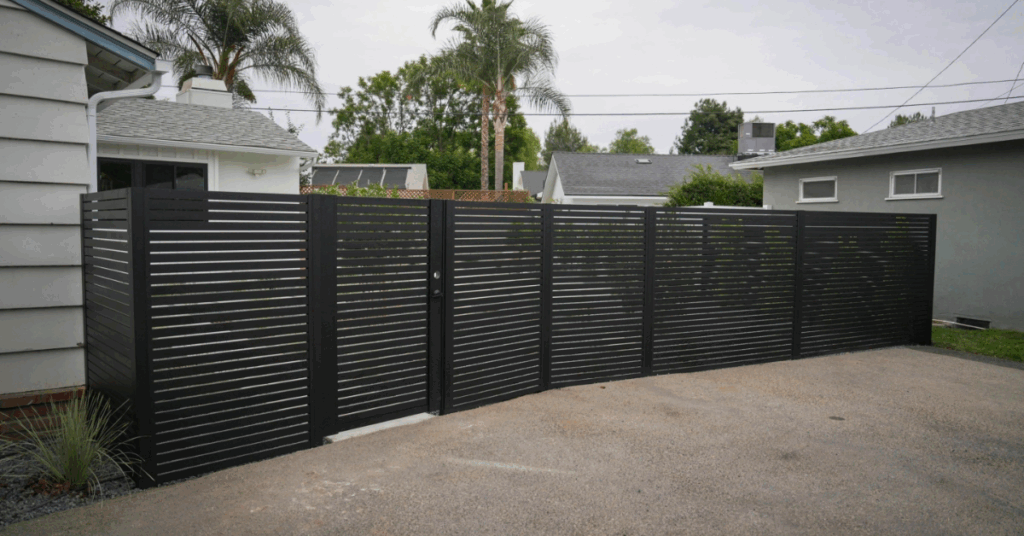
Zone 0 Approved fencing sets the bar for fire safe perimeter systems. This guide explains non combustible aluminum systems, compliance basics, maintenance routines and design choices that extend service life. Learn practical inspection checklists, coating care and installation priorities that keep fences durable, code compliant and lower lifecycle costs for 2026 and beyond.
Understanding Zone 0 Standards
Zone 0 requirements define the strictest wildfire exposure band. Aluminum systems accepted for Zone 0 focus on non combustible materials and resilient detailing. Inspecting material certification, fastener types and connection details is essential to prove compliance. Documented product data and test reports simplify approvals with authorities. Review mounting methods and clearances so the fence does not create fuel traps. For a technical overview of Zone 0 systems see the Zone 0 aluminum systems guide which breaks down typical assemblies and lab performance criteria.
Codes and Compliance Pathways
Meeting code begins with understanding municipal adoption of wildfire standards. Confirm which local template applies and collect manufacturer non combustibility statements. Keep documentation ready for inspections and permit submittal. Focus on connection details that resist heat warping and on spacing that prevents ember entrapment. Agencies increasingly reference tested systems; align your design with those precedents. For examples of permitted solutions and local guidance consult the review at Zone 0 approved fencing to see common compliance strategies and sample specifications.
Aluminum System Anatomy and Materials
Aluminum fencing relies on extruded rails, posts and bracketry engineered to be non combustible. Pay attention to alloy grade and wall thickness; these determine stiffness and long term performance. Choose hardware with corrosion resistance and stainless fasteners to avoid galvanic issues. Design for drainage and elevation changes to prevent water pooling around base plates. When detailing gates, ensure hinge systems tolerate thermal expansion. For a deep dive into assemblies and slat options refer to the technical note at Zone 0 aluminum fence non combustible systems.
Design Benefits and Performance Gains
Designing for longevity means balancing strength, aesthetics and maintenance. Aluminum offers high strength to weight, low corrosion and consistent appearance with minimal service. Thoughtful layout reduces stress points and simplifies cleaning access. Use modular components to ease future repairs. Pay attention to finish selection and profile geometry to control heat absorption and wind loads. Learn how modern aluminum choices deliver long term value in the review of advantages at Top 8 benefits of modern aluminum fences which highlights durability and lifecycle savings.
Non Combustible Fence Selection and Comparison
Choosing the right non combustible fence involves comparing materials, finishes and install complexity. Aluminum stands out for corrosion resistance and weight, but the system details matter. Review style compatibility with the site and anticipated maintenance. Validate warranties and ask for sample finish panels. Explore local style inspirations and material decision guides to match performance with design. See neighborhood style variations and material pros in the resources at Fence styles in Portland neighborhoods, the site hub at Globus Gates blog, and the material decision primer at Choosing the right fence material.
Coastal and Salt Air Considerations
Salt air exposure accelerates corrosion so choose alloys and finishes rated for coastal use. Powder coats with marine grade undercoats and stainless fasteners reduce maintenance. Minimize horizontal ledges that trap salt residue. Design drainage and periodic rinsing into the maintenance plan. When a project sits near the shoreline, reference case studies and solutions developed for coastal installations to select resilient systems. For a practical example of salt resistant aluminum designs see Salt resistant aluminum fences Manhattan Beach addressing finish and fastener choices.
Installation Best Practices
Correct installation ensures designed performance. Set posts in concrete to recommended depths and allow for thermal movement. Use isolated base plates where dissimilar metals meet and specify neoprene or polymer gaskets to prevent galvanic corrosion. Preassemble panels when possible to reduce field adjustments and protect finishes. A controlled torque sequence for hardware preserves alignment and serviceability. For regional installation guidance and contractor tips consult the installation overview at Aluminum fence installation CA which outlines site prep and sequencing.
Selecting a Qualified Contractor
Choosing the right contractor reduces risk and speeds approvals. Look for installers familiar with Zone 0 details and who maintain documentation. Ask for project references, insurance proof and examples of similar fire zone work. Confirm they follow specified torque, anchorage and coating handling protocols. A skilled contractor will suggest refinements that improve longevity and ease future service. For questions to ask and what credentials to expect see guidance at Choosing zone zero fence contractor which outlines vetting criteria and contract checkpoints.
Gates Hardware and Fire Zone Performance
Gates are the highest stress points on a perimeter. Specify heavy duty hinges, long life bushings and latching hardware that resists heat deformation. Consider self closing or locking devices that maintain integrity during ember storms. Ensure gate frames are reinforced and that thresholds prevent ember accumulation. Plan for operational testing as part of commissioning. For fire zone specific gate solutions and practical installation notes see the guidance at Aluminum gate fire zone CA to align hardware choices with code expectations.
Coatings and Surface Protection
Finishes significantly affect lifespan. High quality powder coat systems with appropriate pretreatment resist chalking and salt damage. Understand the difference between standard and enhanced systems and require finish certificates. Avoid abrasive cleaning that damages topcoats; instead use gentle detergents and low pressure rinse. Touch up small chips promptly with manufacturer approved repair kits. For technical details on coating processes and benefits consult the explainer at Powder coated aluminum fence benefits which explains selection and care.
Maintenance Schedule and Seasonal Tasks
Regular maintenance preserves both appearance and compliance. Create a seasonal checklist: inspect fasteners and hinges, rinse salt and debris, confirm anchors and check for paint damage. Winter and dry season routines differ; increase inspections after storms or ember events. Track small repairs to avoid escalation into structural issues. Compare aluminum maintenance to other materials to plan budgets and intervals. For seasonal focus and practical cleaning tips consult the guide at Seasonal maintenance tips for aluminum fences which offers a simple calendar and tasks list.
Design Your Ideal Fence and California B2B Insights
Designing your fence combines site needs, aesthetic goals and lifecycle planning. Use modular systems to adapt to site changes and to simplify repairs. For business buyers in California, align procurement with office and campus planning objectives to maximize ROI and visual consistency. Research local supply channels and compare lead times using supplier directories and maps. Find office furniture suppliers in California and related vendors to coordinate hardscape and perimeter purchases. When ready to move from concept to delivery, explore product options and make custom requests at https://globusgates.com/shop/ to design your ideal fence and gates today.
Final words
Non combustible aluminum systems deliver reliable, code compliant protection when specified and maintained correctly. Routine inspections, gentle cleaning, prompt hardware checks and high quality coatings make the difference. Investing in proper installation and periodic care extends service life, reduces replacement cost and preserves aesthetics. Use design support to tailor systems to site needs and secure long term performance.
Frequently Asked Questions
What makes an aluminum fence Zone 0 compliant?
Zone 0 compliance depends on non combustible material claims, tested assemblies and details that prevent ember entrapment. Certified product data and correct installation per code are required to prove compliance.
How often should I inspect a non combustible aluminum fence?
Inspect visually twice a year and after extreme weather. Check anchorage, fasteners, hinges and finish. Address chips or loose fixings promptly to avoid accelerated wear.
Can powder coat finish be repaired in the field?
Minor chips can be touched up with manufacturer approved repair kits. Larger damage may need professional refinishing. Regular gentle cleaning extends finish life.
What should I ask a contractor for Zone 0 installation?
Request proof of experience with wildfire zoning, project references, material certification, installation details, torque and anchorage practices, plus appropriate insurance and warranties.
How long can a well maintained aluminum fence last?
With proper specification, quality finish and routine maintenance aluminum fences commonly exceed 20 years. Coastal sites and heavy use can shorten intervals without attentive care.
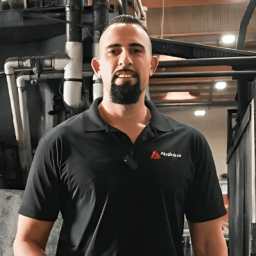
Ronnie is the CEO and Co-Founder of Globus Gates, bringing hands-on leadership and industry experience to the company’s aluminum gates, fences, patio covers, wall cladding, and exterior systems. His insights focus on helping homeowners, contractors, designers, and builders understand durable, modern, factory-direct, and non-combustible aluminum solutions built for long-term performance.