
What adjusters evaluate on site
How adjusters form first impressionsAdjusters prioritize visible safety, code compliance, and material condition. They look for secure post anchoring, correct gate swing clearances, and rust free surfaces. Clear evidence of noncombustible materials or protective coatings matters. Photographs, serial numbers and installation records speed decisions. Focus your documentation on measurable facts like post embed depth and fastener type. For practical security benchmarks see what is the optimal fence for security. Good records lower friction and shorten claim cycles.Compliance paperwork and documentation
What paperwork adjusters expectOrganize permits, plans, product specs and installation checklists. Include manufacturer cut sheets, coating details, and any fire zone certifications. Photographic timelines from excavation to finish are valuable. If you used a professional installer, include a signed installation report. For installation workflow guidance consult installation process explained by contractors. For contractor selection tips see choosing the right fence contractor. For noncombustible zone rules read zone 0 approved fencing.Why aluminum often meets insurer needs
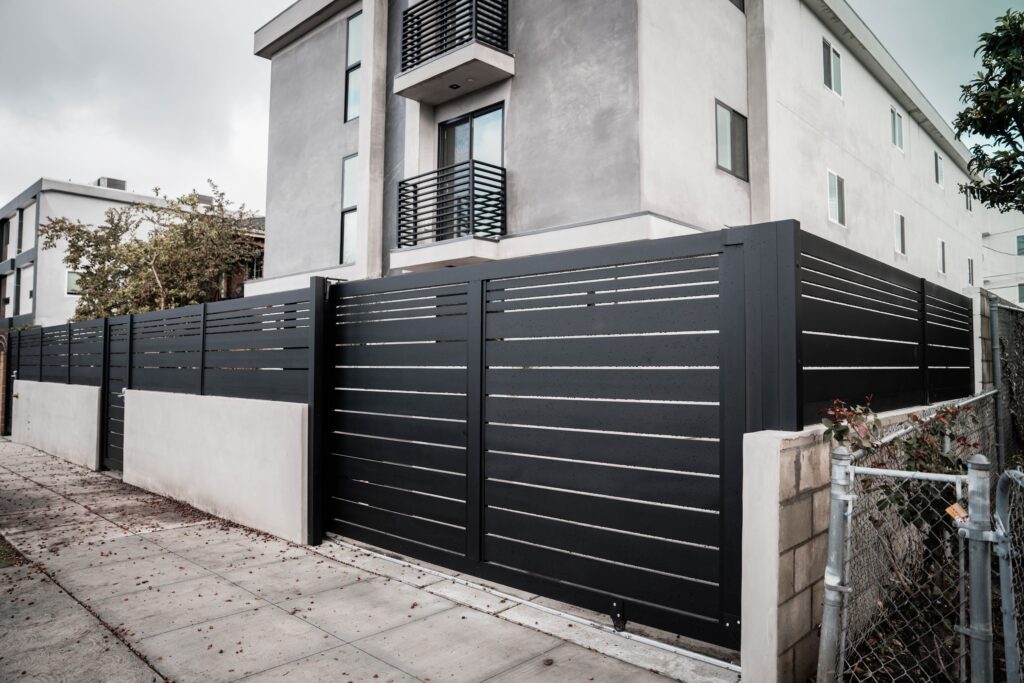
Aluminum benefits for adjuster reviewsAluminum resists corrosion, will not rot, and retains finish under coastal and rainy conditions. Its noncombustible or fire resistant ratings reduce wildfire exposure concerns. Lightweight sections reduce stress on posts and fasteners. Powder coat and anodized finishes add durability. Specify gauge, post embed depth, and finish warranties in records. For a deep dive on aluminum advantages consult top 8 benefits of modern aluminum fences. These facts help substantiate lower maintenance expectations to insurers.Design features that affect risk assessment
Design choices that influence adjuster ratingsAdjusters consider fence height relative to local codes, picket spacing, and gate locking methods. Security hardware, tamper resistant fasteners, and visibility for surveillance improve risk profiles. Choose rail and post profiles that resist bending and show clear load paths to foundations. Match style to property use to avoid perceived vulnerabilities. For creative but practical ideas that balance design and safety, visit modern yard fence ideas. Thoughtful design can reduce repair claims and speed approvals.Installation quality evidence adjusters want
Proving the fence was installed correctlyAdjusters look for concrete embed notes, correct drainage at posts, and smooth gate operation. Provide posthole dimensions, concrete mix notes, and anchor bolt details. Show photos of leveling and bracing steps taken during install. Keep warranty and labor records available. If you rely on certified installers, attach their verification form. For installation expectations in your region, refer to aluminum fence installation CA. Quality installation reduces failure points and claim disputes.Weather and fire zone considerations
How climate and fire risk change adjuster focusCoastal salt air accelerates corrosion on metals without proper finishes. Rainy climates demand designs that avoid water traps at posts. Fire zones shift attention to noncombustible materials, ember traps, and surrounding vegetation clearance. Insurers often seek explicit confirmation of fire ratings and salt resistant coatings. Document finish systems and maintenance schedules. For guidance on fire zone suitability of aluminum systems see why aluminum fences are ideal for fire zones. Proper choices reduce long term exposure.Maintenance plans that prevent claims
Use maintenance to demonstrate risk reductionAdjusters value evidence that owners follow a maintenance plan. Provide a schedule for inspections, touch up paint, and hinge lubrication. Keep records of completed work and parts replaced. Highlight warranties for finishes and hardware. Regular maintenance prevents fastener failure and gate sagging, common causes of claims. Offer clients a simple checklist and service record template to keep with their file. For seasonal care tips refer to seasonal maintenance tips for aluminum fences. A maintained fence is an insurer friendly fence.Cost, warranties and insurer discounts
How financials influence adjuster outcomesProvide clear warranty terms for materials and labor; these reduce perceived future cost exposure. Itemize lifecycle costs versus short term price. Insurers may offer favorable terms when a system demonstrates low long term maintenance. Present documented warranties, finish guarantees and expected service intervals. Use lifecycle cost summaries to justify higher initial investment. For owner budgeting and cost comparisons see fence installation cost guide for homeowners 2026. Transparent costing eases adjuster decisions.Selecting contractors and verifying credentials
How to choose installers who satisfy adjustersPick contractors with verifiable references and proof of insurance. Request written installation checklists and post install verification. Confirm they follow manufacturer instructions for embed depth and hardware torque. Ask for before and after photos, and a sign off form you can present to adjusters. Contractors that share standardized documentation reduce disputes. For cladding and material selection coordination consult how to choose a wall cladding to ensure compatible assemblies between fences and nearby finishes.Automated gates and security integrations
What adjusters expect from powered gatesAutomated gate systems should include safety sensors, manual overrides, and documented maintenance. Present wiring diagrams, motor torque settings, and testing logs. Show evidence of trained technicians performing safety tests and retaining records. Properly integrated access controls reduce unauthorized access and liability. For practical automation benefits and considerations review advantages of having an automatic gate. Good integration can improve security ratings and support insurer confidence.Design Your Ideal Fence and Gate
Turn insurer friendly requirements into a tailored designUse design choices to meet adjuster expectations while delivering curb appeal. Offer owners options for finishes, post profiles, and gate hardware that align with site conditions. Provide an easy to follow specification sheet that bundles finish type, embed depth, and warranty language. Encourage clients to keep a centralized installation file. For design guidance that balances family needs and standards, see choosing the perfect residential fence for your family comfort. Design Your Ideal Fence & Gates Today by offering expert planning, documentation templates, and install support to simplify approvals.Commercial opportunities in California markets
Position fencing solutions for B2B buyersCommercial clients value durability, certified compliance, and scalable installation timelines. Present lifecycle cost models, finish warranties and site specific plans. Use local references to show experience with municipal and landlord requirements. Provide a clickable map to show local presence: California service area on the map. Pair fence programs with workplace fit out strategies to reach property managers and architects. For commercial system specifications review best commercial fencing systems 2026. Ready to buy or prototype a system visit our shop at https://globusgates.com/shop/.Final words
Adopt a systematic approach: choose aluminum for durability, document every installation step, and maintain clear warranty and maintenance records. These actions meet adjuster expectations and reduce claim friction. Use design and documentation tools to present a complete file that speeds approvals and protects property value. Implementing these steps delivers safer, insurer friendly fences and gates.Frequently Asked Questions
What do insurance adjusters look for in fences and gates?
Adjusters evaluate safety, code compliance, and durability. They check post anchoring, gate operation, material condition, and proper documentation like permits, specs, and installation records.
Why are aluminum fences preferred by insurance companies?
Aluminum fences are non-combustible, corrosion-resistant, and low maintenance. These qualities reduce long-term risk, making them more favorable during insurance assessments.
What documentation should I provide for insurance approval?
You should include permits, product specifications, coating details, installation photos, and contractor reports. Clear documentation speeds up approvals and reduces claim issues.
Does fence design affect insurance approval?
Yes. Features like proper height, secure locking systems, spacing, and tamper-resistant hardware improve safety ratings and reduce perceived risk.
How can proper installation impact insurance claims?
Correct installation with documented embed depth, drainage, and hardware ensures durability and prevents failures. This reduces disputes and helps claims get approved faster.
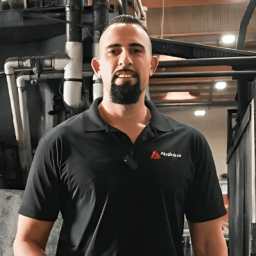
Ronnie is the CEO and Co-Founder of Globus Gates, bringing hands-on leadership and industry experience to the company’s aluminum gates, fences, patio covers, wall cladding, and exterior systems. His insights focus on helping homeowners, contractors, designers, and builders understand durable, modern, factory-direct, and non-combustible aluminum solutions built for long-term performance.