

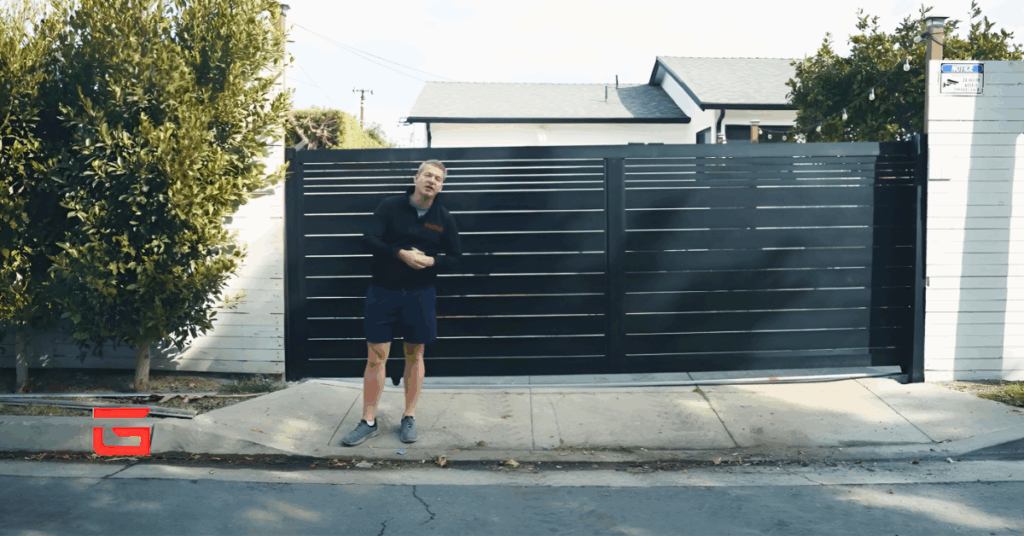
Choosing an insurance approved aluminum fence and gate system balances safety, durability and cost. This guide explains insurer criteria, the key pricing drivers, wildfire compliance considerations, design choices and practical budgeting steps. Learn how to estimate realistic costs, avoid common surprises and align finishes and installation with insurer and local code expectations for 2026 projects.
Why insurance approval matters for aluminum fences
Insurance approval signals that an aluminum fence and gate system meets insurer safety expectations and local codes. Choosing approved systems can reduce policy friction, speed inspections and sometimes lower premiums. Focus on material noncombustibility, certified profiles, and tested hardware. Ask for system documentation and installation certifications. Practical benefits include predictable claims handling and fewer post installation disputes. For deeper insurer focused guidance, review an industry resource: Insurance Approved Aluminum Fence and Gate Systems.
Primary pricing factors that drive cost
Material grade, profile complexity and finish dominate pricing for aluminum fences and gates. Heavier extrusions and multi chamber posts cost more. Powder coated finishes add to price but extend lifespan. Gate width, automation readiness and access hardware also increase costs. Site conditions such as soil type and slope affect excavation and labor. Add transport and permit fees to estimates. Compare metal versus wood cost scenarios and lifecycle trade offs. For a practical cost comparison see what is cheaper a wood fence or aluminum fence.
Estimating project costs and spotting hidden expenses
Create a layered cost estimate starting with materials and measured lineal feet. Add posts, gates, hardware, concrete, and finish costs. Include soft costs: permits, design fees, engineering, and disposal. Contingency of 10 to 20 percent covers unexpected ground conditions or code changes. Labor rates vary by region and site difficulty. Ask contractors for itemized bids and schedule details. Use professional guides to frame bids and timelines. For budgeting and homeowner focused cost guidance see fence installation cost guide for homeowners 2026.
Budget planning tactics and financing options
Prioritize needs versus wants when allocating budget. Start with performance requirements tied to insurer approval. Then layer in design elements and automation if funds allow. Leverage phased installation to spread costs across seasons. Consider financing through home improvement loans, lines of credit, or supplier payment plans. Negotiate warranties that align with long term value rather than lowest upfront price. Request bundled quotes for fencing and gate automation for savings. Practical budgeting tips and step by step approaches are available at effective tips for budgeting your new fence installation.
Wildfire compliance essentials for fence selection
Wildfire prone areas require special attention to material and design. Non combustible or low combustibility fences limit ember ignition risk. Clearances, spacing, and attachment methods matter. Local rules may require specific profiles or restrict gaps that trap embers. Permits often request compliance documentation. Inspectors look for metal posts, limited combustible attachments, and defensible space integration. Learn regulation driven choices and community guidance in this focused resource: choosing a fire safe fence in high risk fire areas.
Zone 0 and non combustible aluminum systems explained
Zone 0 systems and non combustible aluminum options address strict coastal and fire zone codes. These systems use certified non combustible profiles and attachment details to meet high standards. Choosing compliant slat patterns and avoiding wood infill reduces risk. Confirm manufacturer test reports and local acceptance. Proper finish systems resist heat damage and minimize maintenance. For detailed system guidance and examples of approved configurations explore: zone 0 approved fencing non combustible aluminum systems.
Installation practices that reduce wildfire risk
Installation techniques matter for wildfire resilience. Keep combustible vegetation away from fence lines. Use concrete encasement and sealed connections to prevent ember intrusion. Avoid wooden rails and visible gaps that can trap embers. Anchor gates to metal posts and specify rust resistant fasteners. Schedule installation to allow for post installation inspections and defensible space remediation. For local project best practices and case studies see: fire resistant fencing norco.
Designing your ideal fence and gate system
Start with performance goals—security, privacy, or wildfire resilience—and then refine style. Consider vertical or horizontal profiles, pick a powder coat color, and choose gate type. Coordinate hardware finishes for durability. Include automation planning early to size posts and foundations correctly. Work with a designer to visualize scale and sightlines. Inspiration and context for modern yard solutions are available at external design galleries such as Houzz. Use professional design to align aesthetic and insurer requirements.
Material finishes, maintenance and lifecycle value
Finish selection affects cost and longevity. Powder coating protects aluminum from fading and corrosion. Thicker coatings and baked finishes last longer in coastal climates. Maintenance usually requires only periodic cleaning and hinge lubrication. Factor lifecycle value into your budget: higher finish cost often reduces repainting and repair expenses. Consider finish warranties and ask for maintenance schedules from suppliers. For design integration tips consult authoritative design media like Architectural Digest to match fence finishes with architecture.
Ordering, lead times and project scheduling
Plan lead times early—custom extrusions, gates and powder coat finishes add weeks to delivery. Coordinate site prep and permitting to avoid idle labor costs. Confirm hardware availability and automation components. Build buffer time for inspections and unexpected delays. Communicate milestones with all trades and request an itemized schedule from your installer. For broader industry scheduling practices and standards consult professional builder resources such as NAHB when aligning timelines for larger developments.
B2B opportunities for California office furniture marketers
Office furniture marketers in California can partner with perimeter and gate suppliers to deliver secure campus solutions. Offer combined packages that blend landscape, security, and exterior furniture to corporate clients. Location based portfolios help sales teams showcase local installations. Use mapped references when pitching regional readiness. View California locations on Google Maps for logistics and regional planning: View California locations on Google Maps. Cross sell maintenance contracts and tailored commercial warranties to increase recurring revenue.
Final planning steps and how to act now
Consolidate your plan by confirming insurer criteria, choosing compliant materials, and securing itemized bids. Prioritize certified installations and clear documentation to protect coverage. Use professional design support to align aesthetics, performance and budget. The author offers custom design guidance, streamlined ordering, and practical cost control to simplify your project. Take action today and explore products and ordering options at Design Your Ideal Fence & Gates Today to get tailored solutions and fast quotes.
Final words
Insurance approved aluminum fences deliver code compliance, insurer confidence and long term savings when specified correctly. Prioritize proven profiles, durable finishes and certified installation to avoid cost overruns. Use clear budgeting steps, consider wildfire rules where relevant, and leverage professional design help to match aesthetics with performance. Take the next step with informed estimates and supplier support to keep projects on time and on budget.
Frequently Asked Questions
An insurance-approved aluminum fence meets insurer safety standards, local building codes, and material noncombustibility requirements that reduce perceived risk. Insurers look for certified profiles, tested hardware, and documented installation practices all of which support faster inspections and smoother claims handling. To qualify, you’ll typically need manufacturer test reports, permit documentation, and proof of professional installation using certified noncombustible components.
Aluminum fencing in 2026 runs between $22 and $72 per linear foot installed, depending on grade, profile, and site conditions. For fire-resistant or wildfire-zone compliant systems, expect costs toward the higher end fireproof metal fence systems typically average $40 to $60 per linear foot, with full projects ranging from $8,000 to $16,000 for a standard yard. Always add 10–20% contingency for permits, excavation surprises, and inspection fees.
Yes, properties fitted with non-combustible perimeter fencing in wildfire-prone areas often qualify for insurance premium reductions of 5% to 20%. Insurers such as California FAIR Plan and major national providers factor metal perimeter barriers into their risk scoring, and in some cases a compliant fence can make coverage available where it was previously denied. Always request written confirmation of eligibility from your insurer before installation, and keep all documentation (invoices, photos, test reports) on file.
Zone 0 refers to the 0–5 foot buffer immediately surrounding your home, where California and other wildfire-state regulations require non-combustible or low-combustibility materials under AB 3074. In this zone, aluminum fencing with zero flame-spread ratings, metal posts, sealed connections, and no wood infill exceeds the minimum standard and is specifically designed to stop ember ignition paths. If your property is in a Wildland-Urban Interface (WUI) area, Zone 0 compliance is typically mandatory and must be documented for permit approval.
Beyond materials and labor, homeowners frequently underestimate soft costs such as building permits, engineering sign-offs, soil assessment, concrete, and waste disposal. Unpermitted fences create serious risk insurance carriers can deny damage claims on the grounds that the structure wasn’t properly permitted. Additional budget drivers include gate automation components, rust-resistant fasteners, powder coat upgrades for coastal climates, and post-installation inspection scheduling; factoring all of these in from the start protects both your budget and your coverage.
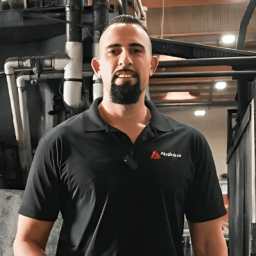
Ronnie is the CEO and Co-Founder of Globus Gates, bringing hands-on leadership and industry experience to the company’s aluminum gates, fences, patio covers, wall cladding, and exterior systems. His insights focus on helping homeowners, contractors, designers, and builders understand durable, modern, factory-direct, and non-combustible aluminum solutions built for long-term performance.