
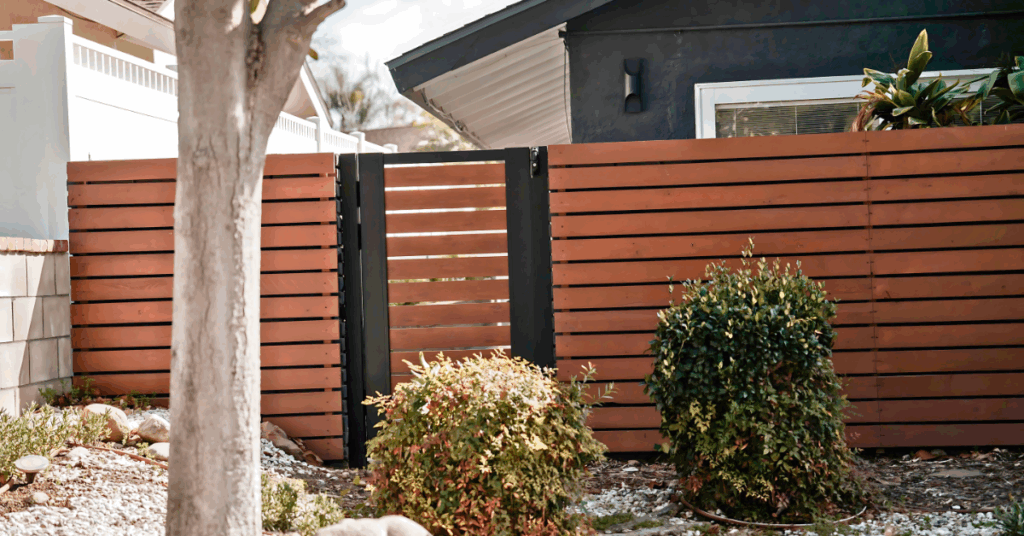
Wildfire exposure makes fence material a critical safety decision. This guide compares wood and aluminum fences, shows how ignition and ember attack occur, and explains replacement, code and insurance implications. You will learn practical next steps to lower property risk while keeping curb appeal and value.
Why fence material matters for wildfire safety
Wooden fences can act as fuel and spread flames quickly when exposed to embers. Ember storms often ignite small gaps and dry boards. Aluminum is non combustible and will not feed a fire, but installation details matter. Proper post and cap treatments reduce ember traps. Consider slope, vegetation and nearby structures when assessing risk. Insurance and local code often favor non combustible systems for homes near wildland. For material selection guidance and how to balance style with safety see choosing the right fence material.
How wood behaves under ember and flame exposure
Wood ignites, chars and may sustain flame spread that damages nearby assets. Age, moisture content and surface treatments change ignition time. Gaps between boards allow embers to reach dry inner framing. Simple upgrades like fire retardant treatment help but do not remove the core risk. Regular maintenance and clearing combustible debris near the fence extend safety margins. For owners comparing lifecycle cost and risk, review cost tradeoffs and durability factors at what is cheaper a wood fence or aluminum fence.
Aluminum performance under fire conditions
Aluminum does not burn, so it resists flame propagation and ember ignition. It retains structural form at temperatures that would consume wood. Coatings and powder coats add weather resistance but do not change non combustible behavior. Pay attention to posts, fasteners and trim that can be combustible. Properly designed aluminum systems reduce ember traps and avoid creating ignition pockets. Learn why experts often recommend aluminum for fire zones at why aluminum fences are ideal for fire zones.
Steps to replace a wood fence with aluminum
Plan removal and replacement in stages to control cost and minimize disruption. Inspect posts, soil stability and any utilities before starting. Choose aluminum profiles that match privacy and style needs. Confirm local permits and wildfire setback rules. Reuse non combustible footings if intact, or upgrade to code compliant concrete piers. Coordinate with certified contractors for accurate site layout and efficient installation. For guidance on whether to repair or replace visit fence replacement vs repair making the right choice.
Ignition mechanics ember exposure and testing insights
Embers cause most home ignitions during wildfires; fences see concentrated exposure. Tests show woodboards ignite faster than non combustible metal under sustained ember showers. Design details that matter include vertical gaps, hollow sections and combustible caps. Aluminum panels with tight joints and minimal combustible trim reduce risk. Consider ember resistant sealing and non combustible gates. For deeper technical discussion on aluminum benefits in fire zones see aluminum fences ideal fire zones.
Code insurance and approvals for fence systems
Regulators and insurers increasingly favor non combustible fence systems in high risk zones. Some jurisdictions require non combustible materials for perimeter fences near structures. Insurance discounts may apply with approved systems and certified installations. Keep documentation of material certificates and installation photos for claims. Discuss requirements early with your insurer to avoid surprises. Learn more on approved systems and insurance topics at insurance approved aluminum fence and gate systems.
Real world examples best practices and lessons learned
Field examples show aluminum fences often survive fire fronts when wood fences fail. Best practice includes removing combustible vegetation near fences and using non combustible posts. Combine good drainage, ember resistant sealing and quality fasteners. Owner stories emphasize planned replacements before a fire season. Inspect annually for gaps and repairs. For regional case studies and recommended installations see fire resistant fencing norco.
Design your ideal fire safe fence and gate
Design must balance safety, privacy and curb appeal. Choose profiles that block ember entry and avoid hollow cavities. Select colors and finishes that match your home while prioritizing corrosion resistance. Modular components reduce install time and provide consistent quality. Consider added features like secure latches and matching gates for continuity. Use professional design tools and expert guidance to specify panels and hardware that meet fire safety needs. For inspiration and modern layout options view modern yard fence ideas.
Planning budget timeline and value when upgrading
Budget for material, labor and permit costs and plan a realistic timeline. Replacing a wood fence with aluminum often increases upfront cost but lowers maintenance and risk. Factor in long term savings, insurance benefits and property resale value. Staging work across seasons can smooth cash flow. Ask for detailed estimates and warranties to compare offers. When you are ready to source professional help, learn how to vet contractors at choosing the right fence contractor.
Choosing contractors and managing installation
Pick installers with wildfire zone experience and clear references. Confirm their familiarity with local codes and insurance requirements. Ask for examples of prior aluminum installations and warranty terms. Verify site protection during demolition to avoid spreading debris. Coordinate tree and vegetation work before fence crews arrive. Clear communication reduces change orders and timeline surprises. For a checklist on selecting the right company consult how to choose the right fence company.
B2B California office furniture marketing insights and crossover benefits
Commercial buyers in California seek durable, low maintenance fixtures similar to fire safe fencing demands. Positioning emphasizes compliance, lifetime cost and sustainability. Use local mapping to show service reach and regional expertise: California service area on the map. Highlight case studies that show reduced maintenance and improved safety. Packaging lifecycle warranties and design services attracts B2B buyers. Cross sell related exterior products to facility managers who value resilience and regulatory alignment.
From consultation to installation act now to reduce wildfire risk
Start with a site risk assessment and prioritize high exposure segments. Work with designers who can customize panels, gates and hardware to local conditions and aesthetics. Create a phased plan to spread cost and upgrade critical zones first. Use professional fabrication and certified installers to ensure compliance and durability. Design Your Ideal Fence & Gates Today by combining expert design help, durable non combustible materials and efficient installation. Explore tailored options and order components directly at design and shop.
Final words
Aluminum fencing lowers ignition and ember risk compared with untreated wood. Consider replacement when you live in fire prone areas, and check local codes and insurance rules. Design choices can keep privacy and style while improving safety. Use expert design help and quality manufacturing to make the switch efficient and durable.
Frequently Asked Questions
Yes. Wood fences can act as a direct fuel path, carrying flames from vegetation to your home. Ember storms ignite dry boards and gaps between planks, making wood fences one of the most common ignition sources during wildfires. Fire retardant treatments reduce but do not eliminate this risk.
Aluminum is non-combustible, meaning it will not ignite or feed a fire. It retains its structural shape at temperatures that would destroy a wood fence. However, installation details matter, combustible caps, posts, or trim can still create ignition points, so fully non-combustible hardware should be used throughout.
In many high-risk wildfire zones, insurers favor or even require non-combustible fence systems. Some policies offer discounts for certified aluminum installations. It is recommended to contact your insurer before installation, keep material certificates, and document the work with photos to support any future claims.
Most jurisdictions require permits for fence replacement, and wildfire-prone areas often have specific setback rules and material requirements. You should confirm local code requirements before starting work and choose a contractor familiar with regional wildfire regulations to avoid compliance issues.
Aluminum fencing typically has a higher upfront cost than wood, but lower long-term maintenance expenses and potential insurance savings often offset the difference. Costs vary based on panel style, linear footage, labor, and permit fees. Staging the replacement across seasons can help manage cash flow while prioritizing the highest-risk fence sections first.
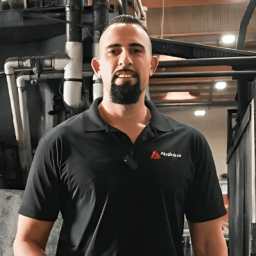
Ronnie is the CEO and Co-Founder of Globus Gates, bringing hands-on leadership and industry experience to the company’s aluminum gates, fences, patio covers, wall cladding, and exterior systems. His insights focus on helping homeowners, contractors, designers, and builders understand durable, modern, factory-direct, and non-combustible aluminum solutions built for long-term performance.