

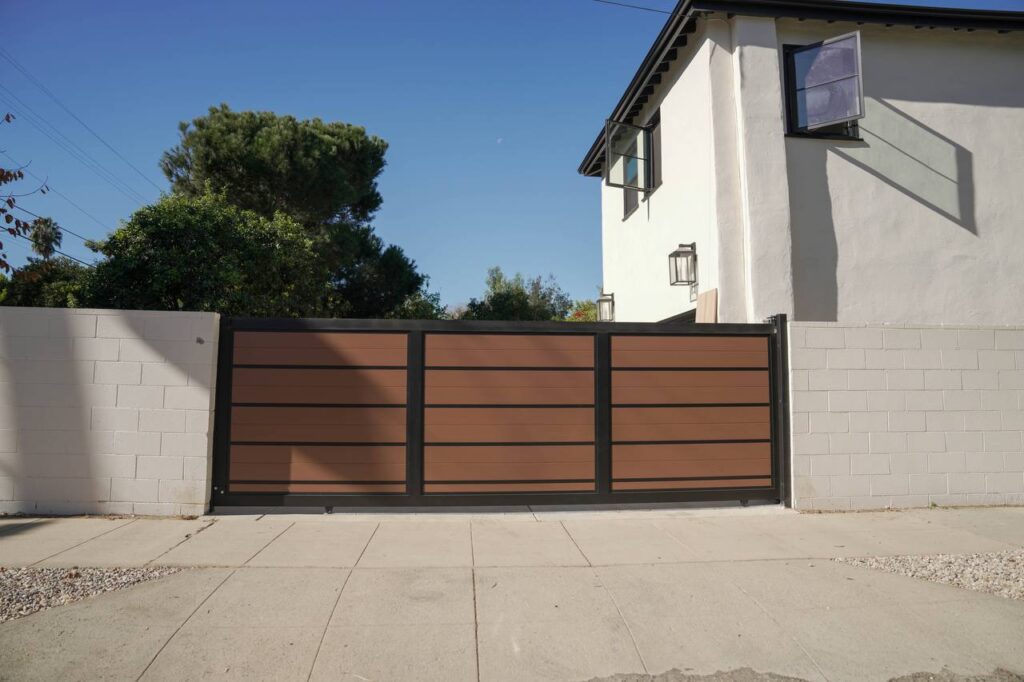
Zone 0 home hardening requires noncombustible perimeter systems and strategic gate choices. This guide compares swing and slide aluminum gates for fire zones. Read practical installation, code, and maintenance guidance to help owners select durable, compliant gates that reduce wildfire risk while improving access and curb appeal.
Why Zone 0 Matters for Gates
Zone 0 risks and perimeter strategy
Zone 0 defines the immediate defensible space. Gates here must be noncombustible and resist ember attack. Aluminum gates meet those requirements while offering low maintenance. Consider clearance, swing path, and ignition-risk surfaces near the gate. Match your gate to adjacent fencing to avoid weak points. Review approved product guides and local standards before specifying materials. For deeper technical background see Zone 0 aluminum systems guide which outlines approved profiles and installation practices for high risk areas.
Material Advantages of Aluminum
Durability and fire resilience
Aluminum resists corrosion, does not burn, and keeps structural integrity when exposed to heat. Its light weight reduces stress on hinges and motors. Powder coating adds weather resistance and reduces maintenance. Choose extrusions engineered for structural strength and wind loads. Aluminum alloys vary; verify manufacturer specs for thermal expansion and surface finish. Consider warranty and lifecycle cost rather than initial price alone. For a focused discussion on why aluminum performs in fire conditions read why aluminum fences are ideal for fire zones.
Comparing Swing and Slide Gate Basics
Core operational differences
Swing gates rotate on hinges and need clear approach space. Slide gates move laterally along a track and use less forward clearance. For narrow driveways, slides are often the only option. Swings are mechanically simpler and easier to fit into sloped drives if rackability is managed. Both require noncombustible posts and hardware in Zone 0. Evaluate driveway slope, gate width, and obstruction risk when choosing a motion type. For installation steps and considerations review aluminum fences ideal fire zones which highlights common installation pitfalls and solutions.
Designing a Fire Resistant Gate System
System thinking for fire safety
Design a gate as part of an integrated defensible perimeter. Use noncombustible posts, fasteners, and hardware. Avoid combustible infill like untreated wood near the gate. Seal gaps that could trap embers. Incorporate breakaway landscaping that reduces fuel near hinges and mechanisms. Coordinate with driveway paving and drainage features to prevent debris accumulation. For case studies and local guidance consult fire resistant fencing norco which shows practical upgrades for high risk properties.
Installation Practices for Zone 0 Compliance
Best installation practices
Ensure posts are embedded to manufacturer depth and set in noncombustible backfill where required. Keep motor housings elevated to avoid debris contact. Use stainless or galvanized fasteners. Provide access for inspection and cleaning of tracks and hinges. Maintain required clearances for emergency vehicles. Keep finishes intact; a chipped coating can hide corrosion. Inspect anchoring after storms. For localized installation tips in fire prone coastal and inland areas review fire resistant fencing palos verdes ca.
Hardware Choices and Motor Considerations
Hinges rollers and motors
Choose heavy duty hinges for swing gates to resist warping under heat. Select sealed motors rated for outdoor exposure and elevated mounting to reduce ember contact. For slide gates use rollers engineered for debris shedding and easy clearing. Prefer motors with thermal protection and manual override for power loss. Protect wiring in conduit and avoid exposed junctions near combustible vegetation. For examples of gate hardware selection see aluminum gate fire zone ca which highlights resilient component choices for high risk zones.
Balancing Security Access and Fire Safety
Integrate security without increasing fire risk
Access control must not compromise defensible space. Choose keypad or remote solutions mounted on noncombustible posts away from the gate face to avoid creating ember traps. Provide manual egress options that responders can use without creating openings thatignite. Maintain clear sight lines and avoid dense plantings at the gate perimeter. Coordinate gate automation with emergency plans so power loss does not trap occupants. For help selecting gate styles that meet both security and fire safety goals consult selecting your perfect gate.
Customizing Gates with Practical Aesthetics
Design that supports function
Aluminum allows many styles while keeping noncombustible credentials. Use open slat patterns to reduce ember capture while preserving privacy with staggered spacing. Integrate architectural lines to match home finishes. Choose dark or light powder coats that minimize visible wear. Keep ornamental elements minimal near ignition-sensitive areas. Coordinate gate height with fence and local code.
Maintenance Routines to Preserve Fire Performance
Cleaning inspection and repair
Schedule seasonal inspections before fire season. Clear debris from tracks and pivot zones. Check coatings and touch up chips with compatible finishes. Verify motor ventilation and lubrication points. Test manual override and emergency access functions. Remove nearby vegetation that can impede operation or transfer embers. Keep a log of inspections and repairs to support insurance and compliance checks. See professional maintenance workflows and hiring advantages at why hiring professional fence builders saves time money stress.
Specifying Projects and Budgeting
Scope estimate and lifecycle cost
Create a clear scope including material grades, hardware finish, automation, and installation complexities. Factor site prep, slope adjustments, and any retaining or drainage work into the estimate. Compare long term maintenance cost versus initial savings of lower grade components. Consider insurance incentives for compliant Zone 0 systems. Get multiple bids and verify contractor experience with fire zone installs. For regional installation examples and driveways solutions view modern driveway gate ca.
Marketing Gate Systems to California Businesses
B2B outreach strategies for office buyers
Position noncombustible aluminum gates as a risk reduction measure for commercial properties. Highlight code compliance, reduced maintenance, and insurance advantages. Use case studies to show value and ROI. Partner with architects and property managers to specify gate systems early in project design. Provide technical documentation and warranty details. Share local installation references and invite potential clients to view completed projects via mapped locations. For prospecting events and regional presence show a clickable map: Office furniture and facilities search in California to demonstrate local market alignment.
Selling Upgrades and Aftercare Services
Service packages and recurring revenue
Offer inspection plans, seasonal cleaning, and quick-response repair packages to commercial clients. Bundle automation checks, lubrication, and finish touch ups into annual contracts. Educate buyers on the value of preventive maintenance to extend hardware life and maintain fire performance. Provide digital scheduling, documented inspections, and prioritized emergency response. Use warranty and service promises to differentiate. For contractor sourcing and buyer guidance related to local installers check fence builders near me beverly hills.
Design Your Ideal Fence and Gates Today Find products and start specification at the shop to build compliant, durable gates that protect properties. Design Your Ideal Fence & Gates Today
Final words
Aluminum swing and slide gates both support Zone 0 home hardening when specified and installed correctly. Choose the motion type that suits site constraints, then focus on noncombustible components, correct anchoring, and periodic maintenance. Prioritize compliant hardware and professional installation to reduce wildfire risk and preserve access. Thoughtful design balances safety, function, and curb appeal while lowering long term cost and insurance exposure.
Frequently Asked Questions
Yes. Aluminum is noncombustible and commonly approved for Zone 0 when installed per local codes and manufacturer guidelines. Confirm local regulations before purchase.
Slide gates are typically better for narrow approaches since they move laterally and need less forward clearance. Evaluate slope and available runback space.
Inspect gates seasonally and before fire season. Check coatings, fasteners, motors, and clearances. Schedule professional maintenance annually.
Yes. Use outdoor rated motors mounted to avoid debris and ember contact. Provide manual override and ensure wiring is protected in conduit.
They can. Noncombustible perimeter upgrades may qualify for insurance incentives. Check with your provider and document compliant installations.
Ronnie is the CEO and Co-Founder of Globus Gates, bringing hands-on leadership and industry experience to the company’s aluminum gates, fences, patio covers, wall cladding, and exterior systems. His insights focus on helping homeowners, contractors, designers, and builders understand durable, modern, factory-direct, and non-combustible aluminum solutions built for long-term performance.