
Zone Zero Fence in California: Fire-Smart Design Tips & Compliance Basics (2026)
California homeowners are paying closer attention to Zone Zero fence design as wildfire safety rules continue to evolve in 2026. A fire-smart fence is no longer just a property boundary; it is part of a broader defensible-space strategy that can help reduce ember risk, improve compliance, and support safer home design in high-risk areas.
In this guide, we’ll look at what a Zone Zero fence in California means, which materials and layouts are typically considered more fire-responsible, and how to think about compliance basics when planning a perimeter fence.
Table of Contents
What Zone Zero Means
Zone Zero refers to the area immediately surrounding a home where fire safety rules are designed to reduce the chance of ignition from embers, flames, and heat exposure. In California, this concept is closely tied to defensible space and the growing focus on wildfire-resistant home design. For fencing, that means the materials, placement, and connection points near the structure matter a lot.
Fire-Smart Fence Materials
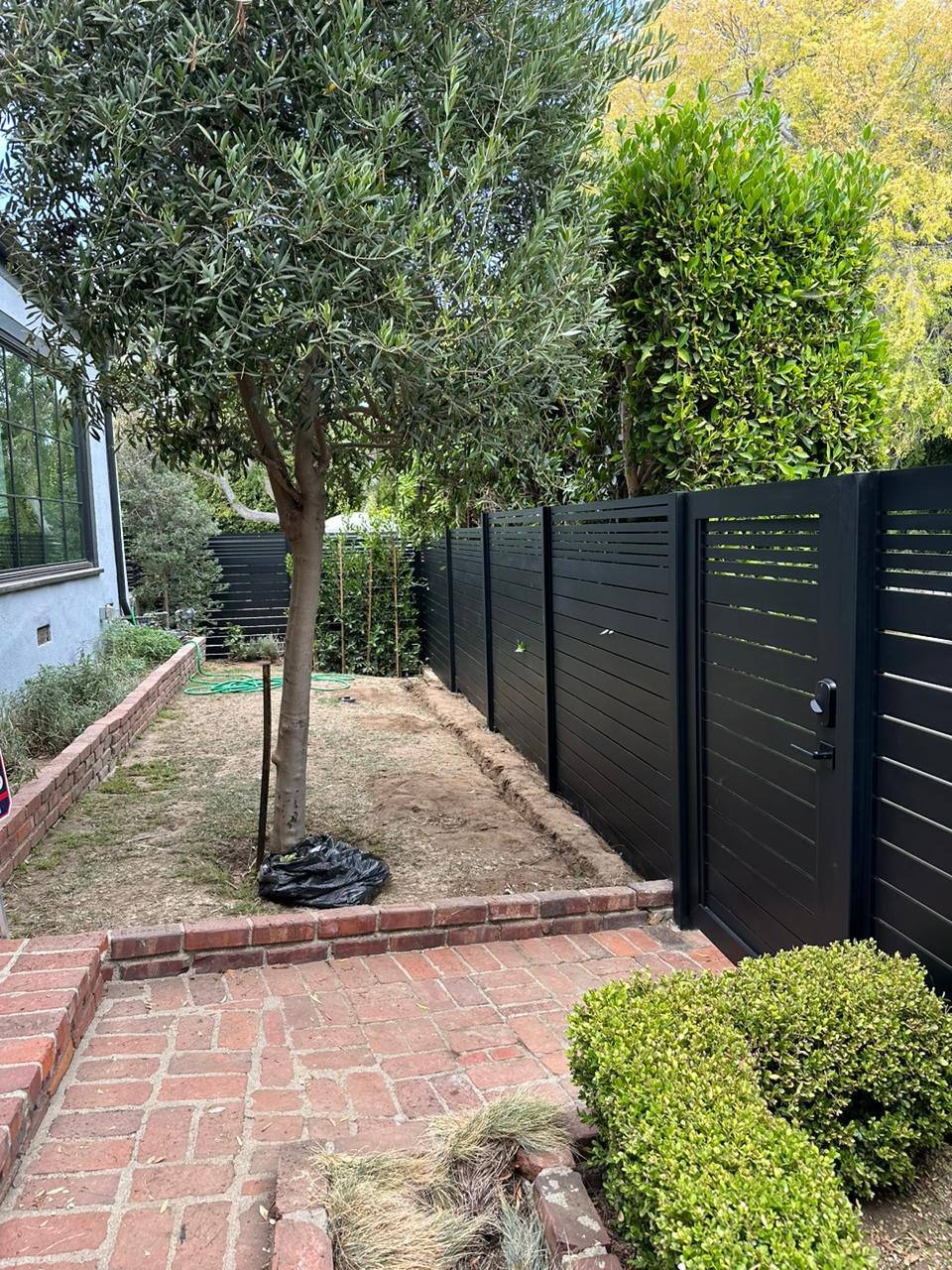
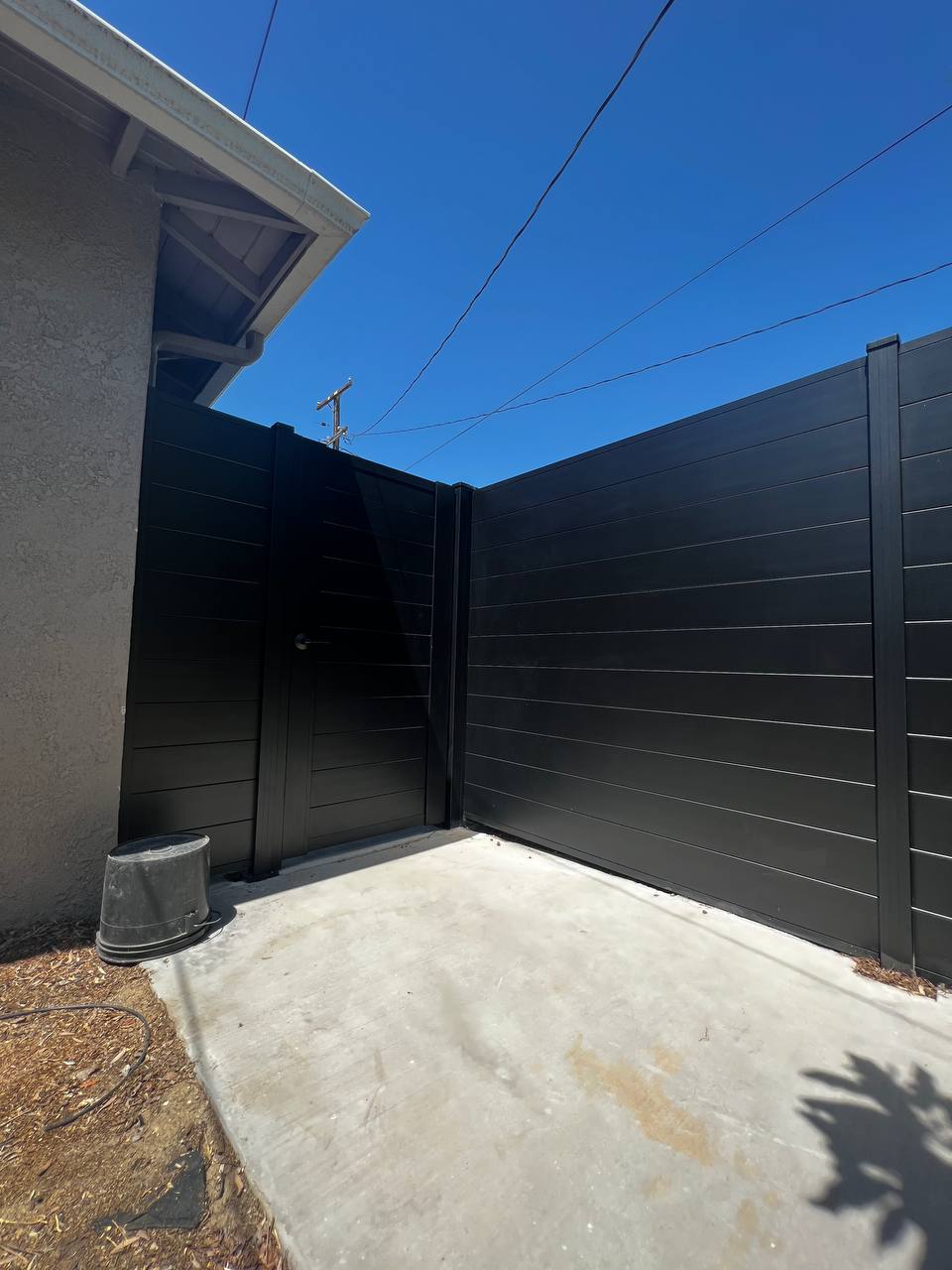
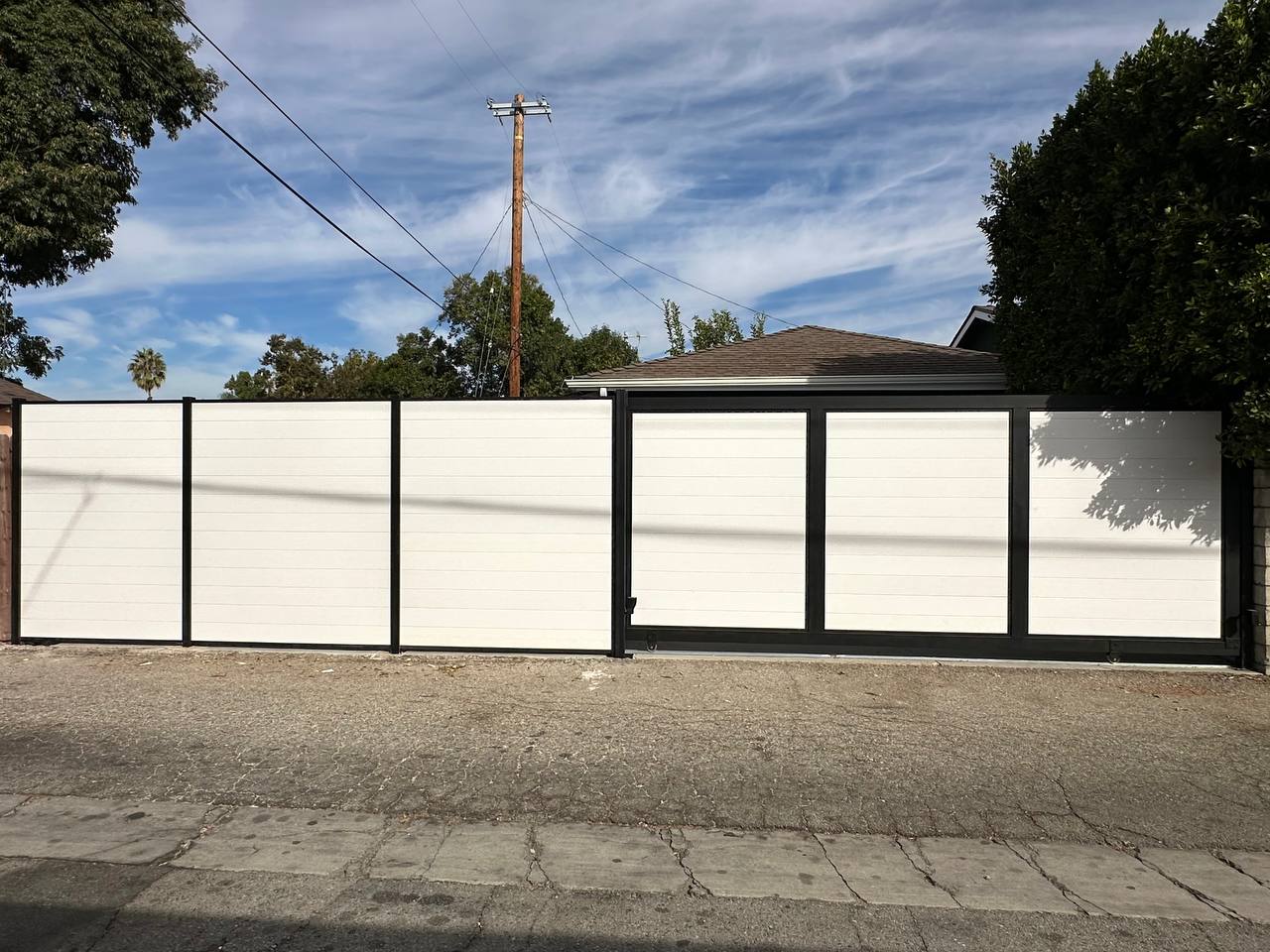
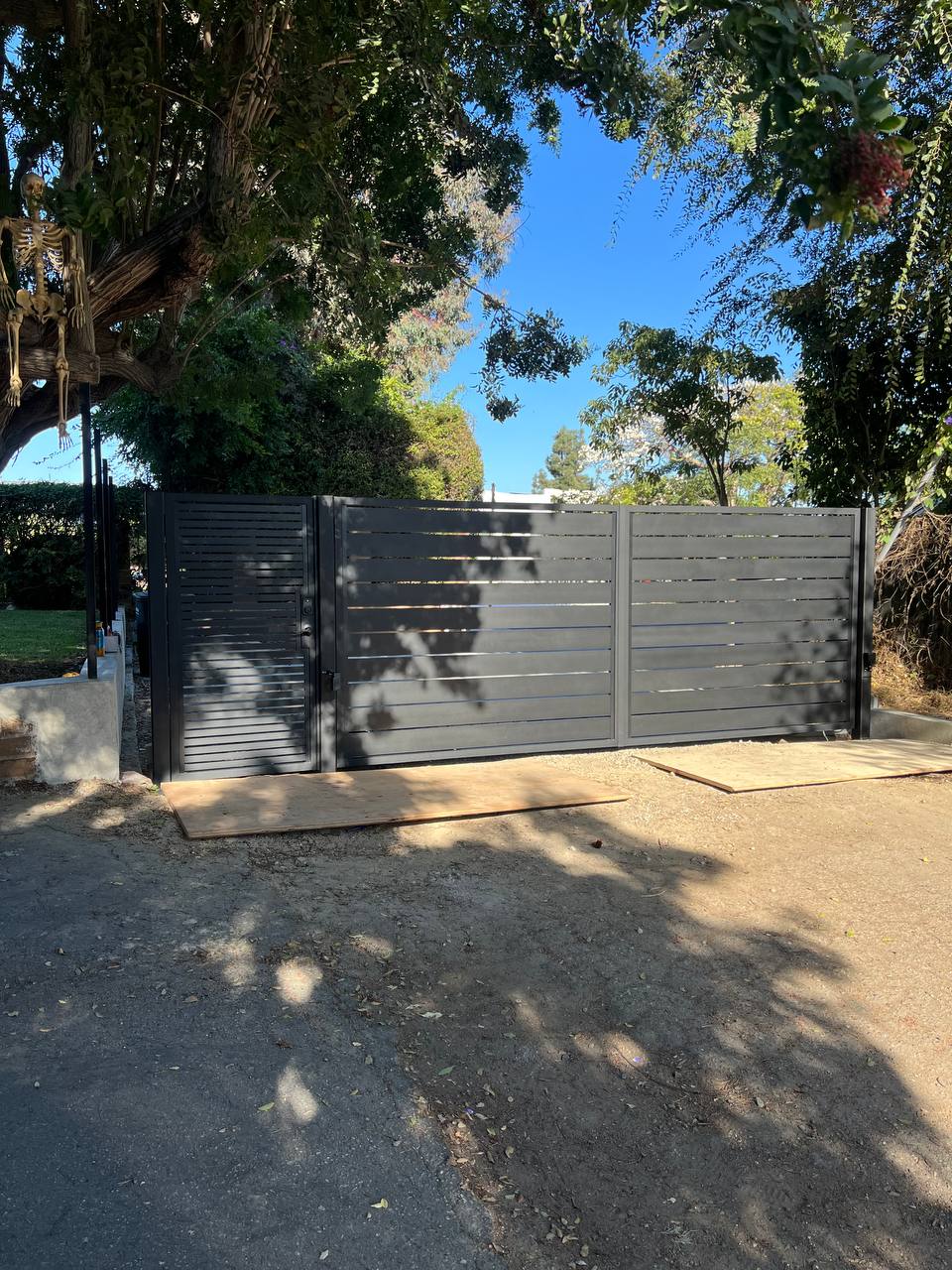
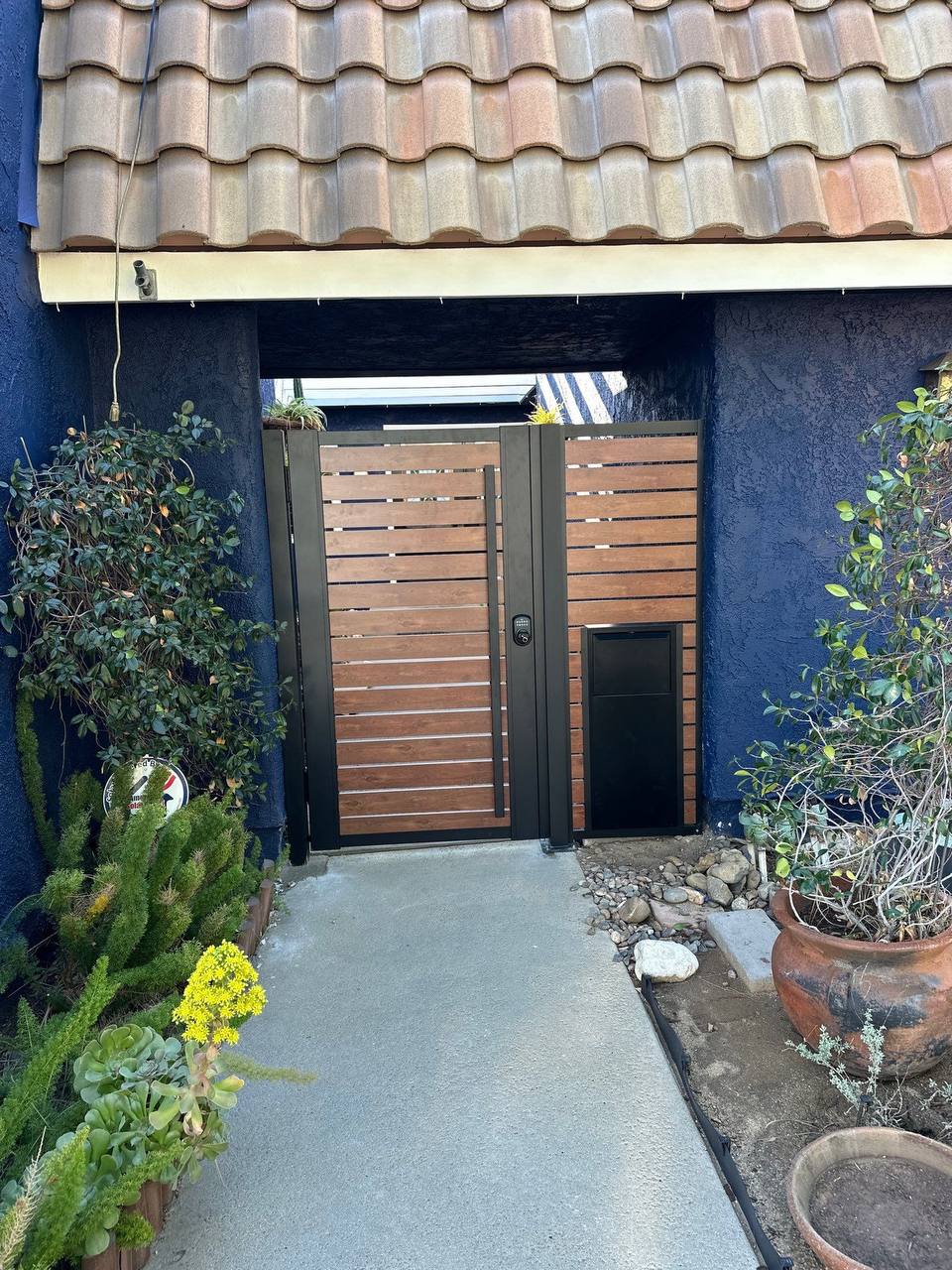
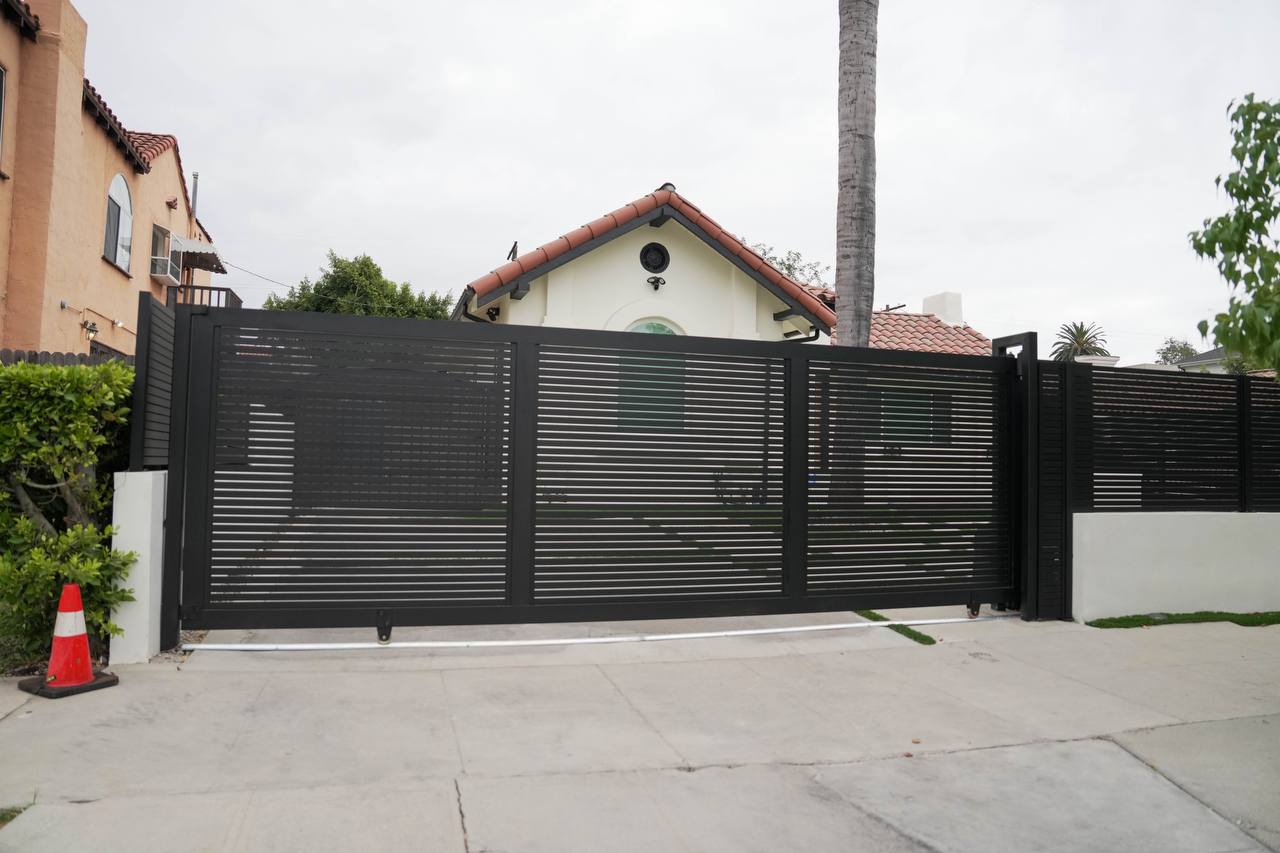
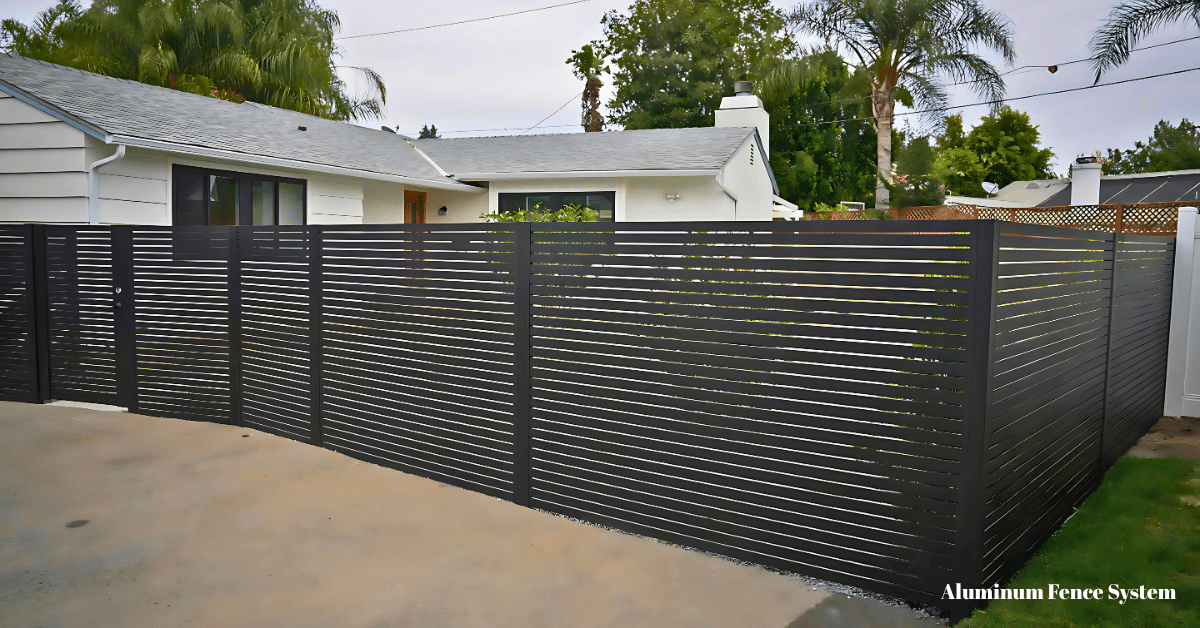
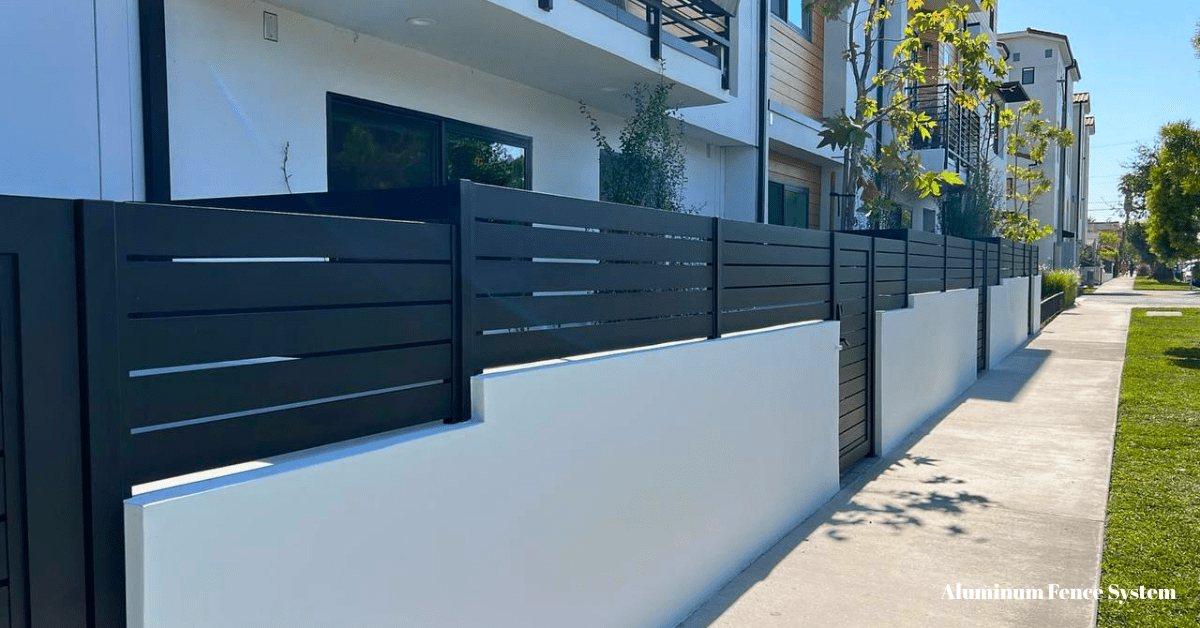
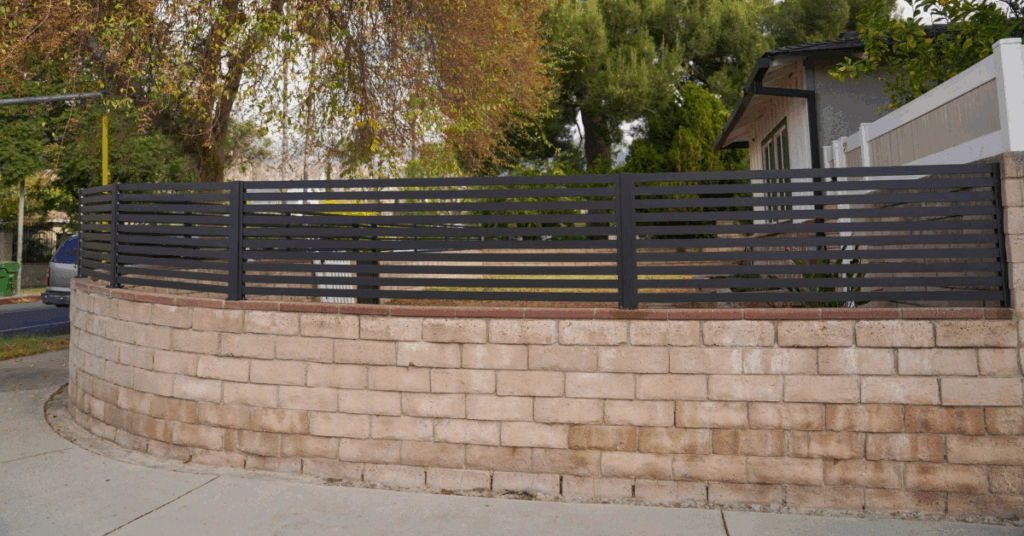
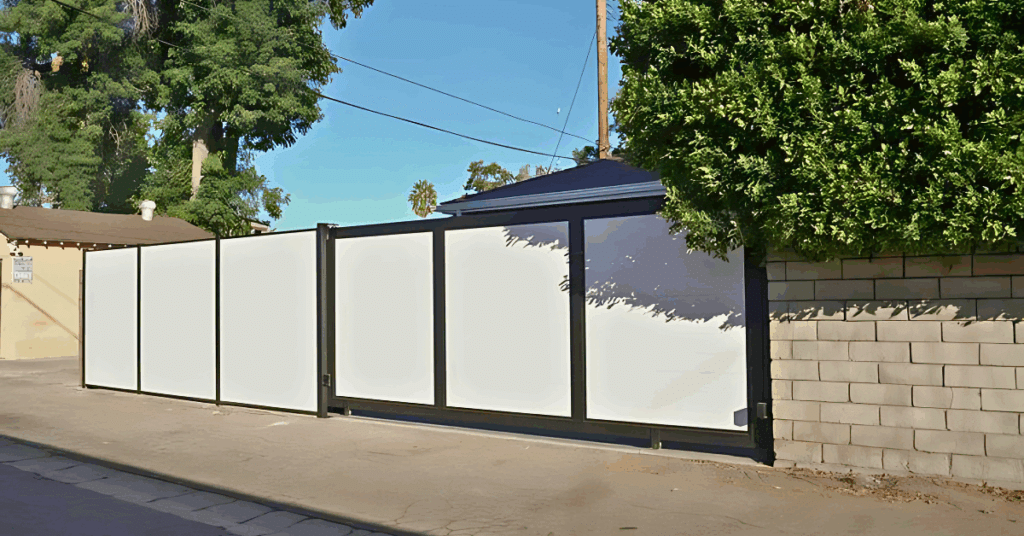
When choosing a Zone Zero fence in California, non-combustible materials are usually the safest direction. Aluminum fencing is a strong option because it does not burn, resists heat well, and supports a clean, modern perimeter design. Steel and other metal fencing can also fit a fire-smart approach when properly engineered and installed.
Why Aluminum Works Well
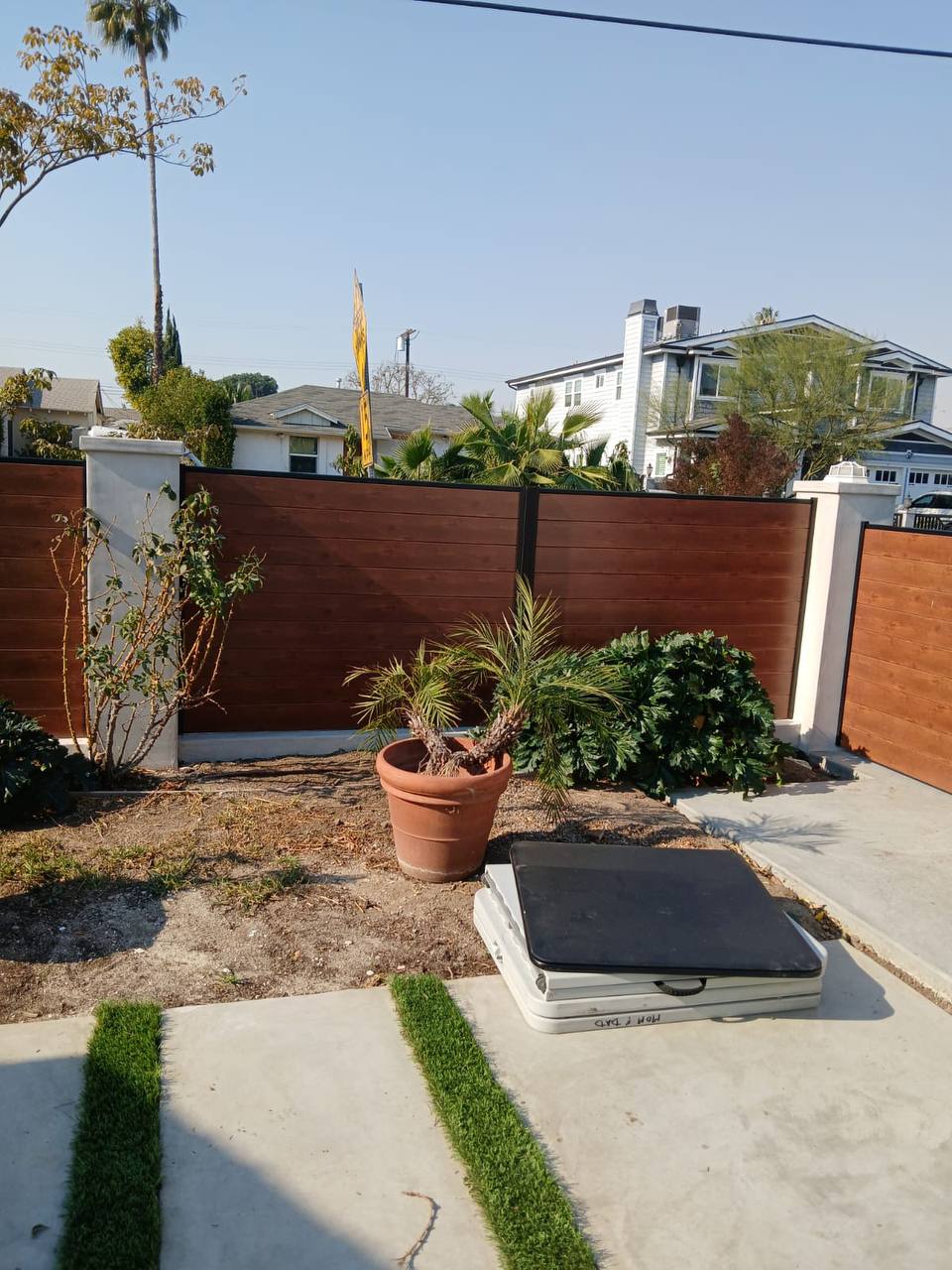
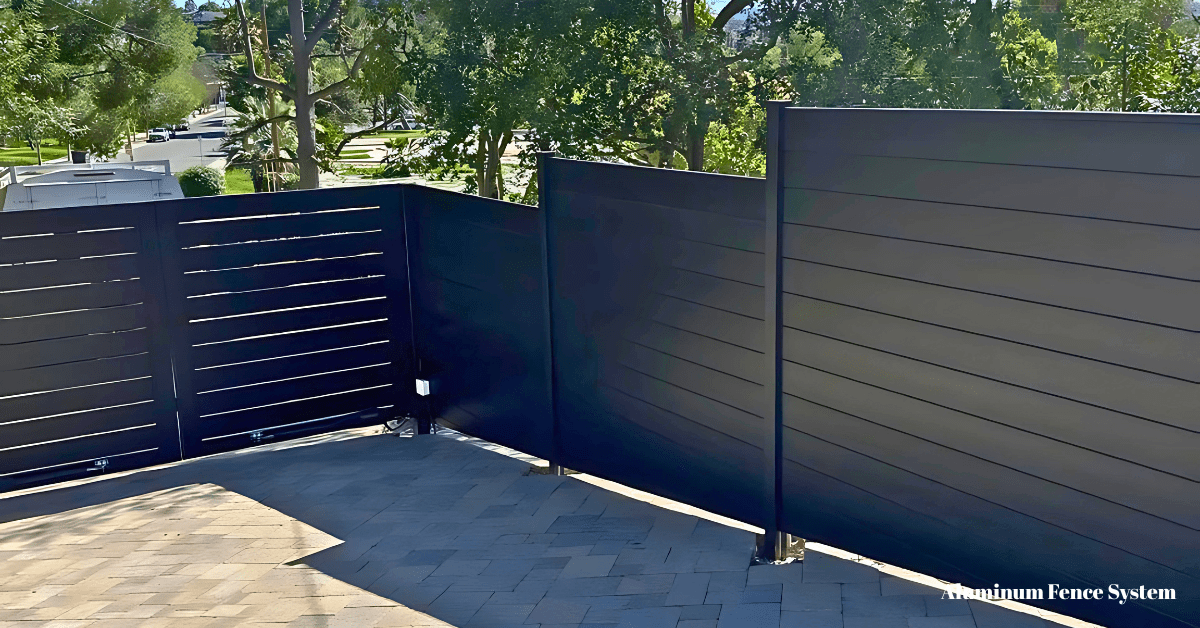
Aluminum fence systems are often preferred because they combine durability, low maintenance, and fire resistance in one solution. They can be used for side yards, front boundaries, and perimeter layouts without introducing the same fuel load as wood. For homeowners focused on compliance basics, aluminum also offers a practical balance between appearance and wildfire-conscious performance.
Our Products
Fence Placement Near the Home
A Zone Zero fence should be planned with the home itself in mind, not treated as a separate design element. In wildfire-prone parts of California, the most important question is how the fence behaves where it meets the structure, the deck, the gate, or any other combustible surface. That is why fire-smart design focuses on reducing continuous fuel paths, limiting attachment points that can trap debris, and avoiding materials that can easily carry heat toward the house.
The best results usually come from treating the fence as part of the full defensible-space layout. A fence that looks attractive but creates a direct combustible line into the home can weaken the overall fire-safety strategy. By contrast, a properly planned perimeter with non-combustible materials and thoughtful transitions can support both curb appeal and wildfire risk reduction.
Avoiding Fuel Continuity
One of the biggest compliance ideas behind Zone Zero design is preventing fire from moving across connected surfaces. That means homeowners should avoid long runs of wood fencing that connect directly to the house or other vulnerable features. If a fence must meet a structure, the connection point should be carefully designed so embers, radiant heat, and flame contact are less likely to spread.
This is where aluminum fencing has a strong advantage, especially for California properties that need a modern look without adding fuel load. Non-combustible fence sections, separated or detailed correctly near the home, can help create a more fire-responsible perimeter. The goal is not only to meet a rule on paper, but to build a safer edge around the property.
Balancing Style and Compliance
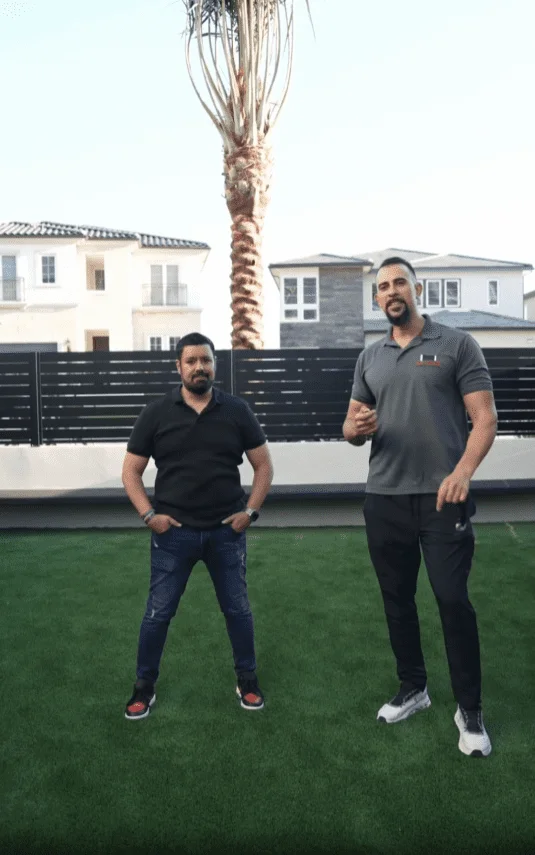
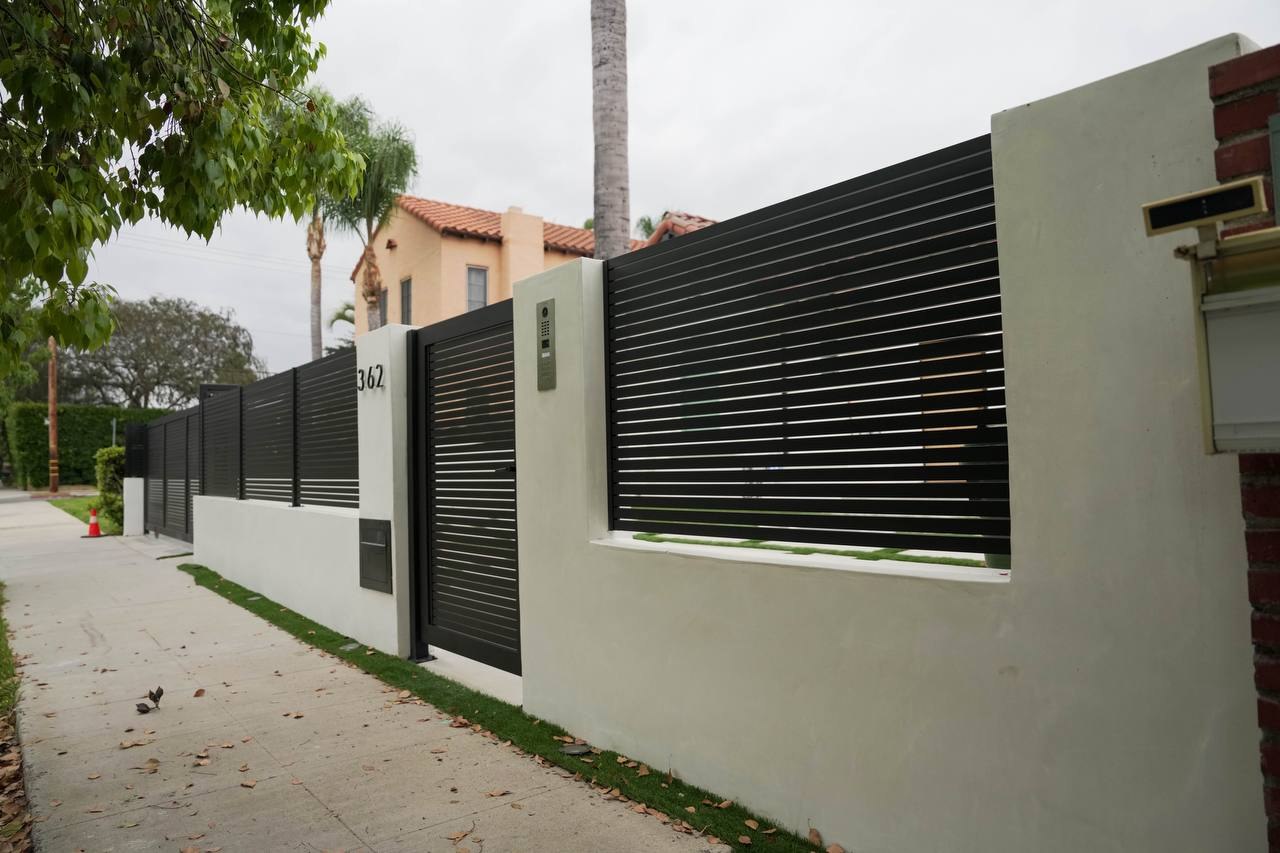
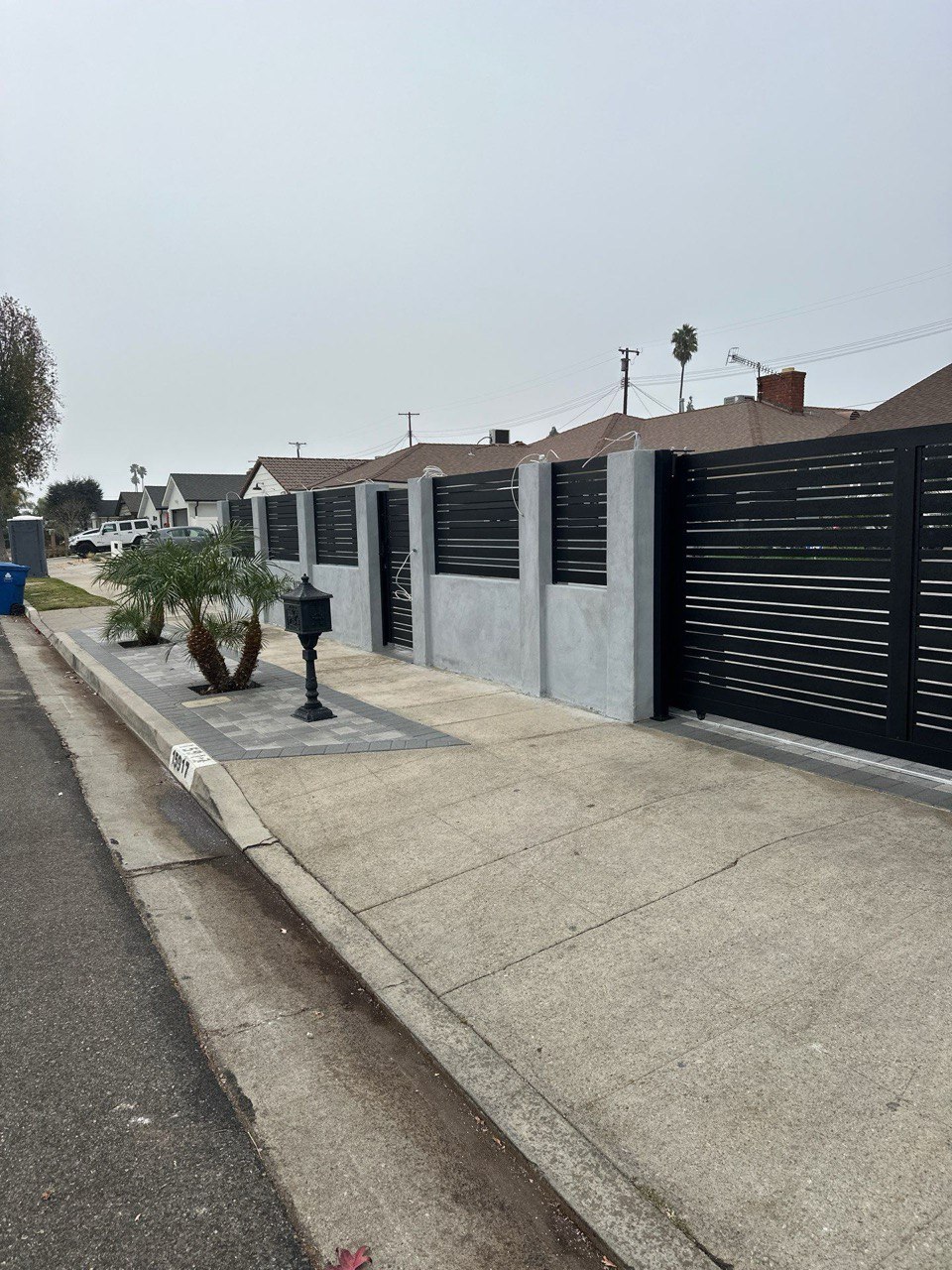
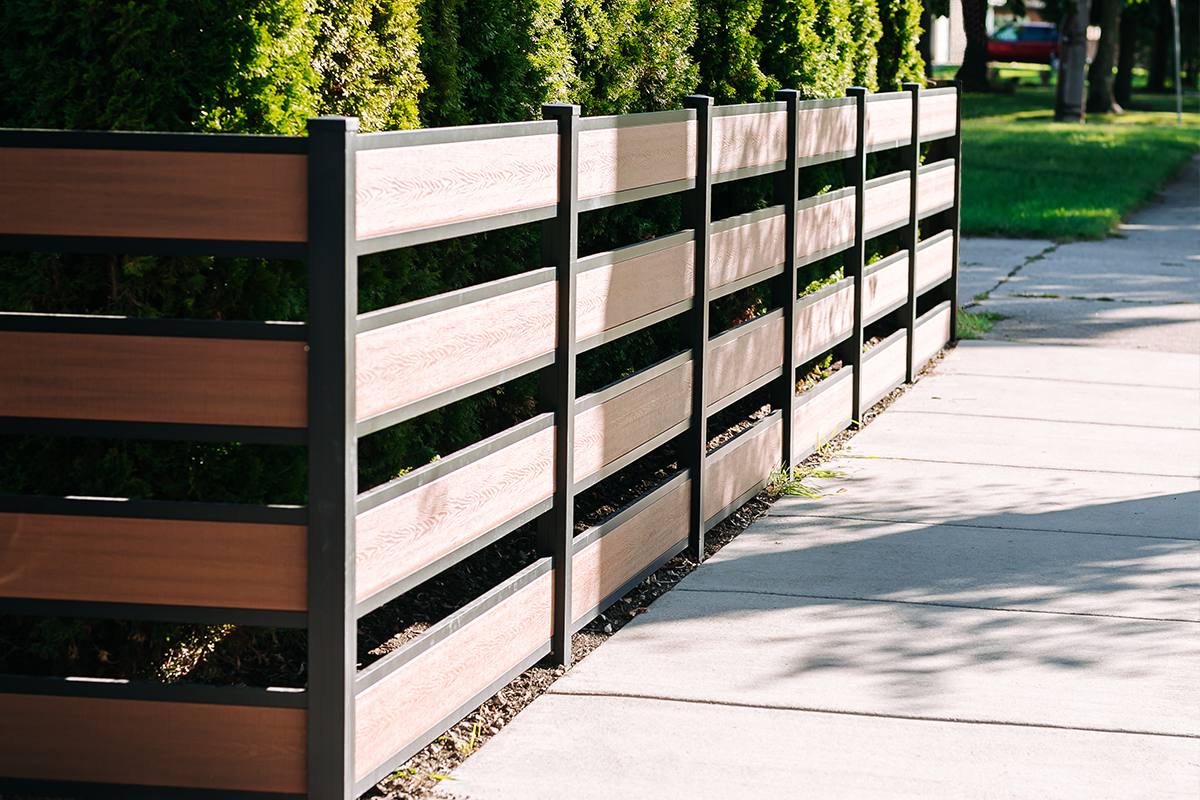
A fire-smart fence does not have to look industrial or plain. Modern aluminum fence systems can be tailored to residential, contemporary, and traditional architecture while still supporting wildfire-aware design. Homeowners can often maintain clean lines, visibility, and security without using combustible materials that may be less suitable for Zone Zero areas.
For many projects, the best approach is to pair attractive design with material discipline. That means choosing fencing that complements the house while also supporting defensible space principles, compliance basics, and long-term durability. In California, that combination is becoming the standard for homeowners who want both style and safer perimeter protection.
Common Materials to Consider
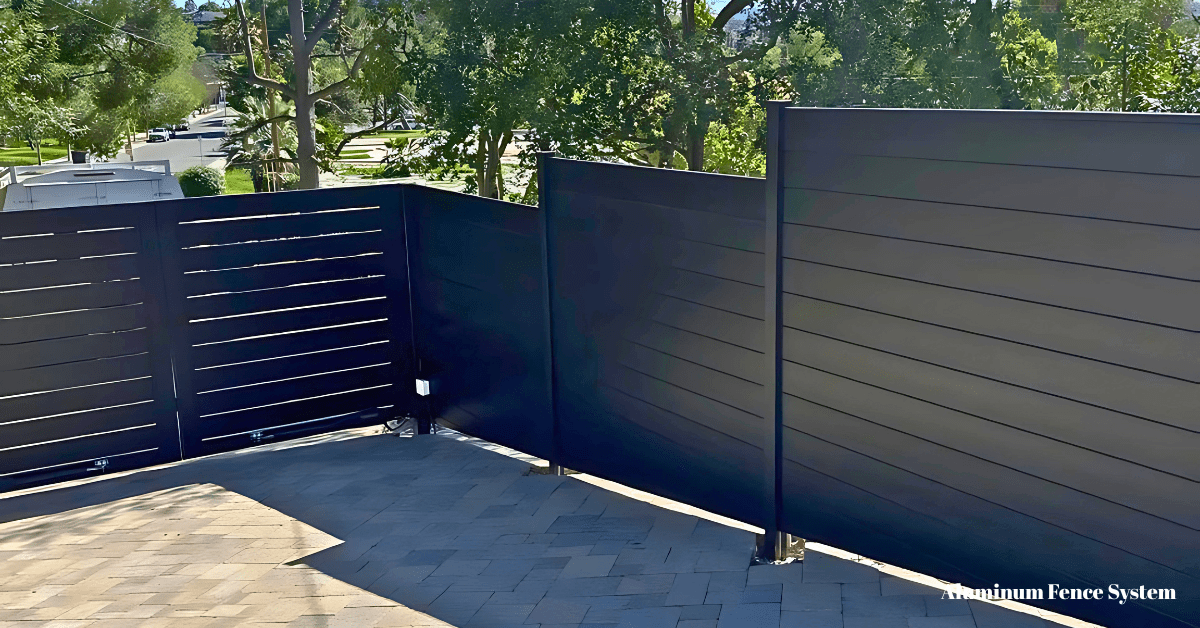
For a Zone Zero fence in California, the safest material choices usually start with non-combustible options such as aluminum and steel. These materials are widely favored because they do not add the same fire fuel load that wood or other combustible products can create near the home. They also hold up well in harsh sun, changing weather, and long-term outdoor exposure, which makes them practical for both safety and durability.
Wood fencing is still common across many neighborhoods, but it is often less suitable in high wildfire-risk settings when used close to a structure. If wood is used at all, it usually needs very careful placement and detailing so it does not undermine the overall defensible-space plan. In practice, many homeowners are moving toward metal-based systems because they support a cleaner fire-smart perimeter and simplify long-term maintenance.
Compliance Basics for Homeowners
California’s wildfire rules continue to evolve, so homeowners should always think of compliance as a design process rather than a one-time decision. A fence that is acceptable in one situation may need adjustments in another, depending on its distance from the house, the surrounding landscaping, and the local fire-safety requirements. That is why planning ahead matters when building or replacing a perimeter fence in a Zone Zero area.
The safest approach is to treat the fence as one part of a larger wildfire mitigation plan that includes the ground surface, landscaping, gates, and nearby structures. Even a strong fence material can become a problem if debris collects around it or if combustible elements are attached too close to the home. Good compliance basics usually come down to using non-combustible products, reducing fuel continuity, and keeping the overall design simple and fire-conscious.
Design Tips That Help
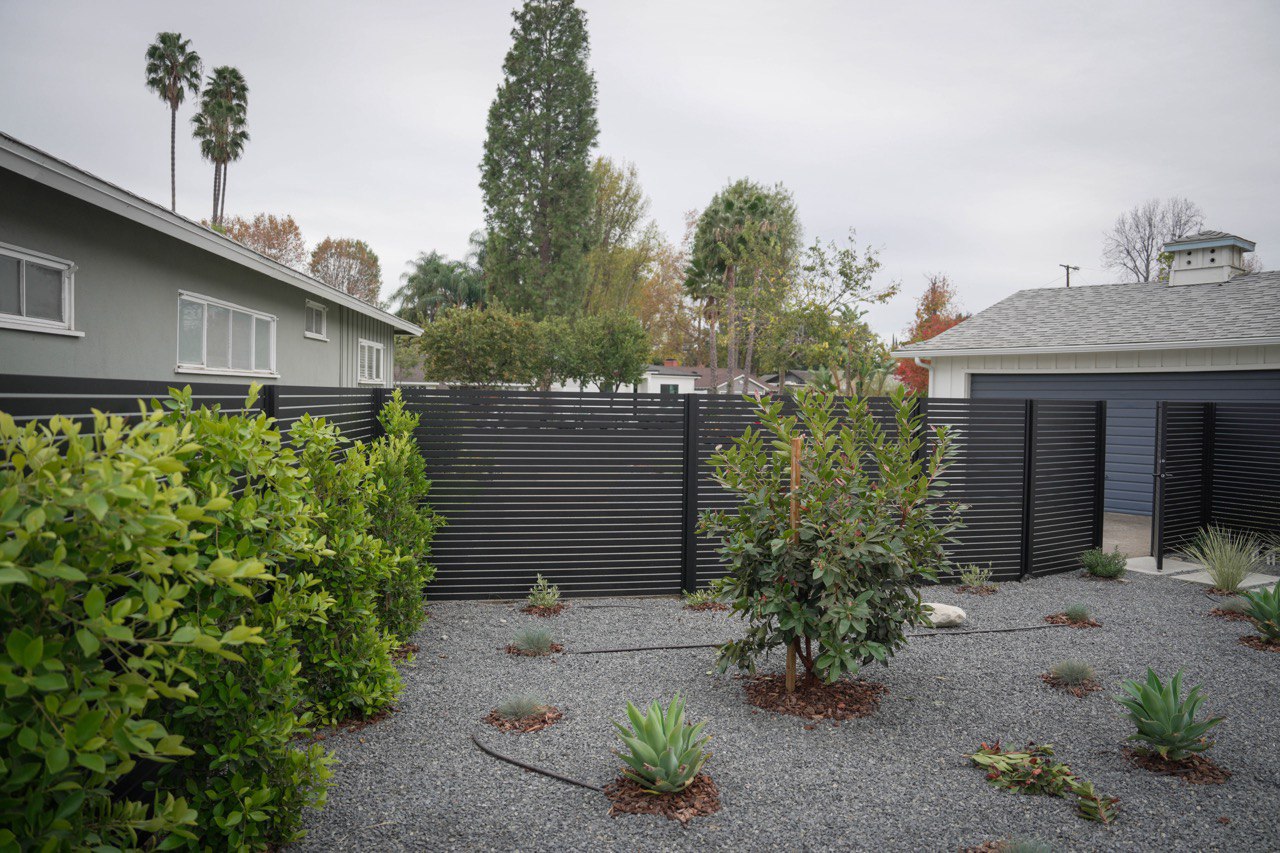
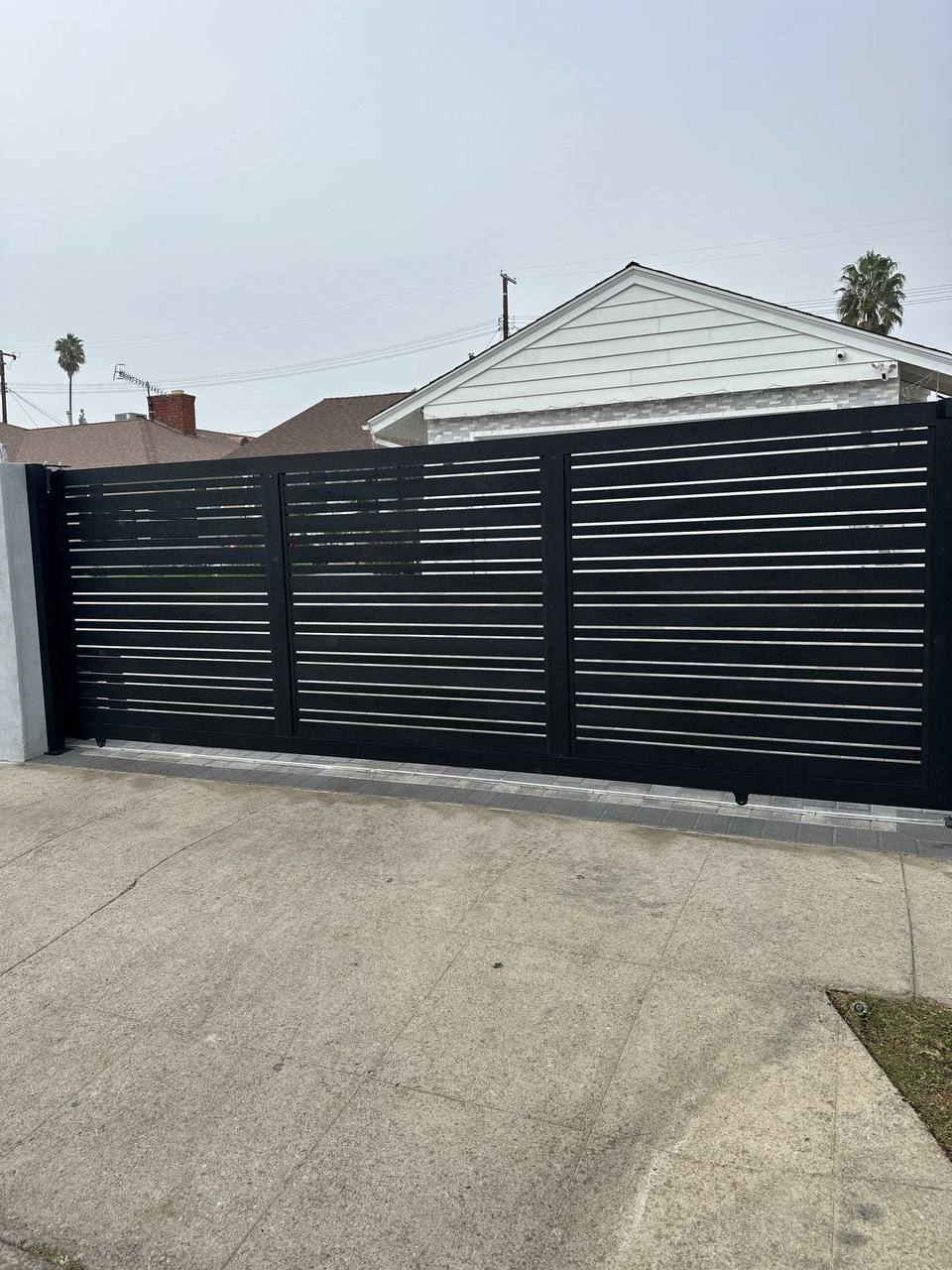
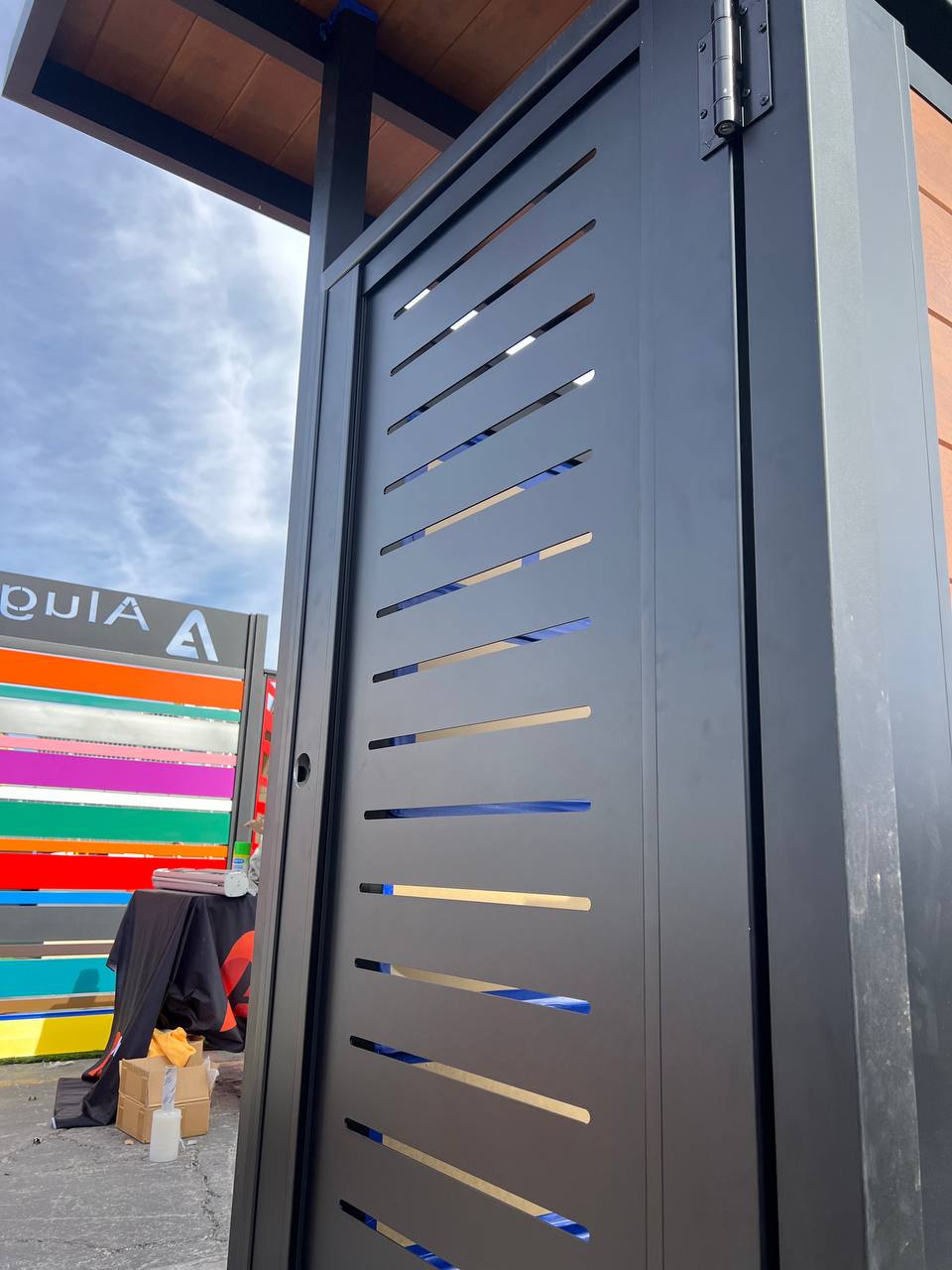
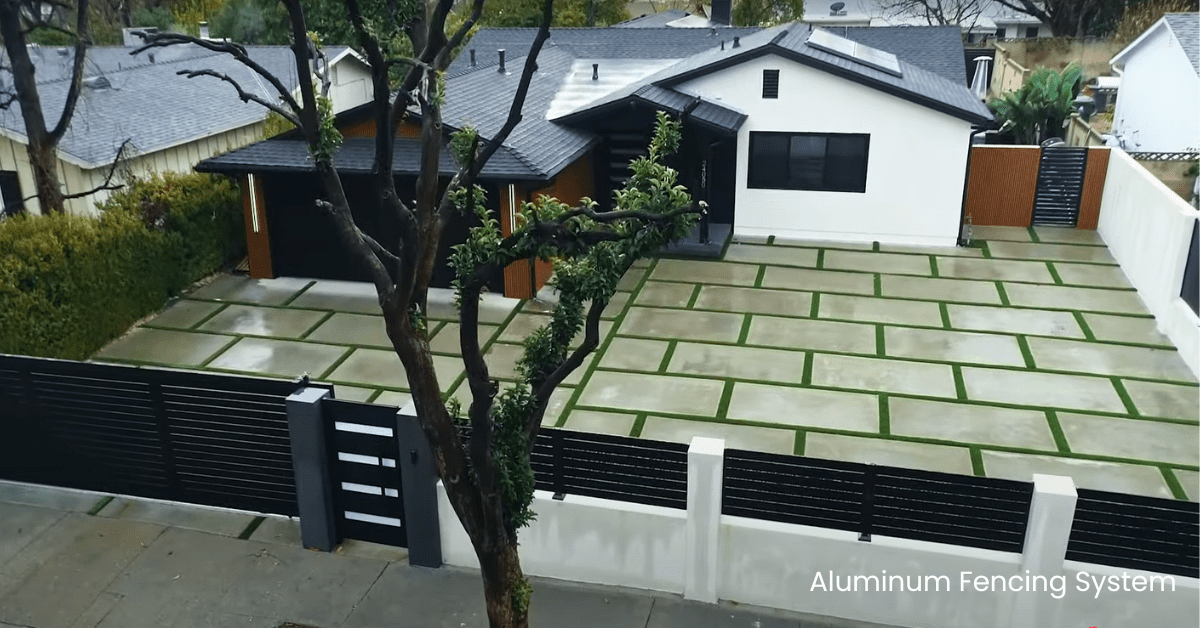
A smart Zone Zero fence design should support visibility, maintenance, and fire resistance all at once. Open-style metal fencing can be a good fit because it helps reduce the surface area where embers and debris can collect, while still providing a clear property boundary. Clean lines, minimal horizontal ledges, and simple gate details can also make the fence easier to maintain over time.
It also helps to think about the fence in relation to the rest of the yard. Gravel, bare mineral soil, or other low-fuel surfaces near the fence line can work better than dense planting or decorative features that hold dry material. When the fence, the ground treatment, and the home perimeter are all designed together, the result is a more practical and fire-smart California property layout.
Maintenance Considerations
A Zone Zero fence works best when it stays free of debris, dry vegetation, and buildup that could increase fire risk over time. Even a non-combustible fence can become less effective if leaves, pine needles, or mulch collect along the base, so regular cleaning matters as much as the material itself. Homeowners in California should think about maintenance as part of compliance, not just appearance.
Another important point is keeping the fence line simple and easy to inspect. The fewer hidden corners, decorative ledges, and cluttered attachment points you have, the easier it is to spot problems and reduce wildfire exposure. This is one reason aluminum fencing is often favored in fire-conscious perimeter design, since it supports a cleaner look with lower maintenance demands.
Product Categories
At Globus Gates, we offer a diverse selection of high-end exterior products designed to enhance the beauty, functionality, and value of your property. Our curated product categories include everything from sleek modern gates to durable vinyl fences and architectural wall cladding solutions. Each item is crafted with premium materials and engineered for long-lasting performance in all climates.
Whether you’re looking to secure your property, add privacy, or elevate your home’s design, we have tailored options to fit every style—from contemporary and minimalist to traditional and ornate. Our team of experts is here to help you select the perfect combination of materials, finishes, and designs to match your vision.
Browse through our product categories to find standout solutions.


Reviews
Working With Local Rules
California wildfire guidance can vary by county, city, and local fire authority, so fence planning should always be checked against the rules that apply to the specific property. A design that works well in one area may need revision elsewhere, especially when local defensible-space requirements are more detailed. For that reason, homeowners should treat local compliance as a core part of the project from the start.
The safest strategy is to choose a fence system that already aligns well with fire-smart expectations, then adjust the layout to fit the property and the local code environment. This reduces the chance of needing major changes later and makes the project easier to manage. In a Zone Zero setting, that usually means prioritizing non-combustible materials, clear spacing, and a layout that works with the home’s overall wildfire protection plan.

Long-Term Property Value
A well-designed Zone Zero fence can do more than support safety; it can also improve the overall value and presentation of the property. Buyers in California are increasingly aware of wildfire risk, and features that reflect fire-smart planning can make a home more attractive. A fence that looks modern, performs well, and aligns with defensible-space goals often adds practical appeal.
This is where durable metal fencing has a strong advantage. It can deliver a polished exterior while supporting the kind of low-fuel perimeter that many homeowners now want in high-risk regions. Over time, that combination of safety, compliance, and curb appeal can make a meaningful difference in how the property is perceived and maintained.
Practical Fence Planning
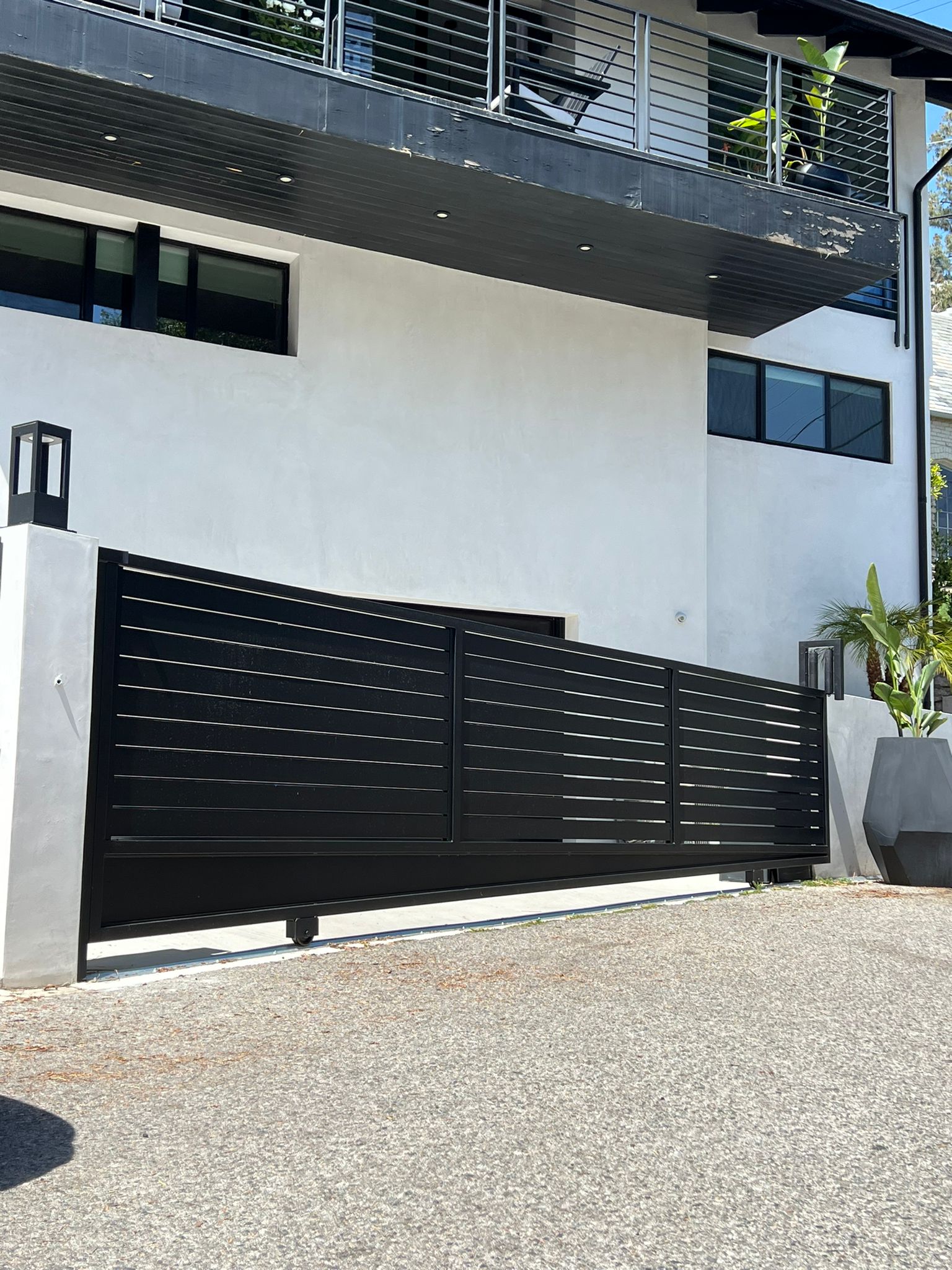
A Zone Zero fence in California should be planned with both wildfire safety and everyday use in mind. That means looking at how the fence will work near driveways, side yards, gates, and other access points where debris, heat exposure, and maintenance can all become important. A good design keeps the boundary functional without creating unnecessary fire risk close to the home.
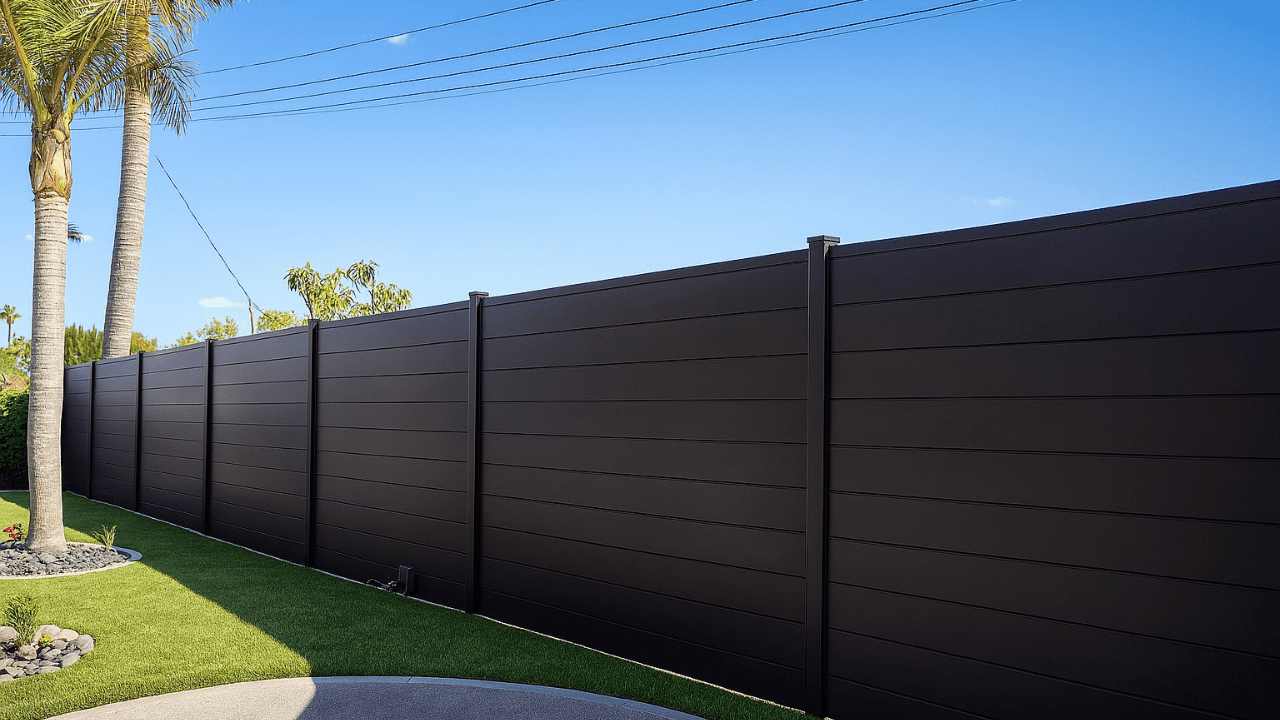
Open, non-combustible fence styles are often easier to manage because they do not trap as much debris and they support a cleaner perimeter layout. Aluminum fencing is especially useful here because it can be built for security, visibility, and durability while still fitting a fire-smart design approach. For many properties, that combination offers a better balance than heavier or more combustible materials.

Choosing the Right Style
The best fence style depends on the property, but the main goal should always be reducing fuel near the structure. Simple profiles, minimal decorative buildup, and clean transitions between the fence and the home tend to support a more compliant and fire-conscious result. In Zone Zero areas, less visual clutter often means less maintenance and fewer places for dry material to collect.
Style and safety do not have to compete. A modern aluminum perimeter can look refined and residential while still meeting the expectations of wildfire-aware design. For homeowners in California, that makes it easier to create a fence that feels intentional, performs well, and fits the long-term direction of fire-smart home planning.
Final Design Mindset
The strongest Zone Zero fence plans are built around prevention, not reaction. That means choosing materials and layouts that work with California’s wildfire realities instead of trying to correct problems later. When the fence is treated as part of the full defensible-space system, the result is usually safer, simpler, and more durable.
At the same time, compliance basics are easier to follow when the design is straightforward. Non-combustible materials, thoughtful placement, and low-maintenance details all help reduce risk while supporting a cleaner property look. For homeowners and builders alike, that is the practical direction Zone Zero fencing is moving in 2026.

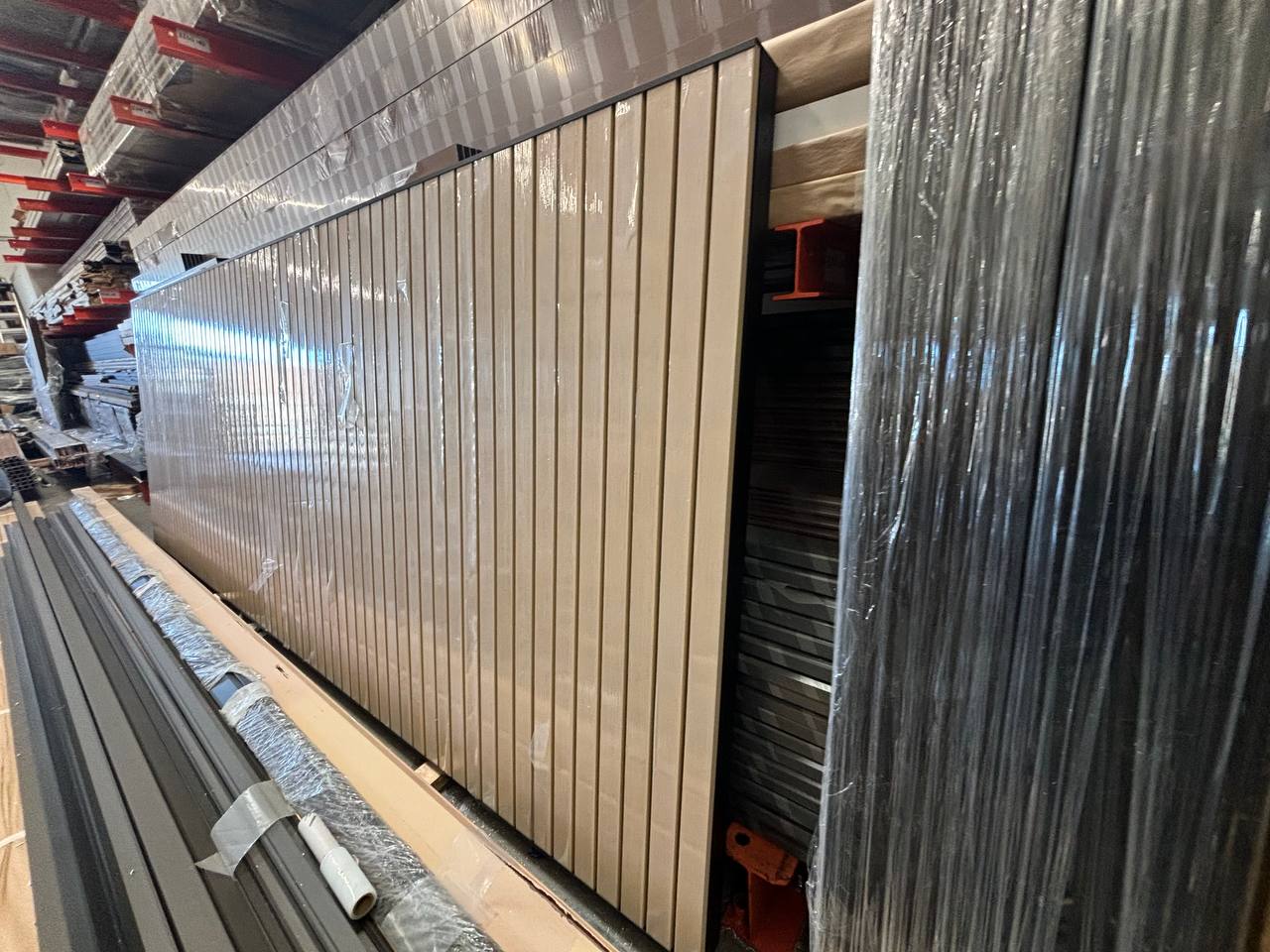
At Globus Gates, our products are thoughtfully engineered to meet the highest standards of design, durability, and functionality. We don’t just offer generic materials — we deliver complete solutions for luxury homes and upscale commercial spaces that demand lasting quality and architectural beauty. From precision-cut aluminum gates and wall cladding panels to modern pergolas, custom fences, and secure garage doors, each product is created to perform in demanding environments while maintaining a clean, refined look. Whether you need privacy, protection, aesthetic enhancement, or a combination of all three, our product line is designed to meet your goals with precision and style. With advanced finishes, customizable configurations, and expert consultation, we ensure that every product fits seamlessly into your property’s design vision and structural needs.



Projects
Beyond repairs and installations, our services also include expert consultations, site assessments, and custom design planning for residential and commercial properties. Whether you’re building from scratch, replacing outdated fencing, or integrating modern elements like automated gate systems or weatherproof finishes, we take a hands-on approach to ensure your project aligns with your vision. Our team works closely with architects, builders, and property managers to address both functional requirements and aesthetic goals, offering scalable solutions for large estates, multi-family developments, and high-traffic commercial zones. We don’t just build — we collaborate, advise, and deliver with unmatched precision.



Final Thoughts
A Zone Zero fence in California should do more than mark a boundary. It should support wildfire safety, fit local compliance basics, and work as part of a broader fire-smart property design. In 2026, that usually means favoring non-combustible materials like aluminum, keeping the layout simple, and avoiding fuel-heavy details near the home.
For homeowners, the best results often come from planning the fence as a long-term protection feature rather than a decorative afterthought. When the material, placement, and maintenance all align with defensible-space goals, the fence becomes a practical part of a safer California property.
Frequently Asked Questions
What is a Zone Zero fence in California?
A Zone Zero fence in California is a perimeter fence designed to fit wildfire safety principles for the area immediately around a home. It usually emphasizes non-combustible materials, reduced fuel load, and layouts that support defensible space.
Is aluminum fencing good for Zone Zero areas?
Yes, aluminum fencing is often a strong choice for Zone Zero areas because it is non-combustible, durable, and low maintenance. It also works well for modern residential design while supporting wildfire-conscious planning.
Can wood fencing be used near the home?
Wood fencing may be more limited near the home in wildfire-prone areas because it adds combustible fuel. If it is used, placement and local compliance requirements need careful review to avoid creating a fire path toward the structure.
What makes a fence fire-smart?
A fire-smart fence uses materials and details that reduce ignition risk and fuel continuity. In practice, that usually means non-combustible construction, simple design, and fewer places where dry debris can collect.
Do local rules matter for fence design?
Yes, local rules matter a lot because California wildfire guidance can vary by city, county, and fire authority. A fence that works in one area may need changes in another, so local compliance should always be part of the planning process.