
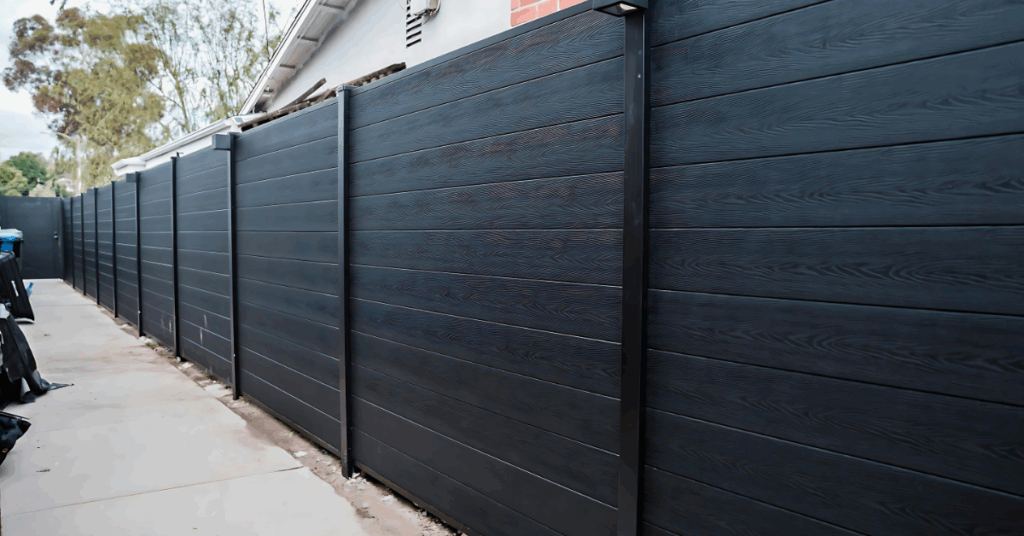
Architectural aluminum fences offer a durable, non combustible option for properties in wildfire prone regions. This overview explains engineering fundamentals, structural detailing, and compliance steps needed to specify systems that resist heat, maintain security, and simplify maintenance while fitting diverse architectural styles.
Performance requirements for fire risk perimeters
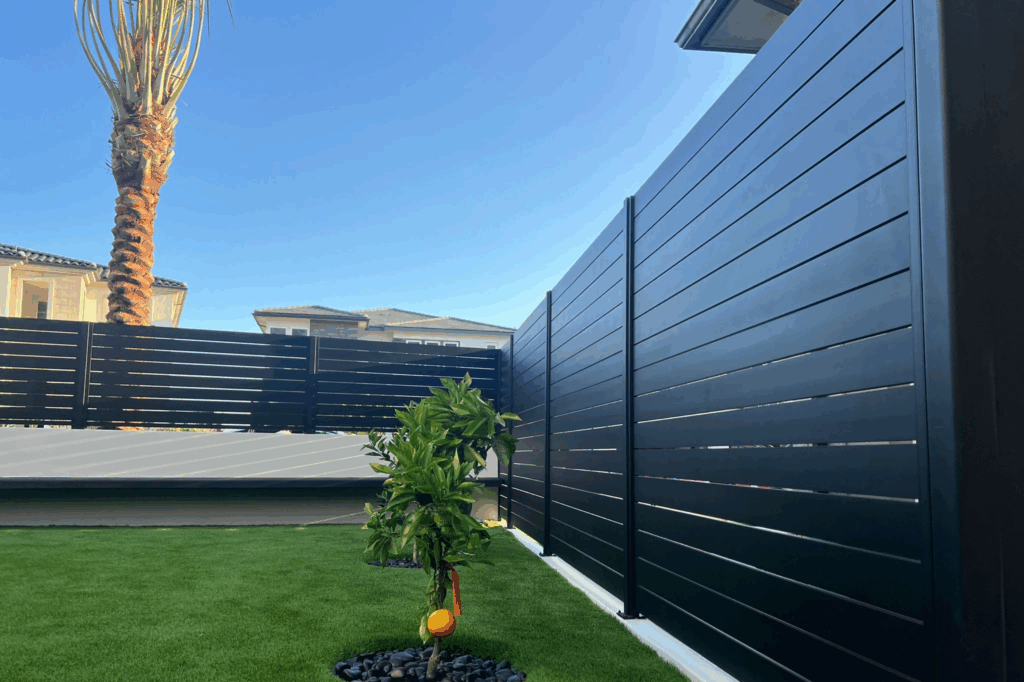
Fundamentals center on non combustible behavior, thermal movement, and resilience to ember attack. Designers must quantify performance goals such as limiting heat transfer and preventing debris accumulation. Connections and anchorage resist uplift from wind while tolerating cyclical temperature cycles. Select profiles and fasteners rated for outdoor corrosion and temperature swings. Consult local regulations early to align structural loads with fire hardening mandates. For practical guidance on regional approvals study the zone 0 approved fencing guidance that explains acceptance criteria and documentation expectations.
Material science and aluminum alloy choices
Material selection hinges on alloy strength, temper, and corrosion resistance. Higher grade alloys increase post spacing capacity while lighter gauges reduce weight and cost. Coatings add UV and salt resistance and extend service life. Address thermal expansion with slotted connections and isolation clips. When specifying finish, prefer multi layer powder coatings for durability and consistent appearance. For an overview of why aluminum is preferred in wildfire zones see why aluminum fences are ideal for fire zones which outlines material level advantages and common misconceptions.
Structural design for posts and anchorage
Design posts and footings to resist lateral loads and uplift from wind. Post spacing, embedment depth, and concrete strength define structural capacity. Use calculation based choices rather than rule of thumb for steep slopes or tall panels. Allow for dynamic loads from debris impact and thermal cycling. Use sacrificial shear clips where appropriate to protect primary members. For common installation patterns and guidance on engineered anchorage consult the regional installation examples at architectural aluminum fence California which highlights practical details and site adaptations.
Connection detailing and thermal movement
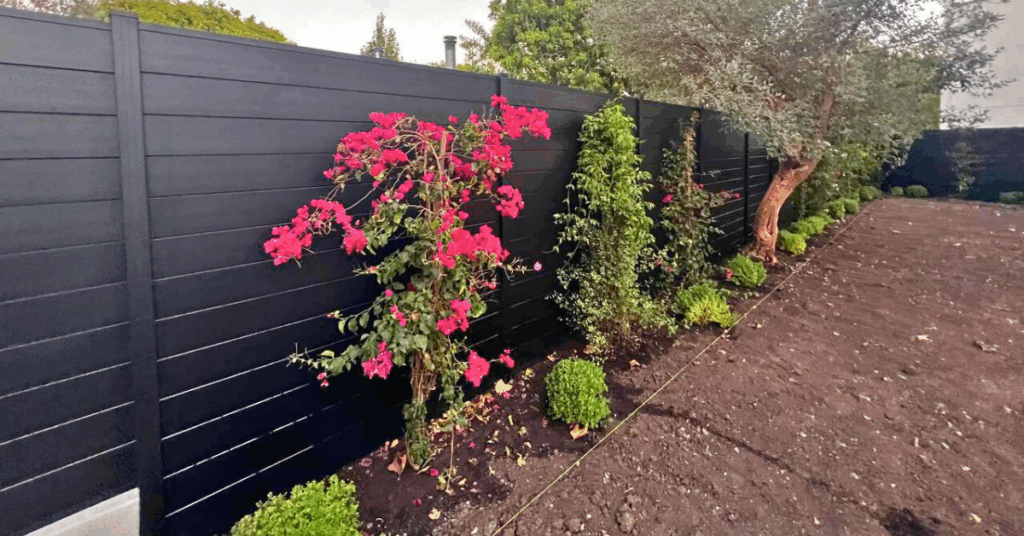
Connections must permit expansion and contraction without binding. Use elongated bolt holes and sliding brackets at panel laps. Avoid rigid welded assemblies where long runs exist. Specify fasteners with corrosion resistant coatings and torque limits to maintain slip paths. Consider isolators between dissimilar metals to prevent galvanic corrosion. Provide gap control details at gates to avoid jamming during heat events. For material and finish specifics related to protective coatings review powder coated aluminum fence features which explains coating choices and durability testing.
Wind, seismic and load case coordination
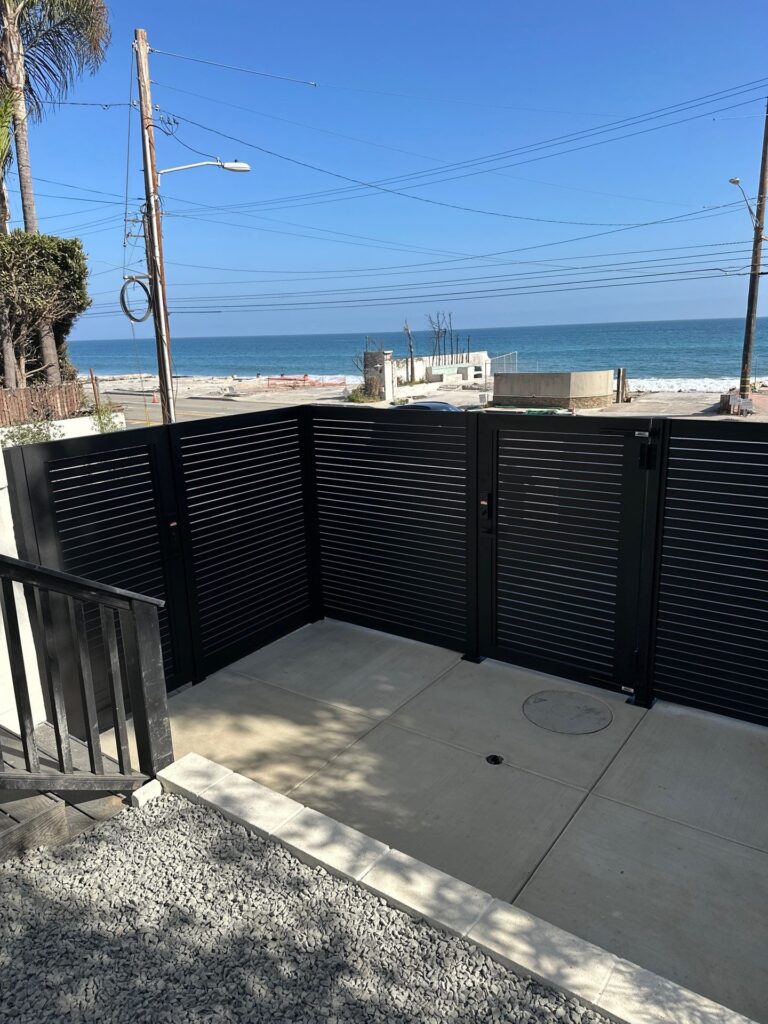
Coordinate wind and seismic load cases early in design. Tall or continuous fences behave like parapets and need continuous lateral load paths. Use engineering tables to size posts and braces. For hillside or terraced sites, incorporate stepped or raked panels to maintain load distribution. Match anchorage design to soil conditions and frost lines. When combined with gate openings, perform localized load checks for latch and hinge loads. For installation sequencing and tips see the practical guidance in aluminum fence installation CA which outlines common field challenges and mitigation steps.
Coatings, corrosion control and longevity
Coatings protect aluminum from UV and environmental staining. Use multi stage finishes and consider anodizing in marine climates. Avoid trapping debris that holds moisture against the metal. Detail drainage and ventilation behind privacy panels. Specify fasteners and embedded anchors with compatible corrosion ratings. A program of scheduled inspections and touch up protects warranty conditions. Budgeting for high quality finishes reduces lifecycle costs and refinish cycles. For comparative lifecycle and cost considerations consult the cost guide at fence installation cost guide 2026 which helps translate specification choices into owner costs.
Security integration and performance tradeoffs
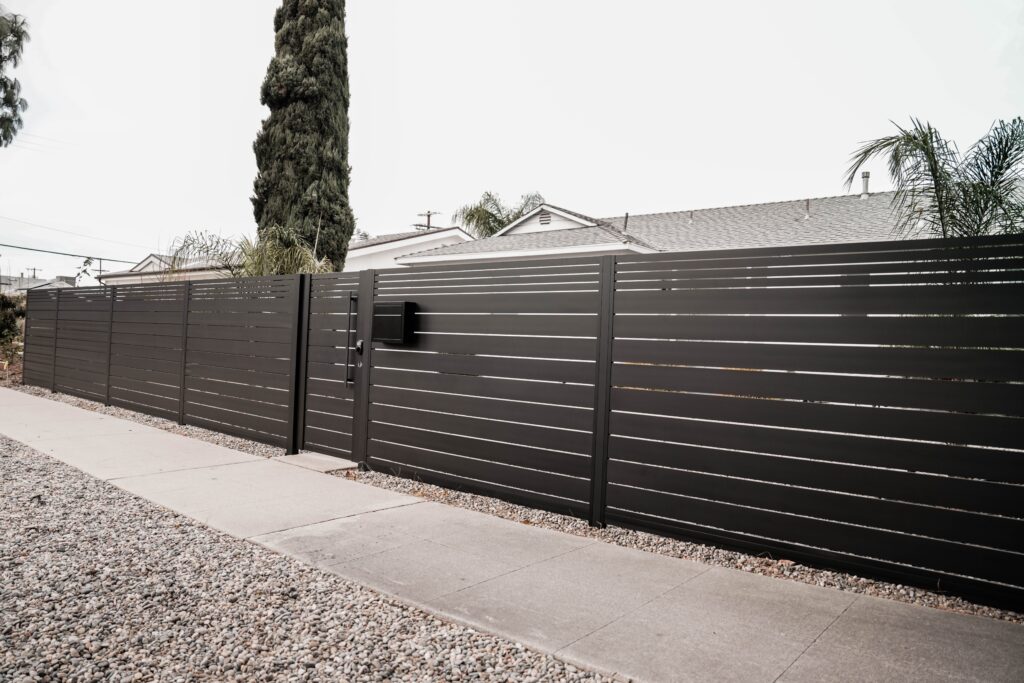
Balancing security with wildfire safety requires careful decisions. Solid privacy panels block embers but can trap heat and influence wind loads. Perforated or slatted profiles reduce wind load and allow ventilation. Integrate anti climb measures, secure gates, and electric hardware while maintaining non combustible material selections. Consider sight lines for fire detection and mounting points for sensors and cameras. For ideas on optimizing security within design constraints see the feature on optimal fencing choices at what is the optimal fence for security which explains tradeoffs and design recommendations.
Benefits case and performance evidence
Documented benefits of aluminum systems include non combustible composition, low maintenance, and consistent appearance. They often qualify for insurer recognition and reduce replacement frequency. Use material test data and field performance reports to justify upfront investment. Compare warranty coverage and finish testing as part of specification. Prioritize design details that reduce ember trap locations and avoid combustible attachments. For a concise list of modern aluminum benefits see top 8 benefits of modern aluminum fences which summarizes performance and owner advantages.
Case studies and regional adaptations
Regional adaptations show how climates and codes alter design. Coastal zones need salt resistant finishes, while inland fire zones require non combustible attachments. Review local case studies to understand common problem areas. Use setbacks and defensible space to reduce ember exposure. Where possible, retrofit combustible wood fences with aluminum alternatives to improve resilience. For a local example of fire resistant retrofits see the regional study at fire resistant fencing Norco which outlines successful upgrades and lessons learned.
Selecting contractors and verifying compliance
Ronnie — Co-Founder & CEO, Globus Gates
Choose contractors with experience in engineered aluminum systems and wildfire installations. Require documented references, design submittals, and sealed structural calculations for atypical conditions. Include inspection checkpoints in the contract and require finish and material certifications. Ask for examples of installations meeting local fire and insurance criteria. Use clear installation sequences to avoid rework and maintain compliance.
Home hardening and perimeter role
Aluminum fences are one component of a home hardening strategy. Combine fencing with ember resistant vents, cleared vegetation, and heat tolerant landscaping. Use fences to manage ember entry points and create defensible space boundaries. Include gated access that supports emergency vehicles and evacuation paths. Prioritize details that reduce ember accumulation and ensure panels do not trap flammable debris. For guidance on integrating aluminum systems into home hardening see the technical overview at zone 0 home hardening aluminum which discusses system level approaches to risk reduction.
B2B marketing considerations for California offices
For firms selling to California businesses, position aluminum perimeter systems as code friendly, low maintenance, and insurance mindful. Highlight lifecycle cost advantages, customization options, and compliance documentation. Use local project galleries and spec sheets to build trust. Provide site visits and engineered submittals as part of the offer. Share proximity and appointment details via mapping links such as Los Angeles area to show regional service capability. Emphasize the design consultation benefit to convert B2B leads into projects and include case evidence to shorten procurement cycles.
Design, procurement and order actions
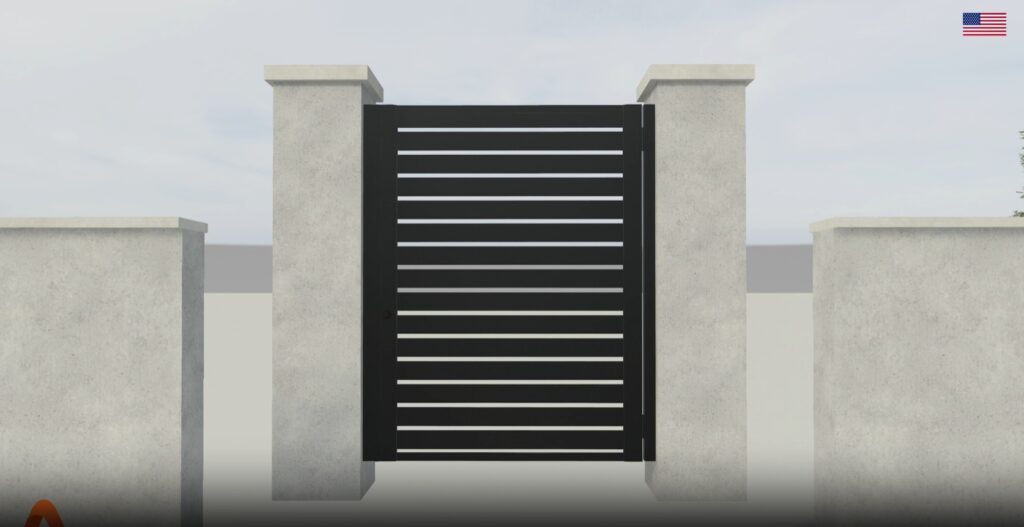
Finalize specifications with materials, finishes, and engineered anchorage. Confirm warranty and finish acceptance criteria. Use a design consult to tailor aesthetics, heights, and gate hardware while meeting fire hardening goals. The author offers design support, specification templates, and procurement assistance to streamline project delivery. For insurance and approval considerations review insurance approved aluminum fence and gate systems which explains documentation needs. Ready to progress? Design Your Ideal Fence & Gates Today and place orders through our shop https://globusgates.com/shop/ for streamlined procurement, custom options, and installation guidance.
Final Words
Aluminum fence systems provide a practical non combustible perimeter solution in fire risk areas when engineered to resist thermal stress, wind, and impact. Proper material selection, connection detailing, coatings, and certified installation reduce risk and long term costs. Use a design led approach to meet code and insurance requirements while achieving aesthetic goals and reliable performance.
Frequently Asked Questions
Architectural aluminum fences are non-combustible, durable, and resistant to heat exposure, making them a strong option for wildfire-prone properties. They also require less maintenance than wood and help support broader home-hardening strategies.
Many aluminum fence systems can support fire-hardening and insurance approval goals when they are properly specified and installed. Compliance depends on local codes, approved materials, structural calculations, and documentation from the manufacturer or contractor.
Well-engineered aluminum fences are designed with proper post spacing, anchorage, and connection details to manage wind loads and temperature changes. Features such as slotted connections, sliding brackets, and corrosion-resistant fasteners help maintain long-term performance.
Multi-layer powder-coated finishes are often preferred because they improve UV resistance, corrosion protection, and overall durability. In coastal or high-moisture environments, anodized or enhanced protective finishes may also be recommended.
Yes, aluminum fences can be designed for both security and fire safety. Options such as anti-climb profiles, secure gate hardware, slatted or perforated panels, and integrated access control systems help balance protection, visibility, and wildfire resilience.
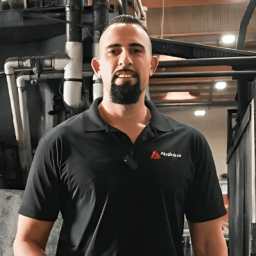
Ronnie is the CEO and Co-Founder of Globus Gates, bringing hands-on leadership and industry experience to the company’s aluminum gates, fences, patio covers, wall cladding, and exterior systems. His insights focus on helping homeowners, contractors, designers, and builders understand durable, modern, factory-direct, and non-combustible aluminum solutions built for long-term performance.