


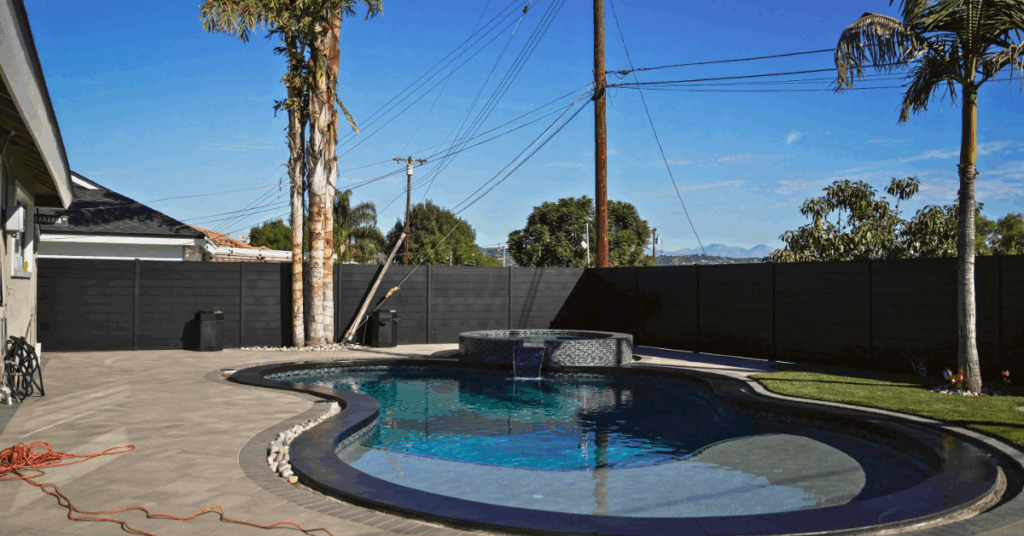
Homeowners in fire prone regions need fencing that reduces risk while lasting for years. Aluminum fences combine noncombustible properties, low upkeep, and design flexibility. This guide answers common homeowner questions and walks through protection strategies, installation choices, and how to design the right fence to protect your property in 2026.
Why aluminum is recommended for fire zones
Aluminum is noncombustible and will not fuel flames or embers. Its core alloy and factory-applied finish resist heat damage far better than wood. Homeowners get a durable barrier that lowers ignition risk near structures. Aluminum panels also resist corrosion and retain strength after exposure to high temperatures. For technical context and deeper analysis of suitability in high risk areas see why aluminum fences are ideal for fire zones. These properties make aluminum a first choice where minimizing combustible materials is critical while preserving aesthetics and property value.
Coatings finishes and noncombustible performance
Surface protection matters as much as base metal. Powder coated and baked finishes form a weather resistant skin that slows heat transfer and prevents corrosion. Proper finishing extends lifespan and reduces maintenance frequency. Choose finishes rated for UV and salt if you live near coastlines. For a focused guide on protective finishes and their benefits review what is a powder coated aluminum fence. Quality finishes paired with aluminum structure reduce long term repair costs and improve resilience during fire season.
Maintenance safety checks homeowners should do
Routine checks keep fire safety systems effective. Inspect fasteners, posts, and gate hardware yearly and after strong storms. Clear leaves and vegetation away from fence lines to prevent ember accumulation. Clean finishes with mild detergent to remove debris that can trap moisture and dirt. Use targeted touch up paint for chips to preserve corrosion resistance. For seasonal maintenance tips that protect performance see seasonal maintenance tips for aluminum fences. Regular care keeps the fence reliable and reduces the need for urgent repairs during high risk months.
Wildfire protection fencing overview and standards
Effective wildfire fencing does three things: resist ignition, limit ember entry, and fit defensible space plans. Materials choice and installation details influence each goal. Use noncombustible materials close to structures and design vertical and horizontal gaps to reduce ember traps. Local rules may require specific clearances and materials; consult code and recommendations. For guidance tailored to high risk areas see choosing a fire safe fence in high risk fire areas. Regional examples help, such as community projects documented at fire resistant fencing norco and technical system options at zone 0 aluminum fence non combustible systems.
Preparing the site and defensible space planning
Site prep reduces fire risk before fence installation. Create and maintain defensible space by clearing brush and trimming vegetation away from the fence line. Grade the ground to avoid debris collection and make sure posts sit on compacted, stable footings. When installing on uneven terrain, use methods that preserve continuous noncombustible barriers and minimize gaps. Practical techniques for slopes and stepped runs are explained at how to install fence on a slope. Thoughtful prep reduces ember accumulation and simplifies long term maintenance.
Design choices that enhance fire safety and curb appeal
Design does not have to sacrifice safety. Choose profiles that avoid horizontal ledges where embers can lodge and prefer vertical or open picket patterns to reduce fuel traps. Privacy can be achieved with solid panels constructed from noncombustible materials and with minimal external attachments. Select colors and finishes that reflect heat and remain low maintenance. For a study of benefits and modern options refer to top 8 benefits of modern aluminum fences. Combining design and safety increases resale value and homeowner satisfaction.
Design your ideal fence and gates today practical steps
Start by defining priorities: safety zone, visibility, budget, and aesthetics. Sketch a property plan showing defensible clearances, preferred fence lines, and gate locations. Prioritize noncombustible material within required clearances and add decorative features beyond that zone. Use professional design tools or consult a designer to align code with style. For inspiration and planning resources visit the main resource hub at fencing and gate resources. Design Your Ideal Fence & Gates Today by matching function with form to create a resilient and beautiful property edge.
Budgeting timelines and cost considerations
Budget realistically for materials, labor, and site work. Aluminum often carries a higher upfront cost than basic wood but saves on treatments and replacement over time. Factor in grading, permits, gates, hardware, and finish options. Lead times vary by manufacturer and season; plan installations outside peak wildfire months when possible. For an in depth cost and timeline breakdown see fence installation cost guide for homeowners 2026. Proper budgeting prevents rushed choices and ensures installation meets safety and aesthetic goals.
Choosing contractors permits and warranties
Work with experienced fence professionals. Verify insurance, references, and familiarity with fire zone regulations. Ask about installation details like post depth, footing composition, and gate hardware standards. Confirm warranty terms for materials and workmanship and choose finishes with long factory warranties. Use a checklist when interviewing providers and compare proposals on scope not just price. For contractor selection tips consult how to choose the right fence contractor. A vetted pro helps you meet safety codes and results in a durable installation.
B2B angle how commercial fencing shifts risk profiles
Businesses and multiunit properties face amplified exposure. Commercial sites need durable, low maintenance perimeter systems that comply with local fire mitigation plans. Aluminum solutions reduce clean up and replacement cycles after incidents. Integrate access control and emergency egress into the fence system to maintain safety and compliance. For commercial perspective and how perimeter choices support facility protection explore how the commercial fence enhances business protection. A strategic commercial fence balances cost control with long term risk reduction.
Marketing strategies for California B2B and lead generation
Positioning matters for B2B relationships. Emphasize compliance with regional fire codes and highlight noncombustible materials in your messaging. Use case studies and technical content to build trust with facilities managers and architects. Combine local SEO, targeted outreach, and trade partnerships to generate qualified leads. For comparison of commercial system options reference best commercial fencing systems 2026. Focused marketing on safety, longevity, and maintenance savings attracts professional buyers and property managers.
Local outreach mapping and final steps for California buyers
Make it easy for local buyers to find and evaluate your offerings. Use maps, local listings, and showrooms to demonstrate available materials and finish options. Provide clear project examples with timelines and references. A live map search accelerates discovery for facility managers and designers; see local listings on the map here office furniture California on Google Maps. When you are ready to act, browse product options and start a custom project at Design Your Ideal Fence & Gates Today for expert support, clear pricing, and streamlined ordering to protect your property and simplify installation.
Final words
Aluminum fencing delivers a compelling mix of noncombustible performance, low maintenance, and design versatility for fire prone properties. Thoughtful site prep, correct finishes, and professional installation maximize safety. Homeowners and businesses can reduce risk while enhancing curb appeal. Evaluate your priorities, consult experienced professionals, and use resilient materials to protect people and property with lasting results.
Frequently Asked Questions
Aluminum is noncombustible so it will not ignite or fuel a fire. While no fence can make a property fireproof, aluminum reduces ignition risk compared with wood and helps limit ember propagation.
Maintenance is minimal. Occasional cleaning, debris clearing, and touch up of chips preserves finishes. Properly finished aluminum avoids rot, painting cycles, and major repairs common with wood.
Many jurisdictions accept noncombustible aluminum when installed to code. Always verify local ordinances and required clearances. Use certified contractors to ensure compliance and documented installations.
Yes. Privacy panels and slat systems can be built from noncombustible panels or aluminum boards. Design choices allow privacy without adding combustible materials near structures.
Aluminum often costs more initially but offers lower lifetime costs due to reduced maintenance, no replacement for rot, and longer finish life. That total cost advantage matters in fire prone and coastal areas.