


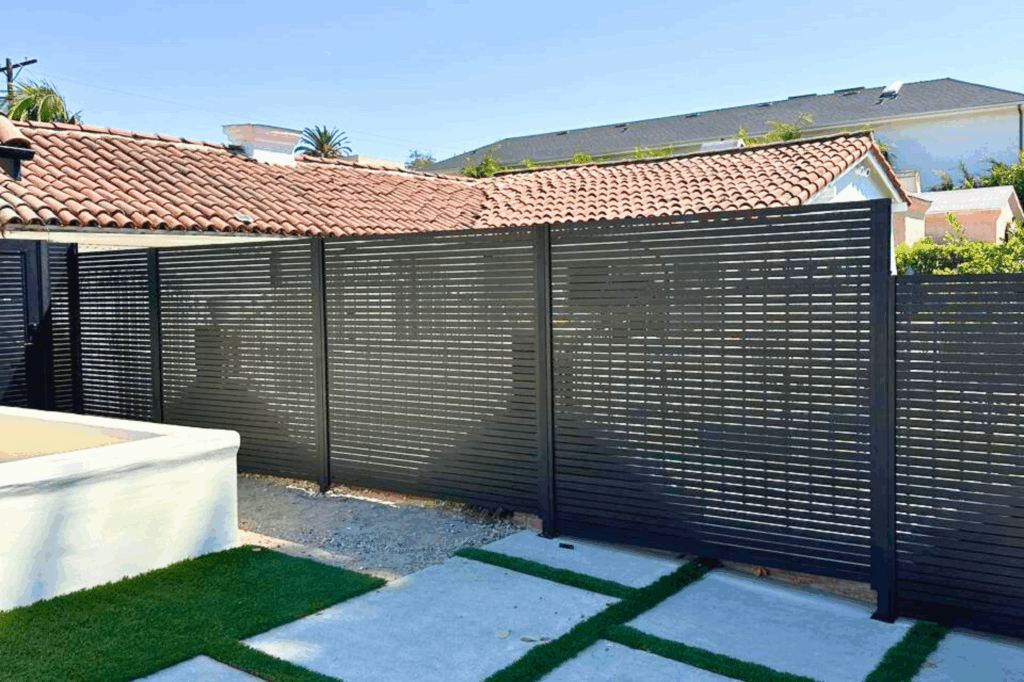
Aluminum fences combine noncombustible construction, low maintenance and long term durability to protect properties in fire prone areas. This guide explains why aluminum is a top choice for fire zones, highlights common mistakes owners make, and provides clear steps to design and install a fire safe perimeter that blends performance with style.
Aluminum Advantages in Fire Zones
Aluminum resists ignition and does not feed wildfire growth. Its core benefits include noncombustible material, long term corrosion resistance, and minimal maintenance. Aluminum fence profiles shed heat better than wood and many composite options. That reliability helps protect structures and reduce ember ignition risk. Choose powder coated finishes for added UV and weather protection. For a concise benefits summary see top eight benefits of modern aluminum fences which highlights durability, low maintenance and fire safety advantages.
Designing a Fire Safe Perimeter
Plan the perimeter to limit ember traps and reduce fuel near the property. Use noncombustible posts, consistent clearances from vegetation, and minimal horizontal ledges that collect debris. Place gates to allow emergency vehicle access. Specify finishes that withstand heat and choose breakaway features where appropriate. Local code and site elevation matter for material choice and spacing. Learn practical local guidance at choosing a fire safe fence in high risk areas, explore tested choices at fire resistant fencing examples, and check noncombustible system standards at zone 0 approved aluminum systems.
Design Your Ideal Fence Planning Tips
Begin with goals then match form to function. Identify the primary purpose: fire safety, privacy, or perimeter control. Sketch access points and sightlines. Factor in finish color, picket spacing and post intervals to reduce ember accumulation. Consider integrated gates and hardware that simplify maintenance. Balance aesthetics with code requirements and choose materials that offer both protection and curb appeal. For creative layouts and kit options that help realize design ideas review innovative design ideas using aluminum fencing kits to see installation patterns and customization options.
California B2B Office Furniture Marketing and Property Perimeters
Commercial property owners must align perimeter design with B2B marketing goals. A cohesive exterior communicates reliability to clients and tenants. Office campuses often pair durable aluminum fencing with branded gate features and low maintenance landscape buffers. When selling to facility managers focus on longevity, warranty and lifecycle cost. Use local visibility to your advantage by siting gates and signage to create a strong first impression. See local supplier clusters on the map for networking and procurement view California office furniture locations on Google Maps to plan partnerships and installations.
Installation Best Practices for Fire Zones
Correct installation prevents the common failures that reduce fence performance in fire zones. Excavate to stable soil, set posts deep enough for frost and wind load, and use concrete only where specified by code. Maintain vertical rails to avoid buildup of flammable debris. Secure fasteners that remain durable under heat and vibration. Ensure gates align and open without obstruction for emergency use. For a step by step look at professional installation practices see step by step fence and gate installation process to compare contractor workflows and site prep.
Common Mistakes That Undercut Fire Safety
Avoid mistakes that negate aluminum performance in high risk areas. Top errors include placing combustible slats or screens on metal frames, leaving debris collecting ledges, and failing to separate vegetation from the fence line. Improper paint or coating choices can hide corrosion and reduce lifespan. Incorrect anchoring or undersized posts increase vulnerability in wind and heat. Train maintenance crews to clear gutters and gaps. For a checklist of homeowner missteps and preventive steps review common fencing mistakes and how to avoid them.
Maintenance that Sustains Fire Resistance
Routine maintenance preserves noncombustible performance and appearance. Inspect for loose fasteners, damaged powder coat, and any organic buildup. Wash surfaces to remove soot and salt that accelerate corrosion. Replace damaged rails or pickets promptly rather than patching. Trim landscaping to maintain a defensible space and free air flow. Keep gates operable and lubricate hardware annually. See seasonal care suggestions at seasonal maintenance tips for aluminum fences for calendar based tasks and inspection intervals.
Aesthetics and Neighborhood Fit
Visual integration matters even in high risk zones. Aluminum systems offer slat, picket and privacy styles that match architectural context. Choose profiles and colors that complement siding and roofing to maintain property value. Use setbacks and landscaping to soften sightlines while keeping a clear ember free buffer. Coordinate with neighborhood design guidelines and HOA rules early to avoid redesign delays. For inspiration on yard scale options and material pairings review modern yard fence ideas to see style combinations that balance beauty and safety.
Codes Certifications and Zone Approvals
Compliance ensures your perimeter performs under inspection and in emergency events. Study local fire codes and any zone 0 or noncombustible mandates. Use certified noncombustible systems where required and collect documentation for permit review. Consult contractors that know regional approvals to streamline permitting. Opt for tested hardware and systems with clear manufacturer data sheets. For contractor selection and zone guidance reference choosing zone zero fence contractor to understand certification steps and installer qualifications.
Budgeting Cost and Long Term Value
Consider lifecycle cost not just initial price. Aluminum usually offers lower maintenance cost and longer service life than wood. Factor coating warranties, expected maintenance intervals, and repair costs. Account for access, gate automation and emergency openings that affect installation time. For homeowners and property managers a total cost comparison clarifies trade offs between upfront spend and decades of upkeep. For detailed pricing and planning guidance consult fence installation cost guide for homeowners 2026 to estimate budgets and financing options.
Commercial Systems and Large Scale Applications
Large properties need systems that scale reliably. For campuses and commercial sites choose sectional aluminum panels that allow fast installation and predictable performance. Integrate access control, emergency exit hardware, and maintenance access points. Coordinate with landscape and fire professionals to maintain defensible perimeters. Consider warranties, replacement part availability, and installer capacity when selecting systems. For industry grade options and project planning review best commercial fencing systems 2026 for comparisons and large site case studies.
Hiring Contractors and Avoiding DIY Pitfalls
Choose contractors with fire zone experience and clear references. Verify licenses, insurance and prior work in similar environments. Ask for detailed proposals with site prep, drainage and anchoring plans. Avoid projects where installers cut corners on post depth or omit proper fasteners. If considering DIY, be realistic about tools, time and code compliance. For hiring guidance and interview questions refer to choosing the right fence contractor which lists vetting steps and red flags to watch for.
Plan Build and Shop Your Ideal System
Move from plan to protected perimeter with a clear scope and supply chain. Finalize drawings, permit sets and material lists. Opt for tested noncombustible profiles and certified hardware. Schedule work for favorable weather to reduce debris and allow coatings to cure. Confirm delivery windows for gates and special finishes. Design assistance shortens decision time and ensures compliant outcomes. Ready to choose parts or place a full order now? Design Your Ideal Fence and Gates Today at our shop to select profiles, finishes and hardware tailored to fire zone requirements.
Final words
Aluminum fences deliver noncombustible protection, low maintenance and adaptable styles that suit fire prone properties. Avoid poor site prep, bad grounding, and combustible attachments. Prioritize professional installation, correct spacing and regular upkeep. When planned correctly an aluminum perimeter balances safety, appearance and cost. Consider design assistance to build a tailored fence and gate solution that meets fire zone requirements and homeowner needs.
Frequently Asked Questions
Are aluminum fences truly noncombustible?
Yes. Aluminum does not burn and will not contribute fuel to a wildfire. It resists ignition and helps reduce ember driven spot fires when installed correctly.
Can I add privacy slats on an aluminum fence in a fire zone?
Avoid combustible slats. If privacy is required choose noncombustible inserts or panels rated for noncombustible use. Keep spacing and vents to limit ember buildup.
How often should I inspect an aluminum fence in a fire prone area?
Inspect at least twice a year and after major storms. Check fasteners, coatings, gate operation and any debris accumulation that could trap embers.
Will aluminum fences require special permits in fire zones?
Some jurisdictions require documentation or noncombustible system certification. Check local building and fire codes and include documentation with permit applications.
Is a professional installation necessary for fire safety?
Professional installers reduce risk of errors like shallow posts, poor fasteners or improper clearances. Hiring experienced contractors helps ensure code compliance and long term performance.