


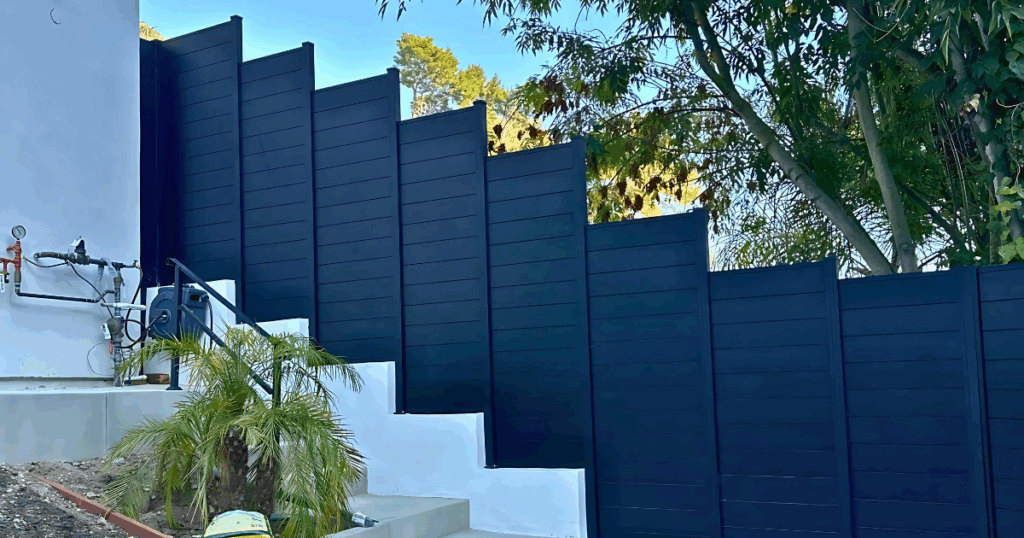
Choosing an aluminum fence contractor in California affects durability, permit compliance, and curb appeal. This guide walks homeowners and property managers through essential checks, questions to ask, and red flags to avoid. Follow practical steps to compare contractors, verify credentials, and align design and budget for long lasting results.
Why choosing carefully matters
Durability and compliance depend on the contractor you hire. A skilled installer ensures correct post depth, secure connections and powder coat integrity. Ask for proof of past work, references and insurance. Check local permit experience to avoid code violations. Consider long term maintenance costs when comparing bids. Investing time on vetting saves money and frustration later. For guidance on contractor selection see how to find modern fence in California which outlines local considerations and professional standards.
How to vet and screen contractors
Start with credentials, experience and clear communication. Request license numbers, certificates and a list of recent projects. Compare at least three bids for the same scope. Verify material specifications and finish details. Ask about corrosion resistance and coastal treatments. Review warranty terms and ask for a written schedule. Learn benefits of modern aluminum fences at top 8 benefits of modern aluminum fences. Confirm contractor vetting best practices at choosing the right fence contractor and review installation standards on aluminum fence installation CA.
Key checklist items before you sign
Document everything in writing before work starts. Confirm start and completion dates, payment schedule, permits responsibility and site cleanup. Include post footer depth, concrete type and hardware grade. Ask for product data sheets and color codes for powder coat. Get warranty language and dispute resolution terms in the contract. Review material comparisons like aluminum versus iron to pick the right value and performance. See aluminum vs wrought iron fences for long term pros and cons.
Material selection and finish considerations
Material choices impact lifespan and aesthetics. Prefer extruded or pressed aluminum with quality powder coating. Clarify gauge, wall thickness and structural profiles. Ask about salt resistant options for coastal locations. Confirm finish warranties for fading and chipping. Request sample panels when possible. Understand coating processes and benefits for your climate. For technical detail on powder coat options and benefits visit what is a powder coated aluminum fence.
Coastal and weatherproofing strategies
Coastal environments require special attention. Salt air speeds corrosion and degrades fasteners. Specify stainless or coated hardware and extra corrosion barriers. Ask about post embedment methods and drainage. Choose color and finish that resist chalking and fading. Request explicit warranty coverage for coastal conditions. For localized case studies and treatments see salt resistant aluminum fences Manhattan Beach which explains protective options and maintenance.
Design integration and style planning
Design should match your property and goals. Decide on visibility, privacy and security requirements first. Coordinate fence height, post spacing and gate style with architecture. Ask the contractor for scaled drawings and mockups. Consider color coordination and landscape integration to boost curb appeal. Review inspiring local examples to refine style choices. Explore specific style ideas and regional design trends at aluminum fence styles Orinda to inform your decision.
Privacy options and regulatory limits
Balance privacy needs with local rules and drainage. Privacy panels, slats or solid inserts change wind load and permit requirements. Confirm setback and height rules with local authorities. Ask contractors to provide engineered solutions if needed. Include details about screening, post reinforcement and gate locks in the contract. Learn how privacy solutions perform in California conditions at privacy aluminum fence California which covers codes and design choices.
Gates and access hardware selection
Gates require equal planning and quality hardware. Choose robust hinges, locks and automation readiness. Verify swing radius, clearances and latch types. Request gate reinforcement details and frame bracing. Confirm gate installer experience and alignment tolerances. If you need a step by step guide for aluminum gate work consult aluminum gate California step by step. For site planning use a map to verify supplier proximity: Find local suppliers on Google Maps before scheduling site visits.
Handling slopes and uneven ground
Hills and grading require tailored installation methods. Decide between stepped, raked or custom panels to handle elevation changes. Confirm post spacing, footing depth and concrete specification for slope conditions. Ask the contractor for site specific mockups and reveal how they will maintain consistent sightlines. Include corrective methods and guarantees for movement and settling. For practical techniques and examples read how to install fence on a slope which explains embedment and panel adjustments.
Maintenance planning and long term care
Plan maintenance to protect your investment. Aluminum is low maintenance but requires seasonal checks of fasteners, finish and gate alignment. Clean with mild soap and inspect for chips that expose base metal. Keep vegetation trimmed to avoid moisture traps. Request a maintenance schedule from the contractor and clarify liability for post-installation care. For seasonal tips and care routines consult seasonal maintenance tips for aluminum fences so you can protect finish and hardware.
Budgeting and cost transparency
Get clear, itemized estimates to avoid surprises. Break quotes into materials, labor, permit fees and site prep. Ask about contingencies for hidden conditions and change order policies. Confirm payment milestones and holdbacks for substantial completion. Consider lifecycle cost, not just upfront price. Compare warranty value and finish quality when evaluating low bids. For cost benchmarks and planning tools review fence installation cost guide for homeowners 2026 to set realistic expectations.
Final steps and getting started with a pro
Close the loop with a clear contract and schedule. Confirm permits, site protection, staging areas and cleanup plans. Ask for a single point of contact during installation. Verify warranties and maintenance guidance in writing. When you are ready to move from planning to action, explore professional options and custom selections that match your goals. Design Your Ideal Fence & Gates Today and then shop accessories and components to complete your project with confidence.
Final words
Selecting the right contractor reduces project delays, cost overruns, and warranty problems. Use the checklist and questions to validate experience, permits and materials. Prioritize clear contracts, realistic timelines and post installation support. When ready, Design Your Ideal Fence & Gates Today to access expert guidance, tailored options and finishes that combine longevity with low maintenance.
Frequently Asked Questions
Start by confirming they’re properly licensed (if required for your project scope), insured (general liability and workers’ comp), and able to share recent local project references with photos. Also ask whether they routinely handle city/HOA permit workflows so you don’t inherit compliance problems mid-project.
Ask for their standard post embedment depth, footing diameter, and concrete spec for your soil/slope, plus how they prevent gate sag (hinge rating, bracing, latch alignment). Have them explain their plan for layout/spacing, how they address wind load (especially with privacy panels), and what they do if they discover hidden site issues.
A solid estimate is itemized: materials (profiles/thickness, finish, hardware), labor, demolition/haul-away (if any), footings/concrete, permits/inspections, and any add-ons like gates/automation readiness. It should also include a timeline, payment milestones tied to deliverables, and a clear change-order policy.
Be cautious if a contractor won’t provide license/insurance proof, refuses itemized pricing, pushes a large upfront payment, or won’t put key specs in writing (post depth, hardware grade, finish warranty). Another red flag is vague statements like “we’ll figure it out on site” for slopes, property lines, or permits—those are exactly where projects go sideways.
Coastal jobs need explicit corrosion planning: fastener grade (often stainless/coated), drainage around posts, and finish expectations (powder coat warranty terms, fade/chalk resistance). Ask them to state in writing what’s different about their coastal spec and whether the warranty coverage changes near salt air.