
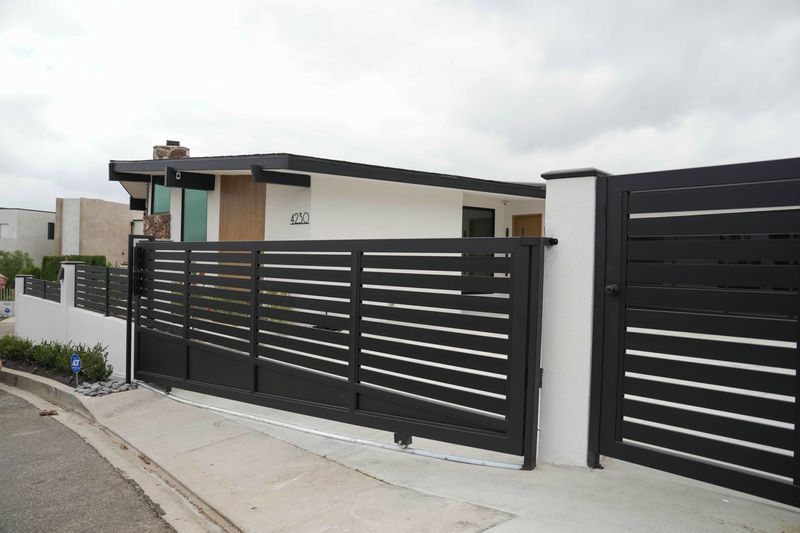
Insurance approved aluminum fences and gates require careful hardware selection to meet fire area rules. This guide explains insurer criteria, materials, installation best practices, and documentation needed to secure approvals while keeping aesthetics and lifespan high.
Risk and Approval Overview
Understanding insurer expectations starts with risk context. Insurance underwriters assess fence and gate systems for combustibility, maintainability, and how components affect fire spread. Choose aluminum systems that meet noncombustible standards and are compatible with approved hardware. Keep records of product specs, finish data, and test certificates to support claims. Review guidance on approved noncombustible systems like zone 0 approved fencing to align design decisions with insurer checkpoints while retaining a professional visual appeal.
Insurance Criteria and Documentation
Documenting compliance is as important as selecting the right parts. Insurers want evidence that fences and gates will not contribute to fire spread and that hardware will perform under high heat. Gather installation manuals, product certifications, and photos. Compare local fire safe guidance to industry resources such as fire safe fence selection, aluminum gates in fire zones, and local fire resistant fencing. These links help you assemble the three types of documents insurers often request: material data, installation proof, and maintenance plans.
Hardware Selection Principles
Focus hardware choices on durability and proven performance. Select hinges, latches, and fasteners designed for aluminum and for exposure to heat and weather. Prioritize stainless or corrosion resistant grades and tested closure systems. Ask suppliers for load ratings and testing records. Use margin minded design to avoid weak points that invite claims. For planning and fabrication guidance refer to practical build guidance such as how to build a fence gate. Incorporate the Design Your Ideal Fence & Gates Today offer to access tailored hardware recommendations and simplify specification.
Installation Best Practices for Fire Areas
Correct installation preserves noncombustible attributes and ensures insurer acceptance. Use anchor methods that avoid combustible fillers and allow thermal movement. Maintain clearance from flammable vegetation and masonry that can crack. Sealants and finishes should be noncombustible and compatible with base metal. Maintain installation photos and third party inspections as proof. For detailed regional installation steps review resources like aluminum fence installation in California. Proper installation reduces future maintenance and strengthens your case for coverage and claims handling.
Materials and Protective Coatings
Material choice and coating determine long term performance. Powder coated and thermally cured finishes add corrosion resistance and maintain appearance under high heat. Confirm coating flammability ratings and adhesion tests. Choose extrusions with appropriate wall thickness and reinforcements for gate spans. Request technical sheets showing finish longevity and warranty terms. Learn about protective finishes and their benefits in articles such as powder coated aluminum fence features. These details help you balance cost, look, and insurer expectations.
Gate Automation and Safety Considerations
Automated gates add convenience but require rigorous safety hardware. Motors, control boxes, and electrical components must be specified for outdoor, high heat environments. Select fail safe locking and manual release options that do not rely on combustible housings. Ensure wiring meets fire code and is accessible for inspection. For installation and automation tips consult guidance like automating your swing gate. Well specified automation reduces liability and supports insurance underwriting for commercial and residential properties.
Maintenance Plans and Inspection Protocols
Insurance compliance often requires scheduled maintenance and records. Create an inspection checklist covering fasteners, hinges, alignment, and finish. Document dates, actions taken, and replacement parts. Promptly replace damaged hardware with approved equivalents. Train maintenance staff or contractors to recognize early corrosion or deformation. See seasonal upkeep advice to keep systems reliable in extreme weather at seasonal maintenance tips. A clear maintenance history can materially affect renewal terms and claim outcomes.
Contractor Selection and Verification
Choose contractors who understand fire area regulations and insurance needs. Verify licenses, references, and experience with noncombustible systems. Require proof of general liability and worker coverage. Insist on written change orders and as built drawings. Ask for samples of prior projects and client contacts. Use contractor selection guidance like choosing the right fence contractor to vet teams thoroughly. Clear contracts and certified installation records speed insurer review and lower project risk for owners and managers.
Design Integration and Aesthetics
Noncombustible, insurer friendly designs can still enhance curb appeal. Use slimline profiles, integrated privacy slats, and coordinated gate hardware to match architecture. Balance sight lines and defensibility while meeting codes. Consider powder coat color choices that minimize heat uptake while matching the property palette. For inspiration and tasteful approaches see modern fence concept pieces such as modern yard fence ideas. Thoughtful design helps secure approvals and preserves property value without compromising safety.
Budgeting and Return on Investment
Plan budgets that reflect long term savings and lower insurance risk. Upfront investment in certified noncombustible systems can reduce premiums and claims exposure. Factor in lifecycle costs, maintenance savings, and potential insurer credits. Build contingencies for technical inspections and documentation. Use benchmarking and cost guidance such as fence installation cost guide 2026 to set realistic expectations. A clear ROI case helps stakeholders approve higher quality components that pay back in durability and fewer insurance headaches.
Approvals and Real World Examples
Reviewing precedents clarifies what insurers accept. Analyze sample projects, approval letters, and test reports. Share these with underwriters to shorten deliberations. Pay attention to projects in similar climates and risk zones. For practical examples and common questions consult compiled resources such as aluminum fences for fire zones FAQs. Real world cases illustrate paperwork, the role of certified hardware, and how documentation influenced coverage decisions.
B2B Marketing for California Office Projects
Position noncombustible fence and gate solutions as a business advantage. For California B2B clients emphasize code compliance, durability, and reduced liability. Create localized sales materials, case studies, and specification packages. Make it simple for procurement teams to find your office showroom and regional office by linking maps. Use the company location on Google Maps to help buyers meet procurement checks find our California presence on Google Maps. Clear B2B messaging wins larger projects and aligns your product with facility management priorities.
Final Steps to Approval and Next Actions
Finish with documented installation, certified replacements, and proactive maintenance. Confirm hardware certificates, finalize inspection reports, and compile a single approval package. Provide owners with a maintenance plan and quick access to replacement parts. Design Your Ideal Fence & Gates Today can help you finalize specs and get compliant solutions delivered on schedule. Explore product options and order directly through the online shop to simplify procurement: Design Your Ideal Fence & Gates Today Shop. This single step streamlines approvals and helps preserve property safety and aesthetics.
Final words
Selecting insurance approved aluminum fence and gate hardware for fire areas reduces coverage hurdles and long term risk. Prioritize noncombustible materials, certified components, documented installation, and regular inspections. Use contractor qualifications and clear records to speed approvals. Combine safety with design to protect property and value while enjoying low maintenance performance.
Frequently Asked Questions
Insurers generally request three categories of evidence: material documentation, installation proof, and a maintenance plan. Material documentation should include product data sheets, third-party test certificates covering standards such as ASTM E136, E84, and E2768 Class A fire ratings, fastener schedules, and finish specifications. Installation proof includes photos, as-built drawings, and third-party inspection reports, while a written maintenance plan showing scheduled inspections and part-replacement protocols rounds out the package underwriters need to process and approve coverage.
Yes, aluminum carries a zero flame-spread rating and, when tested to recognized standards, is classified as fully noncombustible. Under California’s 2025 WUI Code (mandatory statewide as of January 1, 2026), aluminum satisfies Zone 0 requirements because it does not ignite or contribute fuel during a wildfire. For the entire assembly to qualify, however, connectors, fasteners, and coatings must also be noncombustible or rated equivalents a single combustible component can invalidate the system’s certified status.
It can. California’s Department of Insurance recognizes Zone 0 compliance through the Safer from Wildfires program, under which insurers may offer discounts or maintain continued coverage for properties with noncombustible perimeter systems. Replacing any wood fencing that connects to your home with aluminum or metal is specifically highlighted by the California Department of Insurance as a critical step, because wood fencing can act as a pathway that leads fire directly to a structure. Documenting the upgrade with certified product specs and photos strengthens your case at renewal.
All hardware components hinges, latches, motors, and control housings must be rated for outdoor, high-heat environments and must not include combustible housings or wiring insulation that fails under fire exposure. Stainless steel or corrosion-resistant fasteners are the benchmark for fire-zone aluminum systems, and electrical wiring for automated gates must meet local fire code and remain accessible for inspection. Fail-safe manual release mechanisms that operate without power are also a requirement underwriters look for, since emergency responders and fire authorities need reliable manual access during an incident.
Under California law, existing homes in Very High Fire Hazard Severity Zones have a compliance deadline of January 1, 2027, with fines ranging from $100 to $500 per day after enforcement begins. More immediately, non-compliance can trigger insurance non-renewal even before the statutory deadline, meaning your insurer does not have to wait for the government enforcement date to act. The practical path forward is to replace noncompliant sections, particularly any wood fencing within five feet of the structure, with a certified noncombustible aluminum system backed by documented product specs and professional installation records.
Ronnie is the CEO and Co-Founder of Globus Gates, bringing hands-on leadership and industry experience to the company’s aluminum gates, fences, patio covers, wall cladding, and exterior systems. His insights focus on helping homeowners, contractors, designers, and builders understand durable, modern, factory-direct, and non-combustible aluminum solutions built for long-term performance.