
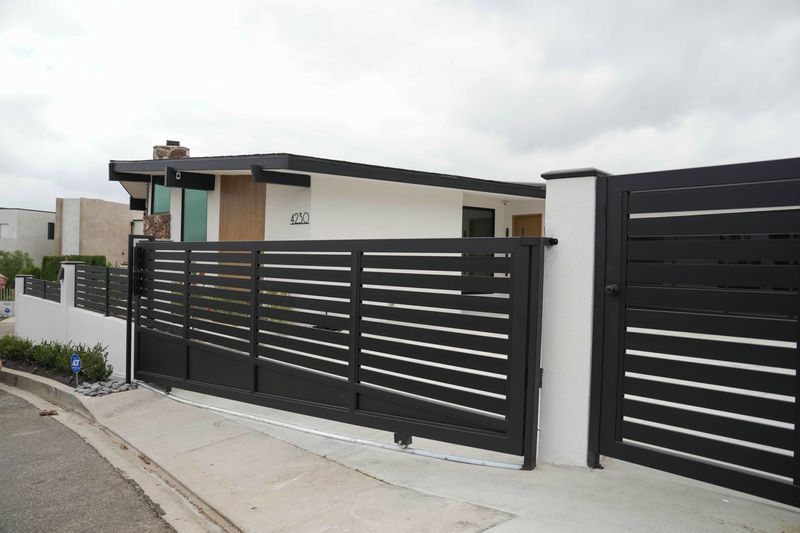
Aluminum fences and gates that meet insurance standards require precise paperwork and code compliance. This guide outlines permit steps, common code requirements, fire safe options and design considerations. Follow clear checklists and pro tips to reduce delays, meet insurer expectations and build durable, low maintenance perimeter systems for 2026 regulations.
Why insurance approval matters
Insurance approval affects coverage and rates. Carriers expect non combustible and verified perimeter systems where fire risk exists. Approved aluminum fences reduce claimant disputes and may lower premiums. Maintain a clear documentation trail of materials, finishes and installation methods to support insurer inspections. Keep maintenance logs and photos of critical details. Use certification statements from manufacturers to verify noncombustible finishes and hardware. For deeper context on insurance specific systems review the insurance approved aluminum fence and gate systems resource for typical insurer expectations and sample paperwork.
Designing fire safe gate systems
Fire safe systems prioritize noncombustible materials and defensible space design. Specify aluminum profiles and powder coated finishes rated for high heat. Include gap spacing that prevents ember accumulation and choose self closing hardware where codes require it. Coordinate with local fire agency requirements and verify accepted installs. Read technical guidance on why aluminum works in high risk landscapes at why aluminum fences are ideal for fire zones. See regional case studies at fire resistant fencing palos verdes ca and fire resistant fencing norco for local best practices and inspection notes.
Permits checklist and paperwork essentials
Start permit prep early. Collect site plans, scaled drawings, material specs and manufacturer statements proving noncombustibility. Include engineered post details, gate swing diagrams and ADA or emergency access notes. Submit authority to construct forms and any HOA approvals. Track application numbers and inspector contacts. Use a short master checklist to avoid resubmittals. For compliance frameworks and zone approvals consult zone 0 approved fencing to understand specific non combustible system criteria and required documentation formats.
Selecting materials for code compliance
Material choice determines long term compliance and performance. Aluminum offers corrosion resistance and noncombustible performance when specified correctly. Confirm alloy grade, finish system and fastener materials. Use stainless or coated fasteners to prevent galvanic corrosion. Validate powder coat warranties and finish thickness with suppliers. Factor in site conditions like coastal salt, rain and sun exposure. For material pros and cons and selection guidance read choosing the right fence material to match code needs with aesthetic goals and lifecycle cost estimates.
Working with contractors and designers
Choose experienced contractors who know local codes. Verify licensing, insurance and permit experience. Ask for prior projects that passed municipal inspections and insurer vetting. Request a step by step installation plan showing foundations, posts and gate hardware. Confirm who will request inspections and provide ‘as built’ documentation. Use contractor selection checklists to compare bids objectively and reduce risk. For hiring tips and contractor vetting guidance see choosing the right fence contractor.
Security and access control integration
Gate systems must balance security with code access needs. Design failsafe release for emergency responders and ensure electrified hardware meets electrical and building codes. Integrate access control systems so they do not impede emergency egress. Provide clear demarcation for manual operation points and maintain battery backup for automated devices. For questions about optimal security fencing and system choices refer to practical guidance at what is the optimal fence for security which helps reconcile access controls with code demands.
Benefits of modern aluminum systems
Modern aluminum systems offer long term value. They resist rust, need limited maintenance and maintain finish integrity. Insurance friendly systems reduce fire exposure and are easier to inspect. Modern profiles also support concealed hardware for clean aesthetics and integrated automation. Choose designs that simplify repair and replacement of modular panels. Learn about performance advantages and lifecycle benefits at top 8 benefits of modern aluminum fences to quantify savings and durability for owners and insurers.
Installation standards and inspection readiness
Follow engineered installation standards. Anchor post embedment depths to soil conditions and frost lines, and use concrete or mechanical anchors per engineering notes. Keep detailed photos during each stage for inspection. Label hardware and produce a compliance packet at project completion. Maintain an organized folder of permits, as built drawings and material certificates for insurers. For typical regional installation steps and timelines consult aluminum fence installation ca which outlines common municipal expectations and inspection touchpoints.
Budgeting timelines and cost considerations
Plan budgets to include permit fees and third party tests. Expect variable timelines for plan review and inspections. Include contingency for protection of finishes during install. Factor in post installation documentation for insurer file. Balance upfront material quality with long term maintenance costs to minimize total cost of ownership. For cost benchmarks and owner budgeting guidance see fence installation cost guide for homeowners 2026 to set realistic schedules and reserves.
Automation and safety integration
Automating gates improves convenience but adds code layers. Select operators that meet safety standards and include edge sensors, entrapment protection and manual release. Coordinate electrical permits and verify low voltage pathways are installed in protective conduits. Provide clear user instructions and maintenance schedules. Ensure automation does not conflict with fire agency access. For advice on automation benefits and regulatory aspects see advantages of having an automatic gate which outlines safety features and inspection points.
Maintenance records and insurance documentation
Maintain a concise service and inspection record. Log maintenance events, blade and hinge replacements and finish touch ups. Photodocument inspections and any corrective work. Presenting consistent records to insurers supports coverage continuity and can speed claim resolution. Provide owners with a simple maintenance packet and recommended service intervals. Seasonal care tips and checklists are available at seasonal maintenance tips for aluminum fences to keep systems compliant and warranty valid.
Next steps and getting started with a project
Prepare a simple project brief to move from concept to permit. Include site photos, property lines, desired gate operation and preferred finishes. Request manufacturer statements and a preliminary quote. Use the brief to compare installers on code knowledge and timeline. For owners ready to select products and start design work use the available shop and design resources to streamline purchasing and specification. Design Your Ideal Fence & Gates Today by choosing certified components and professional support. Get started with product selection and ordering at https://globusgates.com/shop/ to secure compliant materials and expert technical help.
Final words
Meeting insurer and municipal requirements for aluminum fences and gates reduces risk and speeds approval. Use the permit checklists, adopt fire safe hardware and document installations carefully. Partnering with experienced designers and installers shortens timelines and ensures compliance. Plan for maintenance and records to protect coverage and preserve asset value.
Frequently Asked Questions
Most California municipalities require a building permit that includes scaled site plans, engineered post and foundation details, gate swing diagrams, and manufacturer statements confirming noncombustibility. If your property falls within a Very High Fire Hazard Severity Zone (VHFHSZ) or is subject to Zone 0 regulations, additional fire agency review and zone-specific documentation, such as proof of ember-resistant gap spacing and noncombustible hardware specs, are typically part of the submittal. HOA approval letters and ADA or emergency access notes are also commonly required before a permit is issued, so collecting all supporting documents before your first submission avoids costly resubmittal delays.
Specify an alloy grade, typically 6063-T5 or 6061-T6, that offers the structural integrity and heat performance your project demands, and pair it with a powder coat finish that carries a documented flammability rating and minimum thickness warranty from the supplier. Fasteners must be stainless steel or coated to prevent galvanic corrosion between dissimilar metals, which is a detail inspectors and insurers increasingly check in coastal and high-humidity fire zones. Request full technical data sheets from your manufacturer, as these sheets serve as the primary evidence that your system meets noncombustible standards during both municipal plan review and insurer file audits.
A complete compliance packet should contain the issued permit, approved plans, as-built drawings reflecting any field changes, all material certificates and product data sheets, photos taken at each key installation stage (post embedment, hardware attachment, finish application), and a signed inspection sign-off from the municipal inspector. Insurers also expect a maintenance schedule and initial service log to be part of this packet, since it demonstrates that the owner has a plan to preserve the system’s noncombustible properties over time. Organizing these documents in a single digital folder and sharing a copy with your insurer at policy renewal significantly speeds up coverage review and reduces back-and-forth with underwriters.
Automated gate operators must include UL-listed edge sensors, entrapment protection, and a fail-safe manual release mechanism that emergency responders can operate quickly without special tools, this is a direct fire code and life safety requirement, not optional. Electrical permits for low-voltage control wiring and high-voltage operators must be pulled separately from the fence permit in most jurisdictions, and all conduit must be rated for outdoor exposure. Insurers specifically look for evidence that automated systems will not impede emergency egress during a fire event, so include the operator’s safety feature list and a user manual in your compliance packet to address this concern proactively.
Insurers use maintenance records to assess whether a fence and gate system continues to perform as originally certified, gaps in service logs signal potential unmanaged deterioration, which can contribute to non-renewal decisions or coverage disputes after a claim. A straightforward log that captures inspection dates, hardware replacements, finish touch-ups, and photographic evidence of each service visit gives underwriters confidence that the system has not drifted out of its original noncombustible specification. In California, carriers operating under the Safer from Wildfires framework may also factor documented maintenance into premium calculations at renewal, meaning a well-kept service file can translate directly into lower rates on top of reducing claim friction.
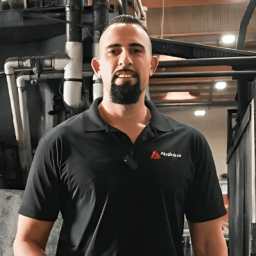
Ronnie is the CEO and Co-Founder of Globus Gates, bringing hands-on leadership and industry experience to the company’s aluminum gates, fences, patio covers, wall cladding, and exterior systems. His insights focus on helping homeowners, contractors, designers, and builders understand durable, modern, factory-direct, and non-combustible aluminum solutions built for long-term performance.