
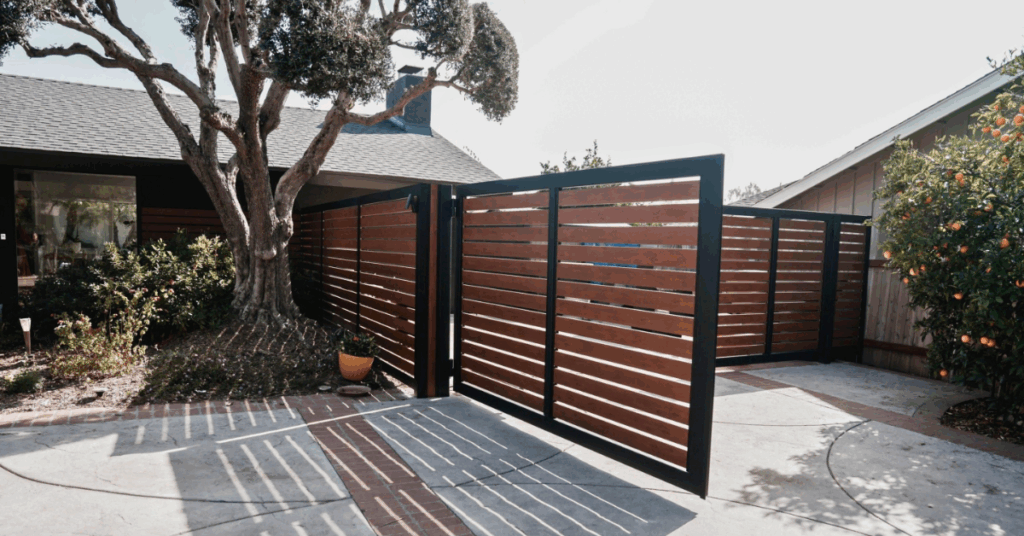
Insurance approved aluminum fence and gate systems combine code compliance, safety, and long term value. This guide outlines the pricing drivers, compliance checkpoints, wildfire resilience, and budgeting tactics. Read clear steps for estimating costs, choosing materials, and planning installation schedules. Learn how to align design choices with insurance requirements and reduce lifetime expenses while preserving curb appeal and security.
Insurance approved systems overview
Understand the compliance baseline before you estimate costs. Insurance approved aluminum systems combine specific material properties with installation methods. Focus on non combustible profiles, tested fixings, and certified finishes. Request documentation from suppliers to prove compliance. Compare quotes based on identical scope and warranty terms. Consider permit fees and inspection costs when tallying the estimate. Use a checklist to ensure each bid covers anchor type, post embedment, and gate hardware. For deeper regulatory context, review the industry primer on insurance approved aluminum fence and gate systems.
Wildfire compliant aluminum fencing
Wildfire compliance affects design choices and cost. Start by identifying the local fire zone rating. Choose certified non combustible systems and avoid combustible infill materials. Require documented installation methods that reduce ember traps and resist radiant heat. Review local ordinances and insurer conditions before finalizing materials. For technical guidance and approved system examples, see zone 0 approved fencing, explore non combustible profiles at zone 0 aluminum systems, and learn why aluminum is recommended in fire zones at why aluminum fences are ideal for fire zones. These resources inform spec choices and insurer conversations.
Budget planning and lifecycle costs
Budget planning begins with lifecycle cost analysis. Compare initial purchase, installation labor, permit fees, and long term maintenance. Use a simple table to estimate total ownership across 10 to 20 years. Include warranty coverage and finish longevity when comparing suppliers. Factor replacement or repair scenarios tied to weather, corrosion, or impact. Leverage the documented benefits of modern aluminum systems to justify upfront investment. Learn how product benefits reduce lifetime expense by consulting industry insights on aluminum fence benefits. Calculate break even points to guide smart choices.
California B2B office furniture marketing
Apply commercial marketing principles to fencing sales in California. A B2B approach focuses on demonstrating return on investment, compliance assurance, and post sale service. Target property managers, architects, and contractors with clear spec sheets and case studies. Offer site visits and samples to accelerate decisions. Use a local presence to build trust; add a map link on proposals so buyers can verify nearby service hubs. For convenience include a clickable map reference like local office on the map. Position warranties and local support as key differentiators.
Choosing fence materials for insurance compliance
Material choice drives both price and insurance acceptance. Aluminum earns points for non combustibility and low maintenance. Confirm powder coat thickness and substrate grade when comparing quotes. Avoid mixed material details that create weak points for ember intrusion. Document corrosion resistance and hardware specifications. Request sample sections to verify finish and weld quality before ordering. Use material decisions to streamline permit approvals and insurer signoff. For guidance on matching materials to property goals consult the selection resource at choosing the right fence material.
Gate systems and automation cost impacts
Gate choices change complexity and budget significantly. Automation adds electrical work, safety devices, and control hardware. Select gate styles that balance opening width, duty cycle, and motor size. Account for foundation work and conduit runs in the estimate. Factor in remote access, intercoms, and keypads if needed. Prioritize reliable mounting and approved hardware to maintain insurance compliance. Consider long term service contracts for automated systems. For installation considerations and planning tips review expert guidance at automation planning for swing gates.
Hiring contractors and installation timeline
Contractor selection defines outcome and risk. Vet installers for local permits, bonding, and insurance. Request references and photos of completed work. Confirm post holes, concrete embedment depths, and drainage solutions are included. Build a realistic schedule that accounts for inspections and weather delays. Use a written scope with milestones and payment terms tied to deliverables. Avoid lowest price traps by comparing detailed line items. For contractor selection best practices consult the local installer guidance at choosing the right fence contractor.
Maintenance strategies to reduce lifetime cost
Planned maintenance reduces total cost of ownership. Create a maintenance checklist covering cleaning, fastener checks, and hinge lubrication. Schedule inspections after storms or heavy use. Address finish touch ups promptly to avoid long term damage. Keep records of service for warranty claims and insurer proof. Consider service agreements for automated gates to minimize downtime. Train onsite staff on quick checks and minor repairs. For seasonal care tips and specific aluminum maintenance tasks see seasonal maintenance tips for aluminum fences.
Design customization and permit coordination
Design choices must align with permit and insurance rules. Integrate any privacy, height, or visual screening requirements early. Coordinate architectural style with local design review when relevant. Avoid features that conflict with fire safety or visibility rules. Document modifications and submit clear plans to expedite permitting. Use prototypes or small test installations for novel details. Provide permit-ready drawings and spec sheets to speed approvals. For inspiration on layout and yard integration explore curated ideas at modern yard fence ideas.
Coastal and salt air protection
Coastal exposure demands stricter material and finish spec. Choose marine grade alloys and premium powder coatings for long term resistance. Specify stainless steel fasteners or non ferrous hardware to avoid galvanic corrosion. Increase inspection frequency in salt environments and plan sacrificial components for easier replacement. Confirm warranties cover coastal conditions and clarify maintenance expectations. Consider specialized finishes and coatings to extend service life. For region specific solutions and salt resistant options consult the coastal guide at salt resistant aluminum fences Manhattan Beach.
Commercial applications and calculating ROI
Commercial projects need clear ROI and risk mitigation. Quantify reduced maintenance, longer life, and compliance savings against initial investment. Factor in liability reduction from certified gates and controlled access systems. Consider bulk pricing for larger runs and modular panels to speed installation. Use lifecycle models and case studies to convince decision makers. Offer phased implementation to spread capital costs. For cost benchmarking and homeowner oriented cost frameworks, review the installation cost guide at fence installation cost guide for homeowners 2026 and adapt figures for commercial scale.
Maintenance strategies to reduce lifetime cost?
Planned maintenance reduces total cost of ownership. Create a maintenance checklist covering cleaning, fastener checks, and hinge lubrication. Schedule inspections after storms or heavy use. Address finish touch ups promptly to avoid long term damage. Keep records of service for warranty claims and insurer proof. Consider service agreements for automated gates to minimize downtime. Train onsite staff on quick checks and minor repairs. For seasonal care tips and specific aluminum maintenance tasks see seasonal maintenance tips for aluminum fences.
Cost estimating and financing options
Detailed cost estimates reduce surprises and speed approvals. Build estimates with clear line items for materials, labor, hardware, permits, and contingencies. Include optional upgrades as separate tasks so buyers can choose. Offer financing or phased billing to make premium options accessible. Use documented savings from lower maintenance to justify higher initial cost. Keep a contingency for unexpected subsurface conditions. Compare replacement versus repair scenarios to decide capital allocation. For decision guidance on repair or replacement consult the comparative analysis at fence replacement versus repair.
Final recommendations and next steps
Move forward with a clear plan and verified suppliers. Gather compliant specs, three detailed bids, and permit checklists. Prioritize certified non combustible systems when fire risk exists. Compare total ownership not only upfront cost. Schedule site survey and finalize hardware selections early. Take advantage of design support and expert consultations to refine choices. When ready to select components and place orders use the online shop to access parts, finishes, and hardware to complete your plan: Design Your Ideal Fence & Gates Today.
Final words
Choosing insurance approved aluminum fencing requires balancing upfront cost, compliance, and lifetime value. Focus on material specs, certified systems for fire zones, accurate installation bids, and realistic maintenance budgets. Use lifecycle estimates to compare options and pick designs that meet insurer and local rules. Strategic planning reduces total cost and increases protection and resale value.
Frequently Asked Questions
Insurance approved systems meet specific materials and installation standards set by insurers or local regulators. They typically use non combustible profiles, certified fixings, and documented installation methods. Check with your insurer for required documentation and local code compliance.
Yes. Properly specified aluminum systems resist flame and do not burn. Choosing certified non combustible designs and following installation best practices reduces risk and helps satisfy insurer requirements.
You can improve ember resistance by minimizing gaps, avoiding horizontal ledges, sealing openings, and using non-combustible materials like aluminum with proper hardware and tight spacing.
Yes. Fire-safe upgrades often include stainless steel fasteners, self-closing hinges, secure latches, and properly rated electrical components to meet safety codes and reduce failure risks during fires.
Create a lifecycle budget that includes initial cost, installation, permits, upkeep, and expected replacement. Compare options by total cost of ownership rather than initial price alone.
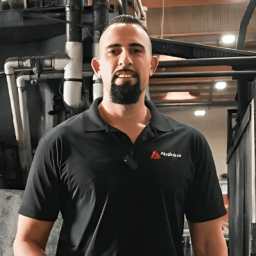
Ronnie is the CEO and Co-Founder of Globus Gates, bringing hands-on leadership and industry experience to the company’s aluminum gates, fences, patio covers, wall cladding, and exterior systems. His insights focus on helping homeowners, contractors, designers, and builders understand durable, modern, factory-direct, and non-combustible aluminum solutions built for long-term performance.