


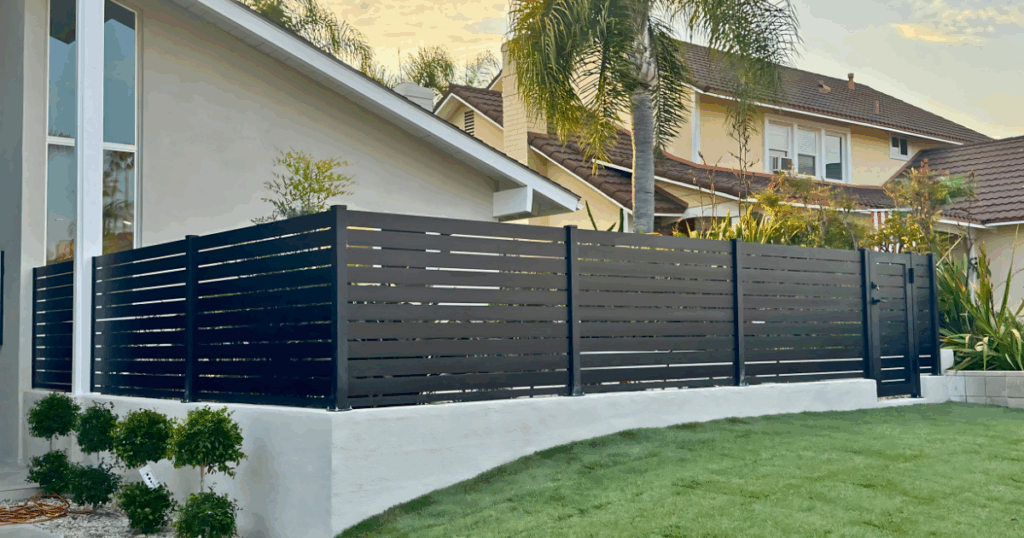
Aluminum fences offer a powerful balance of fire resistance, low maintenance and adaptable design. This guide explains why aluminum performs well in high risk fire zones, outlines critical specifications, and provides design choices that comply with safety recommendations while enhancing curb appeal. Read to learn practical selection criteria, installation considerations, and how to design an aluminum fence that reduces fire risk without sacrificing style.
Why aluminum is fire resistant
Aluminum is non combustible and will not burn under normal wildfire exposure. Its melting point is high enough that thin sections resist ignition and do not sustain combustion. Designers choose aluminum to limit ember ignition and reduce radiant heat damage to fence assemblies. Material selection matters because non combustible fences lower fuel continuity and slow fire spread. Consider alloy strength, section thickness and weld quality when specifying profiles. Coatings also matter; a certified high temperature rated finish adds protection while improving longevity. Properly designed aluminum fencing helps maintain perimeter integrity during ember storms and complements other defensive landscape measures for better overall site resilience.
Design profiles and section specs
Selecting the right profile impacts performance and aesthetics. Taller pickets increase visibility and security but must meet code clearances in fire zones. Use heavier gauge posts and thicker rails for wind and heat resilience. Specify post embedment depth and concrete quality to avoid premature failure. Consider slip joint or expansion allowances to prevent thermal warping. Powder coated finishes boost corrosion resistance and maintain protective properties under heat. Also plan for gate hardware that tolerates high temperatures and thermal cycling. For practical guidance on benefits and styles consult Top 8 Benefits of Modern Aluminum Fences which explains material advantages and common profiles.
Coatings and finishes that matter
Finishes determine long term durability in harsh environments. Powder coating provides a continuous protective layer that resists UV breakdown, moisture and surface corrosion. In fire impacted regions choose coatings with proven heat tolerance and adhesion to aluminum. Avoid combustible paint layers or wraps that can trap embers. For coastal or high humidity locations a corrosion resistant specification helps preserve structural integrity after heat exposure. Detail maintenance schedules to inspect coating lift or cracking after fire season. Understand finish testing and warranty language to ensure performance. See practical coating advice and performance expectations in Powder Coated Aluminum Fence Benefits.
Site planning for wildfire defensibility
Fence location and surrounding landscaping determine real world performance. Maintain defensible space by clearing flammable materials near the fence line. Use non combustible hardscape immediately adjacent to the fence to interrupt fuel continuity. Keep vegetation trimmed and choose fire resistant planting on both sides of the fence. Address slope and embankment conditions to prevent rolling embers from accumulating. Coordinate fence setbacks with local ordinances and defensible space guidelines. For guidance on fire safe choices and high risk areas consult Choosing a Fire Safe Fence in High Risk Fire Areas which covers site planning essentials.
Clearances and ember protection details
Small clearances and openings can admit embers and sparks. Specify minimal horizontal gaps where ember intrusion matters. Use vertical picket spacing that limits ember passage while preserving airflow. Seal joints at base plates and around posts to stop ember accumulation. Consider continuous gravel or concrete apron at the fence base to prevent combustible debris build up. Install self closing gates and limit recessed frames where leaf litter could collect. Routine inspection after fire season reduces hidden ember nests. Project teams should review these details with builders and inspectors to ensure on site compliance and long term safety. See case examples in Fire Resistant Fencing Palos Verdes CA.
Codes standards and zone 0 systems
Regulatory guidance shapes acceptable fence assemblies in many jurisdictions. Some regions require zone 0 or non combustible systems for certain properties. Confirm local building codes and fire authority recommendations before finalizing designs. Use tested assemblies with documentation to ease plan review. Document material specifications, post embedment, and finish systems for permit submittals. Consider certified non combustible aluminum systems when code or insurance incentives demand it. Engage early with plan reviewers to avoid redesigns. Explore technical system options and approvals in Zone 0 Aluminum Fencing Non Combustible Systems.
Design Your ideal fence and gate options
Begin by defining performance goals and aesthetic targets. Determine desired height, privacy level and gate types. Select profiles and finishes that meet fire resistance needs while matching architectural style. Sketch clearances, gate swing and automation needs early to coordinate with posts and hardware. Ask about modular kits and custom fabrication choices to balance cost and timeline. Consider accessibility and maintenance access during design. Use a consultative process to align budget and safety priorities. For help choosing materials and layout ideas reference Choosing the Right Fence Material which guides material tradeoffs for specific site needs.
Working with contractors and installers
Contractor selection affects long term performance. Choose firms with experience in fire zone installations and aluminum systems. Verify references, licenses and work samples. Confirm installers follow structural and embedment specifications and protect coatings during installation. Discuss warranty details and post installation inspection schedules. Ensure teams understand defensible space practices to avoid combustible debris around the installed fence. A clear scope reduces change orders and improves outcomes. For hiring and vetting tips consult Choosing the Right Fence Contractor which outlines essential questions and red flags.
Maintenance plans to retain fire performance
Periodic care preserves the protective properties of aluminum systems. Inspect coatings, joints and anchor points annually and after major events. Remove leaf litter and combustible debris from fence bases. Repair damaged coatings and replace compromised pickets or rails promptly. Lubricate gate hardware and check closures to avoid gaps. Document maintenance actions for insurers and future buyers. An established maintenance plan extends service life and keeps fire safety features functioning. For design ideas that marry durability and low maintenance see Innovative Design Ideas Using Aluminum Fencing Kits which highlights practical assemblies.
Marketing fence solutions to California businesses
Communicating value matters in B2B office and property settings. Emphasize non combustible ratings, life cycle cost savings and warranty coverage when pitching property managers. Tailor messaging to facility risk profiles and demonstrate cost benefits of reduced maintenance. Provide layout visuals, specification sheets and case studies to speed approvals. Use local references to show success in similar climates. For regional outreach include a map link to illustrate service area and local presence: Los Angeles service area on Google Maps. This helps buyers validate local experience during procurement.
Targeting corporate facility managers in california
Focus on risk mitigation and procurement simplicity. Offer bundled services that include specification support, expedited permitting and coordinated installation. Highlight durability, low maintenance and competitive life cycle costs. Provide tailored proposals that list material data and expected maintenance tasks. Leverage local case studies and reference installations to prove performance. Make scheduling flexible to accommodate business operations. For regional demonstrations include a point of presence: San Francisco presence on Google Maps. Clear commercial value propositions shorten decision cycles with facility teams.
Final selection and call to action
Finalize specifications with safety and longevity in mind. Confirm alloy grade, profile size, post embedment and finish system in writing. Request mockups or sample panels to verify color and texture. Include maintenance expectations and warranty terms in contracts. Balance security, appearance and fire performance in your final decision. For streamlined purchasing and to explore customizable options that protect property while delivering style, visit https://globusgates.com/shop/. This will connect you with tailored solutions, specification support and installation options designed to meet your project needs.
Final words
Aluminum fences combine non combustible performance, durable coatings and design flexibility to meet fire zone needs. Choose the right profile, finish and clearances, and partner with skilled installers. Thoughtful design reduces ember entry and maintenance while preserving aesthetics. For tailored solutions and installation options, consider professional guidance to select the right system for your property and risk profile.