


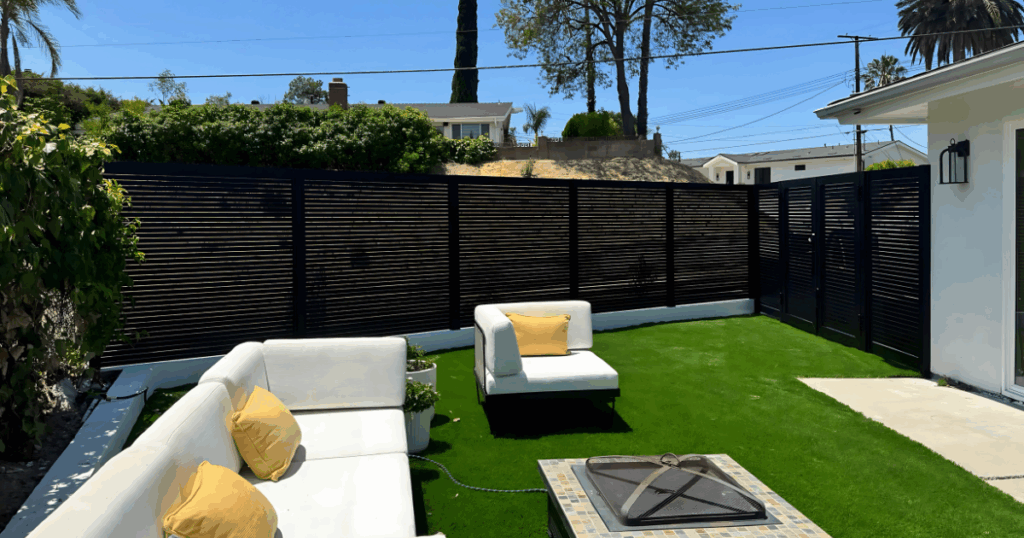
Zone 0 approved aluminum fencing offers non combustible protection where wildfire risk is extreme. This guide reviews compliance basics, material choices, realistic costs, typical timelines and what property owners should expect from planning through installation in 2026.
Understanding Zone 0 Fencing Requirements
Zone 0 classification demands the highest fire-safety standards for perimeter systems. Start by confirming local code specifics and any municipal amendments. Prepare documentation, including material data sheets and non combustible certifications. Engage an expert early to interpret performance tests and compliance reports. Site surveys must capture terrain, wind exposure and vegetation. That data defines foundation types and anchoring requirements. Typical outcomes include specified aluminum alloys, powder coatings and mechanical fastening methods. For practical guidance on system selection and compliance details see Zone 0 aluminum systems guide.
Material Standards and Certification
Select aluminum profiles that meet non combustible ratings and documented test results. Focus on alloy grade, temper and coating performance for high-heat exposures. Confirm that connectors and fasteners use compatible, fire-rated metals. Maintain records of certifications and lab reports for inspections. Insurers and regulators often require traceable documentation at permit review. Coordinate with your fence contractor early to ensure purchased materials meet code language. When vetting installers, consult resources about choosing appropriate specialists and contractor qualifications at how to choose a Zone 0 fence contractor.
Design and Site Planning for Longevity
Designing for Zone 0 means balancing safety and functionality. Plan for clearances that reduce ember accumulation and allow firefighting access. Integrate slope, drainage and maintenance corridors into the layout. Choose panel spacing and picket shapes that avoid ember traps. Consider gate locations for emergency vehicles and evacuation flow. Factor in future maintenance access and possible retrofits. For practical considerations tied to gate specifics and field installations consult guidance on fire zone gate designs at aluminum gate fire zone guidance.
Fire Resistant Aluminum Fence Performance
Aluminum systems resist ignition and do not contribute fuel during wildfires. Performance depends on alloy, surface coating and assembly detail. Evaluate how heat transfer through posts and fasteners affects nearby combustibles. Use continuous attachment methods and eliminate combustible fillers. Inspections should check for gaps and degraded coatings that reduce resistance. Regularly clear vegetation and flammable debris from the base. Understand that aluminum does not melt immediately, but extreme temperatures can deform sections; design for redundancy. For practical case studies and regional examples of fire resistant installations see fire resistant fencing examples.
Comparing Materials for Fire Safe Fencing
When choosing materials, weigh non combustible aluminum against alternatives. Consider longevity, maintenance, weight and lifecycle costs. Aluminum scores highly for corrosion resistance and low upkeep. Avoid wood and some composites in high risk zones. Factor in coating warranties and galvanic compatibility with hardware. Prioritize assemblies that minimize ember traps and that allow easy cleaning of debris. If you need help with material selection, our deeper material comparisons can guide choices based on environment and budget at choosing the right fence material.
Benefits of Modern Aluminum Fencing in High Risk Areas
Modern aluminum fencing combines strength, low maintenance and aesthetic flexibility. It provides non combustible performance while preserving architectural intent. Powder coatings offer UV and heat resilience. Aluminum requires minimal corrosion control compared with steel in coastal settings. Design flexibility allows privacy, slat or open picket styles with fire safe detailing. Owners gain reduced insurance risk and longer replacement intervals. For a summary of aluminum advantages and practical applications review the benefits overview at top benefits of modern aluminum fences.
Permitting, Approvals and Stakeholder Coordination
Start permit discussions early. Prepare a package with product certifications, site plan and installation sequence. Coordinate with local fire authorities to confirm access and gate requirements. Engage neighbors when required by setback or shared boundaries. Ensure your contractor submits engineered drawings when necessary. Expect several rounds of review and potential clarifications. Effective coordination shortens approval times and prevents costly rework. For tips on selecting and working with a contractor who manages approvals effectively see how to choose the right fence contractor.
Typical Project Timeline and Key Milestones
Realistic scheduling starts with site survey and permitting. After approval, procurement of certified aluminum profiles and hardware takes priority. Expect fabrication and coating lead times followed by on site foundation work. Plan sequencing for gates, automation and final inspections. Allow contingency days for weather or discovery items. During construction keep documentation available for inspectors.
- Survey and design
- Permitting and approvals
- Fabrication and delivery
- Installation and inspection
For installation best practices and timelines consult system installation guidance at aluminum fence installation.
Cost Drivers and Budgeting Strategies
Costs vary by material grade, coating type and site complexity. Foundations for steep slopes or rocky soils increase expense. Gates, automation and specialty hardware add to totals. Plan for engineering where required. Use staged budgeting to control cash flow while meeting compliance. Choose durable finishes to lower maintenance expenses. Obtain multiple detailed quotes that separate materials, labor and permits. Use the homeowner installation cost guide for benchmarking and to set realistic expectations at fence installation cost guide 2026.
Design Your Ideal Fence and Gates Options
Design decisions shape functionality, security and aesthetics. Balance openness for visibility with privacy needs through panel styles. Consider automation, access control and intercoms where appropriate. Prioritize non combustible components and low maintenance finishes for long term performance. When refining a design, ask about warranty terms, service options and modular choices that allow future upgrades. The author offers design consultations and tailored solutions to map your needs to compliant builds. Explore style guidance and inspiration for modern aluminum applications at aluminum fence styles to refine your ideal configuration.
Marketing B2B Office Furniture in California with Site Relevance
When marketing B2B office furniture in California, emphasize local compliance and durability in wildfire prone markets. Position non combustible fencing as a complementary offering for office campuses seeking resiliency. Use local case studies to show performance and reduced downtime. Target facilities managers with clear ROI calculations that include reduced maintenance and lower insurance exposure. Leverage a map based presence to drive local leads via a clickable location reference: View California on Google Maps. Align content with procurement cycles and offer installation partnerships that reduce operational risk.
Implementation Checklist and Aftercare
Post installation care keeps systems compliant and effective. Establish a seasonal inspection schedule focusing on debris removal, fastener integrity and coating condition. Document maintenance actions and retain certification files for audits. Train site staff on clearing ember paths and gate operations. Plan a service contract for periodic checks and warranty responses. Maintain contact with your installer to expedite repairs. For professional installation benefits and reduced owner workload review the value of professional builders at why hiring professional fence builders saves time money stress.
Final Steps and How to Get Started
Wrap up by verifying all permits closed and inspection sign offs complete. Compile as built documents and warranty details. Align your maintenance calendar with seasonal risk periods. When you are ready to progress from design to procurement, take advantage of tailored options and expert guidance to reduce risk and speed delivery. Design Your Ideal Fence & Gates Today with professional support and clear timelines. Visit https://globusgates.com/shop/ to explore systems, request tailored pricing and start your project.
Final words
Zone 0 approved non combustible aluminum fencing offers a dependable path to reduce wildfire exposure while preserving design intent. Plan early, verify material certifications, coordinate permits and choose skilled installers. Budget realistically for site complexity and prioritize durable finishes. With clear documentation and ongoing maintenance, aluminum systems deliver long term protection and lower operational risk for 2026 projects.
Frequently Asked Questions
Zone 0 refers to the critical 0-5 foot area immediately surrounding a home’s exterior walls, decks, or attached structures in high fire hazard zones. California regulations, like AB 3074, mandate non-combustible materials here to block ember ignition, prohibiting wood or vinyl fences that touch the structure.
Yes, Zone 0 approved aluminum fencing uses non-combustible alloys, powder coatings, and fire-rated fasteners that resist ignition and do not fuel wildfires. It outperforms wood or vinyl by avoiding ember traps and melting, making it ideal for California fire zones.
In California areas like Los Angeles or Orange County, expect $40-$75 per linear foot for aluminum fencing installation, including materials, labor, and compliance features. Factors like site slope, gates, and foundations drive costs higher for complex projects.
A 200-foot residential perimeter might total $8,000-$15,000, varying by alloy grade and coatings.
Projects typically span 2-4 weeks: 1-2 weeks for surveys, permitting, and fabrication; 1-2 days for on-site installation after concrete cures (24-48 hours). Weather, approvals, and custom gates can add contingency time.
Key milestones include site prep, approvals, delivery, and final inspections.
Clear debris and vegetation seasonally from the base to prevent ember buildup, inspect coatings and fasteners annually, and wash with mild soap. This low-maintenance material resists corrosion without wood-like treatments.
Retain certifications for insurers and schedule pro checks for longevity.