


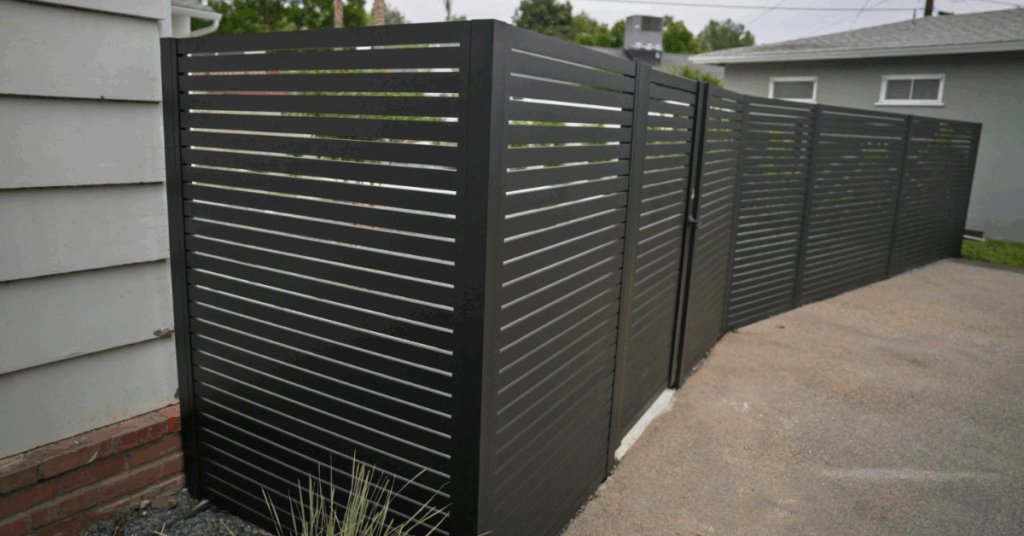
Zone 0 Approved Fencing sets a high bar for fire safe perimeter systems. This guide explains non combustible aluminum options, essential specs, and code considerations for 2026 projects. Read on to learn design priorities, material choices, installation practices, and procurement tips that keep properties compliant and resilient.
Overview of Zone 0 approval
Zone 0 approval defines the strictest requirements for fences near extreme fire sources. Designers must confirm regulatory classifications before specifying systems. Focus on material non combustibility, joint detailing, anchor performance, and clearances to combustible elements. Documented test reports carry weight with authorities having jurisdiction. Use durable aluminum alloys and noncombustible infill where codes call for fire resistance. Integrate structural calculations and provide certificates for coatings and fixings. Early coordination with planners and fire officials helps avoid redesign. Keep records of product data, installation methods, and commissioning checks to accelerate permit approval and ensure the fence performs under fire exposure scenarios.
Regulatory codes and standards
Codes and standards guide every Zone 0 fence decision. Refer to applicable local building codes, fire code provisions, and industry test standards for non combustible materials. Confirm acceptance criteria for surface spread of flame, combustibility tests, and structural wind loads. When in doubt, request manufacturer test reports and third party certifications. Coordinate with your local authority to ensure design assumptions match code interpretation. For contractor selection and compliance guidance see choosing zone zero fence contractor which outlines local permit and installer considerations that reduce risk and speed approvals.
Why aluminum is ideal for non combustible fences
Aluminum alloys offer a balance of corrosion resistance, strength, and non combustibility when properly specified. They do not contribute fuel to a fire and can be finished with durable coatings for coastal or high UV exposure. Compare alloy grades and wall thicknesses to meet structural and visual goals. Consider thermal expansion allowances and compatible fasteners to avoid galvanic reaction. Aluminum also supports slim profiles for contemporary aesthetics. For a deep dive into the advantages and practical benefits see top 8 benefits of modern aluminum fences which explains longevity and maintenance benefits that influence lifecycle cost analysis.
Design considerations for non combustible systems
Designing a non combustible fence requires attention to attachments, clearances, and material interfaces. Use noncombustible posts and brackets and specify masonry or concrete footings where required. Detail vertical and horizontal gaps to limit ember ingress. Define expansion joints for long runs and accommodate grade changes with consistent rackability. When designing for fire zones include embedded foundation depths that resist uplift and thermal stress. For context on fire safe choices and local case studies see fire resistant fencing norco, fire resistant fencing palos verdes and choosing a fire safe fence in high risk fire areas. These examples illustrate tested details and real installations that inform resilient design.
Installation best practices
Correct installation secures the benefits of a non combustible aluminum system. Specify certified installers and require pre installation site verification. Protect cut edges with touch up finishes and use compatible stainless fasteners to prevent staining and corrosion. Ensure post alignment and consistent panel gaps and verify footing depths against soil reports. For slope conditions adjust rackability and maintain continuous non combustible interfaces at transitions. Inspect welds and fabricated joints for finish continuity and protective coatings. A disciplined installation reduces maintenance and preserves fire resistance. For planning and budgeting insights consult the cost guide resources that help owners estimate true installed value and lifecycle savings.
Maintenance testing and longevity
Planned maintenance sustains system performance. Schedule visual inspections and targeted tests for anchor integrity, coating adhesion, and any gasket or seal components. Clean surfaces to remove debris that can trap embers and inspect hardware for loosening. Replace damaged sections with matching non combustible components to retain system ratings. For seasonal care tips tailored to aluminum systems see seasonal maintenance tips for aluminum fences which outlines inspection intervals and simple upkeep steps to extend service life.
Design Your Ideal Fence and gates process
Design Your Ideal Fence & Gates Today frames a collaborative path from concept to installation. Begin with site analysis, define performance goals and select non combustible aluminum profiles that meet aesthetic and code requirements. The author offers design assistance, specification writing, and value engineering to reduce cost while keeping compliance. Benefits include clearer permits, shorter lead times, and fewer field revisions. Use proven details for embers, footings, and finish continuity. Request custom drawings and material schedules early. For project inspiration and local examples visit our blog to explore ideas and case studies that help refine choices and speed decisions.
Technical specifications and profiles
Specifying profiles affects durability and compliance. List alloy grade, wall thickness, corner radii, and connection methods. Call out powder coating systems, film thickness, and certification standards. Include fastener types, anchor embedment depth, and allowable tolerances. Provide shop drawing requirements and fabrication tolerances to avoid field conflict. Consider concealed fixing options for cleaner sightlines and to reduce ember traps. For coating discussion and protective finishes see what is a powder coated aluminum fence which details coating types and performance metrics you can reference in specifications.
Costs, budgeting and lifecycle value
Budget strategically by balancing initial cost with maintenance and service life. Aluminum systems often cost more than basic materials upfront but yield lower maintenance and longer useful life. Account for site access, foundation complexity, and finish upgrades when estimating. Provide owners with lifecycle models that compare replacement cycles, coating refresh, and warranty coverage. Factor in permit timelines and potential compliance upgrades that can add scope. For practical budgeting tips and regional cost benchmarks consult the installation cost guide at fence installation cost guide for homeowners 2026 to set realistic expectations and allocate contingency.
California B2B office furniture marketing integration
Cross market strategies help B2B firms in California position fencing solutions within broader commercial fitouts. Facilities teams and architects value coordinated perimeter solutions that match site furnishings and landscape architecture. Use local case studies and trade events to showcase integrated offerings. Highlight durability, compliance, and warranty terms to procurement. Provide showroom and dealer locations via maps to support customer visits. For local discovery share a clickable map: Find California showrooms and partners on Google Maps to guide B2B buyers to in person product review and specification support.
Selecting contractors and procurement tips
Choose contractors with proven non combustible aluminum experience. Ask for project references, installation photos, and evidence of code compliance on prior jobs. Require preconstruction schedules, mockup panels, and clear warranty terms. Include staged inspections in contracts and define acceptance criteria for finishes and anchor performance. For advice on vetting installers and hiring professionals see how to choose the right fence contractor which lists questions and documentation to request from bidders.
Final steps and getting started
Finalize drawings and order once specifications match code and owner goals. Lock in lead times and confirm coatings and hardware. Provide clear installation sequences to minimize site conflicts. Use preinstallation reviews and a commissioning checklist to verify anchors, panels, and gates perform as specified. For owners ready to move from design to purchase the author invites you to Design Your Ideal Fence & Gates Today where you can explore offerings, request quotes, and access design help. This step secures compliant components and streamlines project delivery while delivering lasting protection and aesthetic value.
Final words
Non combustible aluminum systems deliver compliance, durability, and low maintenance for Zone 0 environments. Clear specifications, coordinated design, and certified installation ensure fire resistant performance. Use documented test data, choose experienced contractors, and adopt lifecycle budgeting to protect value. Move from concept to procurement with staged reviews and a focused purchasing path to reduce risk and finalize a resilient perimeter solution.
Frequently Asked Questions
Zone 0 indicates the highest risk classification for fire exposure near a fence. Fences in this category require non combustible materials, tested details, and documented compliance with local fire and building codes.
Aluminum does not burn and does not add fuel to a fire. When combined with non combustible fixings and finishes, it provides a fire resistant perimeter solution that meets many code requirements.
Provide product data sheets, third party test reports, material certificates, and shop drawings. Include installation details and commissioning records to demonstrate the fence meets applicable standards.
Schedule visual inspections, clean debris from gaps, check anchor integrity, and repair damaged coatings. Replace compromised components promptly with matching non combustible parts.
Select contractors with relevant Zone 0 or fire resistant fence experience. Request references, mockups, and proof of past compliant installations. Verify warranty and inspection procedures before award.