


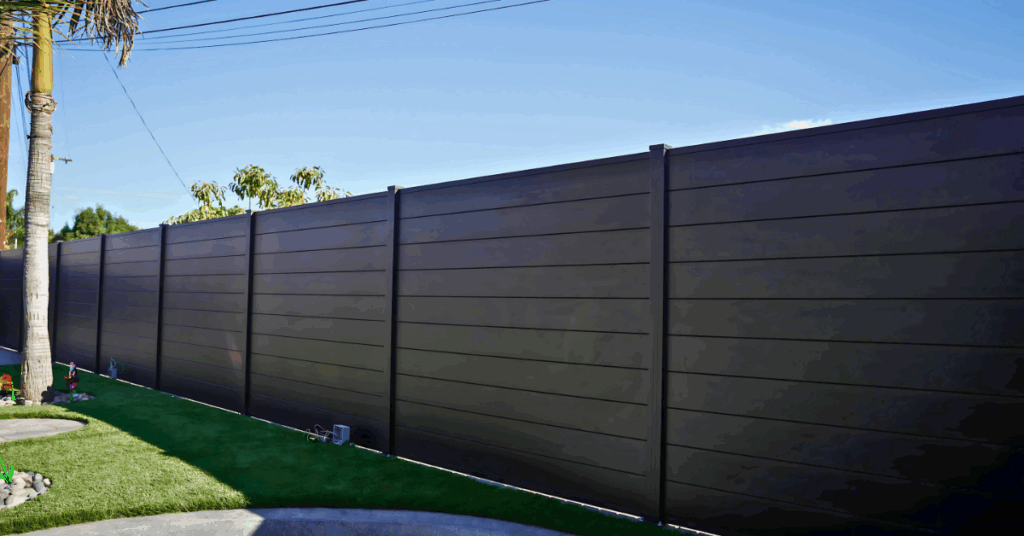
Zone 0 approved fencing uses non combustible aluminum systems to reduce ignition risk along property edges. This guide explains materials, compliance criteria, installation best practices, and maintenance strategies to build a resilient fire-smart perimeter for 2026. Learn how design choices, site prep, and professional guidance produce a fence that limits ember intrusion and supports long term safety.
Why Zone 0 Matters for Perimeters
Understanding Zone 0 starts with the role of immediate perimeter surfaces in ember exposure. Properties adjacent to wildland fuels need fences that do not ignite, warp or shed burning debris. Aluminum systems provide a continuous, non combustible barrier that resists ember attack and radiant heat. Design for zero gaps, durable anchoring and non combustible footings. Embed clearance strategies around vegetation and maintain a defensible space so the fence supports the larger site fire plan. For deeper rules and local examples see Zone 0 approved fencing.
Material Science Behind Aluminum Systems
Material choices define long term safety. Architectural grade aluminum alloys resist corrosion and will not burn or generate embers. Controlled profiles and powder coated finishes improve longevity and thermal performance. Choose extrusions with reinforced rails and welded or mechanical splice systems for structural stability under heat and wind. Pay attention to fasteners and post sleeves; non combustible stainless steel anchors and concrete footings reduce weak points. Match finish systems to coastal or high humidity sites to avoid coating failure. For technical guidance on non combustible aluminum systems refer to non combustible aluminum systems.
Compliance and Code Considerations
Meeting Zone 0 approvals requires documentation. Confirm local fire authority acceptance of materials, fastening details, and finish systems. Maintain labeled product data sheets and test certifications for non combustible classification. Include setbacks, height limits and gate requirements in permit drawings. Document connection details that prevent ember traps and show fire separation around posts and gates. Coordinate with building and fire officials early to avoid rework. Use control joint designs and non combustible fillers at transitions. For installation standards and recommended assemblies review Zone 0 aluminum systems guide.
Site Prep and Foundation Best Practices
Proper site preparation anchors long term performance. Begin with clearing combustible debris and establishing an immediate low fuel zone. Use concrete footings and stainless steel anchors to avoid post movement under thermal cycling. Specify non combustible backer materials where panels meet masonry or timber. Grade the site to divert water and prevent erosion near posts. During prep, preserve defensible landscape buffers and routes for emergency access. After installation, document footing depths and anchor types for code records. Seasonal maintenance matters; review seasonal maintenance tips for aluminum fences to keep foundations performing.
Design for Ember Resistance and Venting
Design reduces ember catch points. Avoid horizontal ledges and narrow cavities that collect debris. Use slatted or vertical picket patterns that allow venting while blocking ember entry. Seal gaps where gates meet posts and apply non combustible gasketing at critical seams. Consider integrated mesh screens behind decorative slats to stop small embers. Balance aesthetics with function by choosing slim profiles that do not trap leaves or pine needles. Test mockups of junctions and gate returns to verify ember shedding. For design benefits and aesthetic ideas see top benefits of modern aluminum fences.
Budgeting and Lifecycle Cost Analysis
Estimate total cost, not just upfront price. Include materials, engineered footings, professional installation, coatings and expected maintenance. Aluminum often shows a higher initial cost than wood, but lower maintenance and longer life reduce lifecycle cost. Factor in warranty terms and expected recoating intervals. Account for permit, inspection and potential landscape remediation costs. Compare bids on assemblies and documented compliance rather than unit price alone. Establish maintenance budgets for inspections and debris removal. For homeowner budgeting guidance consult fence installation cost guide for homeowners 2026.
Tailored Design With Professional Support
Design Your Ideal Fence & Gates Today by aligning performance goals with site constraints. Work with an experienced designer to set sightlines, privacy needs and ember defenses. Choose panel heights, gate styles and finish colors that match architecture while meeting Zone 0 standards. A professional can produce shop drawings, material lists and permit ready packages to shorten lead times. The offer emphasizes custom solutions, clear timelines and warranty backed assemblies to solve compliance and aesthetic needs. For material selection advice reference choosing the right fence material.
Customization Options and Material Pairings
Customize for style and function. Combine solid aluminum panels with open sections to balance privacy and airflow. Use powder coat finishes for color stability and select non combustible caps or coping at transitions. Integrate automation hardware in the design phase for future gate electrification. Consider composite trims in non critical locations only when they do not compromise Zone 0 classification. Evaluate acoustic and visual screening solutions to match neighborhood needs. Explore modular kits and bespoke details to control cost and schedule. For creative aluminum applications and kit ideas visit innovative aluminum fencing ideas.
Ordering Process Lead Times and Quality Control
Plan for production and inspection milestones. Confirm lead times for custom extrusions, powder coating and hardware. Require shop drawings for approval before fabrication and request finish samples when color matters. Establish quality checkpoints for welds, fasteners and coating adhesion. Schedule on site pre construction meetings to verify layout and footing locations. Track documentation needed for permits and final inspections. Choose a contractor who provides clear schedules, warranty paperwork and maintenance instructions. For contractor selection criteria and vetting tips see how to choose the right fence contractor.
Marketing Office Furniture Buyers in California
Position your B2B offer around resilience and design. For suppliers selling into California offices, emphasize non combustible elements, ergonomic design and sustainable finishes. Tailor messaging to facility managers and architects who prioritize code compliance and long term cost savings. Provide case studies and return on investment tables. Use local presence as a differentiator and offer site surveys. Include a clickable map to show regional service reach: California service area on Google Maps. Also link to content that helps show business protection context: how commercial fencing enhances business protection.
B2B Lead Generation and Content Strategy
Create content that converts. Produce targeted resources for procurement teams, safety managers and architects. Offer downloadable spec sheets, case studies and checklists that show code conformance and maintenance plans. Use localized SEO and geo targeted campaigns to reach California buyers. Provide a clear path from inquiry to site survey and proposal. Maintain a visible Google Maps presence to increase trust and local search ranking: view our California location. Pair content with demonstration projects and testimonials for credibility. For security and performance framing see what is the optimal fence for security.
Sales Operations Workflow and Local Fulfillment
Efficient operations win repeat B2B deals. Streamline quoting, design approvals and inventory controls. Offer configurable assemblies and regional stock to shorten lead times. Coordinate installation teams and post install inspections to maintain quality. Provide clear warranty claims pathways and preventative maintenance programs. Highlight local service by linking to your office on maps so buyers can confirm regional capability: check our California location. Guide buyers from specification to installation and include the option to order parts and accessories online to reduce downtime. For contractor hiring and professional benefits refer to why hiring professional fence builders saves time money stress.
Final words
A Zone 0 approach focuses on non combustible aluminum systems, careful detailing, and regular maintenance to minimize fire exposure. Selecting compliant materials and a skilled installer reduces risk and lifecycle cost. Use thoughtful design, routine inspection, and professional support to create a durable, low maintenance perimeter that aligns with local codes and enhances site resilience.
Frequently Asked Questions
Zone 0 refers to the critical 0–5 foot area immediately surrounding your home’s exterior walls, decks, and attached structures. California’s Assembly Bill 3074 mandates that this zone use only non-combustible or ignition-resistant materials, because wind-blown embers — responsible for up to 90% of home ignitions most often land and ignite within this immediate perimeter. A combustible wood or vinyl fence within this zone acts as a direct fuel pathway to your home, making a non-combustible aluminum system the code-aligned replacement.
Yes, aluminum fencing is rated non-combustible and is fully compliant with Zone 0 requirements when the correct alloys, powder-coat finishes, and non-combustible fasteners are used. Unlike wood, which is prohibited, or vinyl, which melts and fails ASTM testing, architectural-grade aluminum does not ignite, generate embers, or warp under radiant heat exposure.
In many cases, only the section of fence within five feet of the structure needs to be replaced with non-combustible materials. California’s draft Zone 0 regulation applies that standard to the immediate attachment point where a fence meets the building making it possible for homeowners to retrofit a 5-foot aluminum or steel section rather than replacing the full fence line. However, local fire authority requirements may vary, so confirming with your building or fire official before any partial replacement is essential.
California’s Zone 0 regulations are expected to be finalized in 2026, with enforcement for existing structures anticipated to begin as early as February 2027 in some jurisdictions. Both new and existing structures must meet the same ember-resistant standard under SB 504 (2024), with a three-year compliance window for existing properties after finalization. New construction in State Responsibility Areas and Very High Fire Hazard Severity Zones faces immediate compliance requirements once rules are adopted.
Effective Zone 0 aluminum fence design eliminates ember catch points by using vertical picket or slatted profiles rather than horizontal ledges, and by sealing gaps at gate-to-post junctions with non-combustible gasketing. Concrete footings and stainless steel anchors prevent post movement under thermal cycling, while continuous attachment methods eliminate combustible fillers that could become ignition points. Regular maintenance clearing vegetation and debris from the base and inspecting for degraded coatings or gaps is equally critical to sustaining non-combustible performance season to season.