
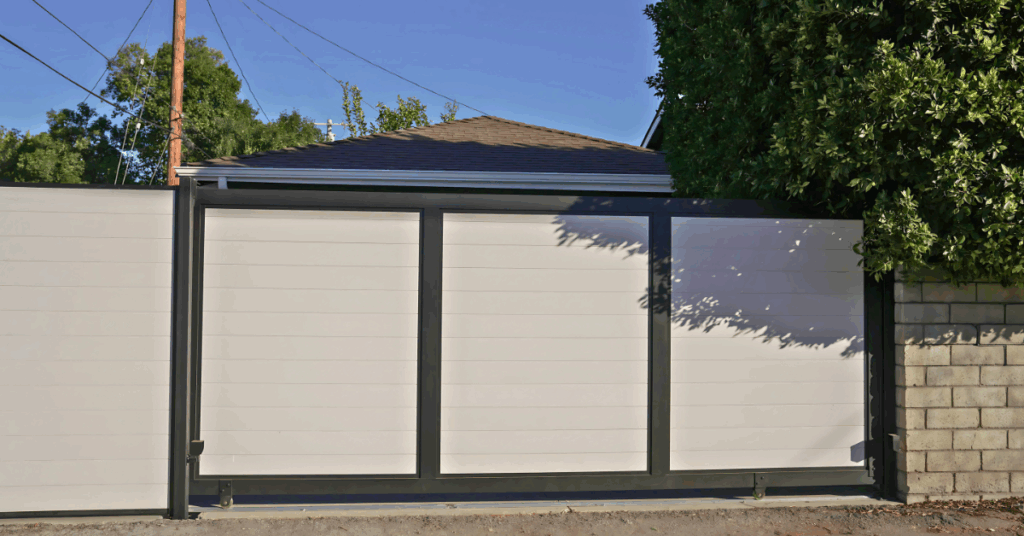
Zone 0 home hardening focuses on exterior features that reduce wildfire ignition risk. Aluminum privacy gates combine non combustible performance with privacy and low maintenance. This guide explains compliant materials, installation practices, design trade offs, maintenance and procurement steps so homeowners and professionals can choose secure, code friendly privacy gates that perform in 2026 and beyond.
Why aluminum gates matter for Zone 0
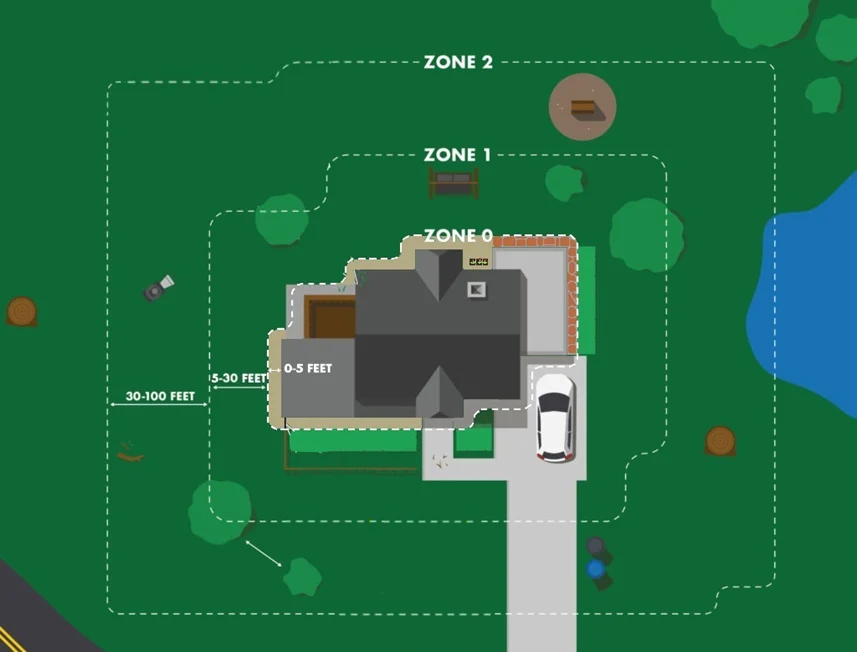
Aluminum privacy gates matter for Zone 0 because they do not burn, they resist corrosion and they retain structural integrity near high heat. Home hardening demands non combustible surfaces close to structures. Aluminum offers lightweight strength and can be engineered into solid privacy panels or ventilated designs. Consider thermal bridging, connection points and the surrounding landscape when specifying gates. Review local Zone 0 guidance and test reports. For a focused overview of home hardening with aluminum systems read Zone 0 home hardening aluminum to align material choices with code driven safety goals.
Codes materials and compliance for Zone 0
Meeting Zone 0 requirements relies on approved systems and documented material performance. Confirm non combustible ratings and accepted assemblies before ordering.
- Check local code for permitted aluminum systems
- Specify powder coat or anodized finishes that resist heat damage
- Design gaps and vents per ember protection guidance
Consult manufacturer data and insurance guidance. Examples of compliant systems and technical notes are available at Zone 0 approved fencing aluminum systems, comparative performance of non combustible aluminum builds at Zone 0 aluminum non combustible systems, and California specific approvals at Zone 0 approved fencing systems California.
Design options that protect and preserve privacy
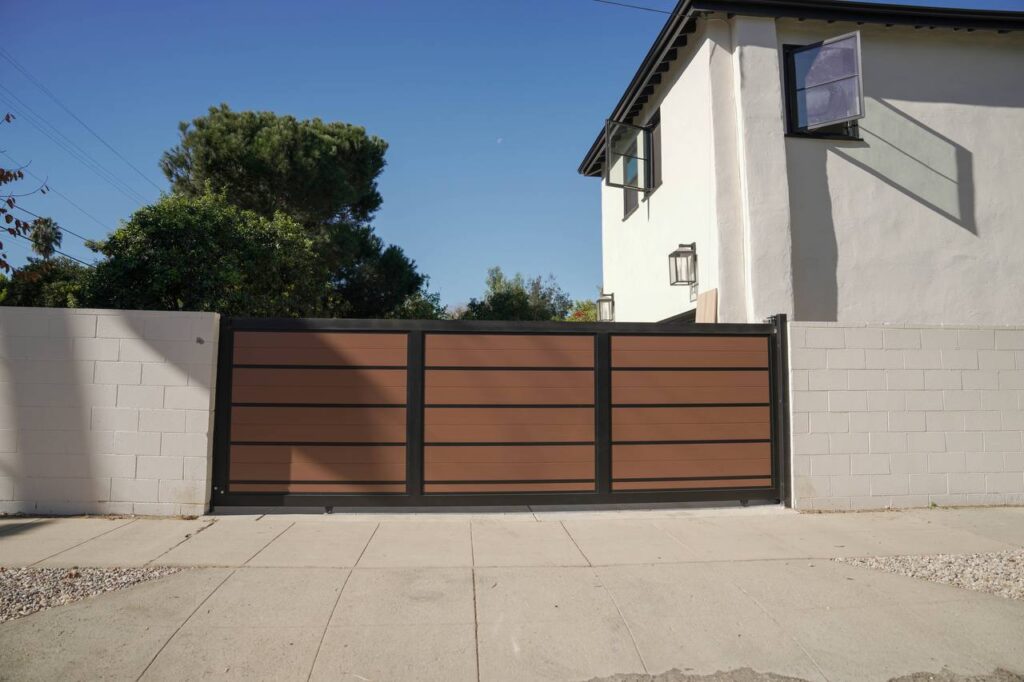
Design choices determine privacy, airflow and ember resistance. Solid panels maximize privacy but can trap heat. Slatted or staggered profiles allow airflow and reduce wind loading. Use durable profiles with concealed fasteners to limit crevices that collect embers. Consider color, texture and spacing to match architecture while meeting safety. When crafting a custom solution, follow a proven design process: measure, select profile, choose finish and confirm hardware. For gate styling and coordinating components explore Selecting your perfect gate and incorporate the benefits of design services to create effective, attractive privacy gates.
Applying hardening principles to commercial office landscapes
Commercial and B2B contexts require scalable hardening strategies for campuses and office parks. Specify non combustible boundary gates, vehicle access points and pedestrian barriers that integrate with site security. Focus on longevity, warranty terms and low maintenance to minimize lifecycle cost. Use robust mounting and redundant hardware for heavy use. For marketing teams, emphasize operational continuity and asset protection when proposing non combustible gates to facility managers. Map based site selection helps sales teams target prospects. See location insights on California office and site mapping to align outreach and install planning.
Hardware hinges latches and hardening details
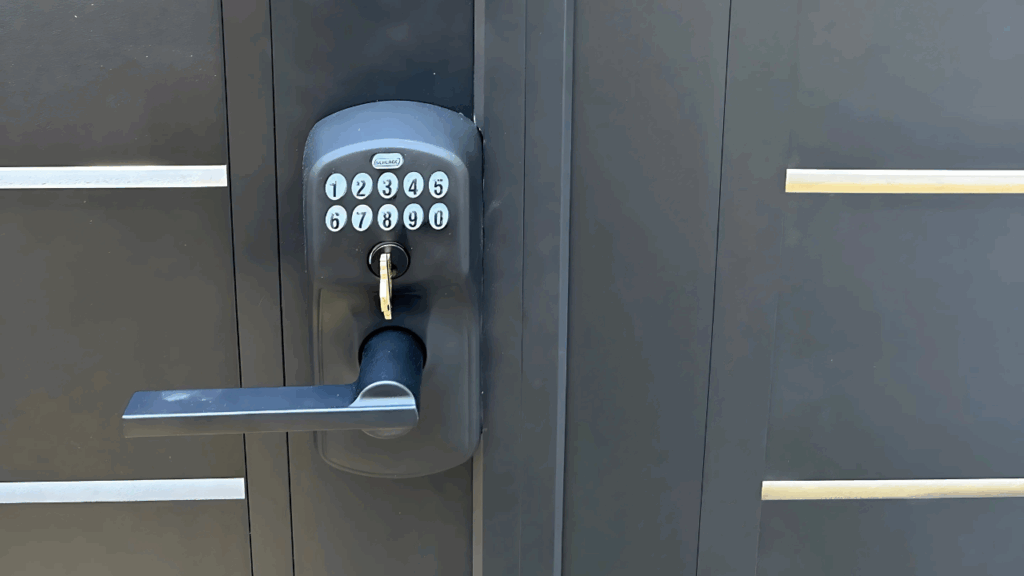
Hardware selection influences gate performance in high heat and embers. Choose corrosion resistant hinges and latches rated for heavy duty and hardening applications. Use continuous hinges or reinforced pivot assemblies to reduce failure risk. Specify stainless or treated steel fasteners with thermal break considerations. Ensure latches lock securely yet release under thermal expansion. Design mounting plates and post connections to prevent gap formation after heat exposure. For hands on technical guidance and recommended hardening hardware, review Zone 0 aluminum gates hardening hardware to match components to performance expectations.
Privacy panel choices and visual strategies
Privacy panel systems come in many forms: full faced panels, slat assemblies, and composite faced frames. Decide whether you need full opacity or partial screening to support airflow. Use vertical or horizontal slats for different architectural effects. Consider integrated acoustic or plantable panel options for urban edges. Select panels that attach securely to rails and posts with minimal exposed gaps. Evaluate finishes to reduce heat absorption. For comparative analysis of privacy panel types and trade offs see the discussion on Slat vs TG privacy panels to pick an effective profile for your site and climate.
Site prep drainage and installation best practices
Proper installation ensures non combustible gates perform long term. Prepare post foundations to resist uplift and settlement. Grade for drainage so embers and debris do not accumulate against panels. Use through bolting or specified anchors to secure posts. Align gates for thermal expansion and check swing clearances. Seal connections where required by code and leave accessible service points for hardware maintenance. Slope transitions and retaining conditions must be handled with stepped or raked gate profiles. For hands on guidance on tricky slopes and site challenges consult How to install fence on a slope to adapt installations to uneven ground.
Coatings finishes and corrosion protection
Finish selection affects durability and heat behavior. Powder coated finishes provide UV and abrasion resistance. Anodized surfaces offer added corrosion protection in coastal or humid zones. Avoid organic coatings that can char at extreme temperatures near structure exposures. Use finishes compatible with warranty requirements and maintenance plans. Choose lighter colors to reduce heat absorption when near combustible cladding. Confirm that the finish process does not hide joint defects or hamper fire ratings. For seasonal care and to sustain aesthetics see maintenance guidance and finish choices at How to maintain aluminum gates and plan maintenance cycles accordingly.
Maintenance schedules to protect performance
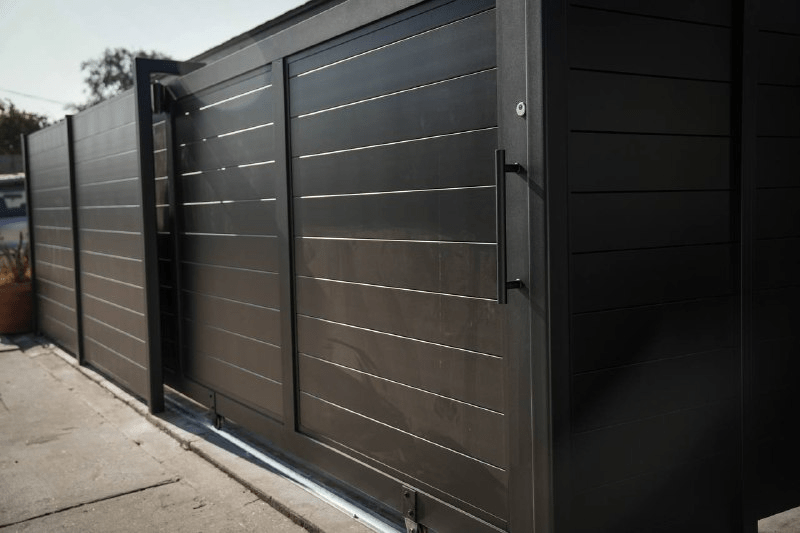
Scheduled maintenance keeps gates reliable and preserves non combustible behavior. Inspect hinges, fasteners and seals at least twice yearly. Clean profiles to remove ash, salt or debris that can trap moisture. Reapply protective finishes only per manufacturer instructions. Lubricate mechanical parts with high temperature rated products and replace damaged hardware immediately. Keep vegetation trimmed away from panels and posts to prevent ember catchment. Document maintenance for insurance and code verification. For practical tips and a maintenance checklist tailored to aluminum gates see How to maintain aluminum gates to extend service life and protect safety investments.
Insurance approval and documentation tips
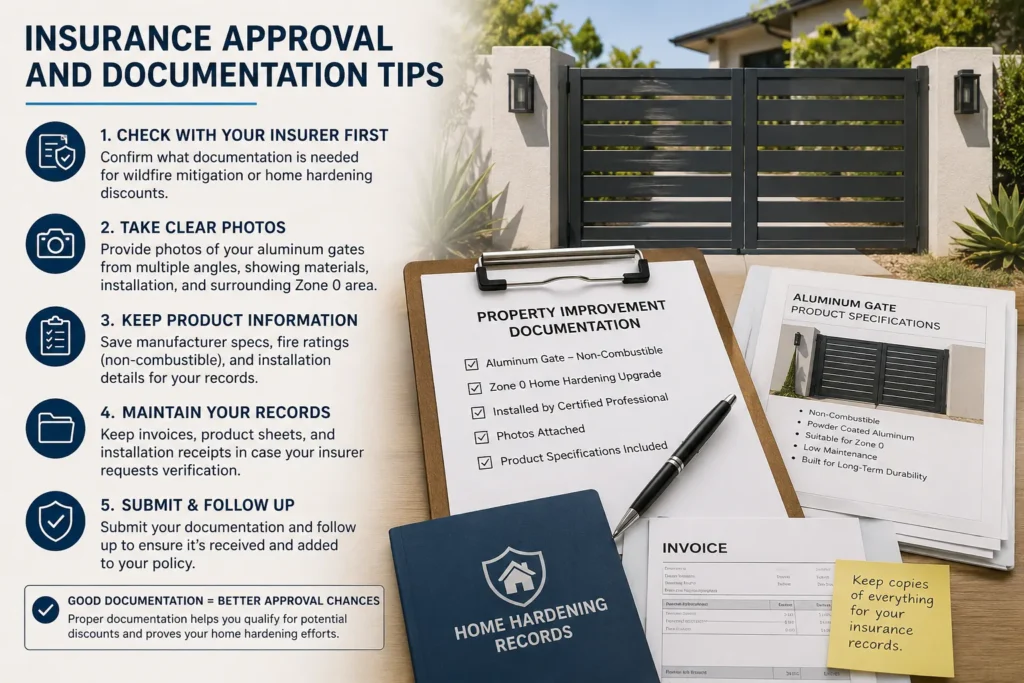
Insurance and approvals often require documented compliance and manufacturer test data. Keep product data sheets, finish information and installation photos. Provide stamped plans for high risk areas and confirm contractor qualifications. Work with insurers to clarify what constitutes an approved non combustible gate assembly for premium considerations. Include warranty terms and maintenance commitments in your submission. When you need examples of insurance accepted systems and documentation expectations consult Insurance approved aluminum fence and gate systems to streamline approvals and minimize underwriting surprises.
Budgeting cost and long term value
Cost planning balances initial price and long term savings. Aluminum gates cost more than simple wood panels but deliver low maintenance and non combustible performance. Factor in hardware quality, foundation work and finish options. Account for warranty periods and future maintenance needs when comparing bids. Consider lifecycle analysis: less repainting, lower replacement risk and potential insurance savings can offset higher upfront investment. For realistic budgeting and examples consult the cost guide at Fence installation cost guide for homeowners 2026 to align scope with expected returns and risk reduction.
| Budget Factor | What to Compare | Typical Cost Impact | Long-Term Value |
|---|---|---|---|
| Material Choice Aluminum vs. wood or vinyl | Wood may cost less upfront, but aluminum provides non-combustible performance, better dimensional stability, and lower maintenance. | Medium to high upfront investment depending on size, profile thickness, privacy style, and finish. | Less repainting, no rot, no termite damage, and better fit for wildfire-conscious Zone 0 upgrades. |
| Gate Hardware Hinges, posts, locks, automation | Look beyond the gate panel. Heavy-duty hinges, reinforced posts, latches, and automation can change the final price. | Can add significantly, especially for driveway gates, large openings, or motorized systems. | Better hardware reduces sagging, service calls, misalignment, and early replacement risk. |
| Foundation Work Posts, footings, slope, demo | Check if bids include old fence removal, grading, concrete footings, post depth, wall mounts, and site preparation. | Varies by property conditions. Sloped lots, demolition, and custom footings increase labor. | A strong foundation protects the gate from movement, leaning, and operational problems. |
| Finish Quality Powder coating and color options | Ask what coating system is used, whether the aluminum is properly pretreated, and if custom colors are available. | Custom colors, wood-like finishes, and premium coating systems can increase price. | A better finish helps improve corrosion resistance, color retention, and overall curb appeal. |
| Maintenance Repainting, staining, repairs | Wood often requires future staining, sealing, repainting, and replacement of damaged boards. | Lower upfront cost can become higher over time because of recurring maintenance. | Aluminum reduces ongoing maintenance and keeps the property looking cleaner for longer. |
| Insurance Documentation Home hardening records | Keep invoices, product specifications, installation photos, material details, and non-combustible documentation. | Usually low cost if organized during the project. | Documentation may help support wildfire mitigation records, insurer review, and future resale conversations. |
Note: Pricing varies by region, opening size, privacy design, hardware, automation, site preparation, and installation complexity. For accurate budgeting, compare complete installed scope, not just panel price.
Selecting a contractor procurement and timeline
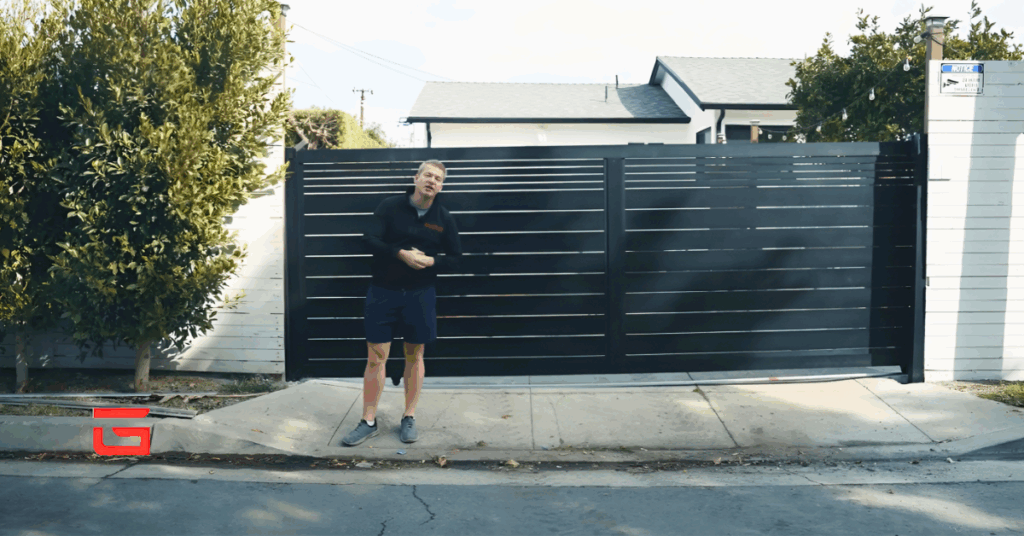
Choosing the right installer is critical. Look for experience with non combustible systems, references, and proper licenses. Review sample installations and confirm familiarity with Zone 0 documentation. Ask about permit handling, site prep, warranty execution and expected timeline. Compare bids using consistent scopes and ask for detailed line items for posts, foundations, hardware and finishes. If you need help selecting a qualified team, start with guidance on contractor selection at Choosing the right fence contractor to reduce delays and ensure code compliant delivery.
Final recommendations and next steps
Move from planning to delivery by confirming approved materials, production lead times and installation windows. Prioritize systems that balance non combustible performance with the privacy and aesthetic goals you set earlier. Verify hardware, finish and warranty details before signing. Use design support to tailor panels and gates to your property. When you are ready to build, design your ideal fence and gates today and order the components and guidance you need to complete a compliant, private, low maintenance gate solution at Design Your Ideal Fence and Gates Today shop.
Final words
Aluminum privacy gates are a durable, non combustible component of Zone 0 home hardening. They provide privacy, reduce ignition risk and require modest maintenance. Prioritize code approved materials, correct hardware selection, and professional installation to ensure performance. Use design choices to balance privacy and airflow, and budget for long term value. When ready, design your ideal fence and gates to meet safety and aesthetic goals.
Frequently Asked Questions
Aluminum gates are recommended for Zone 0 because they are non‑combustible, resist corrosion, and maintain structural integrity near high heat. They help reduce wildfire ignition risk close to structures while still providing privacy and security. Properly designed aluminum gates with compliant finishes and hardware can meet fire‑code requirements and support long‑term performance in high‑risk wildfire zones.
A compliant Zone 0 aluminum gate typically uses non‑combustible aluminum framing with powder‑coated or anodized finishes that resist heat and UV damage. The design follows ember‑protection guidance (such as limited gaps and venting per code), and components are installed using corrosion‑resistant hardware and proper thermal‑break details. Documentation such as manufacturer test reports, local code approvals, and insurance‑accepted system data should also be part of the project.
Solid privacy panels offer maximum screening but can trap heat and increase wind load, while slatted or staggered profiles improve airflow and reduce ember accumulation. Using durable profiles with concealed fasteners minimizes crevices where embers can lodge. Design choices should balance privacy, airflow, ember resistance, and color to match the building’s architecture while still complying with Zone 0 hardening requirements.
To maintain performance, inspect hinges, fasteners, and seals at least twice a year and clean profiles to remove ash, salt, or debris. Lubricate moving parts with high‑temperature rated products, replace damaged hardware promptly, and keep vegetation trimmed away from panels. Follow manufacturer instructions for reapplying finishes or coatings, and document maintenance for insurance and code verification to preserve both safety and warranty coverage.
Aluminum gates may have a higher upfront cost than basic wood fencing but typically offer lower maintenance, fewer replacements, and reduced wildfire risk, which can lead to insurance premium benefits in some areas. Properly documented, code‑compliant systems with strong warranties and professional installation increase long‑term value and resilience. When budgeting, consider not just the initial price but also hardware quality, foundations, finishes, and lifecycle savings tied to reduced servicing and replacement.
Ronnie is the CEO and Co-Founder of Globus Gates, bringing hands-on leadership and industry experience to the company’s aluminum gates, fences, patio covers, wall cladding, and exterior systems. His insights focus on helping homeowners, contractors, designers, and builders understand durable, modern, factory-direct, and non-combustible aluminum solutions built for long-term performance.