

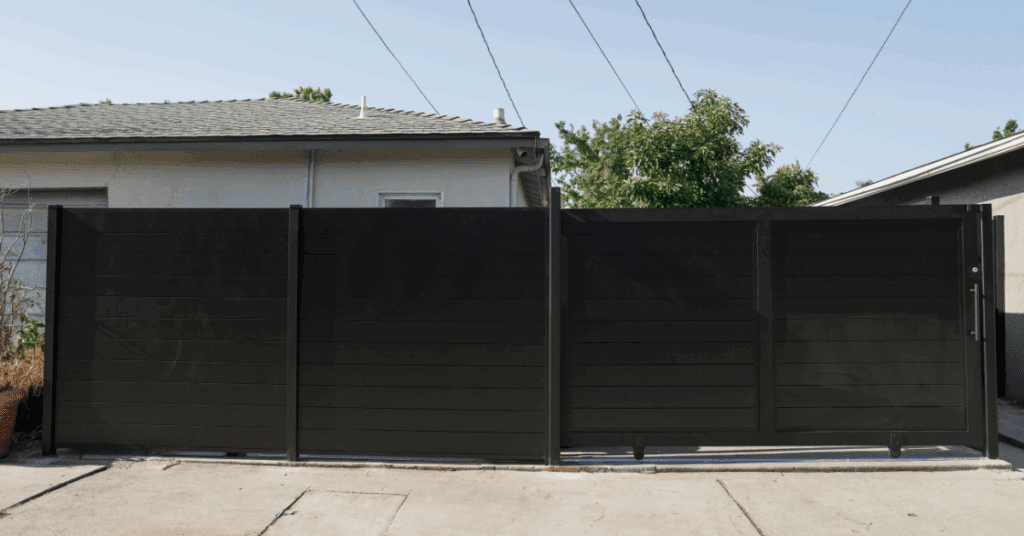
Selecting a sliding driveway gate in California involves design choices, safety features, and budget planning unique to local codes and climates. This guide breaks down materials, automation, permits, and cost ranges so homeowners and professionals can make informed, durable, and aesthetic decisions for 2026 projects.
Regulations and site assessment
Assessing code and site constraints helps avoid delays and extra costs. Start by reviewing local setback rules, sightline standards, and driveway slope limits. Evaluate ground conditions for track or cantilever systems and check for underground utilities. Measure clearances for vehicles and pedestrians. Consult municipal permitting contacts early. For guidance on picking a gate suited to your property layout see choosing the perfect driveway gates for your property which covers matching gates to lot geometry and access needs.
Materials and structural choices
Materials determine longevity and maintenance. Aluminum and steel suit coastal and inland conditions differently. Wood offers warmth but needs sealing and upkeep. Composite blends deliver low maintenance with natural look. Consider frame strength, post anchoring, and gate weight for motor selection. Factor corrosion resistance for coastal sites. For material comparisons see choosing the right fence material. For benefits of low maintenance metal options consult why aluminum gates are the best choice. If you plan DIY, review what is the easiest fence to install yourself for realistic expectations.
Automation options and safety systems
Automation increases convenience and safety when specified correctly. Choose motors sized for gate weight, with thermal protection and soft start stop features. Integrate reversing sensors, photo eyes, and edge sensors to meet safety standards. Plan for emergency release access in power loss. Add keypad or smart access with encryption for secure remote entry. Ensure wiring paths allow future upgrades. For ideas on integrating security with convenience see smart security and convenience. Use Design Your Ideal Fence & Gates Today! thinking to balance automation, aesthetics, and lifecycle costs.
B2B office furniture marketing California map
Market positioning for office suppliers in California benefits from mapping service areas and client clusters. Use local search and presence on maps to attract facility managers and designers. Create value propositions highlighting durable hardware and fast local installation. Offer commercial-grade warranties and easy procurement terms for property managers. List offices, showrooms, and distribution hubs on a clickable map to build trust. Example search results and location discovery for regional buyers appear at office furniture California on Google Maps, which illustrates how buyers find suppliers.
Design styles and curb appeal
Gate style sets the first impression. Choose lines and finishes that complement home architecture. Modern homes favor slim profiles and negative space. Traditional properties often suit ornamental patterns and heavier silhouettes. Color selection affects perceived scale; darker tones recede while lighter tones stand out. Consider slat spacing for privacy versus visibility. Combine materials like metal with timber accents for layered texture. For modern gate ideas and aesthetic arrangements see modern gate fence designs silver creek valley. Design Your Ideal Fence & Gates Today! offers tailored guidance to achieve cohesive curb appeal.
Budgeting and realistic cost ranges
Plan budgets around materials, automation, and site work. Simple manual sliding gates start lower, while heavy custom gates and robust automation add cost. Factor foundation work, posts, electrical runs, and permitting fees. Add budget cushions for unexpected soil or access issues. Compare multiple quotes and request detailed line items. Consider lifecycle costs like coatings and motor maintenance. For a thorough cost planning resource see fence installation cost guide for homeowners 2026 to set realistic expectations and staging of investment.
Choosing a contractor and installation steps
Pick a contractor who documents scope and schedule. Verify licensing, insurance, and local references. Ask for site-specific drawings and a clear foundation plan. Confirm electrical work by licensed electricians and request written warranty terms. Expect excavation, concrete footings, gate rail or cantilever foundations, motor mounting, and final programming. Insist on safety testing and demonstration of emergency release. For contractor selection tips and interview questions consult step by step fence and gate installation process explained by contractors.
Maintenance schedules and seasonal care
Regular maintenance extends gate life. Set a seasonal checklist for inspection and lubrication. Clean tracks and remove debris, check anchors and welds, and test safety sensors monthly. Repaint or recoat exposed metal every few years depending on exposure. Replace worn rollers and weatherstrip promptly. Keep motor vents clear and service the gearbox per manufacturer intervals. For specific upkeep actions and cleaning guides see how to maintain aluminum gates. Design Your Ideal Fence & Gates Today! guides preventive plans that lower lifetime costs.
Coastal and weather resistant solutions
Coastal climates require corrosion resistant systems. Use marine grade fasteners, powder coated aluminum, and stainless steel hardware. Specify sacrificial anodes or protective coatings where salt spray is frequent. Design drainage and avoid water traps in posts and track channels. Consider ventilated motor enclosures and corrosion rated wiring terminations. For strategies tailored to coastal properties see coastal gates for durable home protection. Implementing these measures reduces repair cycles and preserves appearance.
Security, sensors and access control planning
Security is a system not a single item. Integrate intercoms, cameras and access logs with gate controls. Place photo eyes to prevent closing on vehicles and pedestrians. Use fail safe modes that comply with local safety codes. Analyze threat vectors and plan perimeter fencing to complement gate function. Power backup and manual override preserve access during outages. For the security benefits of electric access systems see the security benefits of electric gates. Design Your Ideal Fence & Gates Today! helps balance security with user convenience.
Permits, HOA and compliance guidance
Permits and association rules shape final design. Start early with permit submittals and HOA approvals. Submit plans showing setbacks, electrical details, and safety features. Be prepared to revise visual samples for neighborhood guidelines. Keep copies of approvals in project files. Understand inspection checkpoints and final sign offs. For contractor selection and permit related advice see choosing the right fence contractor which explains managing approvals and expectations with associations.
Planning checklist and next steps
Use a step checklist to move from idea to installation. Confirm site measurements, pick materials, size the motor, obtain permits, and schedule qualified installation. Include safety sensor selection, access control plan, and a maintenance schedule before signing contracts. Budget contingencies and timeline buffers for inspections. When you are ready to select components or begin a project visit advantages of having an automatic gate for operational benefits. Ready to design and order parts? Start your project with Design Your Ideal Fence & Gates Today! and complete purchases at https://globusgates.com/shop/.
Final words
A well chosen sliding driveway gate balances aesthetics, safety, and cost. Assess site constraints, pick durable materials, and specify safety systems that meet code. Budget realistically and hire qualified contractors for smooth install and long term performance. Use a checklist to coordinate permits, automation, and maintenance. When ready, leverage Design Your Ideal Fence & Gates Today! to plan systems and sources before ordering and installing your gate.
Frequently Asked Questions
Costs vary widely. Expect a baseline range for simple gates, with custom materials and automation adding significant cost. Site work, permits, and electrical runs affect the final price. Use detailed quotes and the cost guide to create realistic budgets.
Essential features include reversing sensors, photo eyes, edge detection, emergency releases, and proper signage. Motors should offer soft start stop and thermal protection. Certified safety devices ensure compliance with local standards.
Often yes if the frame and posts are sound and the gate weight suits available motors. Retrofits may need foundation or roller upgrades. A professional assessment ensures safe automation and proper motor sizing.
Most municipalities require permits and inspections. HOA rules may also apply. Submitting plans early prevents delays. Verify local codes for electrical and safety requirements before starting.
Powder coated aluminum and stainless steel hardware resist salt corrosion best. Proper coatings, sacrificial protection, and regular maintenance extend service life in coastal environments.

Ronnie is the CEO and Co-Founder of Globus Gates, bringing hands-on leadership and industry experience to the company’s aluminum gates, fences, patio covers, wall cladding, and exterior systems. His insights focus on helping homeowners, contractors, designers, and builders understand durable, modern, factory-direct, and non-combustible aluminum solutions built for long-term performance.