

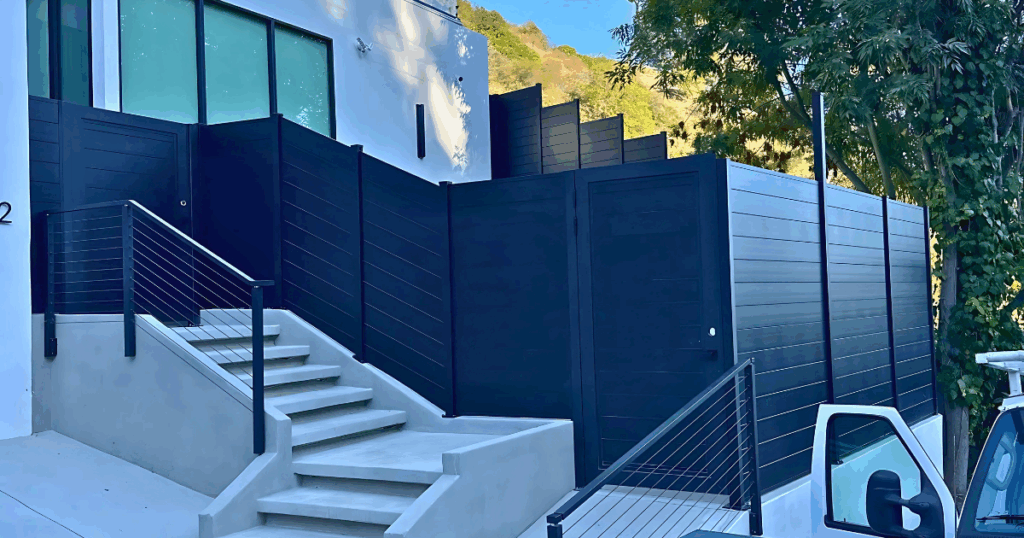
Zone 0 approvals set the highest standard for fire safe perimeter systems. This guide explains non combustible aluminum properties, code compliance, installation practices, and cost to help specifiers, contractors, and property managers choose resilient fencing solutions for 2026 and beyond.
Understanding Zone 0 Approval
What Zone 0 approval means and why it matters for external fencing. Zone 0 denotes the most restrictive fire exposure classification for materials used near ignition sources. Aluminum systems can meet this classification when specified and tested as non combustible assemblies. Key considerations include documented testing, material composition, and installation details. Specifiers must verify certificates and test reports before procurement. Field verification at install confirms the product remains compliant after cutting or welding. For practical guidance on installers and local qualifications see zone zero fence installer guidance which outlines contractor selection and verification steps.
Material Properties of Non Combustible Aluminum
Why aluminum meets non combustible needs when properly engineered. Aluminum alloys have a high melting point and do not contribute fuel to a fire. Coatings and accessory materials must also be non combustible to preserve classification. Pay attention to fasteners, brackets, and infill materials. Testing and certification must address the full assembly. Compare performance benefits like corrosion resistance and low weight. For deeper benefits and regional performance see aluminum fence benefits, read practical selection notes in why aluminum gates are chosen, and review coastal durability in salt resistant aluminum fences.
Design and Aesthetics for Zone 0 Fencing
Balancing safety and curb appeal is essential. Aluminum systems allow slim profiles, custom slat spacing, and powder coated finishes that complement architecture. Choose profiles that maintain structural integrity while reducing wind loads. Integrate visual screening and privacy without adding combustible elements. Use attachment details that preserve the non combustible classification when joining to gates, posts, and walls. Consider sightlines and landscape features to keep both function and style. For inspiration on layout and modern styling that pairs well with non combustible systems, consult modern yard fence ideas and apply those approaches to Zone 0 compatible aluminum.
Structural Engineering and Load Considerations
Ensure structural adequacy under wind and seismic loads while keeping the system non combustible. Engineers must specify post embedment depth, concrete footing size, and connection details for the chosen profile. Use finite element thinking for long spans and heavy infill panels. Verify deflection limits to avoid premature fastening failure. Provide anchorage details that allow thermal expansion without compromising finishes. Consider rackability for sloped sites to maintain continuous protection. For technical discussion on slope adaptation and material handling see what rackability means in fencing which helps when designing for uneven terrain.
Installation Best Practices for Zone 0 Systems
Field installation dictates final compliance. Confirm material certificates on arrival and store components off the ground to avoid contamination. Cut and drill only where specified and protect exposed edges with approved sealants. Install posts in concrete footings sized to local code and soil type. Fasteners should be stainless or specified alloy to prevent corrosion. Check alignment and panel gaps continuously during install to ensure consistent finish and functional clearances. For regional installation practices and contractor considerations reference aluminum fence installation in California which outlines local code interactions and installer best practices.
Compliance Documentation and Testing
Assemble clear documentation to support approvals. Required records typically include laboratory test reports, material safety data, technical data sheets, and installation instructions. Keep shop drawings that detail connections and finish specifications. Field testing of mockups can demonstrate expected performance. Engage code officials early and provide assembly test evidence. If modifications occur on site, update documentation and retain photographs. Choosing an installer with a track record of permitting helps streamline approval. For contractor selection strategies consult guidance on choosing zone zero contractors to reduce approval risk and ensure regulatory compliance.
Maintenance Strategies and Longevity
Aluminum systems deliver low maintenance life cycles when properly finished. Regular rinse cycles remove salt and pollutants. Inspect fasteners and joints annually and replace damaged sealants. Avoid incompatible cleaners that could damage coatings. Address mechanical damage promptly to prevent exposure of bare metal. Document service intervals and warranties to track life cycle performance. Plan for finish refurbishment based on environmental exposure to extend the expected service life. For seasonal service steps and practical care instructions see seasonal maintenance tips and gate maintenance guidance for component level care.
Costing Analysis and Lifecycle Value
Compare initial cost to lifecycle value. Aluminum systems often cost more upfront than some options, but they deliver lower maintenance, longer life, and reduced replacement risk. Include costs for foundations, hardware, labor, finishes, and compliance documentation. Model lifecycle costs over 20 to 30 years and include periodic maintenance and finish renewal. Account for avoided losses from fire exposure when specifying Zone 0 rated systems. Use value driven procurement to justify premium materials. For budgeting help and homeowner focused cost outlines see fence installation cost guide 2026 which provides a framework for cost comparisons and ROI calculations.
Customization Profiles Finishes and Accessories
Tailor profiles and finishes to project needs. Options include narrow slats, privacy panels, and ornamental trims. Powder coating offers durable color retention and aesthetic flexibility. Specify non combustible accessory materials to preserve classification. Choose hardware finishes that match coatings and meet corrosion resistance requirements. Consider integrated screening, lighting, and security hardware without introducing combustibles. Coordinate finishes between gates and fence panels for cohesive presentation. For detailed context on finishing choices and protective cladding options see powder coat benefits and features to guide finish selection.
Case Studies and Performance in High Risk Areas
Learn from real world deployments in high fire risk communities. Documented projects reveal practical choices about spacing, footing design, and finish selection. Analyze how assemblies behaved under weather stress and simulated exposure. Post project reviews highlight the importance of certified assemblies and trained installers. Use case evidence to support local approvals and to refine specifications. For examples from areas with strict fire safety demands review fire resistant fencing case notes which illustrate site specific considerations and outcomes.
Design Your Ideal Fence and Gates Today
Turn specification into a tailored install plan. Start by defining performance, aesthetic, and budget targets. Use site surveys and mockups to confirm sightlines, access, and slope handling. Request certified assembly test reports and finish warranties with any quote. Prioritize durable hardware and non combustible accessories to keep the full assembly compliant. Include a maintenance schedule in specifications to protect long term performance. For construction guidance and do it yourself framing concepts consult how to build a fence gate which provides practical tips to align custom design with installer needs. Design Your Ideal Fence & Gates Today offers planning support, specification templates, and material selection help to speed procurement.
California B2B Office Furniture Marketing and Facility Integration
Extend fencing messaging into commercial buyer channels. For B2B office clients in California, align fence and gate offerings with workplace safety and site planning. Emphasize compliance documentation and lifecycle costing in proposals. Provide case studies that show how perimeter systems integrate with site furniture and access control. Use local references and proximity to show service capability. Share installation timelines and warranty terms in bids. Include a location and contact point on proposals with a map to build trust: view our local service area on Google Maps. Tailor outreach to facility managers by offering specification packages and installation coordination.
Procurement Warranty and Next Steps
Convert specification into procurement and installation. Verify certificates, request shop drawings, and confirm lead times. Negotiate warranty language that covers finish, structural integrity, and hardware. Schedule milestone inspections and require as built documentation. Prepare a simple maintenance plan for handover. When ready to order, review available profiles, finishes, and delivery schedules. For purchasing and product selection visit the shop to choose components and place an order that meets your Zone 0 requirements: purchase fence and gate components. This call to action links you directly to configurable options, specification assistance, and customer support.
Final words
Zone 0 approved, non combustible aluminum fencing delivers fire resilience, low maintenance, and strong lifecycle value. When you specify the right profile, finish, and installer, you get reliable protection and appealing design. Use the guidance here to compare options, document compliance, and plan installation for long term performance.
Frequently Asked Questions
Aluminum often costs more initially than some options, but offers lower maintenance and longer service life. Modeling 20 to 30 year costs often shows favorable lifecycle value when factoring maintenance, replacement, and risk reduction.
A non combustible aluminum fence is an assembly where all exposed materials do not contribute fuel to a fire and where test evidence shows the assembly meets the classification. That includes aluminum profiles, coatings, fasteners, and accessory materials that are tested as an assembly.
Many jurisdictions require documented test reports and assembly details for Zone 0 installations. Engage local code officials early, submit required documentation, and use an installer familiar with local permitting to avoid delays.
Inspect annually for damaged coatings, loose fasteners, and sealant failures. Clean surfaces periodically to remove salts and pollutants. Address mechanical damage promptly to preserve corrosion protection.
Yes. Customize profiles, spacing, and finishes, but ensure all accessory materials and finishes are non combustible and are included in assembly documentation and testing to retain classification.
Ronnie is the CEO and Co-Founder of Globus Gates, bringing hands-on leadership and industry experience to the company’s aluminum gates, fences, patio covers, wall cladding, and exterior systems. His insights focus on helping homeowners, contractors, designers, and builders understand durable, modern, factory-direct, and non-combustible aluminum solutions built for long-term performance.