
Aluminum fence and gate systems that meet insurance standards can reduce property risk and lower premiums. This guide walks through before and after scenarios, compliance checkpoints, installation details, and maintenance steps that reinforce safety while preserving curb appeal and function.
Why Insurance Approval Matters
Insurance approval signals that a fence and gate system meets safety and risk mitigation standards. Insurers review materials, installation practices, and documentation when assessing coverage. Choosing certified components reduces the chance of claim denials after an incident. Focus on non combustible profiles, tested hardware, and professional installation. Maintain records of purchase, installation, and inspections. These actions support premium reviews and speed claims handling. For deeper guidance on accepted systems see insurance approved aluminum fence and gate systems, which outlines common insurer requirements and certification checkpoints.
Non Combustible Gate Essentials
Non combustible gates reduce ignition sources at property perimeters. Select materials and infill that resist heat and flame. Pay attention to gaps that allow ember entry and choose slat patterns that meet local codes. Proper mounting and hardware reduce failure during fire exposure. Consult zone specific guidance and approved system lists. Key references include zone 0 approved fencing, non combustible aluminum systems, and slat system details. Use these to verify materials and achieve compliance in high risk areas.
Planning Before Installation
Pre installation planning sets performance expectations and avoids costly changes later. Start with a site survey to note slopes, vegetation, and access points. Confirm local setback and fire code requirements. Create a simple design brief that captures security goals and aesthetic constraints. Consider how gate swing, automation, and drainage affect compliance and maintenance. If you want practical construction steps see how to build a fence gate. Documenting plans allows installers to quote accurately and insurers to assess upgrade value.
Navigating Code and Insurance Compliance
Compliance means meeting both building codes and insurer expectations. Read local regulations and request a written list of acceptable materials from your carrier. Keep product datasheets and installation photos. Verify required clearances and ember resistant specifications. When you present compliance evidence, carriers can finalize risk ratings faster. Useful documentation practices and insurer communication techniques are described at aluminum fence and gate systems insurance. This step reduces disagreements and supports premium adjustments.
Choosing the Right Aluminum Profile
Profile selection affects strength, rigidity, and ember behavior. Slim profiles offer modern looks, while heavier sections increase durability. Consider powder coat finishes for corrosion resistance and UV stability. Match rail depth and post thickness to wind and gate loads. Confirm tested fire performance and that fasteners are non combustible. For material selection advice, review choosing the right fence material. Proper specing minimizes retrofits and ensures the system remains compliant through its life cycle.
Design That Balances Safety and Style
Design should integrate safety, sightlines, and property character. Use spacing that meets security needs while allowing ember flow control. Combine vertical pickets or slats with reinforced rails to ensure resilience. A consistent finish helps maintain appearance and the perceived value of upgrades. Draw inspiration from recent trends to match architecture. See creative solutions in modern yard fence ideas. Thoughtful design reduces the urge for later modifications that can void approvals.
Hiring Qualified Installers
Installer selection directly affects compliance and longevity. Choose contractors with experience in compliant aluminum systems and ask for references. Verify licensing, insurance, and knowledge of local fire zone rules. Request an installation plan and a warranty. Confirm that excavation, post setting, and gate alignment follow manufacturer guidance. Clear expectations reduce rework and ensure the system meets insurer checks.
Installation Best Practices
Best practices focus on secure post setting, correct anchoring, and precise gate alignment. Set posts in concrete to appropriate depths for soil and wind load. Use stainless or approved hardware to avoid corrosion and maintain strength. Check swings and clearances so gates sit square when closed. Protect ventilation and drainage to stop debris buildup. Document these steps with photos and calibration notes. For seasonal preservation and routine checks see seasonal maintenance tips for aluminum fences. Accurate installation prevents early failures and supports insurer inspections.
Maintenance to Preserve Insurance Benefits
Maintenance safeguards both safety performance and insurance recognition. Inspect hardware, fastenings, and finishes annually. Remove flammable debris and maintain perimeter clearances. Replace damaged sections promptly and record repairs. Keep paint or powder coat intact to prevent surface degradation. Regular logs and dated photos make it simple to show insurers the system is maintained. If you need budgeting context and lifecycle cost insights review fence installation cost guide for homeowners 2026. Consistent care preserves value and risk reduction claims.
Before and After Case Studies
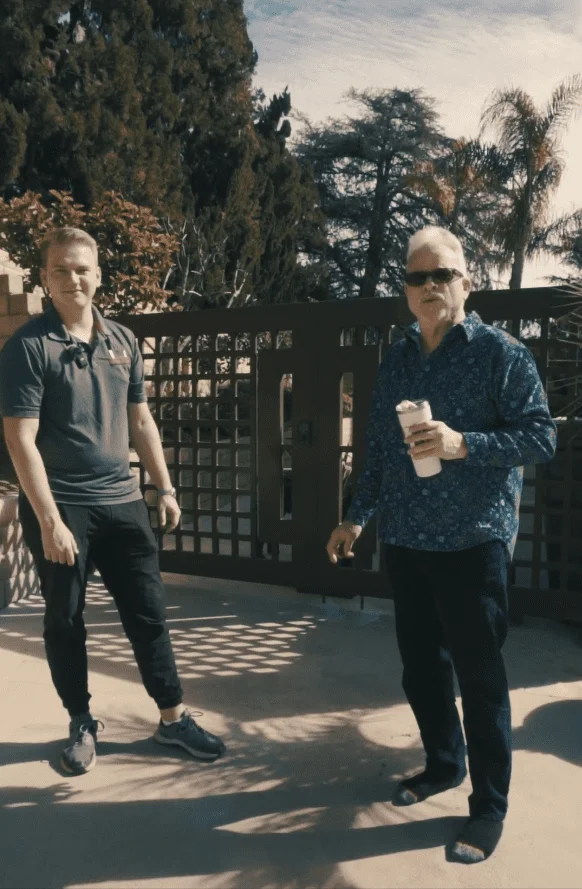
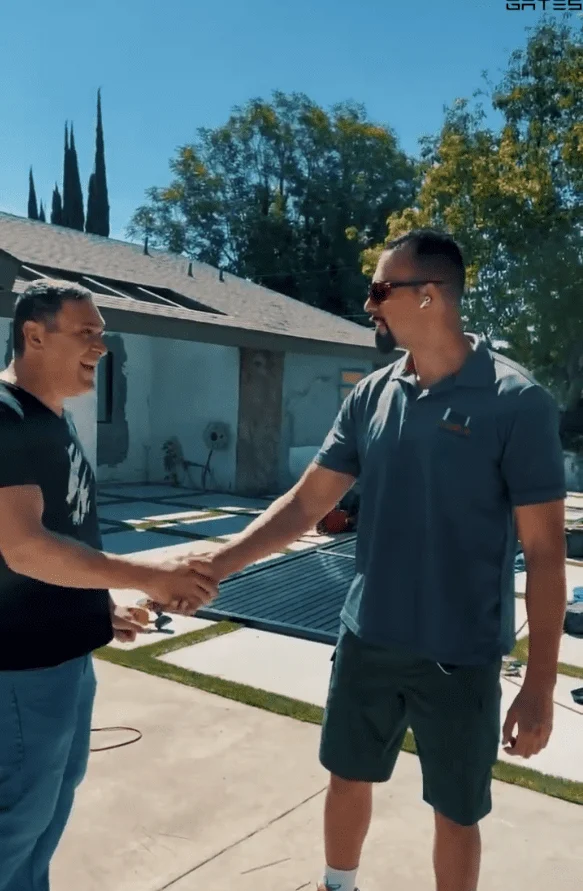
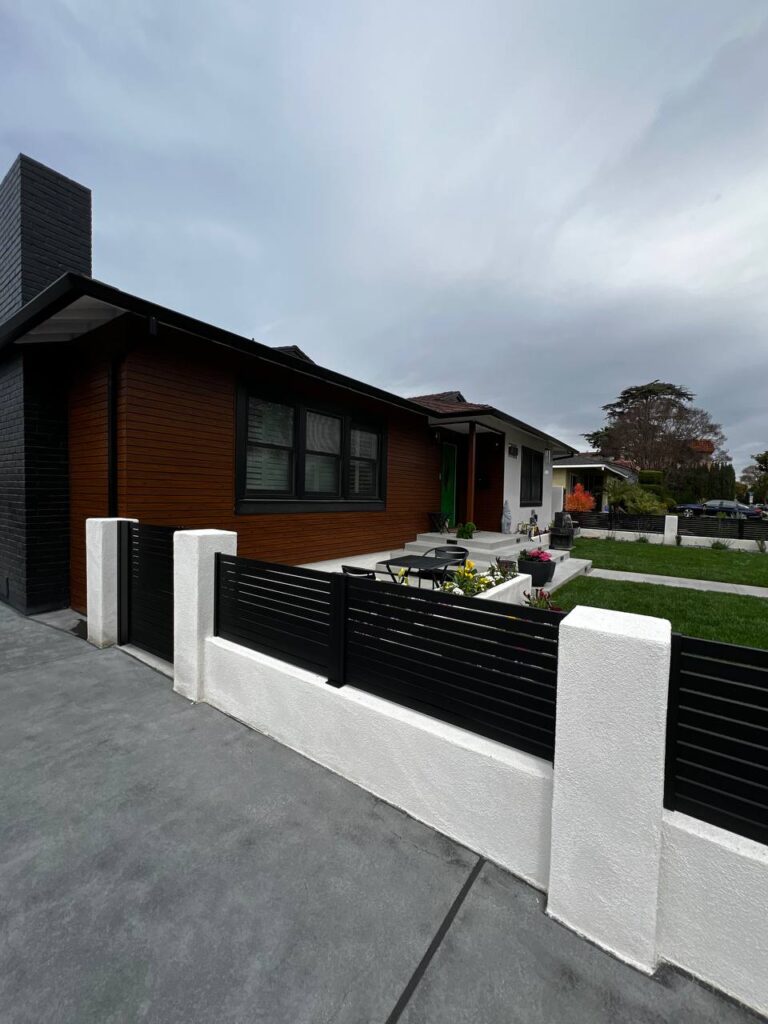
Case studies demonstrate the practical effects of compliant upgrades. Before photos often show combustible materials, poor clearances, and worn hardware. After upgrades replace risky panels with certified aluminum and install non combustible gates. Insurers commonly respond favorably to documented mitigation. Real world examples of wildfire area upgrades and outcomes are shown in wildfire insurance approved aluminum fence gate systems. Use these models to build your project timeline and compliance checklist.
Quantifying Benefits and Savings
Quantify the benefits by tracking reduced inspection issues, lower maintenance costs, and insurance savings. Measure performance through fewer repairs and fewer vegetation related incidents near the perimeter. Present a summary to your insurer showing before and after costs, maintenance logs, and product specs. For broader benefits of modern aluminum systems, reference top 8 benefits of modern aluminum fences. This evidence supports negotiations for lowered premiums and faster claims.
B2B Marketing and Site Integration in California
For California B2B buyers, integrate perimeter safety upgrades into corporate sustainability and property protection programs. Position compliant fencing as both a risk control and an asset that supports continuity planning. Showcase installed projects on local maps and directories. Verify local market requirements by reviewing neighborhood and municipal resources and point prospects to nearby contractors. See commercial protection guidance at how the commercial fence enhances business protection. Use the map to show location relevance: California locations on Google Maps. If you are ready to design and procure, start with this offer to build tailored solutions and protective upgrades Design Your Ideal Fence & Gates Today!
Final words
Insurance approved aluminum fencing and gate systems deliver measurable risk reduction when chosen and installed correctly. Prioritize compliance, non combustible materials, and proper installation. Regular maintenance preserves performance and insurance benefits. Use design tools and professional help to align safety, style, and savings.
Frequently Asked Questions
Gather product datasheets showing non-combustible material ratings, installation photos at each stage (post setting, rail attachment, gate alignment), purchase receipts, and any compliance certificates from the manufacturer. A written installation plan and contractor license copies round out the package. Presenting this upfront speeds up your carrier’s risk assessment and reduces back-and-forth requests.
Partial upgrades are possible, but insurers typically evaluate the weakest section of your perimeter. If a combustible panel remains between two compliant aluminum runs, the overall system may still be flagged. Discuss a phased replacement schedule with your carrier in writing so interim upgrades are acknowledged and any premium adjustments are applied progressively.
Heavier rail depths and thicker post sections handle wind loads, while tighter slat spacing and ember-resistant gap sizing address fire exposure. In many cases the same profile serves both needs, but the anchoring method and post-depth specification will differ. Always confirm that the profile you select has been tested or rated for the specific hazard zone your property sits in.
An annual inspection is the minimum standard most carriers expect. Schedule one in spring after winter weather stress and again in late summer before fire season peaks. During each visit, check hardware torque, powder coat integrity, gate swing alignment, and perimeter clearance from vegetation. Log findings with dated photos and keep records for at least three years to support any future claims or premium review requests.
Automation itself does not void compliance, but the components added, motors, control panels, and wiring, must also meet non-combustible and weatherproofing standards. Confirm that the automation kit is compatible with the approved gate profile and that the installer follows manufacturer guidelines for mounting and electrical work. Update your insurer with the automation specs and any new product certifications so your coverage record stays current.
Ronnie is the CEO and Co-Founder of Globus Gates, bringing hands-on leadership and industry experience to the company’s aluminum gates, fences, patio covers, wall cladding, and exterior systems. His insights focus on helping homeowners, contractors, designers, and builders understand durable, modern, factory-direct, and non-combustible aluminum solutions built for long-term performance.