
Wildfire risk is reshaping how homeowners choose perimeter materials. Replacing wood privacy fences with aluminum reduces ignition risk, lowers maintenance, and meets evolving insurance and code expectations. This guide examines safety performance, design options, installation best practices, cost tradeoffs, and how to design an aluminum fence that balances privacy, durability, and aesthetics for 2026 and beyond.
Why wood fences increase wildfire vulnerability
Wood fences act as continuous fuel along property lines and help embers travel. A wooden plank can ignite from windborne embers and then spread flames to sheds and landscaping. Replacing panels with non combustible aluminum reduces ignition pathways and helps create defensible space. Assess how fence orientation, proximity to vegetation, and gaps affect ember entry. For research on why aluminum is preferred in fire zones see why aluminum fences are ideal for fire zones. Focus on material, attachment points, and how to minimize exposed combustible elements when planning a swap.
How aluminum reduces ignition and ember risk
Aluminum will not burn and resists ember ignition even under high heat. That reduces the chance of a fence becoming a flame spread pathway. Design choices such as closed slat panels and minimal combustible fasteners improve performance. Consider vertical posts set in concrete rather than wooden supports. Review insurance and local guidance for allowable non combustible systems and learn materials selection in detail at choosing the right fence material. Use assembly details that limit gaps where embers can lodge and avoid attaching combustible screens or planters directly to the fence.
Design styles that keep privacy and enhance safety
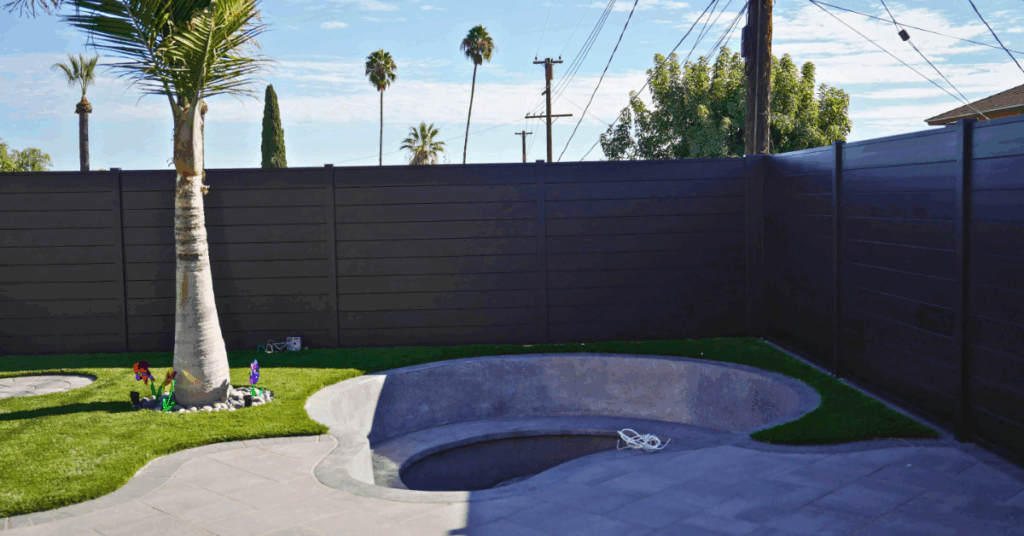
Aluminum offers a wide design range that replicates horizontal slats, tongue and groove profiles, and contemporary picket layouts. You can combine privacy panels with strategic sightlines for safety. Powder coat finishes deliver consistent color and long life. Prioritize tight panel joints for ember resistance and choose attachment systems rated for wind loads. See ideas for modern yard screening and style integration at modern yard fence ideas. Balance aesthetics with safety by using non combustible post caps and hidden fasteners that reduce exposed combustible details.
Code, insurance and compliance considerations
Regulations and insurer expectations are evolving in many regions. Non combustible fences may help you meet defensible space rules and qualify for wildfire mitigation credits. Document material specs, coat finishes, and installation details for insurance reviews. Consider approved Zone 0 or non combustible systems where required. Review comparative guidance on fire resistant fences at fire resistant fencing norco. Work with local code officials to ensure fence height and setbacks do not compromise defensible space objectives.
Material performance and maintenance benefits
Aluminum demands low maintenance relative to wood. No staining, no rot, and no replacement of burnt slats after weathering. Powder coat finishes resist chalking and require only occasional washing. That lowers long term lifecycle costs and reduces the need for combustible maintenance materials on site. For plant friendly and durable aluminum options consult the analysis at top 8 benefits of modern aluminum fences. Plan seasonal inspections to confirm fasteners remain tight and finishes intact.
Cost comparison and lifecycle value
Compare first cost to long term value when replacing wood with aluminum. Initial aluminum panel systems can cost more, but they avoid repeated staining and replacement. Factor insurance credits and lower maintenance into payback calculations. Review a practical cost breakdown that compares wood and aluminum options at what is cheaper a wood fence or aluminum fence. Consider total ownership costs over 10 to 20 years rather than just installation expense.
Best installation practices for wildfire zones
Details matter more than style in a wildfire area. Use non combustible posts set in concrete and attach panels with stainless steel or non combustible fasteners. Maintain gaps and drainage that prevent debris collection. Avoid attaching combustible trim, planters, or trellises to panels. A professional installation reduces hidden combustible risk and helps meet insurer documentation requirements.
Design Your Ideal Fence and Gates approach
Start with requirements not a style. Define privacy, wind, and wildfire goals first. Choose panel type, slat spacing, and finish that meet those needs. Integrate gates, latching, and sightlines for safety. Consider accessibility, pet safety, and maintenance in the plan. Use systemized components so long term parts are replaceable without combustible retrofits. If you want help visualizing options, explore practical guides on selecting systems and finishes at choosing the right fence material. The offer to design your ideal fence combines planning help, performance solutions, and design options to match your property.
Customization options that do not compromise safety
Customization can coexist with non combustibility. Add integrated gates, decorative laser cut panels, and privacy slats without introducing fuel. Use metal post caps and concealed hardware to limit combustible attachments. Select powder coat colors that provide UV resistance and reduce maintenance cycles. For inspiration on designer aluminum solutions that elevate outdoor spaces, see how aluminum fencing elevates outdoor spaces in malibu. Keep decorative elements metal or masonry based to maintain fire performance.
Selecting panels and hardware for longevity
Hardware choices control long term resilience. Choose stainless or galvanized fasteners and hinges rated for coastal or humid exposure. Opt for sealed post pockets and drainage paths to prevent water collection. Avoid wood trim and wooden gate frames. Learn more about installation methods and regional installation guidance at aluminum fence installation ca. Proper specification protects finish warranties and keeps the system functional with minimal service calls.
California B2B office furniture and perimeter strategies
Commercial property owners must align perimeter choices with tenant safety and brand presentation. Office campuses often retrofit fencing during site upgrades. Select aluminum systems that match building architecture and are easy to maintain for facilities teams. To locate local suppliers and contractors use Google Maps for site visits and competitive quotes: Find office furniture and site suppliers on Google Maps. Collaboration between facilities managers and landscape architects ensures perimeter work supports tenant safety and continued operations.
Choosing a contractor and next steps
Hire experienced installers who document materials and provide insurer friendly paperwork. Ask for references in wildfire zones and proof of relevant warranties. Confirm that excavation, concrete setting, and finish preparation follow local code and manufacturer instructions. For a deep dive on why professional installation saves time and money see why hiring professional fence builders saves time money stress. Prepare your property by clearing vegetation and discussing staging access before crews arrive.
Plan and order your fire safe aluminum solution
Ready to move from planning to action Choose a panel style, confirm finish and hardware, and schedule a professional measure. The right system combines privacy, non combustible performance, and long term value. Benefit from expert design input, compliant materials, and installation that minimizes disruption. Design Your Ideal Fence and Gates Today to access curated options, warranties, and ordering support. Start with a consult to match your site risk, budget, and aesthetic goals and turn wildfire mitigation into an attractive upgrade.
Final words
Aluminum privacy fences offer clear wildfire safety advantages over wood. They resist ignition, lower long term maintenance, and often meet insurance requirements. Thoughtful design preserves privacy and style while improving safety. Assess site risk, budget, and local codes, then plan an aluminum solution that balances protection and curb appeal. Start with a consult to match materials and layout to your needs.
Frequently Asked Questions
Aluminum is non-combustible, meaning it won’t ignite or spread flames like wood. It helps eliminate ignition pathways, making it a safer choice for defensible space and meeting modern insurance and fire code requirements.
Yes. Aluminum doesn’t rot, warp, or require staining. With architectural powder coating, it resists fading and corrosion, needing only occasional cleaning, saving time and long-term costs.
Absolutely. Options like horizontal slats, tongue-and-groove panels, and closed designs offer complete privacy while also improving ember resistance with tighter spacing and minimal gaps.
In many areas, yes. Non-combustible fencing can support defensible space requirements and may help qualify for wildfire mitigation credits or insurance approvals. Always confirm with local codes and your insurer.
Upfront, aluminum can cost more, but it delivers better long-term value. You avoid repeated repairs, repainting, and replacements, making it more cost-effective over a 10–20 year period.
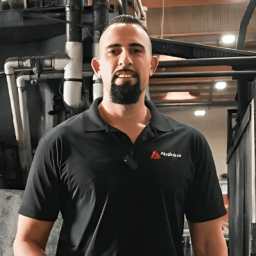
Ronnie is the CEO and Co-Founder of Globus Gates, bringing hands-on leadership and industry experience to the company’s aluminum gates, fences, patio covers, wall cladding, and exterior systems. His insights focus on helping homeowners, contractors, designers, and builders understand durable, modern, factory-direct, and non-combustible aluminum solutions built for long-term performance.