
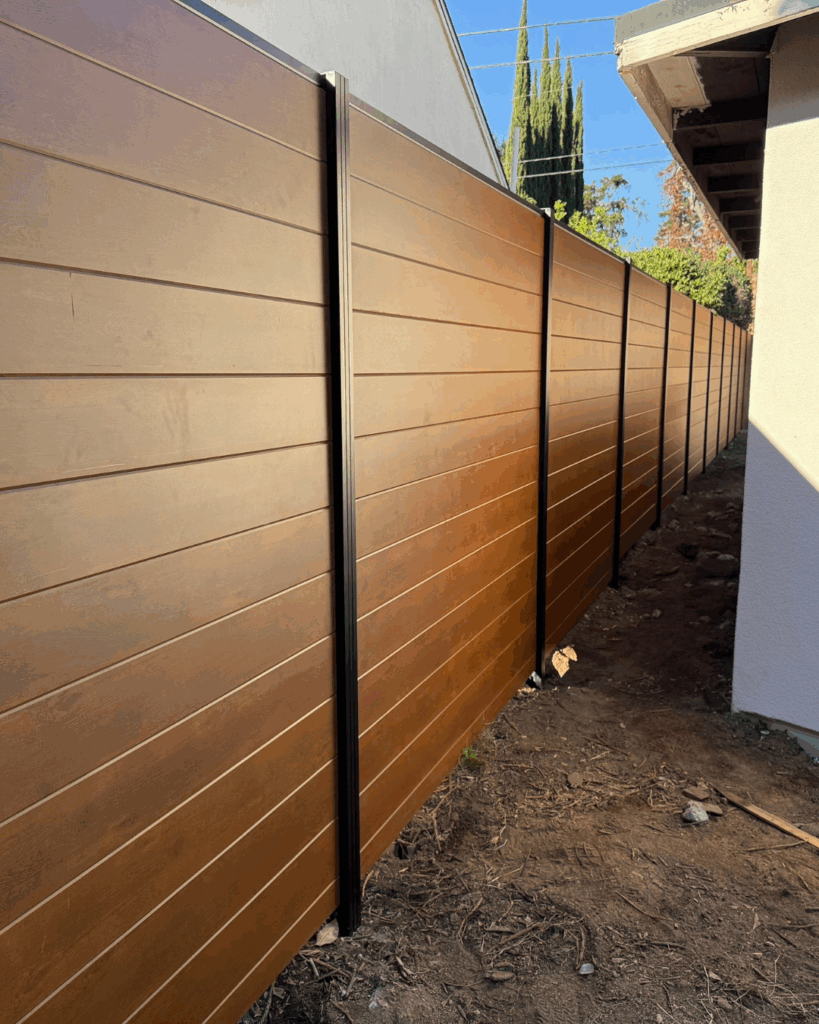
Wildfire risk demands smart choices. Replacing wood fences with aluminum lowers combustible fuel, improves code compliance, and simplifies insurance approvals. This guide maps realistic timelines, site prep, permit checks, and contractor coordination. Read on for step by step planning, material and design choices, and practical prep tasks that keep budgets on track and properties safer before and after installation.
Why aluminum improves wildfire resilience
Aluminum reduces combustible fuel around homes. It will not ignite like wood and resists heat damage. You gain a durable perimeter that still offers style and privacy. Consider powder coated finishes for extra weather resistance and color permanence. Check local codes for non combustible fence options and insurance incentives. For real world guidance on material benefits see wildfire safety aluminum. Focus on continuous non combustible lines with secure posts. Proper design cuts ember entry and limits flame spread. Make aluminum a cornerstone of your property hardening plan and pair it with defensible landscaping for best results.
Comparing performance against wood
Wood loses to aluminum in high heat and embers. Wood fences char, warp, and can propagate flames to structures. Aluminum keeps shape, retains finish, and needs less seasonal maintenance. Consider panel spacing and slat design to limit ember traps. Evaluate lifecycle costs: lower maintenance and longer warranties often offset initial price. For case studies and installation photos visit wildfire safety aluminum fence. Plan for secure fasteners and corrosion resistant post anchors. These details reduce failure risk during extreme events and improve long term value.
Aluminum gates and hardware for safety
Gates are weak points if not fire safe. Select aluminum gates with non combustible frames and secure lock hardware. Hinges and mounts should be rated for heavy thermal cycles. Use designs that avoid deep recesses where embers collect. For guidance on gate choices and fire zone features see wildfire safety aluminum gates. Inspect gate clearance and latching points during prep. Well designed gates maintain egress while resisting ember ignition and remain operable after heat exposure.
Planning a timeline for replacement
Set realistic milestones for removal and install. Start with an assessment and permit check. Then schedule demolition, site grading, and post installs. Factor in inspections and weather delays. Use a checklist to keep progress visible:
- Site survey and measurements
- Permit submission
- Material ordering
- Demolition and disposal
- Post setting and panel install
Learn why aluminum fits fire zones and common project timelines at why aluminum fences are ideal for fire zones. Time buffers reduce rush related errors and improve final quality.
Safe demolition and debris handling
Remove wood safely to avoid ember risk. Wet wood before cutting to limit sparks. Keep a safe work perimeter and use covered waste bins. Coordinate with local waste services for proper disposal. Protect nearby vegetation and seal off vents to limit ash entry into structures. For regional examples and contractor practices see fire resistant fencing norco. Proper cleanup reduces post work fire hazards and speeds inspection approvals.
Contractor checklist for fire zone installs
Hire contractors who follow fire zone best practices. Confirm insurance, references, and code knowledge. Request a written checklist that covers ember proofing, non combustible details, and inspection readiness. Verify post embed depths and anchor types. For a contractor readiness list tailored to fire zones see fire zones contractor checklist. A competent contractor will document work and coordinate permits, saving time and reducing compliance risk.
Designing your ideal fence and gate set
Match safety with curb appeal. Use profile options that mimic wood texture without the fire risk. Balance privacy and air flow to prevent ember pockets. Consider finishes that reduce heat absorption and extend fade resistance. For material comparisons and design inspiration see choosing the right fence material. Design consultations can refine sightlines, security, and landscape integration. Take advantage of professional previews to align aesthetic goals with fire safe performance and long term savings.
Benefits of modern aluminum solutions
Modern aluminum brings multiple gains. Expect low maintenance, long life, and insurance friendly profiles. It resists rot, pests, and water damage. Many systems offer warranties and modular parts for easy replacement. Explore technical benefits and homeowner experiences at top 8 benefits of modern aluminum fences. These benefits cut ongoing costs and reduce emergency repairs after wildfire events, helping owners reclaim time and protect investment.
Cost comparisons and budgeting tips
Budget realistically to avoid scope creep. Compare initial material and labor costs to lifetime maintenance. Aluminum often costs more up front but saves on staining, warping repairs, and replacement. Use breakdowns to plan cash flow and financing. See a direct comparison and cost guidance at what is cheaper a wood fence or aluminum fence. Include permit fees, disposal costs, and contingency for unforeseen site conditions.
B2B messaging for office property managers
Position fire safe fencing as a building value add. Emphasize reduced insurance risk, less maintenance expense, and tenant safety. Use data points and case studies to persuade procurement. Showcase warranty and lifecycle savings in proposals. A local presence builds trust, so share install timelines that minimize tenant disruption. For insights on how commercial fencing supports asset protection see how commercial fencing. Tailor messaging to facility managers and risk officers for faster approvals.
Sales strategy for commercial fence projects
Streamline procurement and approvals. Offer site surveys, phased installs, and maintenance plans. Provide clear specs that meet local fire codes. Include visual mockups and measurable ROI to help decision makers. For system comparisons and commercial program ideas see best commercial fencing systems 2026. Present scheduling options that limit work hours and protect daily operations to win contracts.
Local outreach and contact details
Make it easy for B2B buyers to find you. Provide clear local contacts, references, and maps to your showroom or office. Offer pre qualified installer lists and specification sheets. Embed a clickable map for site visits and vendor meetings: Los Angeles map. Ready to buy components or schedule a design consult? Design Your Ideal Fence and Gates Today to get started with products, pricing, and lead times.
Final words
Replacing wood with aluminum reduces wildfire exposure while offering long term savings and low maintenance. Follow permit, demolition, and contractor checklists to stay compliant. Use design options that balance aesthetics and ember protection. Plan timelines with buffers and coordinate inspections early. Prioritize qualified installers and documented warranty details to protect your investment and keep your property safer year after year.
Frequently Asked Questions
Aluminum is non-combustible, meaning it won’t ignite or spread flames like wood. It helps reduce fire risk around your property, improves code compliance, and can make insurance approvals easier.
Most projects take a few days to a couple of weeks depending on size, permits, and site conditions. Timelines include demolition, post installation, inspections, and final panel or gate setup.
Aluminum usually costs more upfront, but it saves money over time due to low maintenance, longer lifespan, and fewer repairs compared to wood fencing.
Yes, aluminum is widely accepted in fire-prone zones because it is non-combustible. However, you still need to check local regulations for height, placement, and permit requirements.
Choose a contractor with fire zone experience, proper licensing, and knowledge of local codes. They should follow ember-resistant design practices, use durable materials, and provide clear documentation for inspections and compliance.
Ronnie is the CEO and Co-Founder of Globus Gates, bringing hands-on leadership and industry experience to the company’s aluminum gates, fences, patio covers, wall cladding, and exterior systems. His insights focus on helping homeowners, contractors, designers, and builders understand durable, modern, factory-direct, and non-combustible aluminum solutions built for long-term performance.