

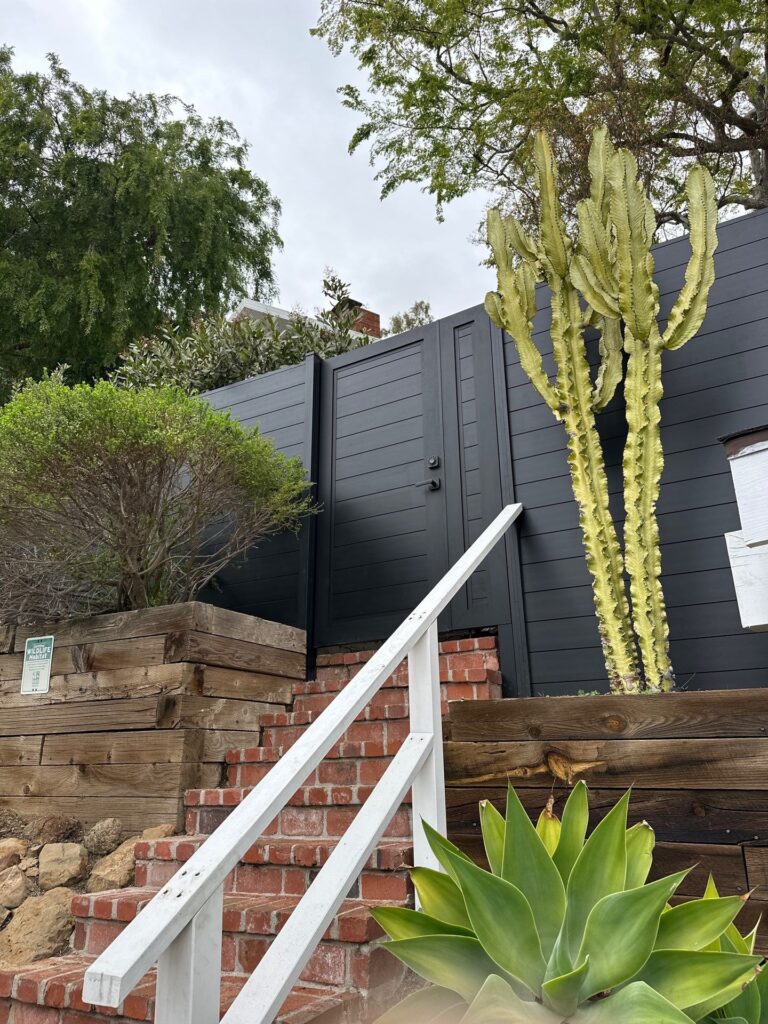
Zone 0 home hardening prioritizes non combustible perimeter elements and resilient gates. Aluminum gate systems offer compliance, low maintenance and fast installation. This guide breaks down cost drivers, project stages and design choices to help homeowners plan budgets and schedules. Learn how durable coatings, hardware selection and professional design reduce risk while preserving curb appeal.
Why Zone 0 Hardening Matters
Zone 0 defines the immediate perimeter where non combustible materials reduce ignition risk. Aluminum gates are well suited to this role because they do not burn and resist corrosion. Focus on attachment details and clearances to avoid ember entry. Hardening at the gate reduces structure exposure and supports defensible space strategies. Consider project goals: safety, insurance compliance and resale value.
Key outcomes
- Lower wildfire ignition risk
- Improved insurance acceptance
- Durable, low maintenance perimeter
Learn implementation considerations in our Zone 0 overview Zone 0 home hardening aluminum guide.
Primary Cost Drivers for Aluminum Gates
With factory-direct, non-combustible aluminum systems, your final price depends less on “zone zero tax” and more on smart choices in size, design, and hardware.
Budgeting starts by separating fixed and variable costs. Fixed costs include design, permits and mobilization. Variable costs include gate size, panel style, hardware grade and finish. Site complexity raises labor and foundation expenses. Warranty and insurance approved systems add price but reduce long term risk. Factors to estimate- Material grade and powder coat finish
- Specialized hardware and hinges
- Foundation, posts and concrete work
Because Globus Gates fabricates every aluminum system in-house, you can shift budget into the cost drivers that matter most for security, wildfire performance, and curb appeal.
Typical Project Timeline and Milestones
A realistic schedule reduces surprises. Expect a phased timeline: site survey and design, permitting, material lead times, foundation work and gate installation. Design and survey take one to two weeks. Permits vary by jurisdiction from one week to several months. Material lead times depend on finishes and custom fabrication.
Common milestone sequence
- Site assessment and sketches
- Permit submission
- Foundation and post set
- Gate assembly and final adjustments
See a step by step installation overview to align your timeline installation process explained.
Choosing Materials and Protective Coatings
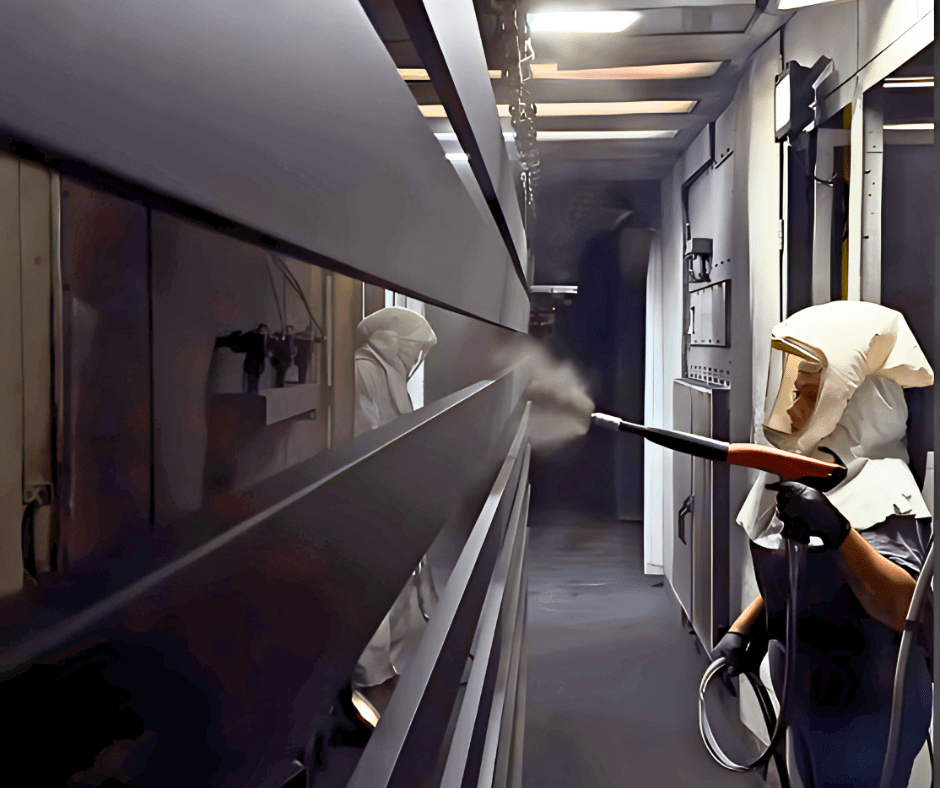
Material selection determines durability and long term cost. Choose structural aluminum alloys rated for load and corrosion resistance. Powder coated finishes provide weather protection and color retention. Look for UV stable coatings and multi stage pretreatments.
Selection checklist
- Alloy strength and wall thickness
- Powder coat specification and warranty
- Non combustible attachment details
Understanding powder coat benefits helps predict lifecycle costs and appearance retention. Read more about benefits and features at powder coated aluminum fence guide.
Site Preparation Permits and Inspections
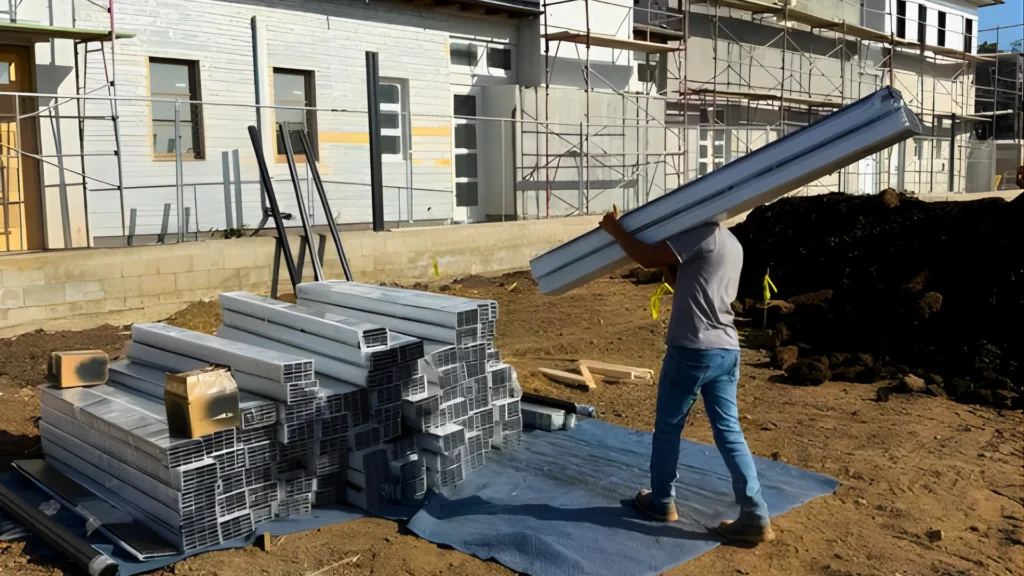
Thorough site prep reduces rework. Start with a topographic check, locate utilities and mark property lines. Plan drainage and concrete footings to avoid undermining posts. Early engagement with the local permitting authority speeds approval.
Permit tips
- Collect property documentation and setbacks
- Submit clear drawings with structural notes
- Schedule inspections early in the timeline
Hiring an experienced contractor reduces permit risk. For selection guidance see choosing the right fence contractor.
Structural Details Hardware and Fasteners
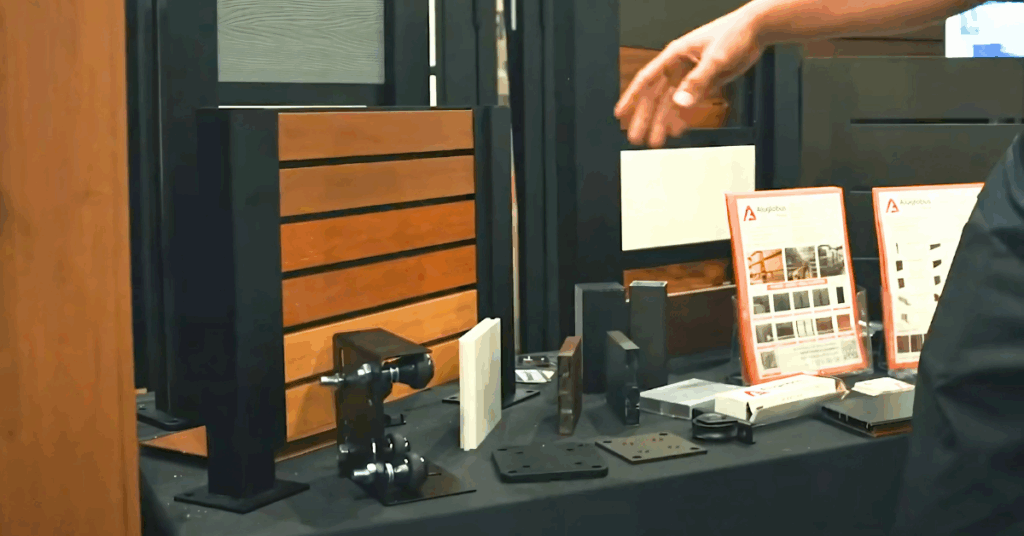
Robust connections create a resilient gate. Use stainless or galvanized fasteners and reinforced post pockets. Hardware selection affects wind load performance and ease of use. Specify heavy duty hinges, tamper resistant fasteners and reinforced latch systems for Zone 0.
Design items to specify
- Post embedment depth and concrete class
- Hinge rating and adjustable brackets
- Latch types and lock integration
For hardening hardware specifics review our technical notes on Zone 0 gate hardware Zone 0 hardware and latches.
Installation Best Practices and Quality Control
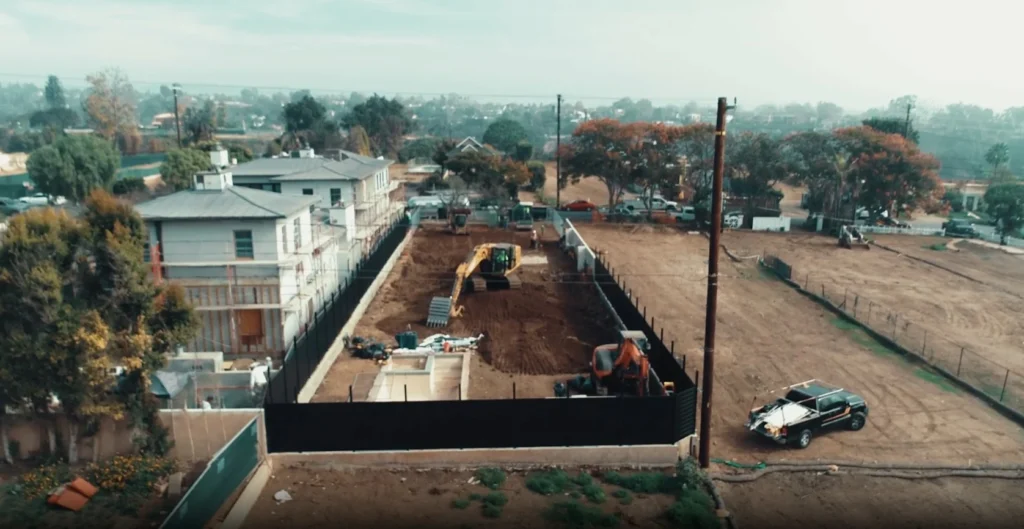
Follow a disciplined installation sequence to achieve designed performance. Verify post alignment and plumb before concrete sets. Check gate swing clearances and make incremental hinge adjustments. Protect finishes during handling to avoid chips that invite corrosion.
Quality checkpoints
- Confirm foundation dimensions and concrete strength
- Test gate operation throughout assembly
- Document final measurements and photographs
Use experienced installers familiar with aluminum gate tolerances to reduce callbacks. For regional installation considerations see our California installation notes aluminum gate installation in California.
Maintenance Strategies to Maximize Lifespan
Proper maintenance extends service life and preserves appearance. Regular washing removes salt and debris. Inspect hardware twice a year and lubricate pivot points. Touch up minor coating scratches promptly to prevent corrosion.
Annual checklist
- Wash with mild detergent and rinse
- Inspect fasteners and tighten as needed
- Check coatings for chips and touch up
Maintenance reduces total cost of ownership and supports insurance requirements. For seasonal care guidance review seasonal maintenance tips for aluminum fences.
Designing for Security and Visual Appeal
Balance defensive goals with architectural style. Use slat spacing, picket height and gate massing to deter intrusion while matching the home. Integrate automation and access control discreetly for daily convenience.
Design considerations
- Line of sight vs privacy tradeoffs
- Height and picket spacing for security
- Color and profile to match architecture
Engage a designer early to align security with aesthetics and to reduce costly changes. For guidance on gate selection see selecting your perfect gate.
B2B Office Furniture Marketing in California

Specifying perimeter solutions to commercial clients requires a different approach. Focus on procurement cycles, bulk pricing and warranty terms. Offer documentation packages that include technical data, maintenance instructions and code compliance notes.
Market tactics
- Highlight lifecycle cost and insurance benefits
- Provide customizable design templates for architects
- Bundle installation and maintenance agreements
Local presence matters for B2B sales. Share a location reference for meetings and site visits Google Maps California to help buyers schedule walkthroughs.
Custom Design Process and Client Benefits
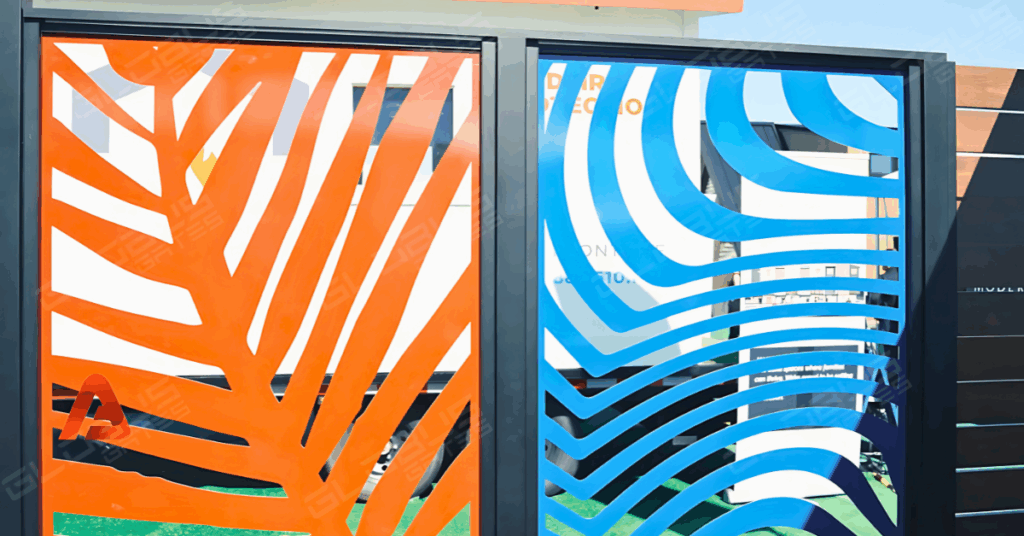
Offer a clear custom design workflow to convert interest into projects. Start with a discovery call, site photos and a simple scope. Provide concept sketches, material options and a phased cost estimate. Fast, transparent quotes improve conversion.
Client benefits
- Personalized aesthetics and performance
- Reduced permit friction with prepared drawings
- Options for warranty and maintenance packages
Design services help clients visualize outcomes and control cost. Learn practical construction steps in our how to build resource how to build a fence gate.
Next Steps and How to Get Started
Ready to move from planning to production? Begin with a site assessment and a clear budget range. A professional review isolates hidden costs and shortens delivery time. Early decisions on finish and hardware control lead times and final price.
Start now
- Gather site photos and property details
- Decide on desired finish and privacy level
- Request a formal quote and production timeline
Design Your Ideal Fence & Gates Today! Explore customization options, request a quote, and order components to align safety and curb appeal.
Request a call
Final Words
Zone 0 upgrades using aluminum gates balance safety, longevity and aesthetics. Cost depends on materials, coatings, hardware and site complexity. A clear timeline and professional design reduce delays and hidden costs. Prioritize non combustible materials, correct installation and ongoing maintenance to protect your home. Seek a tailored design and quote to align budget with performance and code compliance.
Frequently Asked Questions
Zone 0 refers to the immediate area around a home where non-combustible materials are used to reduce wildfire ignition risk. Hardening this zone with materials like aluminum gates helps prevent ember intrusion, improves safety, and supports insurance compliance.
Costs vary based on size, design, hardware quality, coatings, and site conditions. Fixed costs include design and permits, while variable costs include materials and installation complexity. Custom finishes and fire-rated components can increase the total price.
A typical project can take anywhere from a few weeks to a few months. The timeline includes design (1–2 weeks), permitting (varies by location), material lead times, foundation work, and final installation.
Yes, aluminum gates are ideal for fire-prone zones because they are non-combustible, corrosion-resistant, and require minimal maintenance. When properly installed with fire-resistant hardware and correct clearances, they enhance overall perimeter protection.
Maintenance is minimal but important. Regular cleaning, periodic inspection of hinges and fasteners, lubrication of moving parts, and prompt touch-up of any coating damage will help extend the gate’s lifespan and maintain performance.
Ronnie is the CEO and Co-Founder of Globus Gates, bringing hands-on leadership and industry experience to the company’s aluminum gates, fences, patio covers, wall cladding, and exterior systems. His insights focus on helping homeowners, contractors, designers, and builders understand durable, modern, factory-direct, and non-combustible aluminum solutions built for long-term performance.