


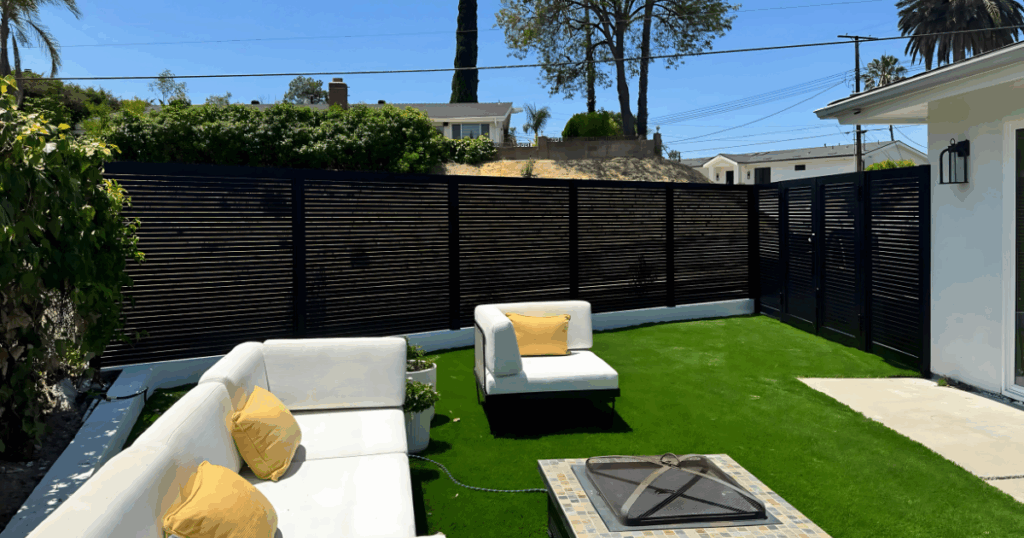
Aluminum fencing combines non combustible performance with low maintenance and design flexibility, making it a leading choice in fire prone areas. This guide explains why aluminum works well around high risk properties, highlights common mistakes installers and homeowners make, and shows how to design a safer perimeter that balances code, aesthetics, and long term resilience.
Why aluminum is a top choice in fire zones
Aluminum is non combustible, lightweight and durable. Those features reduce fuel risk along property edges. It will not ignite or feed flames during a wildfire. Aluminum resists warping from radiant heat and stays functional after fire events. Homeowners gain long term value because it is low maintenance and keeps curb appeal. For a clear list of performance benefits and practical styles see Top 8 benefits of modern aluminum fences. Use professional profiles and powder coat finishes to maximize longevity and match local fire code requirements.
Designing a fire safe perimeter fence
Design must focus on clearance, materials and access. Keep vegetation pruned and maintain a defensible zone at fence lines. Use non combustible posts and avoid combustible attachments. Permit and zoning checks are essential for setbacks and gate locations. Learn recommended materials for high risk areas in Choosing a fire safe fence in high risk fire areas. Explore regional case studies like fire resistant fencing Palos Verdes and practical installations at Fire Resistant Fencing Norco. Clear gaps under gates and add hardscape to limit ember entry.
Selecting profiles and finishes for safety and style
Profile choice and finish matter. Pick profiles that limit ember traps and avoid wide hollow pockets where debris can collect. Powder coated finishes add corrosion resistance and preserve the barrier during extreme weather. Consider ornamental profiles only if they do not compromise ember resistance. Match gates and fence panels for a continuous non combustible line. For ideas on how aluminum gates integrate with fencing choices check Why aluminum gates are the best choice. Thoughtful colour and finish choices let you balance safety with property aesthetics.
Site assessment and code considerations in California
Start with a site risk assessment and local code review. Many jurisdictions require non combustible materials and specific clear zones. Map slope, prevailing wind and potential ember sources. Coordinate with local building officials early. Use a visual site plan to place gates and emergency access points. For local planning use a map view such as California on Google Maps to review terrain and access routes. Proper placement reduces firefighting obstacles and supports faster emergency response while keeping the fence compliant.
Common installation mistakes and how to avoid them
Poor post footings and incorrect spacing undermine performance. Undersized footings lead to leaning posts and gaps that trap debris. Incorrect panel attachment can create combustible cavities. Use corrosion resistant fasteners and secure gates with heavy duty hardware. Verify that vents or cutouts do not allow ember accumulation. For guidance on compliant systems and non combustible options consult Zone 0 aluminum fencing non combustible systems. Follow installation standards to limit maintenance and avoid costly repairs after a fire event.
Installation best practices for long term resilience
Proper installation equals durability. Set posts in concrete to recommended depths for your soil type. Use adjustable post brackets for uneven ground. Create continuous lines around property corners to avoid weak spots. Coordinate gate swing and lock placement for emergency egress. Hire experienced contractors who document as built locations and materials. For an overview of installation in the region see Aluminum fence installation CA. Clear documentation helps with future inspections and insurance requirements.
Choosing the right contractor and project planning
Contractor selection affects safety and compliance. Ask for references that show fire zone experience. Request certificates of insurance and proof of local licensing. Confirm warranties on materials and finishes. Get a written scope that lists non combustible materials and site prep. Compare bids on value and documentation, not just price. Use the checklist in How to choose the right fence contractor to evaluate bidders. A well documented contract reduces surprises and keeps the project on schedule.
Material tradeoffs and lifecycle costs
Evaluate total cost of ownership. Aluminum has higher upfront cost than some materials but lower lifecycle expenses. Consider replacement cycles, maintenance needs, and coating longevity. Account for damage risk during fires and post event repairs. Weigh aesthetic goals against functional needs and long term value. For comparisons of materials and lifecycle considerations review Maintenance of composite fencing. Choosing the right material reduces future capital outlay and limits emergency replacement costs.
Maintenance strategies to keep the barrier effective
Routine care prevents small issues from growing. Inspect fasteners, hardware and post plumb annually. Remove debris from under panels and trim vegetation within the defensible space. Touch up scratches to preserve protective finishes. Create a seasonal checklist that aligns with local fire season timing. For seasonal guidance and inspection tips consult Seasonal maintenance tips for aluminum fences. Simple, regular tasks extend life and keep the fence functional when it matters most.
Budgeting and value engineering for fire zone projects
Budget with resilience in mind. Prioritize non combustible elements and robust hardware. Consider phased installations to spread cost while securing the most vulnerable edges first. Get multiple bids and request value engineering options that keep safety intact. Compare lifecycle estimates rather than only material price. For cost comparisons and guidance on choosing between materials see What is cheaper a wood fence or aluminum fence. Smart budgeting lowers long term ownership costs and preserves property value.
Privacy and perimeter performance without added fire risk
Privacy can be achieved safely. Use slat designs that are non combustible and allow some airflow to reduce ember pressure. Avoid attaching combustible panels or fabrics. Consider layered landscaping that is fire resistant and trimmed away from the fence. Test gate seals to avoid ember intrusion. Review regional design examples like Privacy aluminum fence California for strategies that balance privacy with ember defense. Thoughtful design provides seclusion and safety together.
Moving from plan to purchase and implementation
Finalize design and order components carefully. Verify lead times for custom finishes and coordinate installation windows outside peak fire seasons. Confirm delivery and staging areas with your contractor. Keep documentation on materials and warranties. After installation create a maintenance plan and emergency access map. When ready to acquire materials and hardware use the company shop to view options and expedite procurement Aluminum gate fire zone CA. Design Your Ideal Fence & Gates Today and complete ordering at the shop to streamline supply and installation and reduce project risk. https://globusgates.com/shop/
Final words
Aluminum fences offer a reliable, non combustible solution for properties in fire prone zones. Proper design, material selection, and skilled installation prevent common failures. Regular maintenance and thoughtful budgeting preserve function and value. Use the design and procurement tools available to create a perimeter that meets code, limits ember entry, and supports emergency access for peace of mind.
Frequently Asked Questions
Aluminum is non-combustible, meaning it will not ignite or feed flames during a wildfire. It resists warping from radiant heat, stays functional after fire events, and requires minimal maintenance making it one of the most practical and code-compliant choices for properties in high-risk fire zones.
A fire-safe perimeter fence should use non-combustible posts, avoid combustible attachments, and maintain clear gaps under gates to limit ember entry. Hardscaping around the fence base, controlled vegetation within the defensible zone, and continuous non-combustible panel-to-gate lines all reduce fire risk significantly.
The most frequent mistakes include undersized post footings that cause leaning and debris gaps, incorrect panel attachment that creates combustible cavities, and using fasteners that corrode over time. Vents or cutouts that allow ember accumulation are also a critical error all of these can compromise the fence’s performance during a fire event.
While aluminum has a higher upfront cost than materials like wood, its lifecycle expenses are significantly lower. It requires fewer replacements, minimal maintenance, and holds up better against fire damage reducing post-event repair costs. When evaluated on total cost of ownership, aluminum consistently delivers better long-term value.
Look for contractors with documented experience in fire zone installations. Request proof of local licensing, certificates of insurance, and material warranties. Ask for a written scope that specifically lists non-combustible materials and site preparation details. Evaluate bids based on documentation quality and compliance knowledge not just price to ensure your project meets local fire codes and stands up to inspection.