


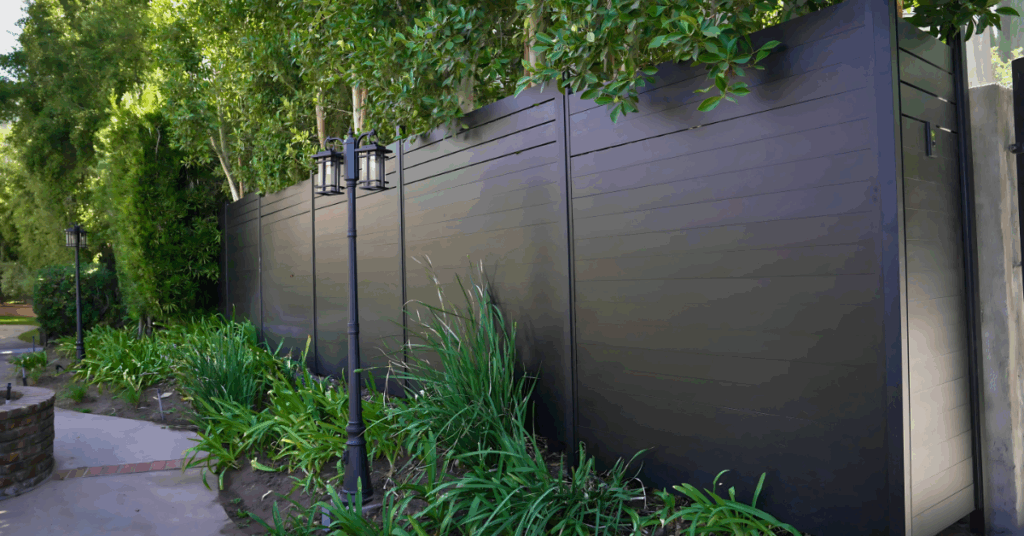
Aluminum fences offer non combustible strength, low maintenance, and design flexibility for properties in wildfire prone areas. This checklist helps contractors select compliant profiles, prepare installations that reduce ember risks, and advise clients on long term performance. It focuses on materials, spacing, finishes, and inspection steps that matter most for safety and durability in 2026.
Why aluminum excels in fire zones
Aluminum is non combustible and will not ignite from embers. Its resistance to heat reduces risks compared with combustible materials. Contractors should choose extruded, heat treated alloys with powder coated finishes for durability. Consider spacing and picket design to limit ember accumulation while preserving airflow. A well designed aluminum fence provides long term structural integrity, resists corrosion, and requires minimal maintenance. Use appropriate fasteners and avoid exposed wooden rails that defeat fire safe intentions. For deeper guidance on aluminum benefits see top 8 benefits of modern aluminum fences which outlines longevity and protective finishes.
Fire safe perimeter fence
A fire safe perimeter begins with non combustible components and smart detailing. Position the fence to create a defensible space by removing combustible vegetation within recommended clearances. Avoid lattice or infill that traps embers. Specify finishes that withstand high heat and prevent flaking. Follow local codes and zone approvals, and document materials for inspectors. For practical contractor references read choosing a fire safe fence in high risk fire areas, review zone 0 approved fencing, and check case studies at fire resistant fencing norco.
Material selection and code considerations
Start material selection with alloy grade and coating systems. Powder coat with high temperature cure improves heat tolerance and reduces peeling. Confirm non combustible ratings and any local product approvals. Document fastener types and post embedment methods for permit submission. Account for expansion gaps to avoid joint stress during heat exposure. Make submittals simple by including material data sheets and finish warranties. For insight on finish types and protective coatings see what is a powder coated aluminum fence which explains performance and maintenance.
Design tips to reduce ember hazards
Design choices can meaningfully lower ember exposure. Use vertical pickets and limited horizontal ledges to avoid ember traps. Keep gaps small enough to slow ember ingress without creating fuel loads. Consider sloped or stepped runs to prevent debris build up near footings. Provide perimeter clearance to separate shrub layers from the fence line. When specifying gates, pick designs that minimize recessed hardware pockets. For contractor focused planning and hiring advice visit how to choose the right fence contractor for vetting steps and project documentation tips.
Foundation and anchoring best practices
Solid anchoring is vital in fire zones where post heat exposure and erosion may occur. Use concrete encasement where soil conditions demand, and specify embedment depths that match wind and seismic loads. Protect footing joints against moisture to prevent undermining after fires. Use corrosion resistant sleeves and consider sacrificial covers during construction. Provide drainage to keep vegetation away from footings. For step by step installation sequencing and contractor workflow see step by step fence and gate installation process which clarifies staging and quality checks.
Finishes maintenance and longevity
Regular inspection and finish care extend service life in harsh environments. Advise clients on seasonal checks for chips, loose fasteners, and debris build up. Prompt touch up of scratches prevents localized corrosion and finish failure. Recommend washing to remove salt or soot, especially after fires or coastal exposure. Keep vegetation trimmed back to limit moisture contact. Educate clients on warranty registration and recommended cleaners. For hands on seasonal guidance consult seasonal maintenance tips for aluminum fences which outlines simple inspection steps contractors can pass to owners.
Comparing aluminum with other materials
Aluminum often outperforms wood and vinyl in fire prone sites. Wood burns and vinyl can melt, while aluminum does not fuel a fire. Evaluate lifecycle costs, maintenance demands, and aesthetics together. Consider hybrid approaches where privacy is needed but non combustible barriers are required. Provide clients clear cost comparisons that include maintenance labor over a decade. When advising clients on material tradeoffs, reference technical comparisons such as vinyl vs aluminum fencing to illustrate long term performance differences.
Installation checklist for contractors
An installation checklist ensures consistent, code compliant work. Include site prep, permit verification, post spacing, embedment depth, anchoring details, finish inspection, and debris clearance. Photograph before and after conditions and collect material data sheets on site. Coordinate with landscapers to maintain defensible space after handover. Use a standard punch list for gate hardware and latch clearances. Contractors can streamline procurement and warranties by following documented steps and giving clients clear care instructions. See planning and contractor workflow insights at how to build a fence gate for practical staging and acceptance tips.
Procurement and supply chain considerations
Secure reliable suppliers to keep schedules and maintain quality. Lock in alloy grades, finish types, and hardware early in the procurement phase. Account for lead times on powder coat batches and long lead extrusions. Specify approved alternates to avoid last minute substitutions that can affect fire performance. Track lot numbers for warranty and recall readiness. Provide clients transparent timelines and contingency plans for supply hiccups. For cost planning and homeowner budgeting tools review fence installation cost guide for homeowners 2026 which also helps contractors build clear client estimates.
Inspection and lifecycle management
Routine inspections reduce long term risk and preserve warranty coverage. Recommend an annual inspection and immediate checks after storms or fire events. Look for loose fasteners, finish failures, and debris accumulation at the base. Replace damaged components with matching materials to keep the non combustible envelope intact. Keep a maintenance log and offer service agreements to clients for predictable revenue and better asset care. For security related specifications and height guidance consult what is the optimal fence for security which complements safety with access control thinking.
Client communication and proposal strategy
Clear proposals build trust and reduce change orders. Include a fire safety section that lists material grades, finish warranties, spacing, and installation methods. Explain defensible space roles and homeowner maintenance responsibilities. Offer optional upgrades like hurricane rated posts or concealed fasteners. Present lifecycle cost comparisons and reference documents for local permit officers. Provide a simple maintenance checklist clients can follow. When shaping offers and benefits, align them with the promise to help clients Design Your Ideal Fence & Gates Today to deliver safety, style, and low upkeep.
California B2B office furniture marketing and map
Marketing to California businesses requires location specific outreach and clear value propositions. Emphasize durability, low maintenance, and code compliance when selling to property managers and developers. Use case studies and performance data tailored to the region. Host local site visits and targeted proposals for commercial campuses. Make your office and showroom easy to find by linking to a map for B2B buyers: View our California location on Google Maps. Ready to convert interest to orders? Visit our shop to configure products and place procurement requests: Design Your Ideal Fence and Gates Today.
Final words
Aluminum combines non combustible performance with low maintenance and aesthetic flexibility for fire prone properties. Contractors can use the checklist to meet code, reduce ember risk, and deliver a durable perimeter. Prioritize correct material selection, secure anchoring, and regular inspections. Design Your Ideal Fence & Gates Today to provide clients a safer, long lasting solution that balances safety, cost, and curb appeal.
Frequently Asked Questions
Aluminum is non-combustible, meaning it won’t ignite from embers or fuel a fire the way wood or vinyl can. When specified with extruded, heat-treated alloys and powder coated finishes, it also resists corrosion, handles heat exposure without deforming, and requires minimal upkeep, making it a reliable long-term choice for fire zone installations.
Use vertical pickets with limited horizontal ledges, since flat surfaces collect embers and dry debris. Keep gaps small enough to slow ember ingress, avoid lattice infill, and slope fence runs where possible to prevent debris buildup near footings. Gate designs should also minimize recessed hardware pockets where embers can lodge.
Posts should be set in concrete encasement with embedment depths matched to local wind and seismic loads. Use corrosion-resistant sleeves, ensure proper drainage around footings, and avoid combustible footing materials entirely. After fire events, moisture intrusion can undermine footings, so protecting footing joints is a critical detail during installation.
A solid checklist covers site prep and permit verification, post spacing and embedment depth confirmation, anchoring details and finish inspection, material data sheet collection, before-and-after photography, and debris clearance. Gate hardware, latch clearances, and coordination with landscapers for ongoing defensible space maintenance should also be part of the project closeout.
Advise clients to do seasonal inspections for chips, loose fasteners, and debris at the base, and to wash the fence after fire events or coastal exposure to remove soot and salt. Any scratched areas should be touched up promptly to prevent corrosion. Offering a service agreement and a simple maintenance checklist at handover keeps the fence performing well and supports long-term client relationships.