


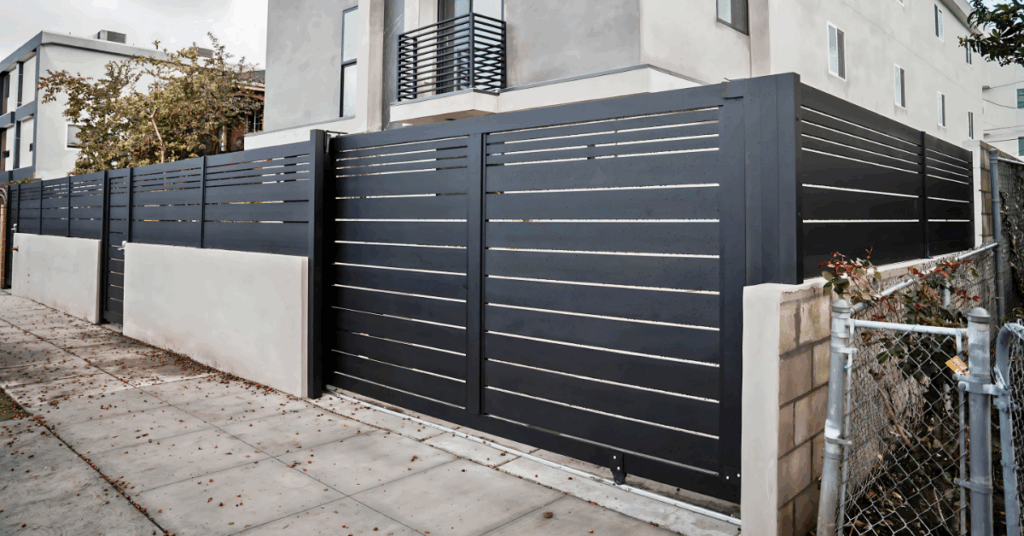
This checklist explains the documentation insurers expect for aluminum fence and gate claims in 2026. Learn which photos, receipts, certificates, diagrams and expert reports reduce disputes. Follow a step by step record keeping plan to prove loss, speed approval and protect your property investment while you plan repairs or replacement.
Essential claim documents to collect
Start with a master file that groups evidence by incident date. Collect a policy copy, claim number, and correspondence. Prioritize these items:
- Proof of ownership and purchase receipts
- Warranty and coating certification
- Professional installation or contract records
Keep scanned copies and physical originals. Label each item with date and source. If parts were custom ordered, include order confirmations and photos of serial or batch numbers. This organized packet makes it easy for adjusters to verify coverage and speeds approvals. For general context on fencing topics see the Globus Gates blog home for articles about materials and claims.
Fire safe gate systems and documentation
Document fire zone compliance by saving product statements and installer notes that reference fire safe features. Include material noncombustibility data, clearances, and any local code approvals. Gather third party or municipal letters if available. When describing features, reference fire safe guidance such as the advice on choosing a fire safe fence in high risk fire areas, local case studies like fire resistant fencing in Palos Verdes, and technical rationale from why aluminum fences suit fire zones. Clear, technical documentation reduces disputed coverage when fire is involved.
Photographing and video evidence best practices
Capture a visual timeline starting with wide context shots, then medium and close detail images. Use a dated camera or embed timestamps in file names. Photograph:
- overall fence line and gate positions
- damage close ups and fastener failures
- adjacent property or fire marks if relevant
Record short video walkthroughs narrating what you see. Maintain a folder structure by date and type. Convert files to PDF or ZIP for submission. Visual evidence works with receipts and professional reports to form a complete claim package. For benefits of aluminum materials and preservation tips consult the article about top benefits of modern aluminum fences.
Accurate measurements and site diagrams
Provide a clear site diagram with scaled measurements and orientation. Note property lines, gate swings, post spacing and distances to structures. Include elevation changes and slope details. Mark the damaged segments and attach measurement photos showing a tape or ruler. A simple sketch with labels helps adjusters verify replacement quantities and labor. Save digital CAD files or photographed hand drawings. Accurate counts of panels, posts, rails and hardware avoid underpayment. For guidance on typical fence dimensions and height recommendations review the perfect fence height for your property.
Receipts, invoices and cost documentation
Gather proof of value by collecting original purchase invoices, shipping records and installation bills. Separate material costs from labor. If parts were custom powder coated or finished, include vendor invoices showing process and color codes. When replacement quotes differ, present recent comparable estimates with contact details. Keep warranties and maintenance receipts which can show prior condition. A clear cost history reduces adjuster estimation errors. If you need cost benchmarks consult the fence installation cost guide for homeowners 2026 for typical ranges used by adjusters.
Third party reports and professional estimates
Use qualified experts for structural assessments and safety statements. Secure written estimates that list materials, labor hours and permit needs. Ask contractors to cite codes and to include photos with their reports. If a qualified engineer or certified installer prepared a report, include credentials. Use multiple estimates if damage is complex. Cross reference the contractor statements with your measurements and photos. Written, itemized estimates reduce ambiguity and support full settlement. For tips on finding capable professionals see guidance on choosing the right fence contractor.
Documenting gate hardware and security features
Detail hardware and function by listing hinge types, locks, operators and control systems. Photograph serial numbers and model plates. Note any automation, access control, or safety devices that affect replacement cost. Describe operational failures and include prior maintenance logs. If security features influence claim value, attach installer notes and parts invoices. This level of detail prevents adjuster undervaluation. For context on secure fence options and security metrics, read about what is the optimal fence for security.
Maintenance history and seasonal care records
Preserve maintenance evidence by saving cleaning, coating and repair records. Include dates of powder coat touch ups, rust treatments and hinge lubrication. Seasonal logs can prove proper care and support replacement claims over total loss disputes. Attach photos before and after regular maintenance to show condition. Maintain receipts for annual inspections and any warranty service. A documented maintenance plan strengthens the argument that damage was sudden or accidental and not due to neglect. For seasonal care tips consult seasonal maintenance tips for aluminum fences.
Material certifications and noncombustible evidence
Collect manufacturer and certification data such as ASTM, FM or other compliance statements. If the fence uses noncombustible aluminum systems mention such approvals and attach product cut sheets. Provide finish and coating documentation including test results for weather and fire resistance. When applicable, attach local zone certifications such as Zone 0 approvals which insurers trust for fire risk classification. These documents justify material choice and replacement cost. For technical details on noncombustible aluminum systems check Zone 0 approved fencing non combustible aluminum systems.
Design planning and replacement options
Plan repairs with long term value by reviewing style options, privacy levels and material trade offs. Record design preferences and alternate options before filing a claim. Include style photos, color samples and material pros and cons. Provide comparison notes on composite, wood and aluminum alternatives to justify chosen replacement. Document aesthetic choices that influence cost. For inspiration and material selection advice refer to curated ideas on modern yard fence ideas and selection tips on choosing the right fence material.
Installation records and step by step documentation
Keep an installation timeline showing start and end dates, crew names and permit approvals. Photographs of staged installation reduce disputes about post placement and finishes. Save signed completion certificates and final walkthrough notes. If repairs are phased, keep invoices for each phase and note parts on order. Clear installation documentation prevents duplicate payment and saves time on supplemental claims. For a practical installation overview see the step by step process article at step by step fence and gate installation process explained by contractors.
California B2B office marketing and local procurement
Market to commercial buyers with local presence by showing project portfolios, supply chain reliability and responsive service. For California B2B outreach include case studies, compliance notes and clear procurement paths. Provide a clickable map location for regional clients and show local permits and contractor partnerships. View service area on Google Maps. For facility managers, present design to delivery timelines and maintenance plans plus financing options. Ready to select materials and order parts now? Design Your Ideal Fence and Gates Today with our shop to access selection, pricing and ordering support that reduces lead times and simplifies procurement.
Final words
A complete claim package pairs clear photos, receipts, vendor reports and compliance data. Prioritize fire safe documentation when relevant and keep a logical file structure. Use professional estimates and certified product statements to avoid valuation disputes. Proper preparation speeds insurer review and protects your budget. Keep records current to ease future claims and to support long term asset care.
Frequently Asked Questions
You should collect proof of ownership, purchase receipts, warranty and coating certifications, and installation records. Organized documentation helps insurers verify your claim faster and reduces disputes.
Provide manufacturer certifications, material data (like aluminum non-combustibility), and any local code approvals or installer notes confirming fire-safe compliance. This is critical for wildfire-related claims.
Capture wide shots of the full fence line, close-ups of damage, hardware failures, and surrounding conditions. Include timestamps and video walkthroughs to create a clear visual timeline.
Accurate measurements, layout sketches, and marked damaged areas help insurers calculate material quantities and labor costs correctly, preventing underpayment.
Yes. Contractor or engineer reports with itemized costs, photos, and code references strengthen your claim and reduce back-and-forth with adjusters.